It is no secret that ramen restaurants are everywhere, with each new opening sparking long lines of diners eager to dip their spoons into a steaming broth. But what exactly is ramen? To understand, we can only recommend the excellent book Ramen Forever by Tim Anderson, chef, author and ramen specialist.
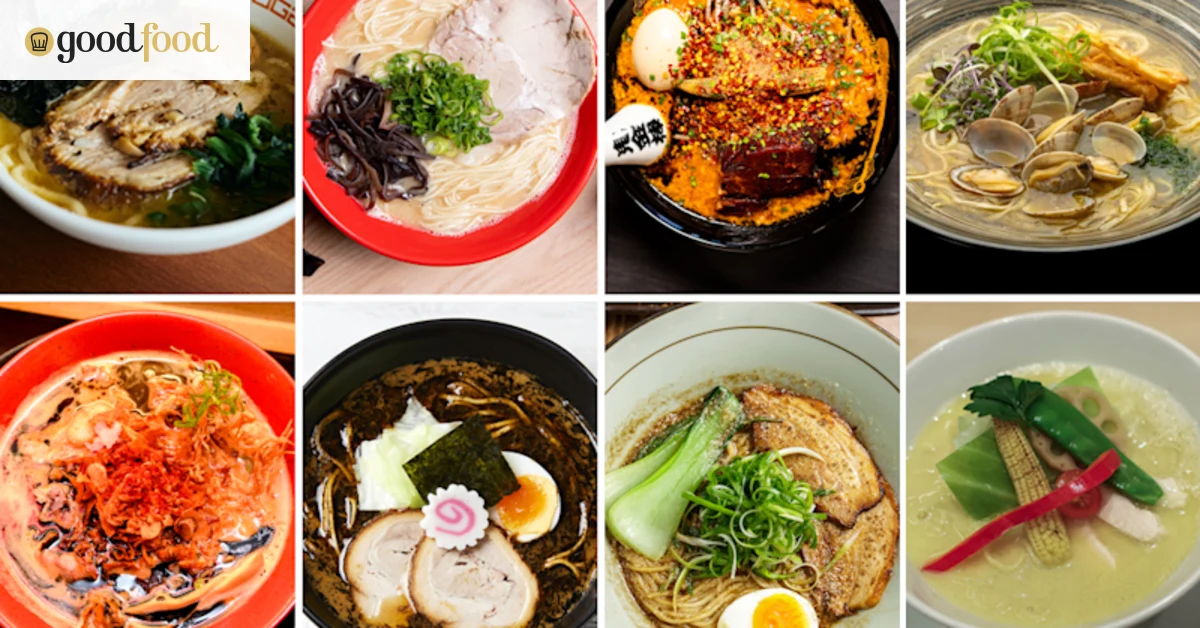
In it, the chef points out that this dish – wheat noodles soaked in a broth and topped with various garnishes – is believed to have originated in Japan during the Meiji era, around 1890, in food stalls opened by Chinese immigrants near the port of Yokohama. It was only after World War II, when Japanese people began consuming American wheat, that ramen became popular, eventually making its way into Japanese homes with the invention of instant noodles by Momofuku Ando in 1958. With its multiple and evolving origins, ramen takes on a wide variety of forms and flavors, depending especially on the region, and sometimes even the city, where it is made. That is why, Anderson says, ramen is a "glocal" dish: global and local.
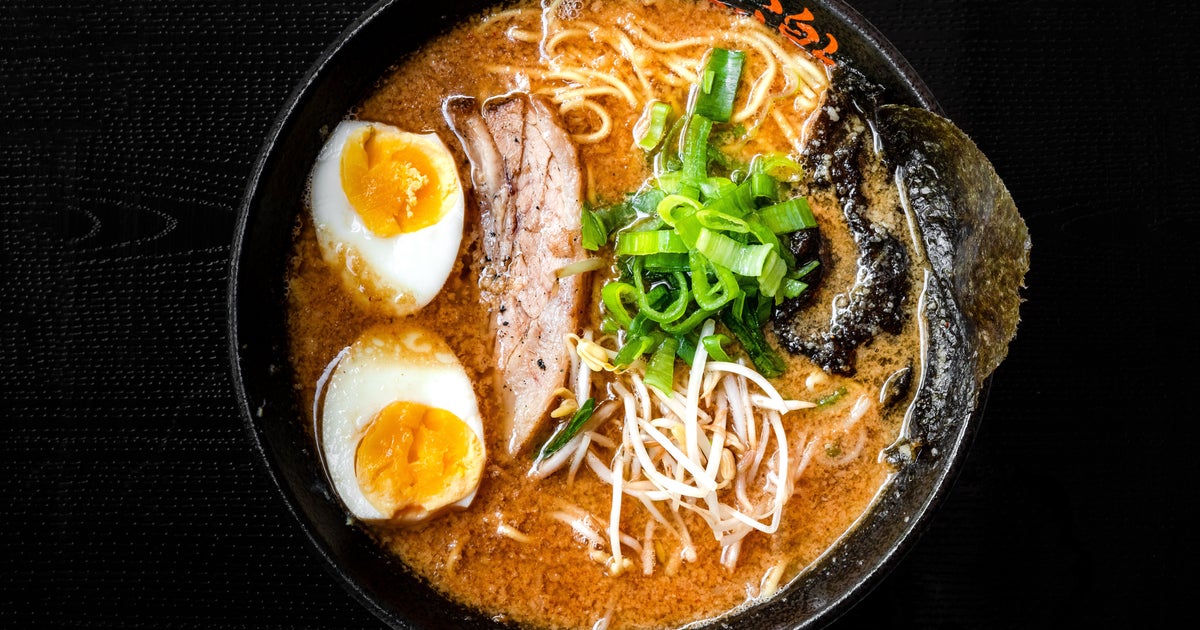
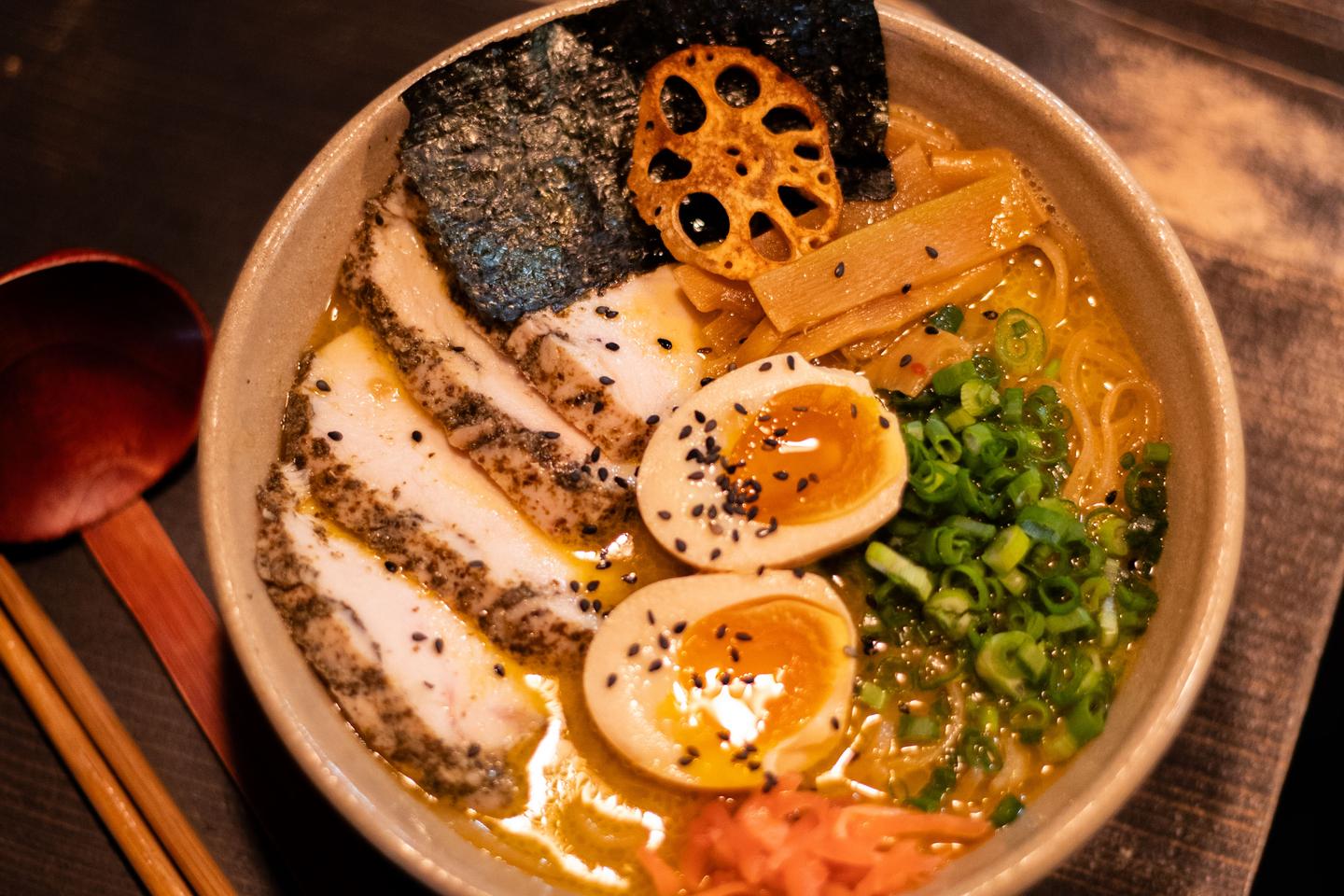
What, then, makes a good ramen? The quality of each individual element, of course, and the balance of the whole! Ramen consists of a broth (made from fish, pork, chicken, vegetables, etc.) of varying thickness, to which is added tare – the concentrated sauce that delivers the umami flavor (based on salt, soy sauce or miso) – and often a fragrant aromatic oil (such as garlic or chili). These three components form the liquid base and it is sometimes difficult – as we ourselves have experienced – to guess exactly what they are made of.