The sounds of Afghan history are being erased to prevent music’s ‘moral corruption’ of the Afghan people. We can help keep Afghanistan’s music alive. Plus, Eliane Radigue’s deep listening, and the brilliance of Sinners’s score
T
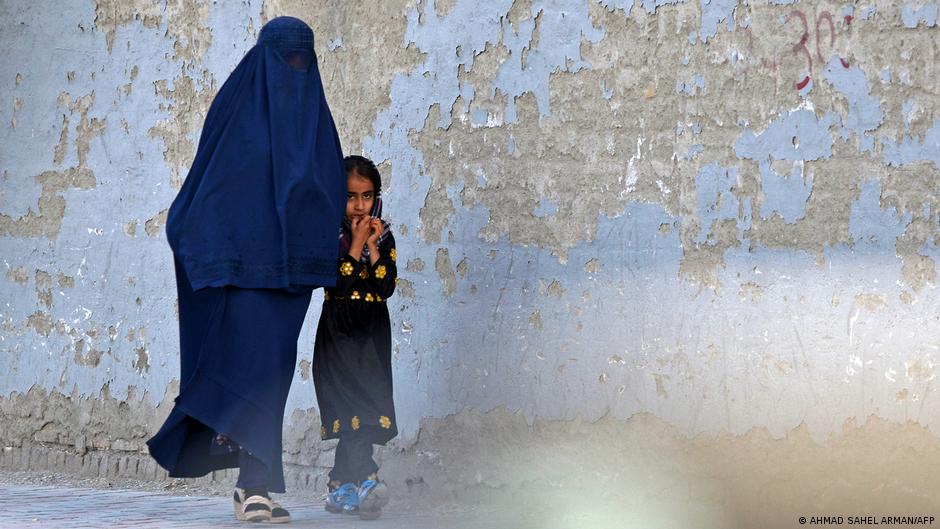
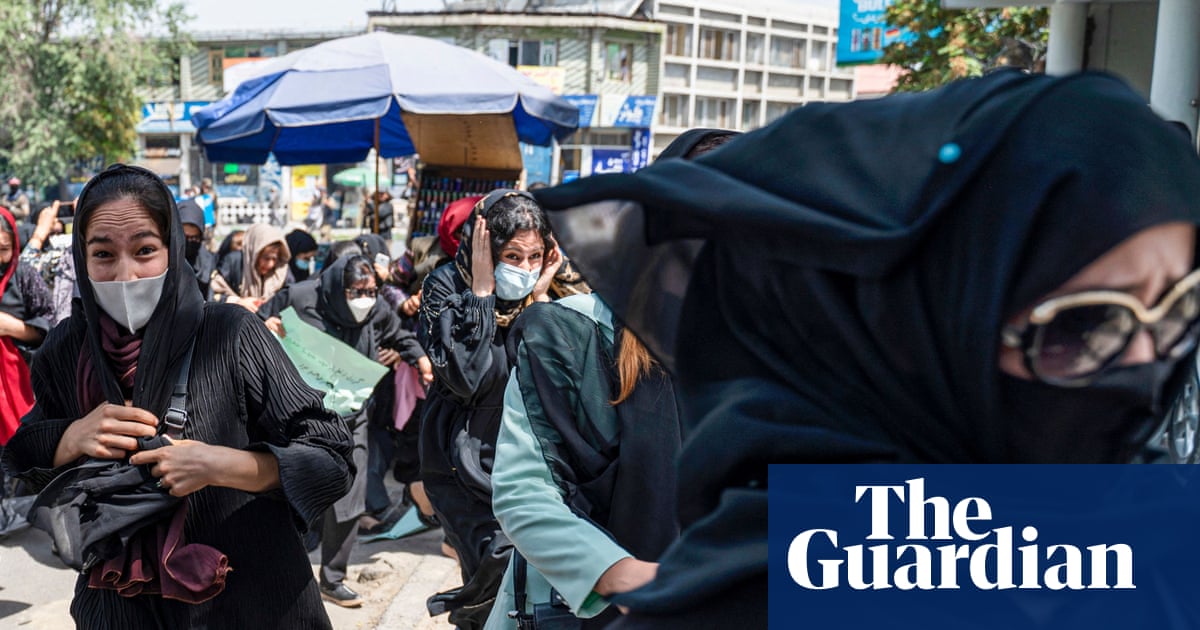
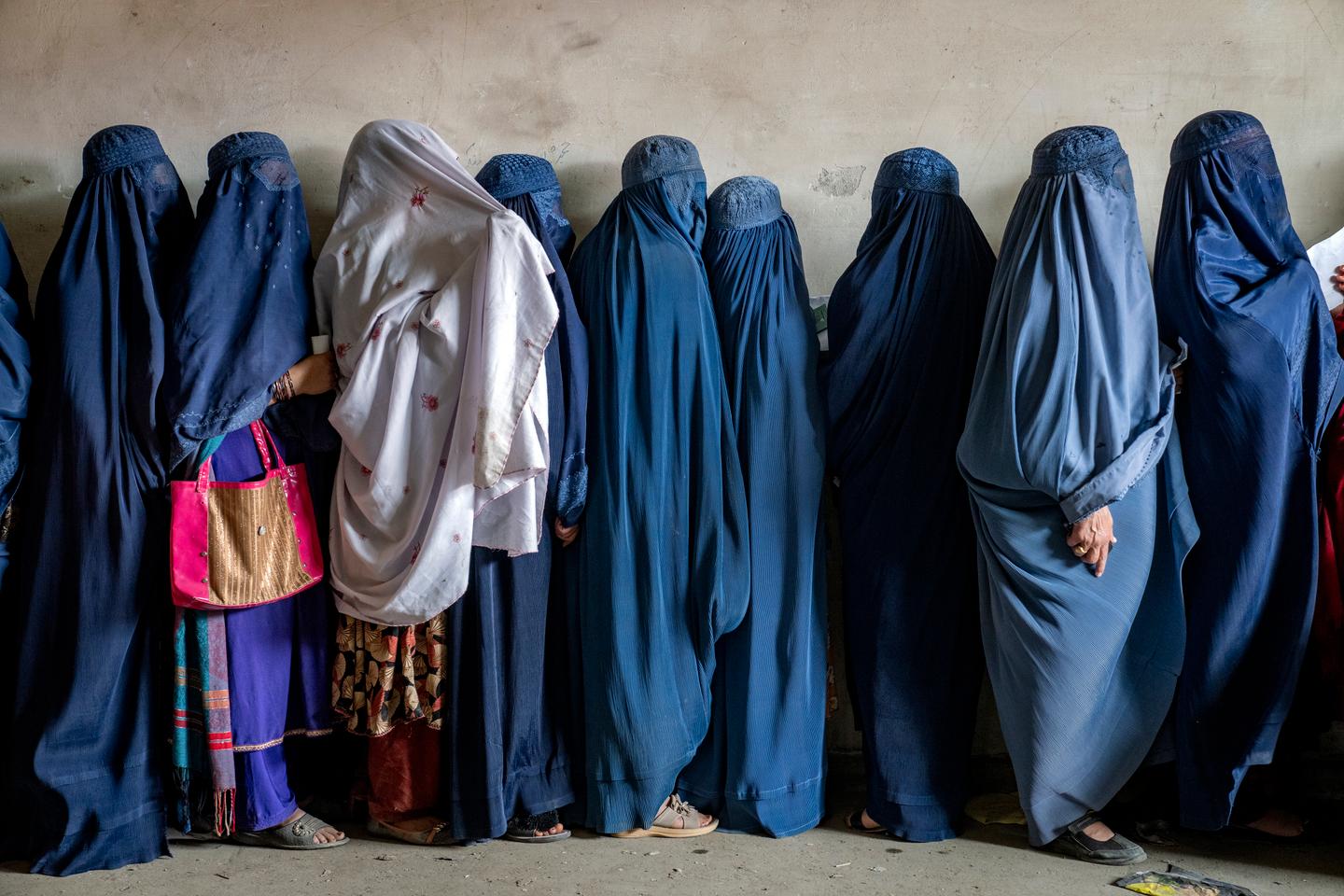
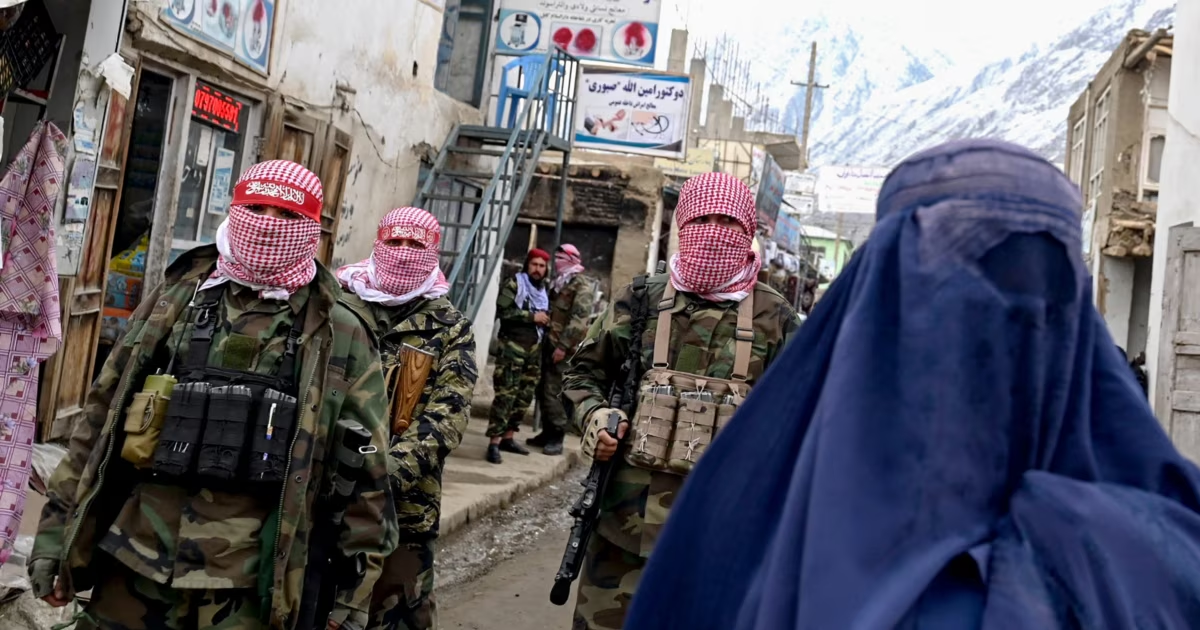
he horrors of the Taliban’s rule in Afghanistan are all-encompassing. New laws that effectively legalise domestic abuse means that every woman in the country now lives with the threat of state-sanctioned violence. In the context of the twin tragedies of the Taliban’s fundamentalist zealotry, and the rest of the world’s silence in the face of their atrocities, the fate of Afghanistan’s cultural life might seem a smaller catastrophe. Yet it’s equivalently devastating.
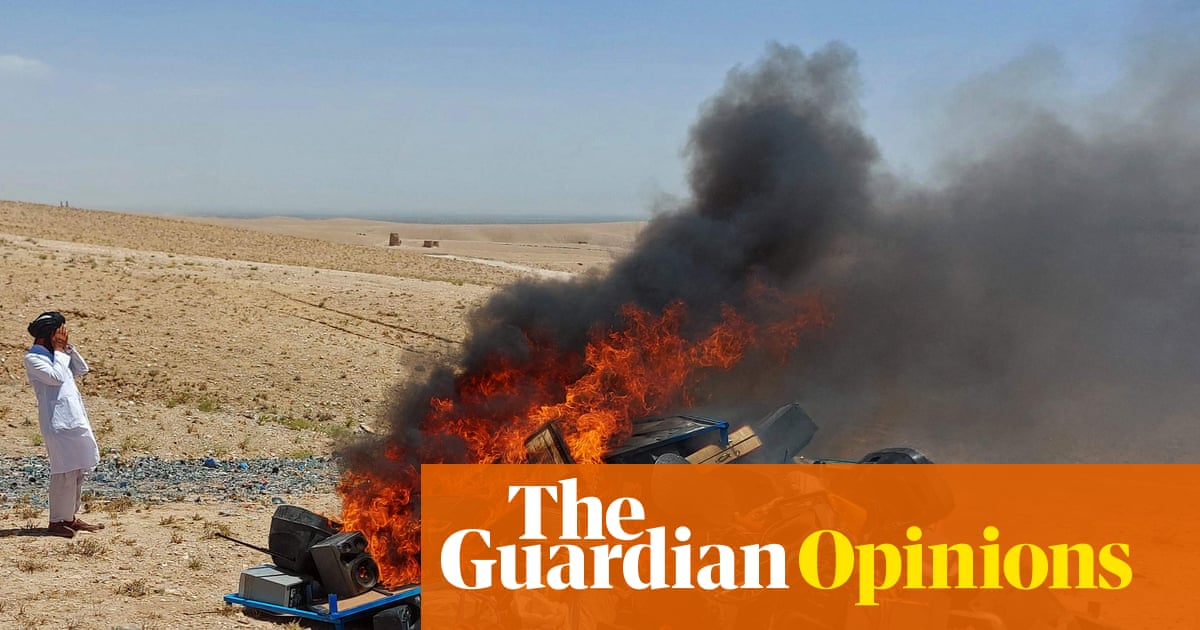
The recent burning of hundreds of musical instruments and equipment – reported last week on Afghan National Television – is the latest stage of the Taliban morality police’s ongoing mission to destroy all these artefacts. Last week’s pyre included tablas and harmoniums, instruments that are the bedrocks of Afghanistan’s unique tradition of classical music, as well as keyboards and amplifiers.
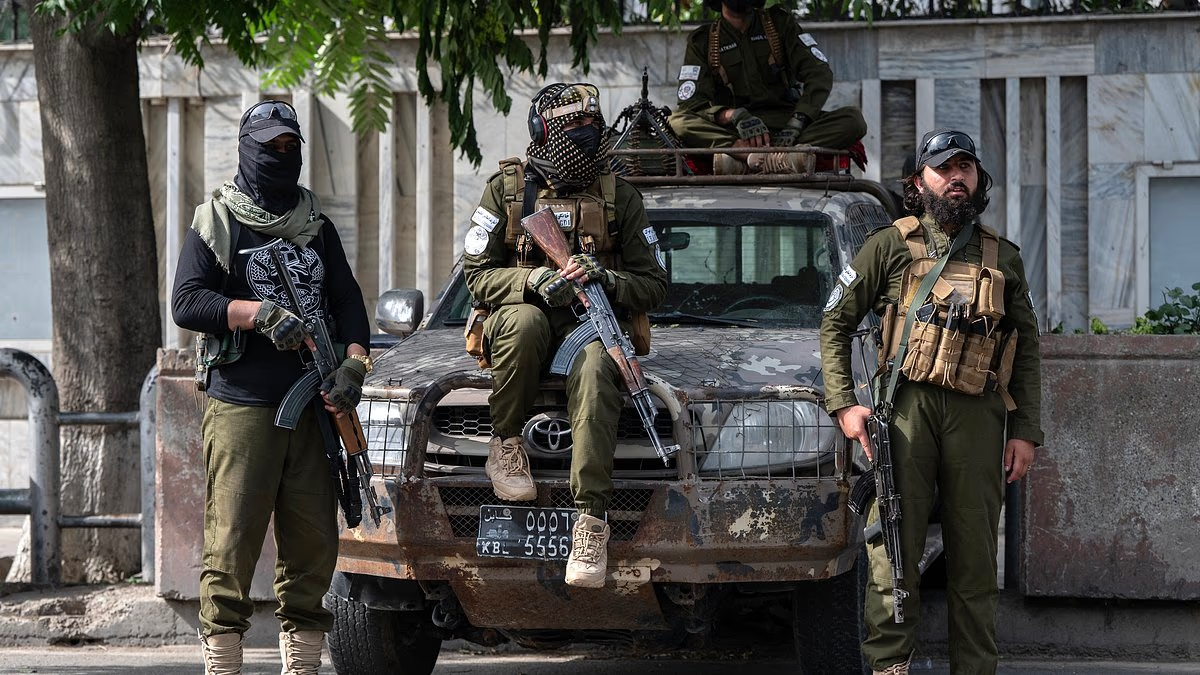
“Since their return in 2021, the Taliban have waged a war on music, claiming that it causes ‘moral corruption’,” writes Sarah Dawood in Index on Censorship. “The Taliban outlaws music, and criminalises performing or even listening to music. Musicians in the country live in fear of discrimination, humiliation, torture, imprisonment, sexual violence in the case of women and even death.”