https://arab.news/vna4x
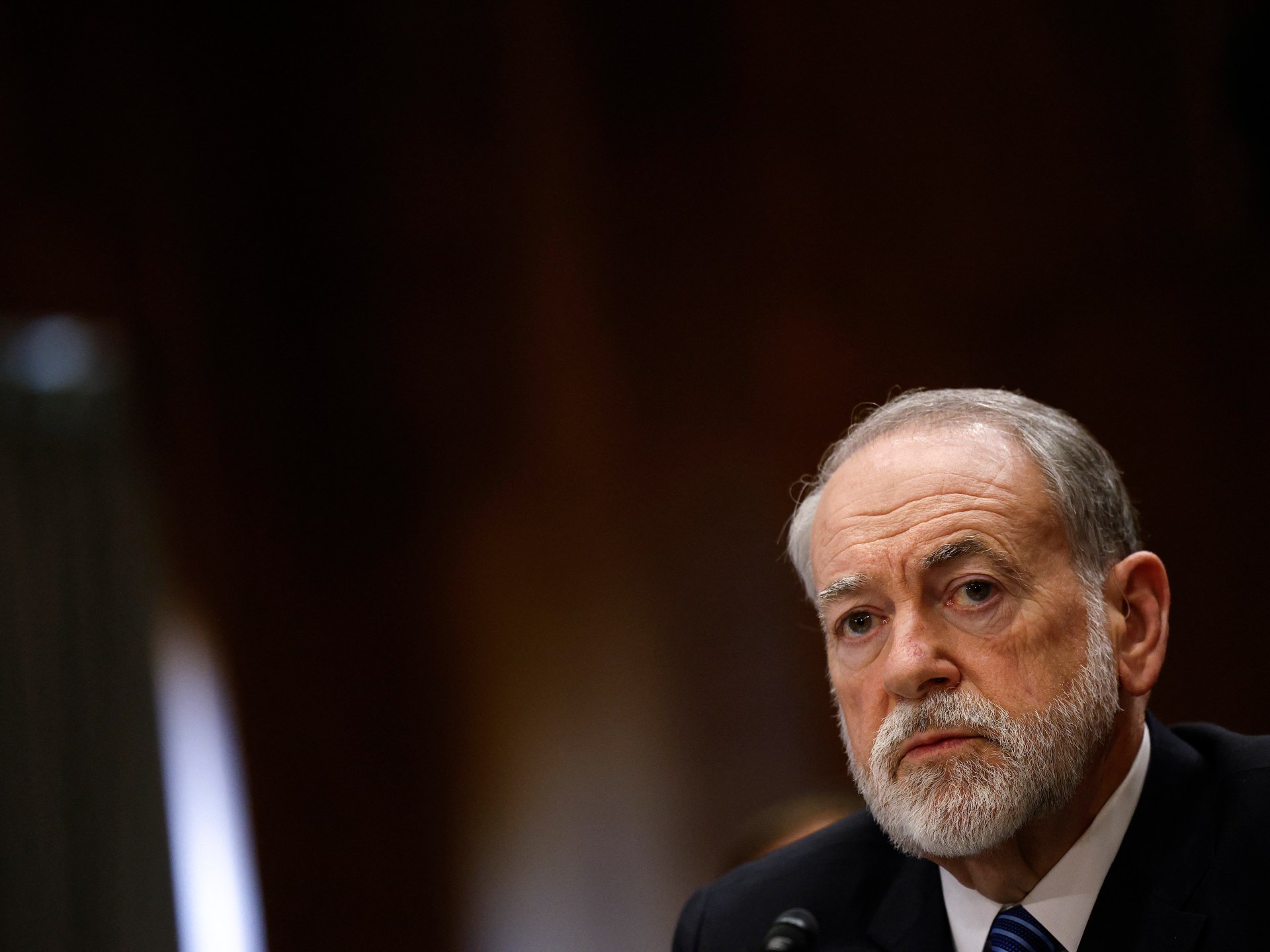
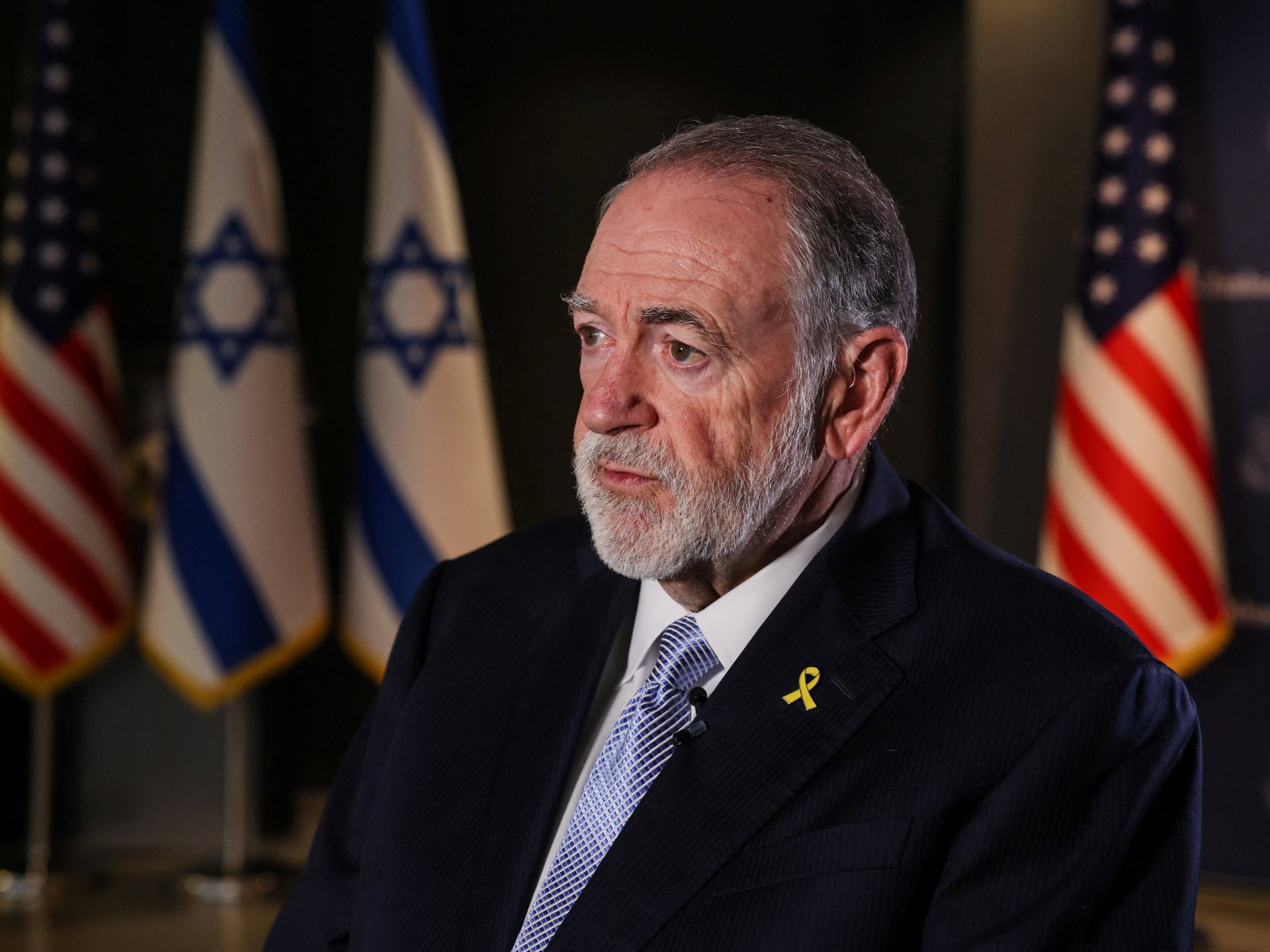
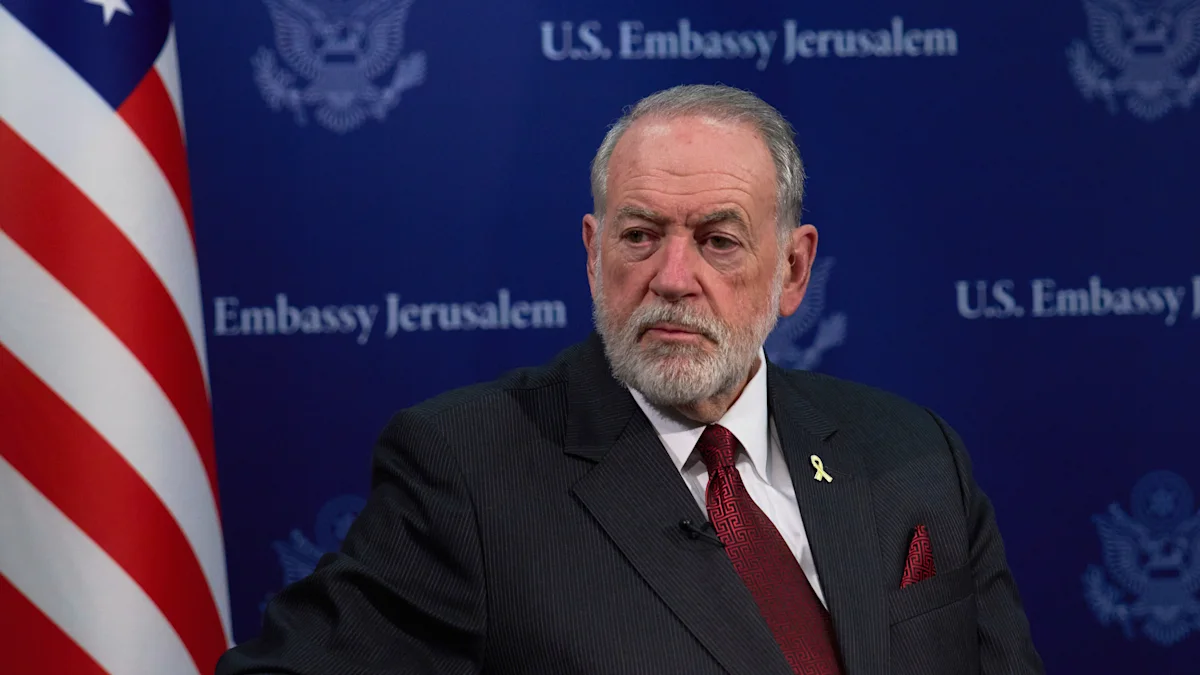
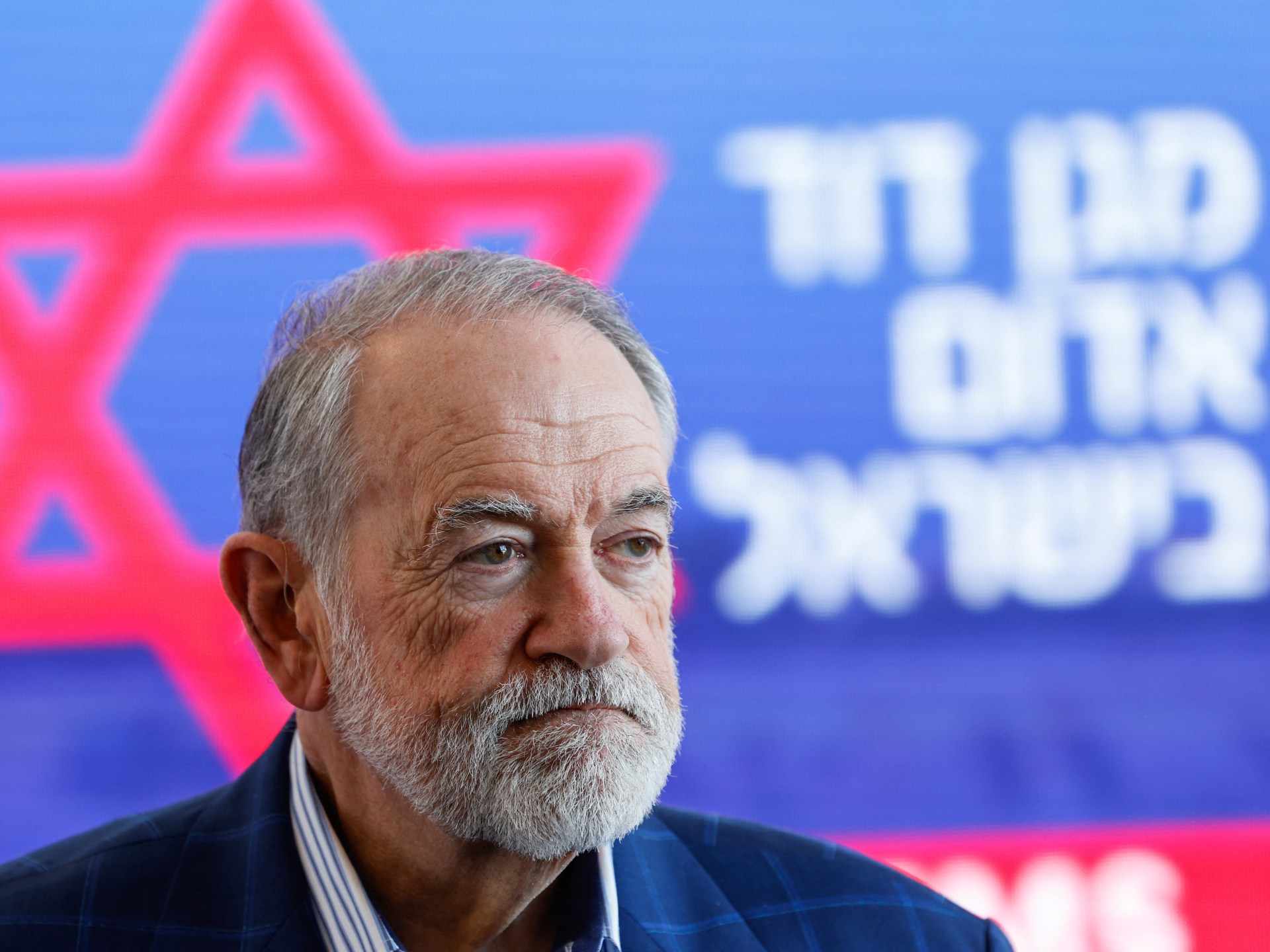
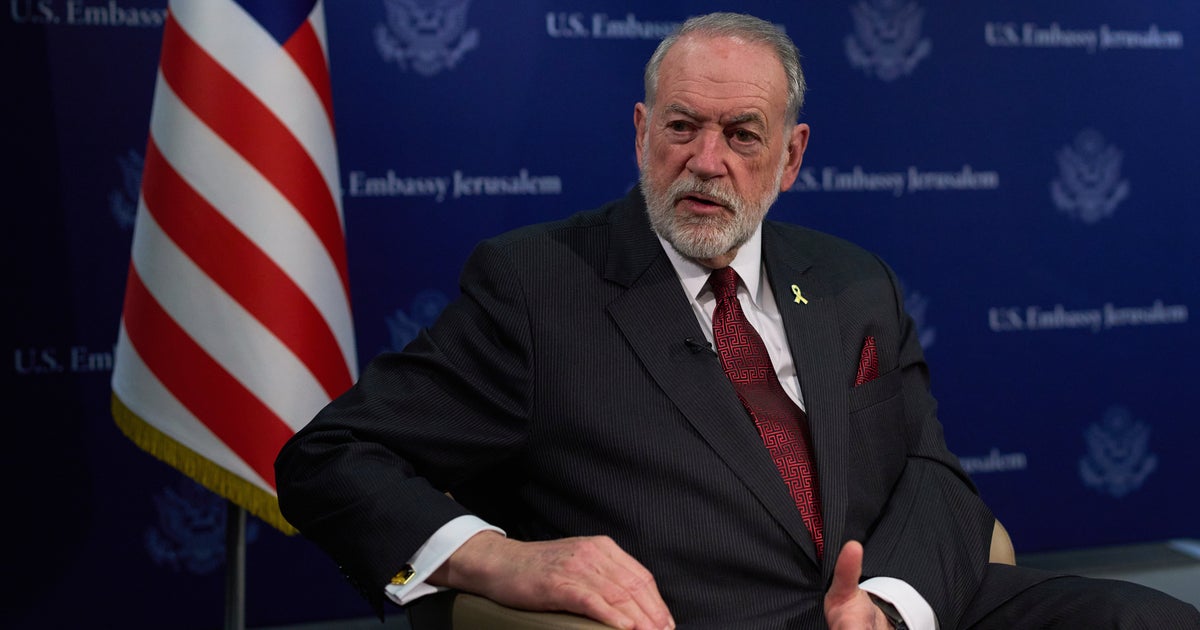
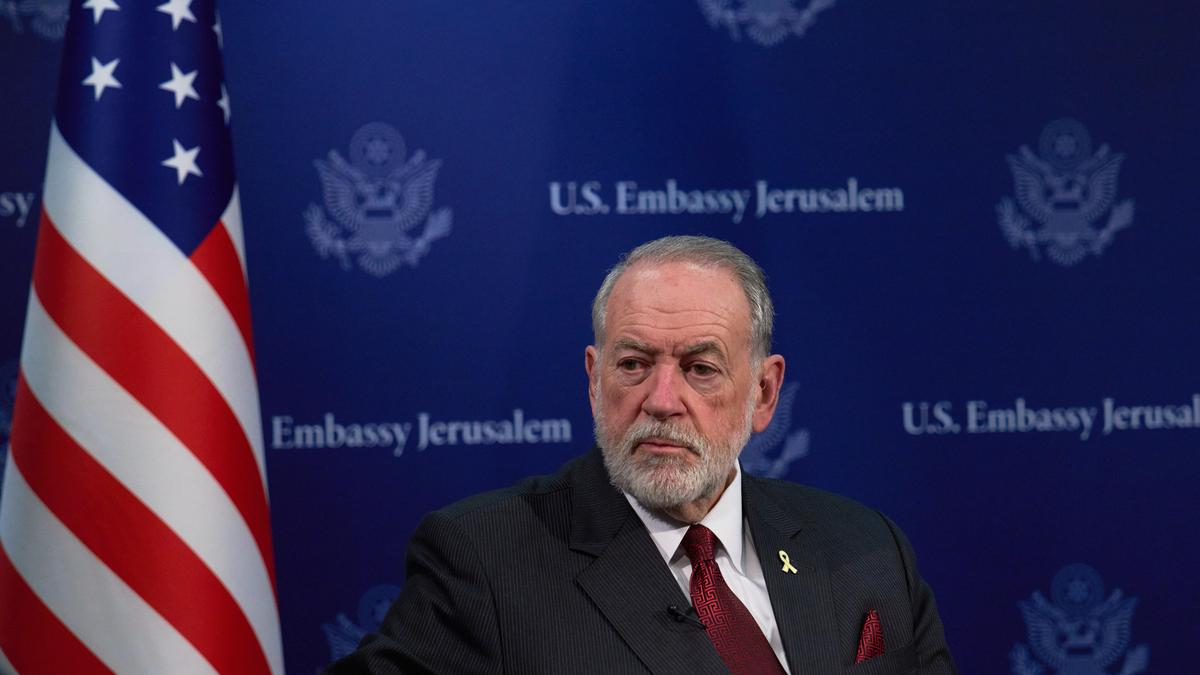
When US Ambassador to Israel Mike Huckabee suggested in an interview last week that it would be “fine” if Israel were to take all the land apparently promised to it in the Bible, the remark did not merely echo across the broader Middle East. It carried particular resonance — and risk — for Jordan.
Jordan is not a distant observer of territorial rhetoric. It is a front-line state whose stability is directly linked to the future of the West Bank and the wider Palestinian question. Any suggestion that expansive territorial claims could be legitimized strikes at the core of Jordan’s national security architecture.
Amman’s custodianship over Islamic and Christian holy sites in Jerusalem is not symbolic diplomacy, it is a foundational pillar of Jordan’s regional role and domestic legitimacy. The Hashemite kingdom’s historical and legal responsibilities in Jerusalem, affirmed in its peace treaty with Israel, are intertwined with its internal stability. When senior foreign officials appear to endorse maximalist territorial narratives, especially those framed in scriptural geography, it places immediate pressure on Jordan’s delicate balancing act.
Jordan’s demographic reality intensifies this sensitivity. A significant portion of its population is of Palestinian origin. Any perception that the West Bank’s status could be fundamentally altered — through annexation or the erosion of prospects for a political settlement — inevitably reverberates inside Jordan. Public sentiment hardens. Political discourse sharpens. The social equilibrium that Jordan has carefully maintained becomes more fragile.