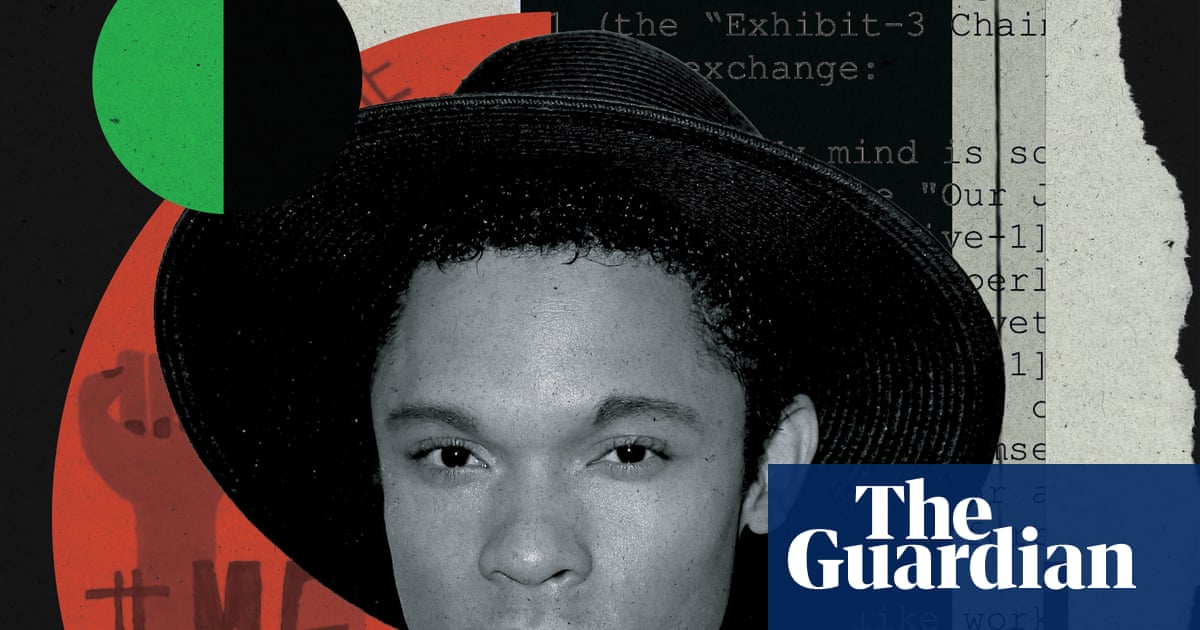
Rovier Carrington thought his cases against MTV and Paramount executives should have been the biggest of the #MeToo era. Instead, they raised unsettling questions about victimhood
One unseasonably warm afternoon in February 2023, in a very brown New York City courtroom, Rovier Carrington did the inconceivable: he admitted to a lie. On that day, the aspiring screenwriter told a federal judge that he had altered evidence to support his legal claim of being systematically raped and blacklisted by a bevy of Hollywood powerbrokers.
His 11th-hour capitulation came as a shock.
In May 2018, Carrington filed a lawsuit alleging he had been abused by two producers: former entertainment president of MTV and VH1 Brian Graden, who co-created South Park and was partly responsible for VH1’s early 2000s pop-culture encyclopedic rebranding; and Paramount Pictures CEO Brad Grey, whose various companies were behind era-defining movies and television from the 80s on, including The Sopranos, Real Time with Bill Maher and Scary Movie. Grey had died in 2017. Paramount, its parent company Viacom (which also operated MTV and VH1), Brian Graden Media, and Grey’s trust were also named as defendants, with Carrington seeking more than $100m in damages.