Americans pay taxes throughout their lives. They may think they're done once they die. Not so.
An estate tax can still be levied on things the deceased owned or had certain interests in when they die. The tax is paid by the person's estate and can cut into beneficiaries' inheritances. The federal government charges an estate tax, but the threshold is high, so most people don't have to worry about it. Some states, not all, also have estate taxes − you may have to worry about those.
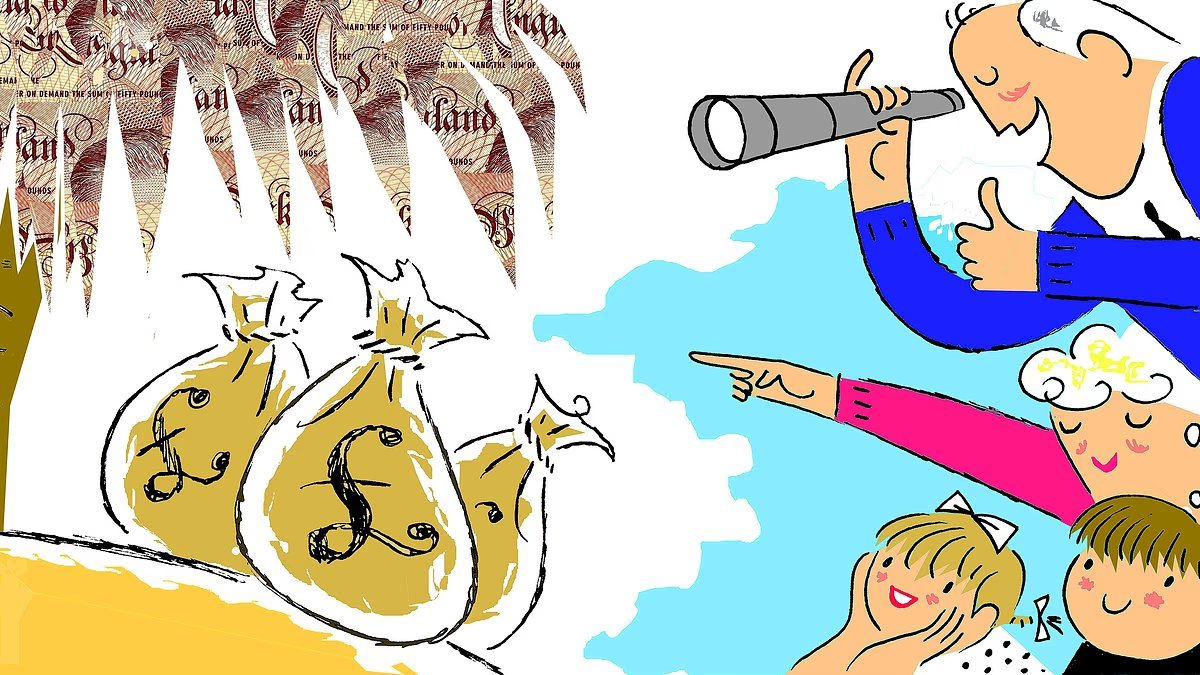
States with estate taxes usually have thresholds that are much lower than the federal government's, which many people may reach. Certain states are also "cliff states" where estate taxes exceeding a specific, relatively low exemption threshold cause the entire estate − not just the excess amount − to become taxable. Sometimes, a single dollar can trigger hundreds of thousands of dollars in taxes, experts said.
Below is what you need to know about state estate taxes so you can plan for them and save your loved ones from getting a much smaller inheritance than you meant for them to have.
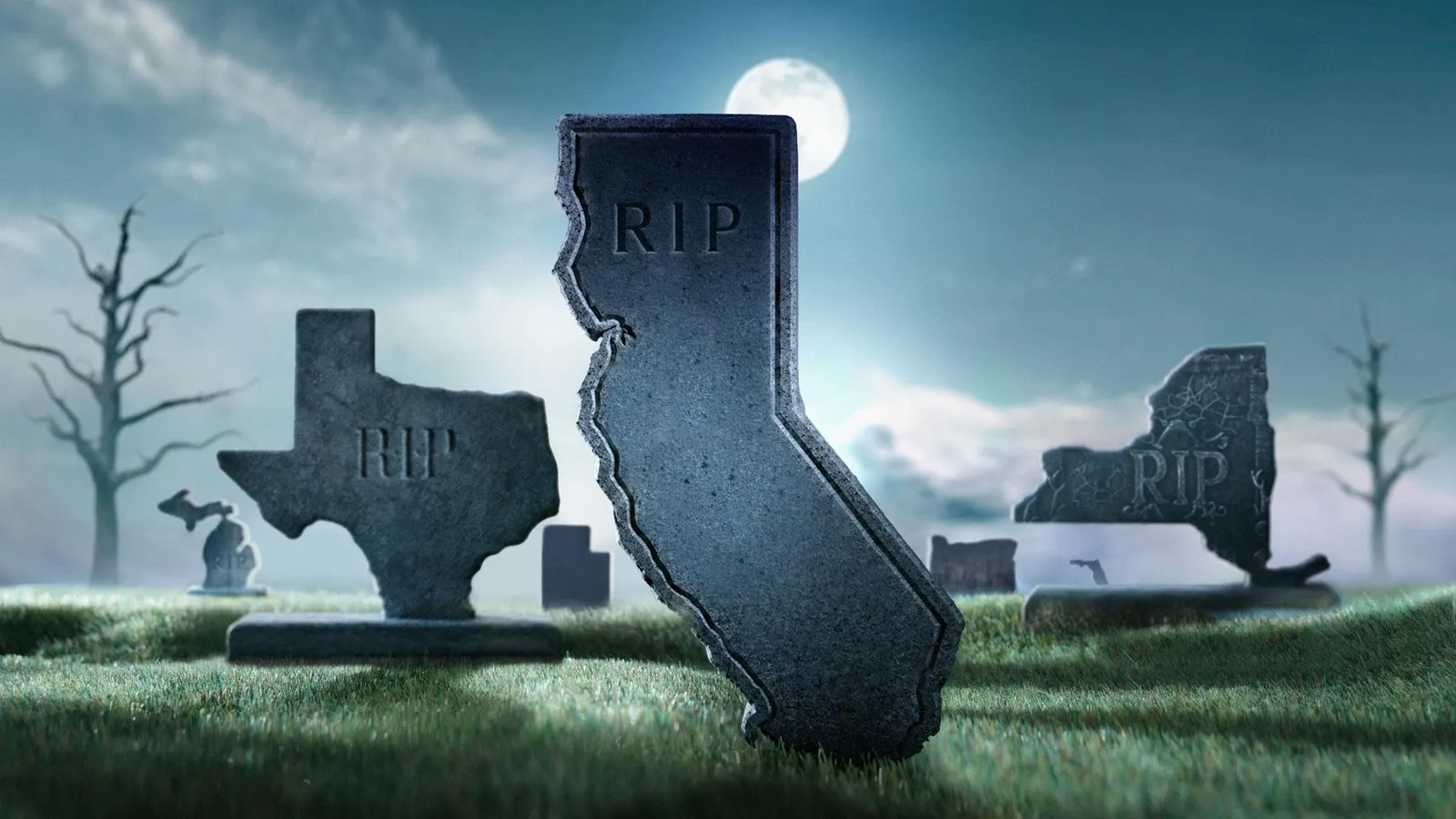
The federal government levies an estate tax, but a dozen states and the District of Columbia do, too.