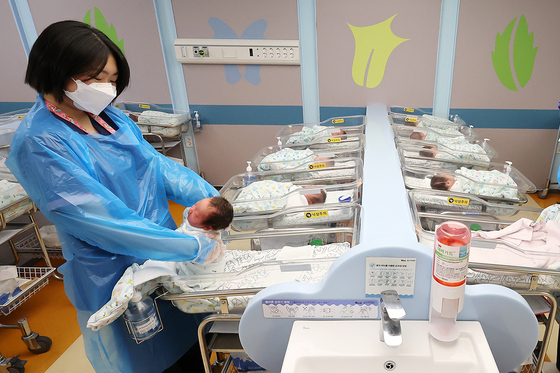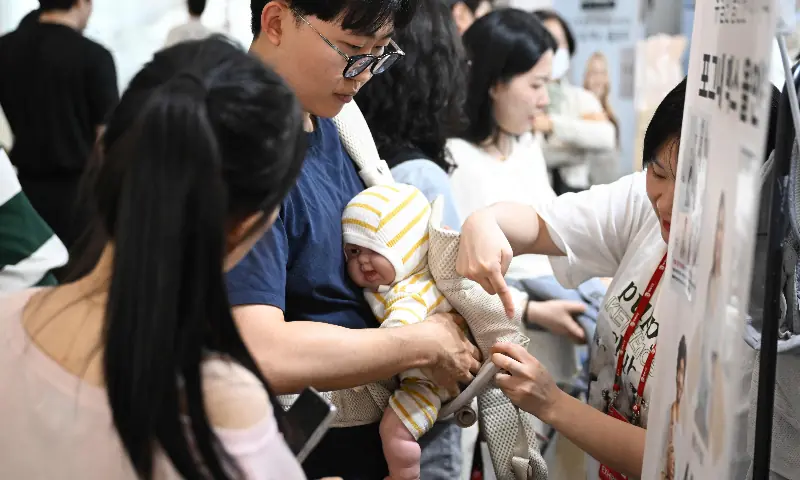
Rebound in the country – which has been having demographic crisis – said to be partly because of 3.6 million born between 1991 and 1995 having children
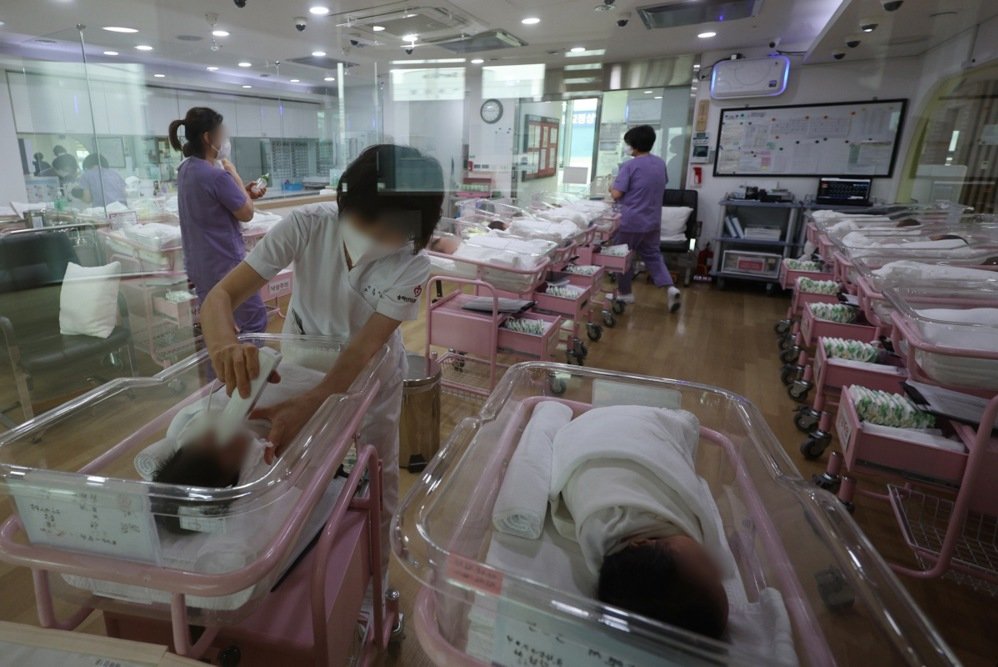
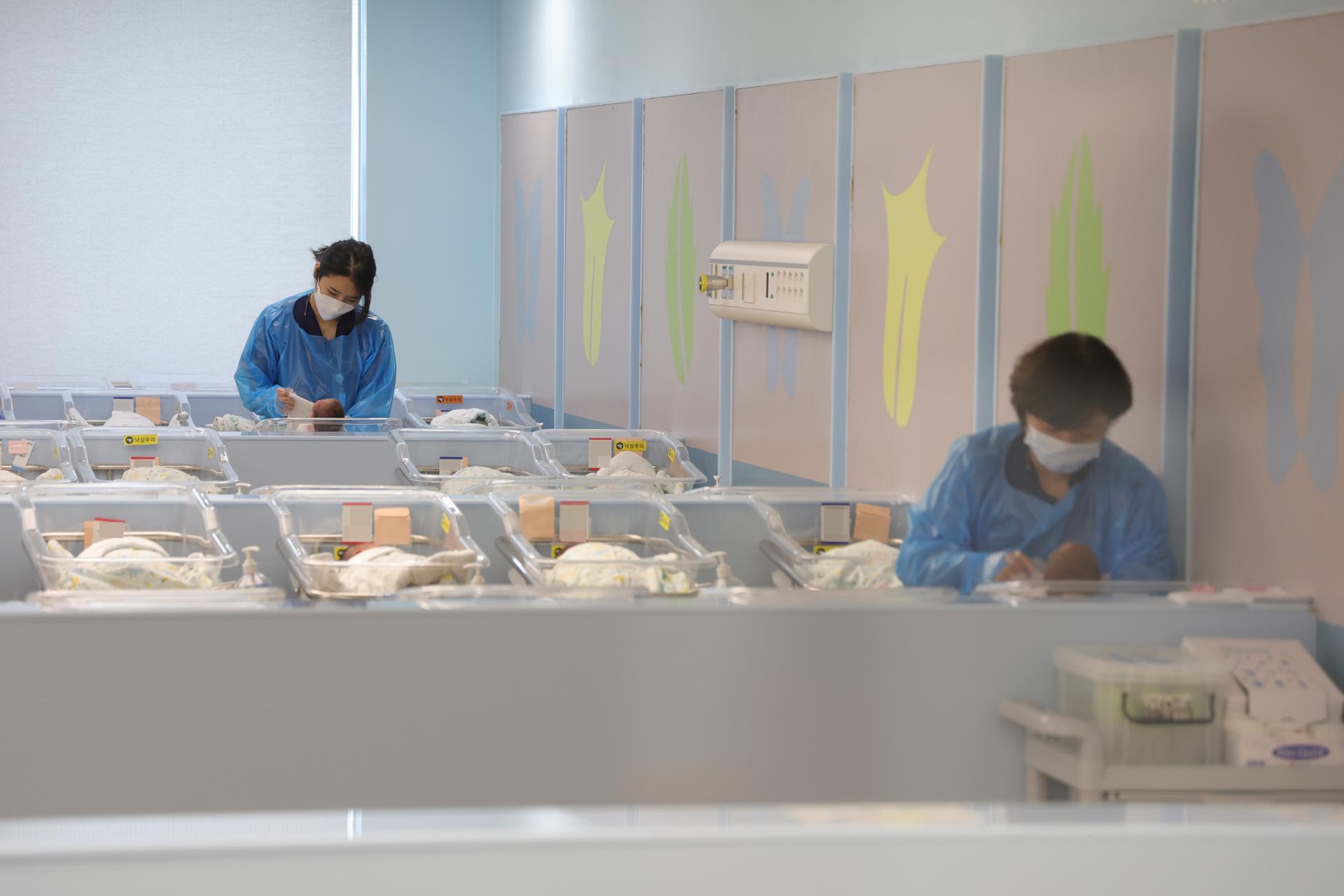
South Korea recorded 254,500 births in 2025, the largest annual increase in 15 years, driven largely by a temporarily enlarged generation – known as “echo boomers” – now in their early thirties, alongside marriage rates recovering from Covid-era delays.
The country’s fertility rate – the average number of babies a woman is expected to have in her lifetime – rose to 0.80 from 0.75 last year, returning to the 0.8 range for the first time since 2021, according to provisional figures released by South Korea’s ministry of data and statistics on Wednesday.
The 6.8% increase in total births marks the second consecutive annual rise, although deaths exceeded births by 108,900, meaning the population continued to shrink. South Korea remains the only OECD country with a fertility rate below 1.0.
Much of the rebound reflects what demographers describe as the “echo boomer” effect. Roughly 3.6 million children were born between 1991 and 1995, when births briefly rose after the government in effect ended its family planning policy.