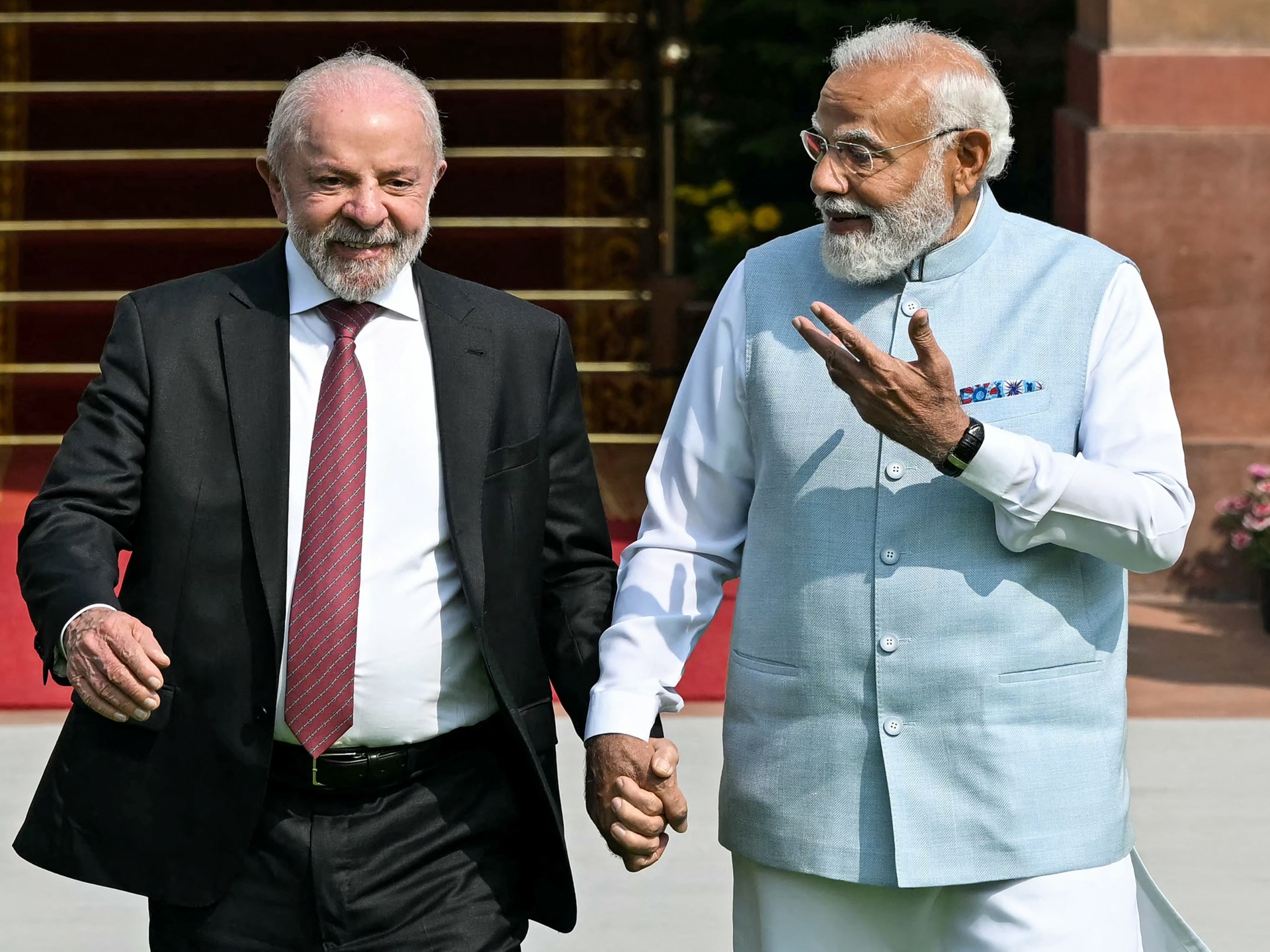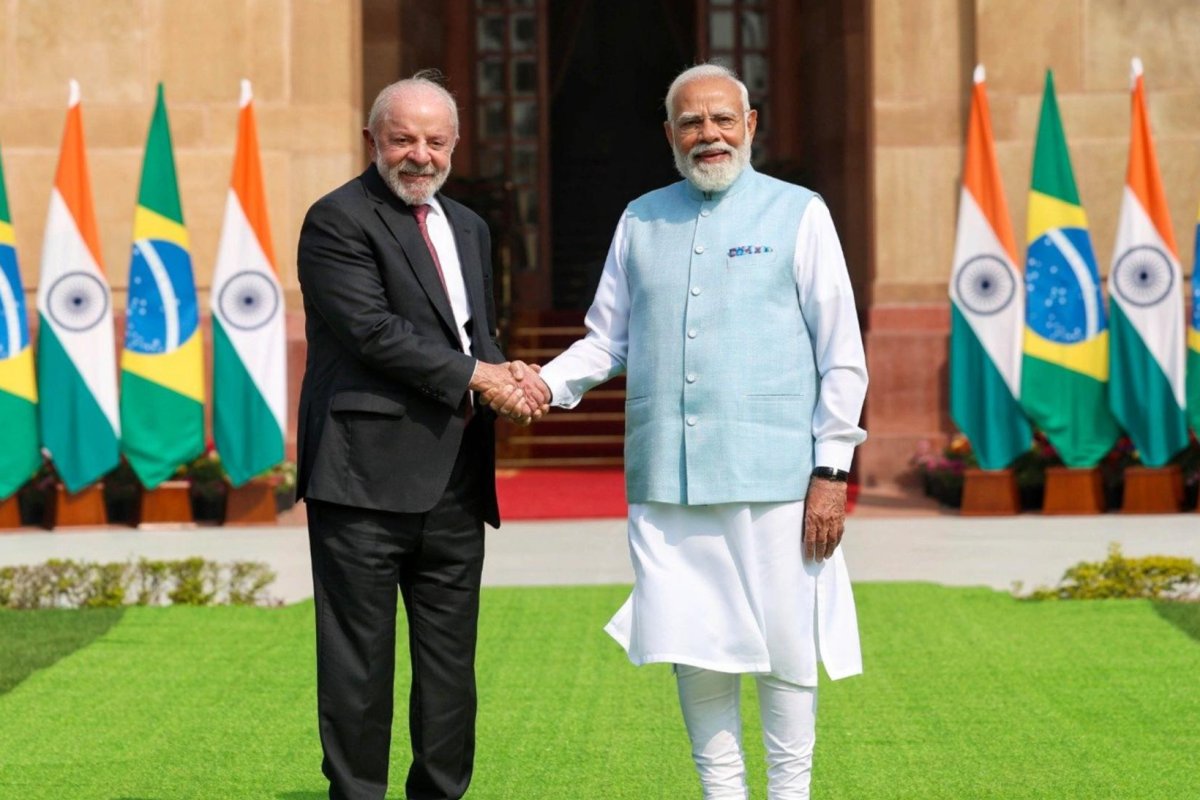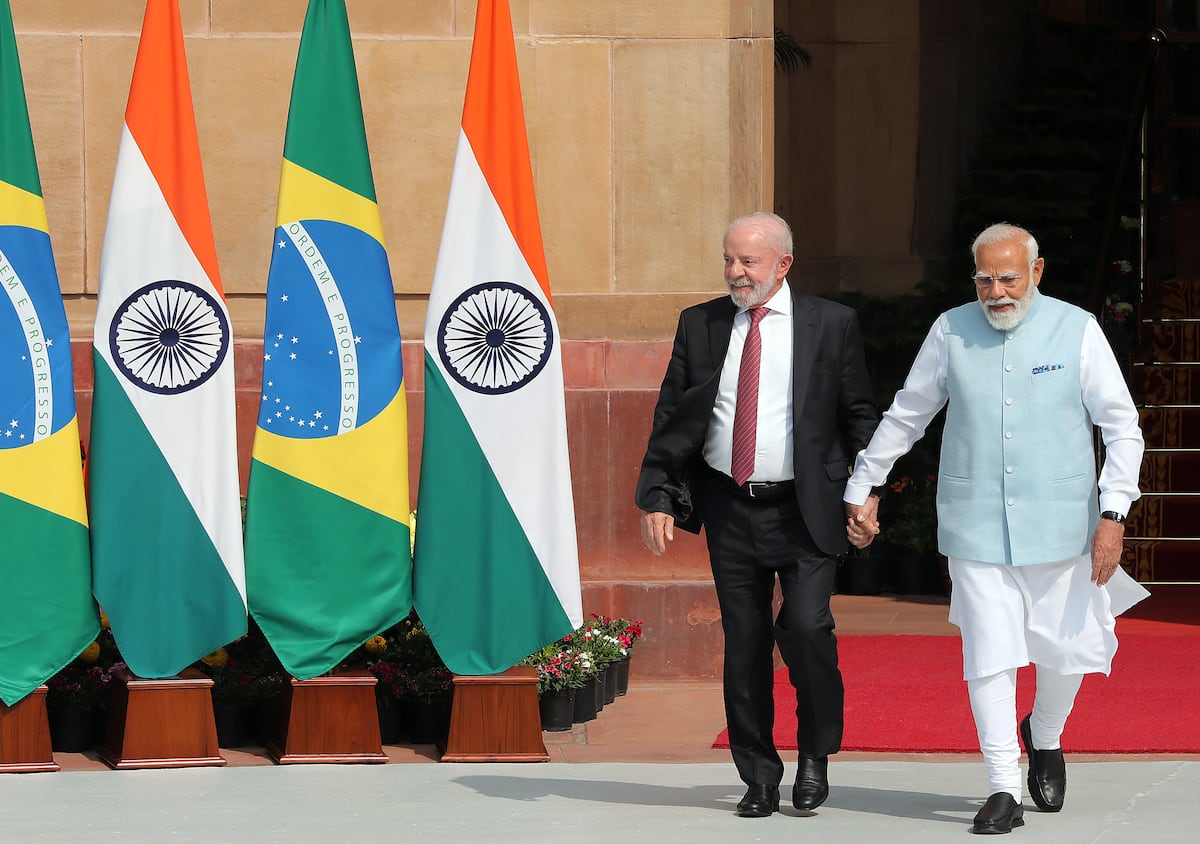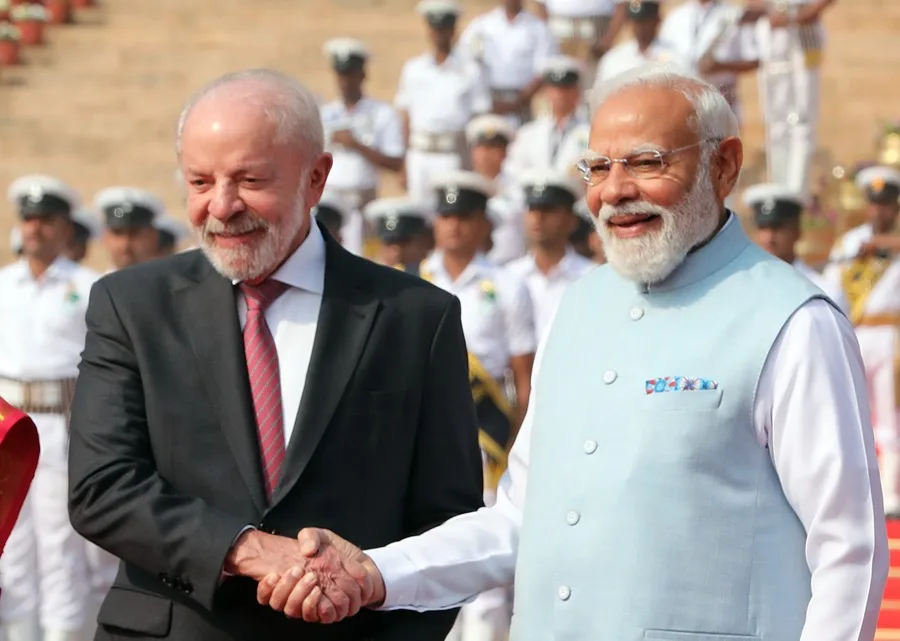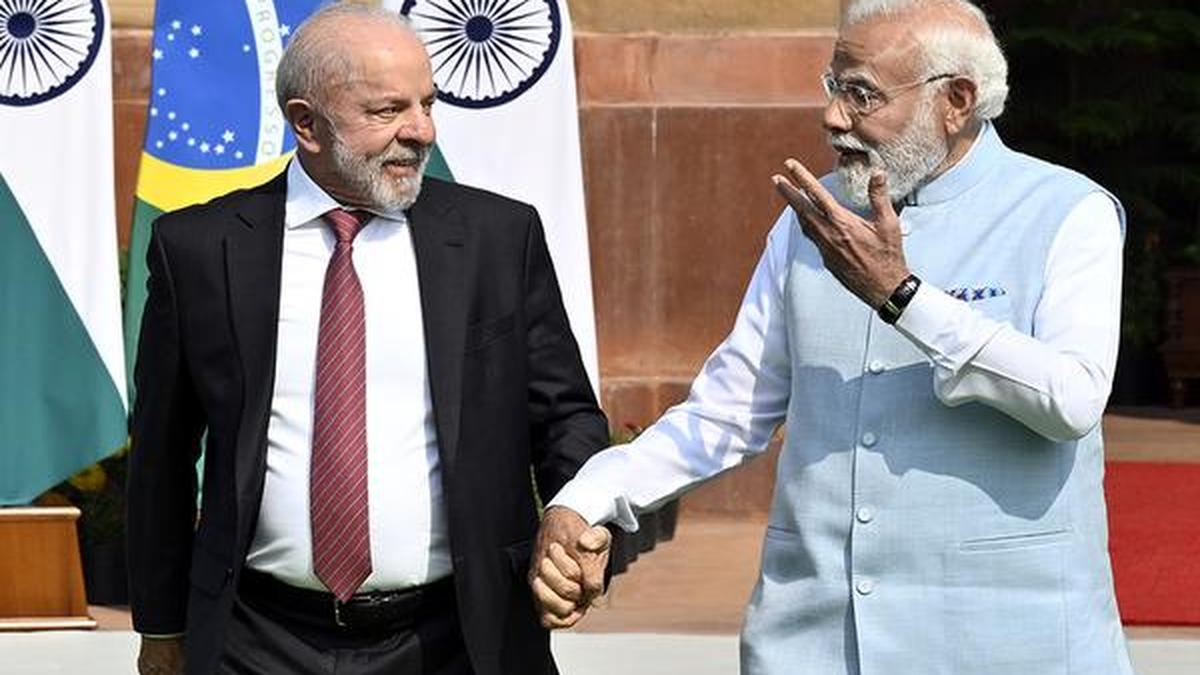
The story so far: India and Brazil signed a memorandum of understanding (MoU) on rare earths and critical minerals during President Lula da Silva’s state visit to India on February 21, 2026. The joint statement said the two countries want to work together across the full mineral “value chain” and that the understanding includes exploration, mining, processing, recycling, and refining. The statement also said the aim is to strengthen supply chains and competitiveness.
What is India doing about critical minerals?
India is currently trying to build capacity at home across the critical minerals value chain and to reduce dependence on any one country by building more overseas partnerships for minerals and processing. On the domestic front, the Union Cabinet approved the National Critical Mineral Mission in January 2025 to cover all stages of the value chain, including exploration, mining, beneficiation, processing, and recovery from end-of-life products. It is meant to run from 2024-25 to 2030-31 with substantial public expenditure.
India also published a list of 30 critical minerals in July 2023 and has used the Mines and Minerals (Development and Regulation) Amendment Act 2023 to give the Centre more power to auction blocks for critical and strategic minerals. By September 2025, the Ministry of Mines said it had run multiple rounds of such auctions covering several blocks. Further, the state-backed vehicle Khanij Bidesh India Ltd. is currently exploring overseas acquisitions and signing exploration arrangements, including in Argentina and Chile.