https://arab.news/8pyum
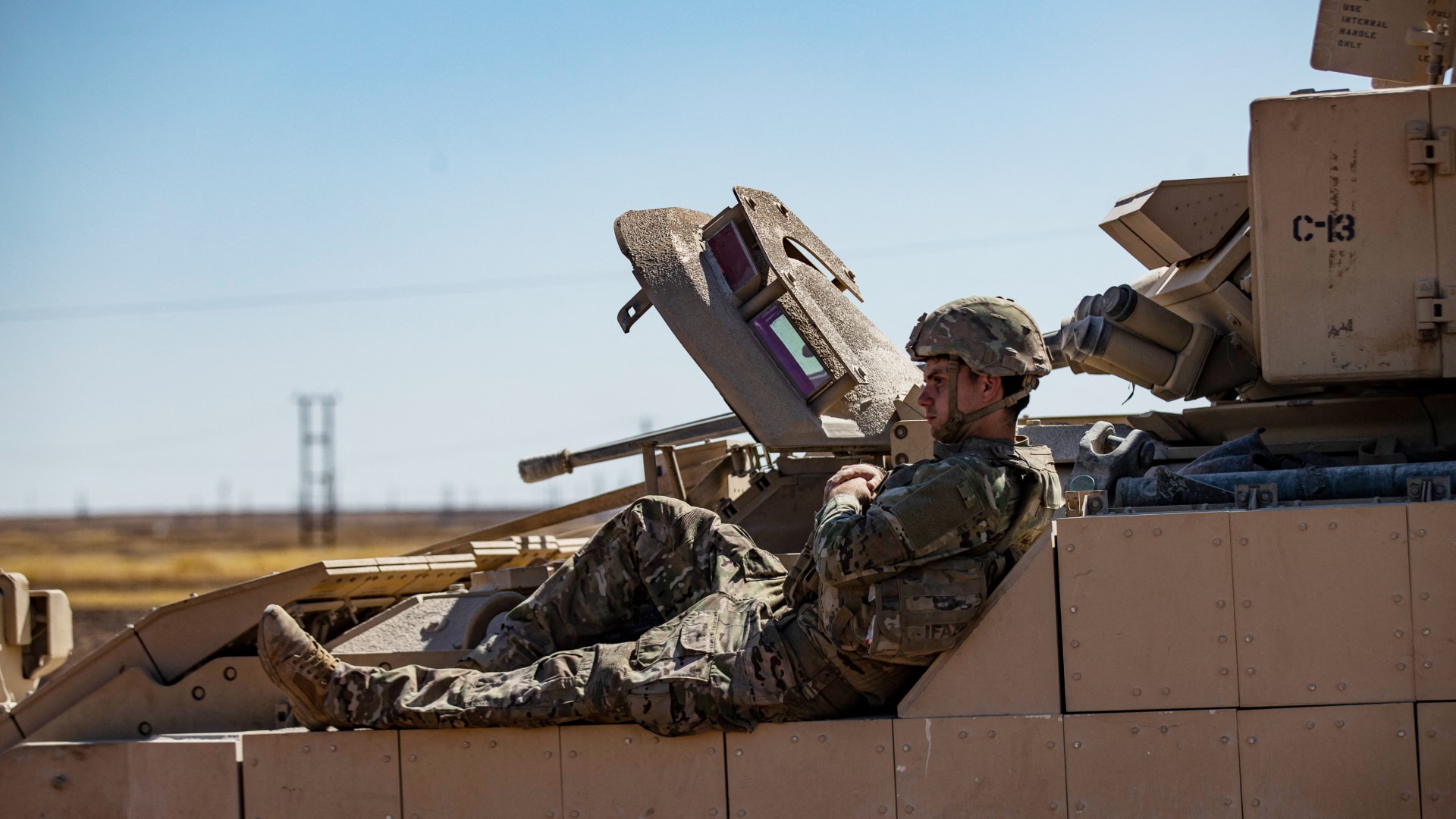
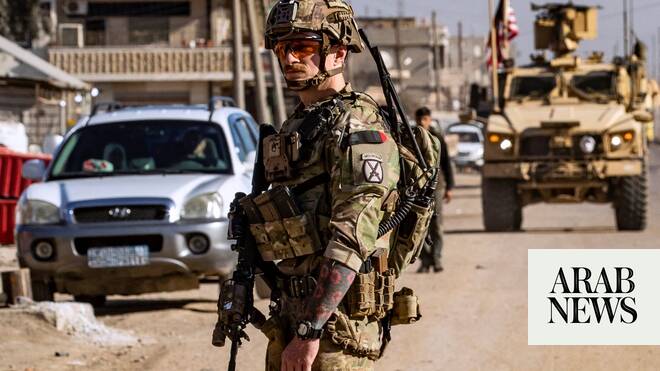
Between Jan. 27 and Feb. 2, US forces struck Daesh targets in Syria five times. Days later, US Central Command issued a statement pledging “sustained pressure” alongside local partners.
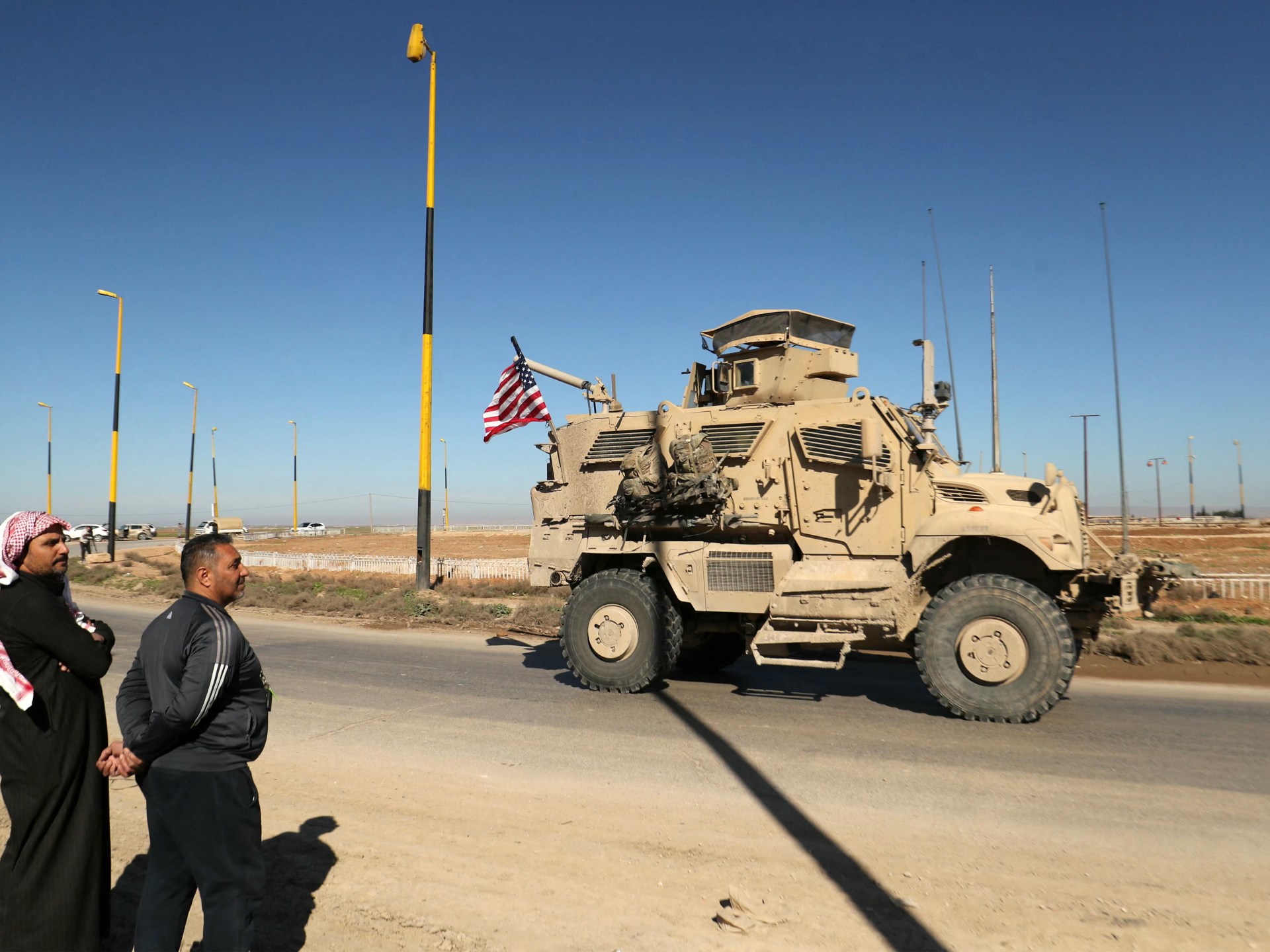
These operations coincided with a confluence of significant political and security developments: a phased withdrawal of American forces from their bases on Syrian soil; the transfer of several thousand Daesh prisoners from detention facilities in northeastern Syria to Iraq ahead of trial; and the release of thousands of individuals and their families from Al-Hol camp — which had housed the families of Daesh fighters — leaving them free to move about inside Syria unchecked.
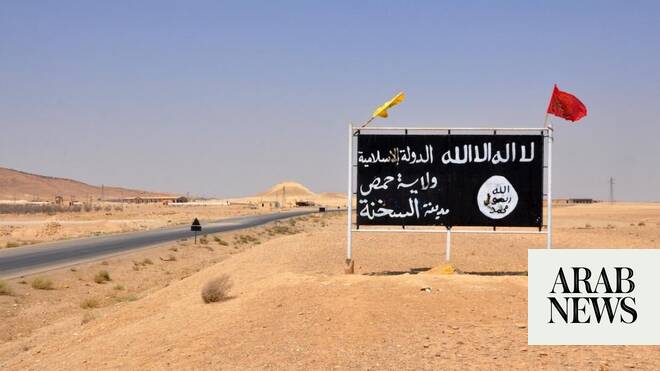
These shifts on the ground have serious implications. Daesh remains one of the most violently extreme organizations in the world and fears are mounting over its potential resurgence across the vast terrain straddling Iraq and Syria. The group’s ability to blend into hostile local environments and sympathetic villages, regroup and reconstitute its forces raises the specter of a renewed bid to establish a “caliphate” — something many experts consider difficult but not impossible.
Fears are mounting over Daesh’s potential resurgence across the vast terrain straddling Iraq and Syria