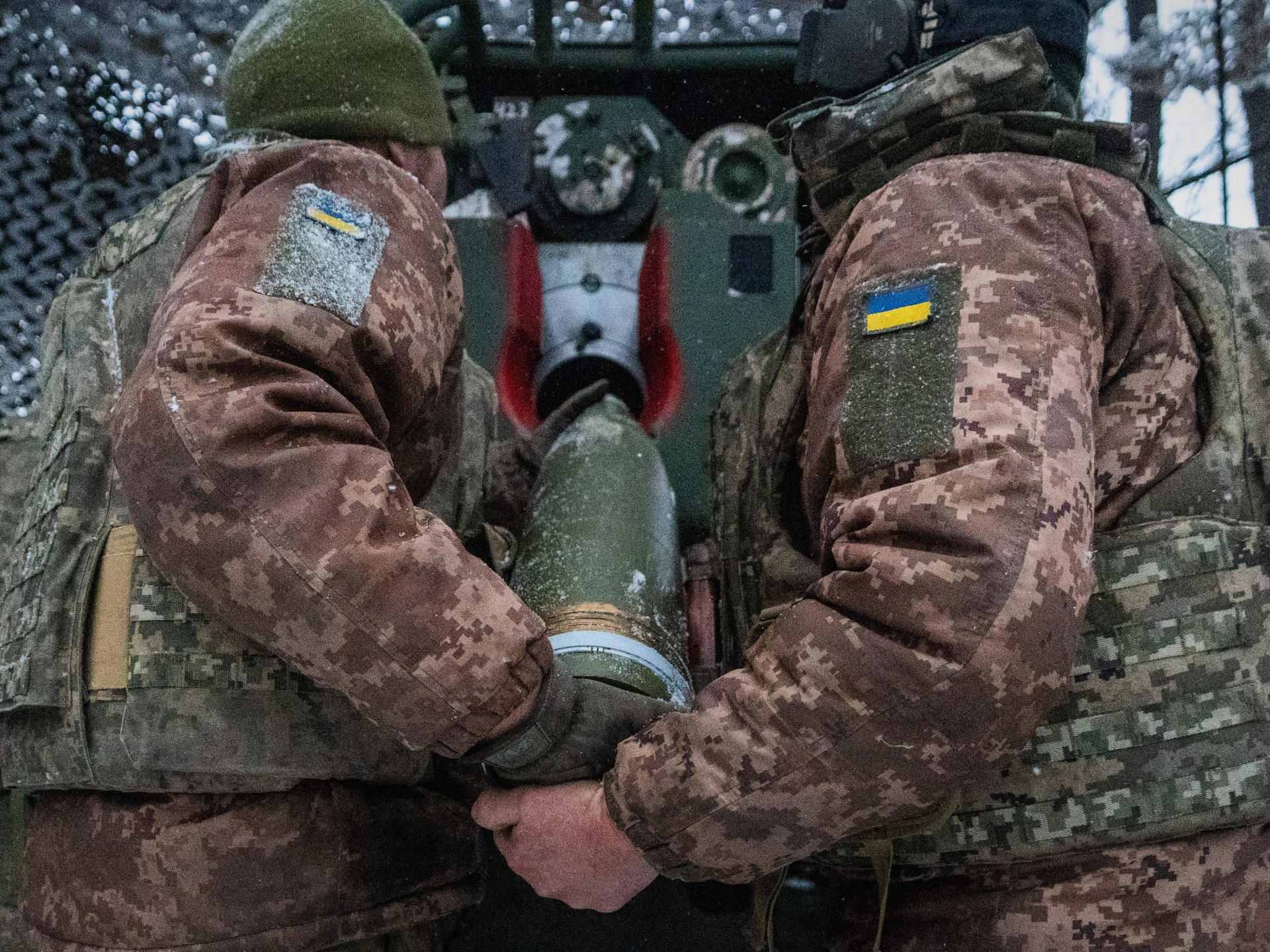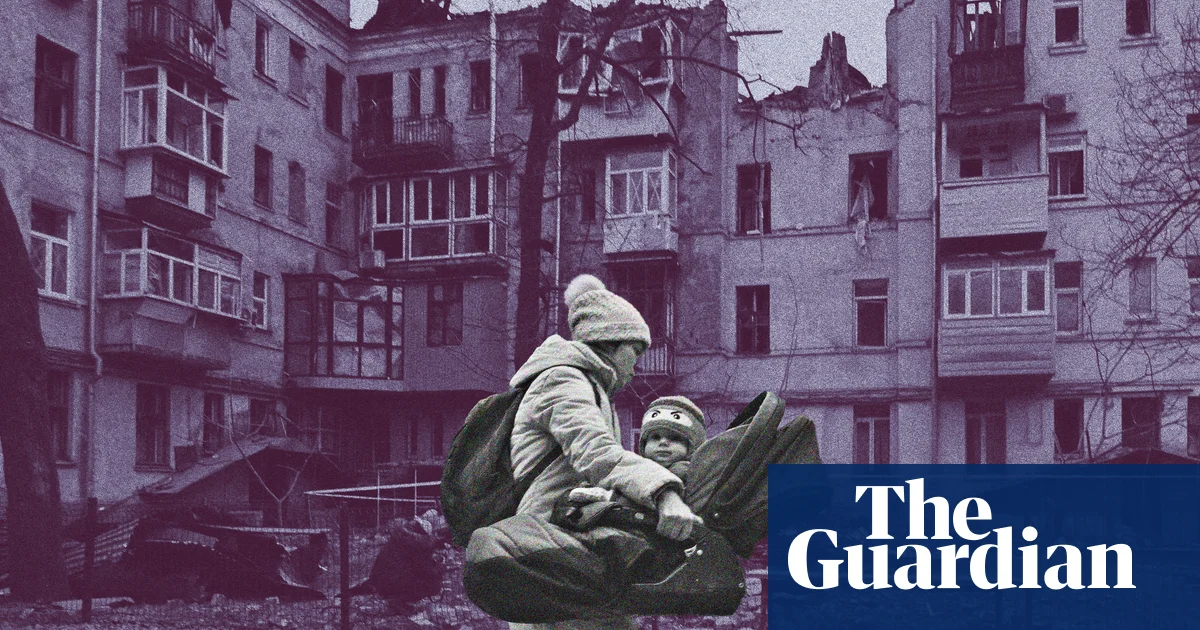
Four years of war between Russia and Ukraine are beginning to take their toll on the countries’ demographics as the conflict puts women off — or prevents them — from starting or expanding their families.
While the effects of that broad-based hesitancy to have children might not be immediately apparent, a decline in the birth rate can have far-reaching consequences for economies and societies further down the track.
Since Russia’s full-scale invasion of Ukraine began on Feb. 24, 2022, Ukraine’s fertility rate — the average number of births per woman — has plummeted, exacerbated by the war, the loss of partners and spouses in the fighting, and family separation and mass emigration.
In 2021, Ukraine’s total fertility rate stood at 1.22 but this has since dropped to 1.00 in 2025, according to United Nations population data. Some have cited a more dire metric, with the First Lady of Ukraine, Olena Zelenska, warning in December that the fertility rate in the country had plunged to 0.8–0.9 children per woman, with the war and insecurity across Ukraine causing this “critical decline.”
For a society to replace itself from one generation to the next, without relying on migration, a total fertility rate of 2.1 children per woman is necessary.