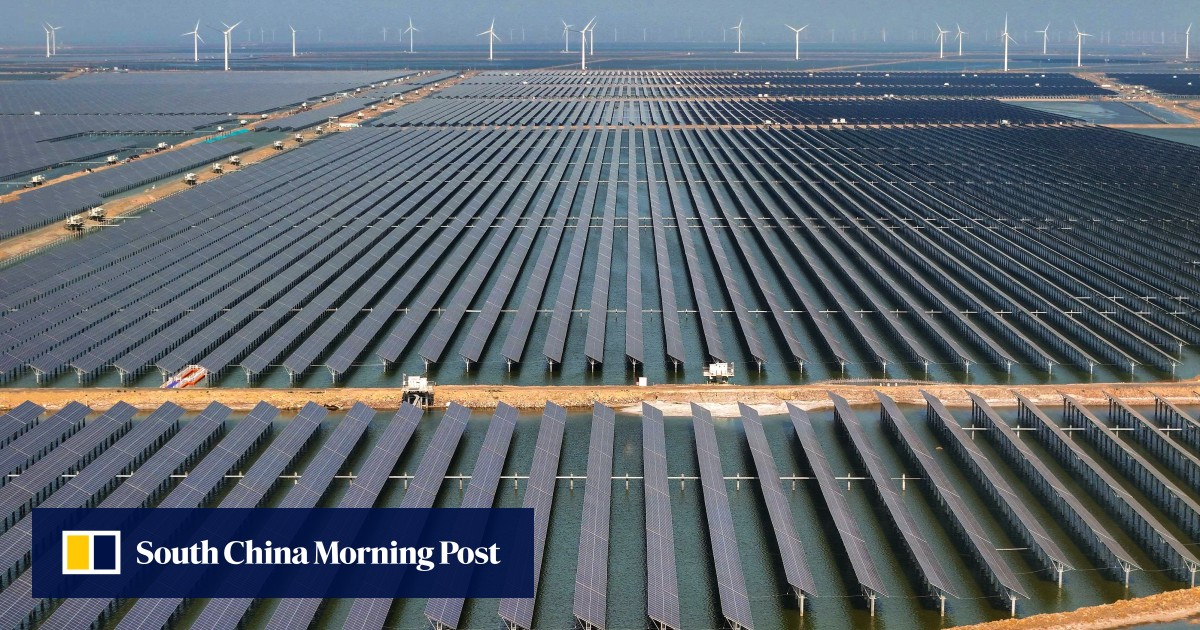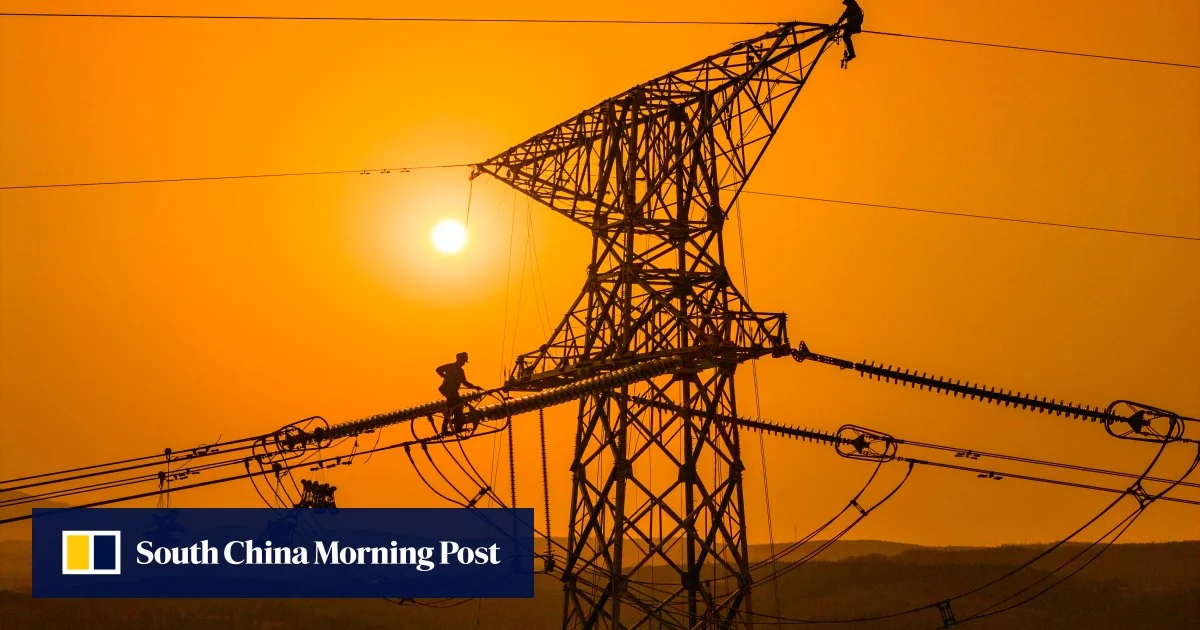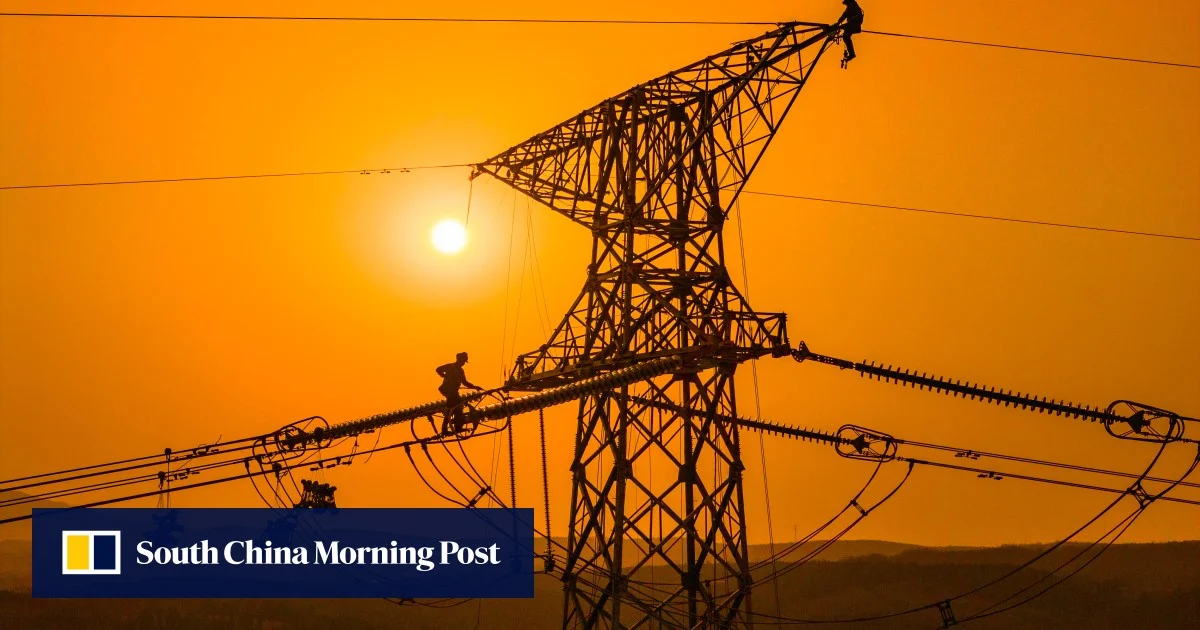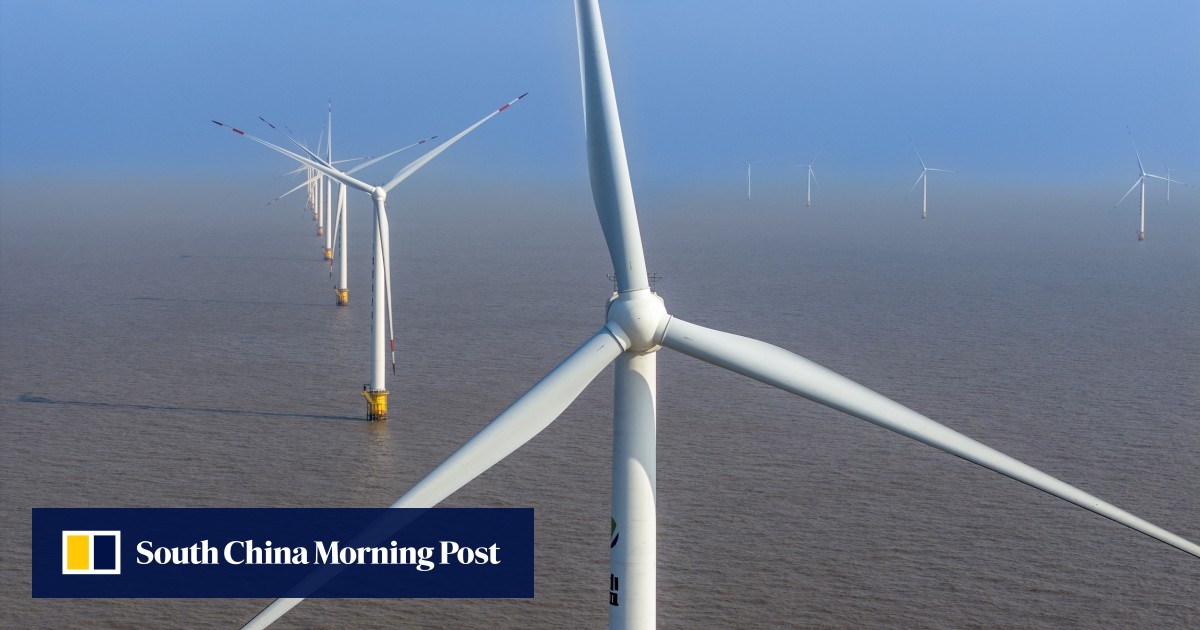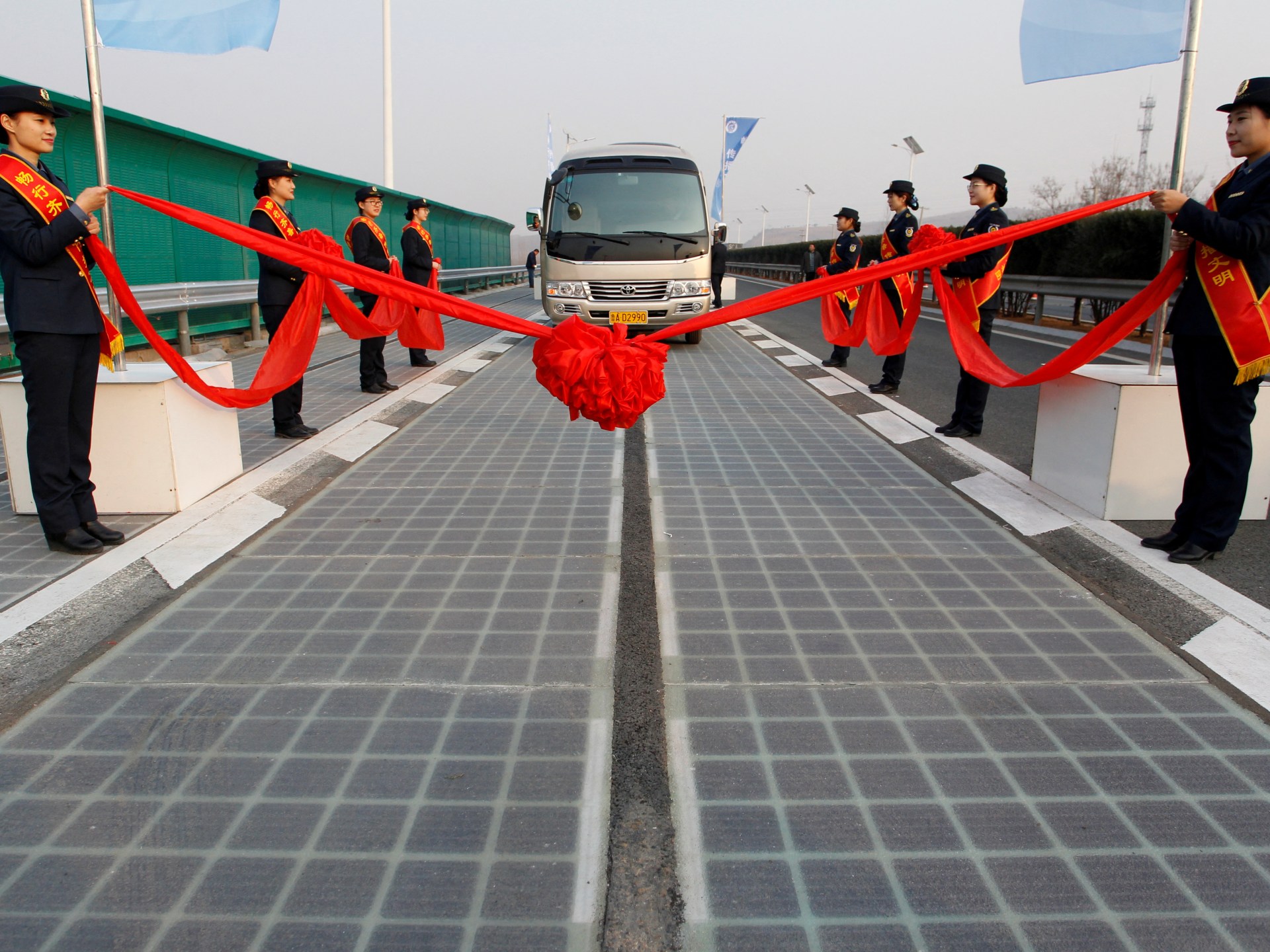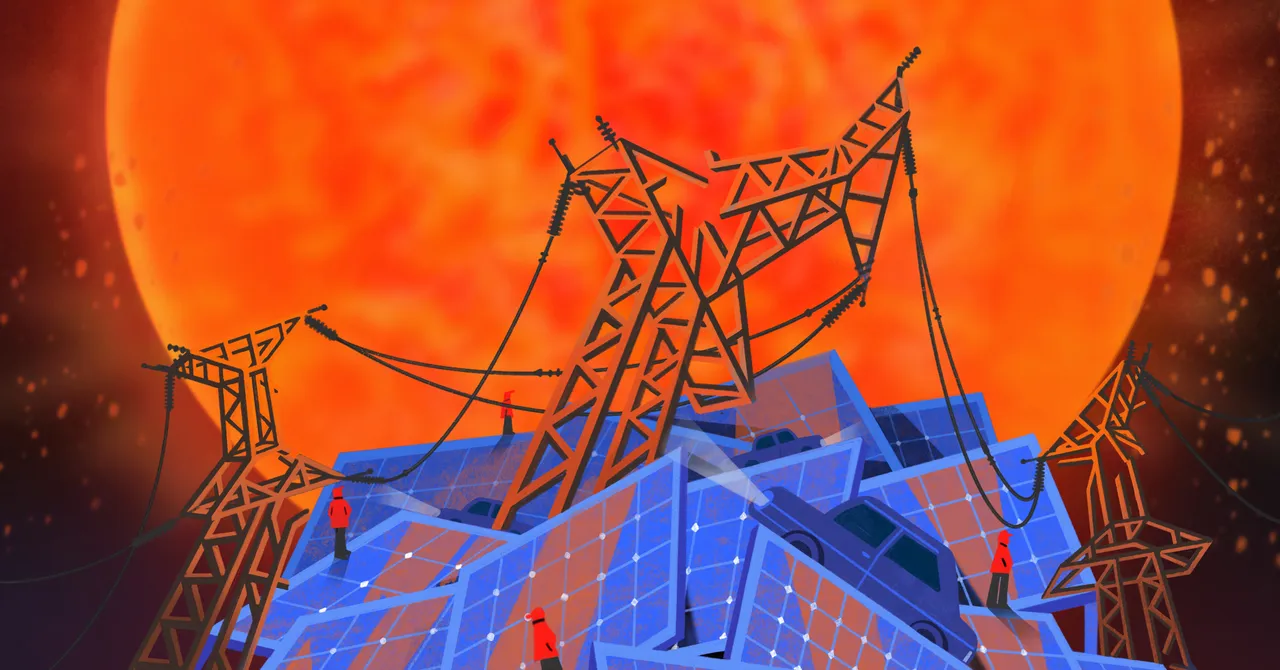
There’s a particular kind of sci-fi nerd who equates fusion tech with utopia. If we could only harness the engine of the stars, it would uncork near limitless energy and neatly sweep away a whole mess of humanity’s problems. But how would that work exactly? What would the transition look like?You don’t have to wonder. It’s happening now. Solar panels and wind turbines capture the fusion of the sun and convert it to electricity. And at the scale and pace that China is producing them, plenty of things stand to be swept away—including, quite possibly, the once seemingly intractable problems of energy poverty and fossil-fuel dependence. In 2024, the total installed electricity capacity of the planet—every coal, gas, hydro, and nuclear plant and all of the renewables—was about 10 terawatts. The Chinese solar supply chain can now pump out 1 terawatt of panels every year.In China itself, vast energy megabases combining solar and wind stretch for miles in the country’s western deserts and Tibetan highlands, each producing the power of multiple nuclear plants and connecting to population centers in the country’s east via ultrahigh-voltage power lines. At the smaller end of the scale, panels have sprouted on rooftops all over the more populated eastern half of the country, thanks to policies that standardize the process and paperwork required to install and tie them into the grid. Huge factories, urban apartment buildings, and humble village homes are plastered with panels. In Europe, Chinese-made photovoltaic panels are so cheap that they cost less than fencing materials. Globally, the glut of solar has lowered the average cost of generating electricity to 4 cents a kilowatt hour—perhaps the cheapest form of energy ever.By now, major headlines have begun to catch on to the reality that China’s renewable energy revolution is one of the biggest stories in the world, while Donald Trump’s anti-renewable vision of American energy dominance is a backward sideshow by comparison. But chroniclers of this green tech revolution almost always understate its chaos. At this point, it is far less a tightly managed, top-down creation of state subsidies than a runaway train of competition. The resulting, onrushing utopia is anything but neat. It is a panorama of coal communities decimated, price wars sweeping across one market after another, and electrical grids destabilizing as they become more central to the energy system. And absolutely no one—least of all some monolithic “China” at the control switch—knows how to deal with its repercussions.In the United States, 2024 was a record-breaking year for solar. Across the entire country, those 12 months saw some 50 gigawatts of new solar capacity added. (Solar projects are typically measured by their power output, not their square footage.)Now consider some different numbers, for scale and contrast. In China, the first three months of 2025 alone saw 60 gigawatts of new solar capacity added to the national grid. Then April packed in 45 more gigawatts. Finally, May added an eye-watering 92 gigawatts of new capacity, or 3 gigawatts every day.The reason for this brain-warping mad dash of solar development? At the start of 2025—in an attempt to rein in the renewables sector—Beijing announced that it would discontinue a long-standing policy that had effectively propped up renewable energy prices, pegging them to that of the “baseline” coal power in each province. Any solar capacity that went in after May 2025, Beijing declared, would no longer get this deal. So the all-out solar installation frenzy was simply a mass attempt to get in under the old terms.After May, sure enough, new solar deployments plummeted. The ensuing four months each added just 10 gigawatts of new solar on average, half of the prior year’s pace—but that’s still considerably faster than America at its peak.In China, one problem with all this burgeoning, majestic new solar is that it’s completely overwhelming the national electrical grid, technically and economically. For electricity markets to work, grid managers must constantly balance supply and demand—but the former can’t always be throttled back when it exceeds the latter. Nuclear power plants can’t just be switched on and off whenever solar power floods the grid. And some Chinese coal plants provide heat to communities through steam—so they need to run even if the electricity they generate is superfluous.One perverse result of all this energetic over-supply is that a lot of solar power simply gets wasted, or “curtailed,” to make way for dirty forms of energy that are harder to turn off. Another is that the inherently intermittent power of renewables simply makes it more challenging for managers to keep the grid stable. In August 2024, in China’s far western region of Xinjiang—where the renewables build-out is at its most grandiose—poorly handled voltage fluctuations from solar and wind caused a regional blackout and even threatened the national electrical system, according to the South China Morning Post.As challenging as the glut is to manage at the technical level, its economics are even more vexing. As Econ 101 teaches, prices go down when supply rises faster than demand. But in most markets, there’s an end point to this process: free. Electricity markets are different. Some power-generating entities (like the aforementioned coal and nuclear plants) are so loath to ramp down their production that they offer to pay for the privilege of continuing to generate power. This, combined with the absolute imperative to keep the grid balanced, can create negative prices, which have become common in China’s heavily populated Shandong Province. It’s an untenable situation, but energy-hungry industrial firms are happy to milk it. Decades ago, the metals giant Weiqiao Aluminum left the Shandong grid in favor of running its own captive coal fleet to power its smelters; this past year it plugged back into the grid to take advantage of cheaper rates coming from green tech.What’s more, Chinese solar manufacturers—who, if you’ll remember, might just be saving the world—are not even making money for their troubles. They’re struggling to survive a gauntlet of competition. At the root of the solar supply chain are makers of polysilicon, the purified silicon substrate base of panels. Oversupply of this product has caused prices and profits to collapse. The Chinese government has tried to get supply under control by pushing the strongest polysilicon firms to form a cartel and squeeze out lesser players who refuse to exit the market. But so far, this seems to be a long shot.Workers in Zhejiang Province manufacture solar infrastructure to be exported to Southeast Asia.
China’s Renewable Energy Revolution Is a Huge Mess That Might Save the World
A global onslaught of cheap Chinese green power is upending everything in its path. No one is ready for its repercussions.
2,465 words~11 min read