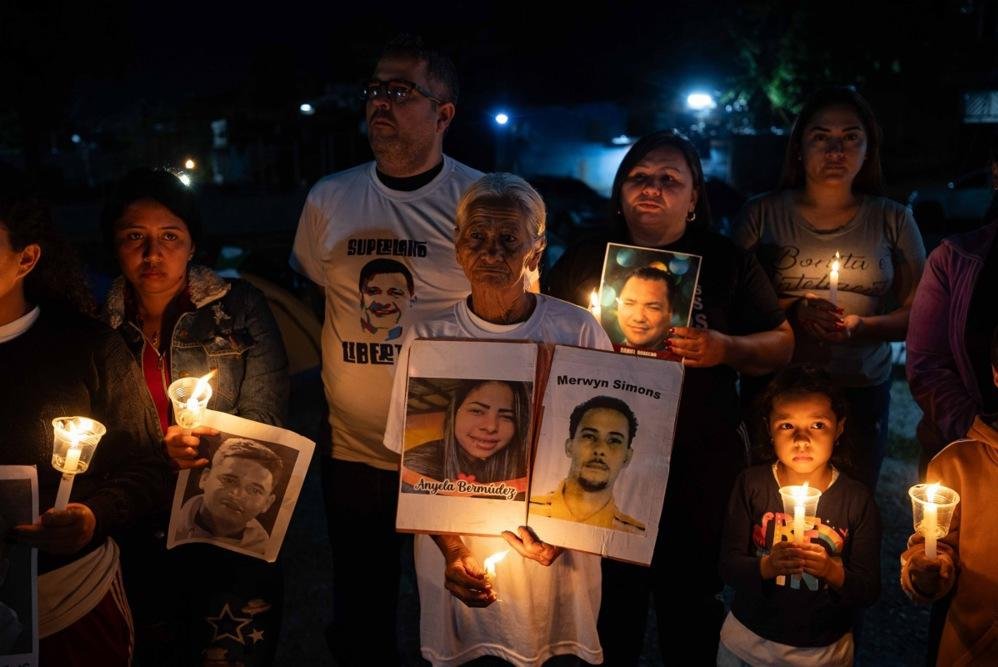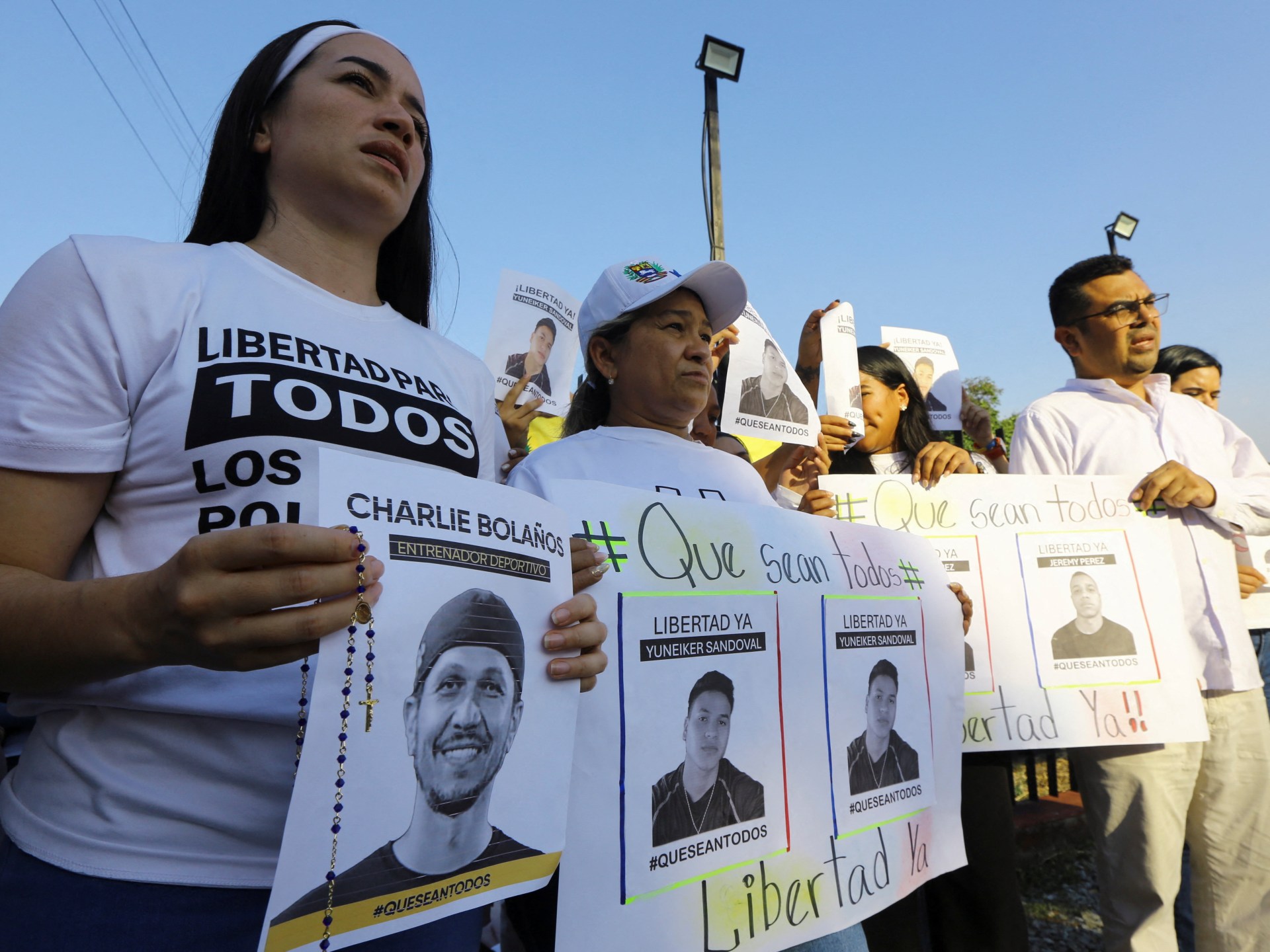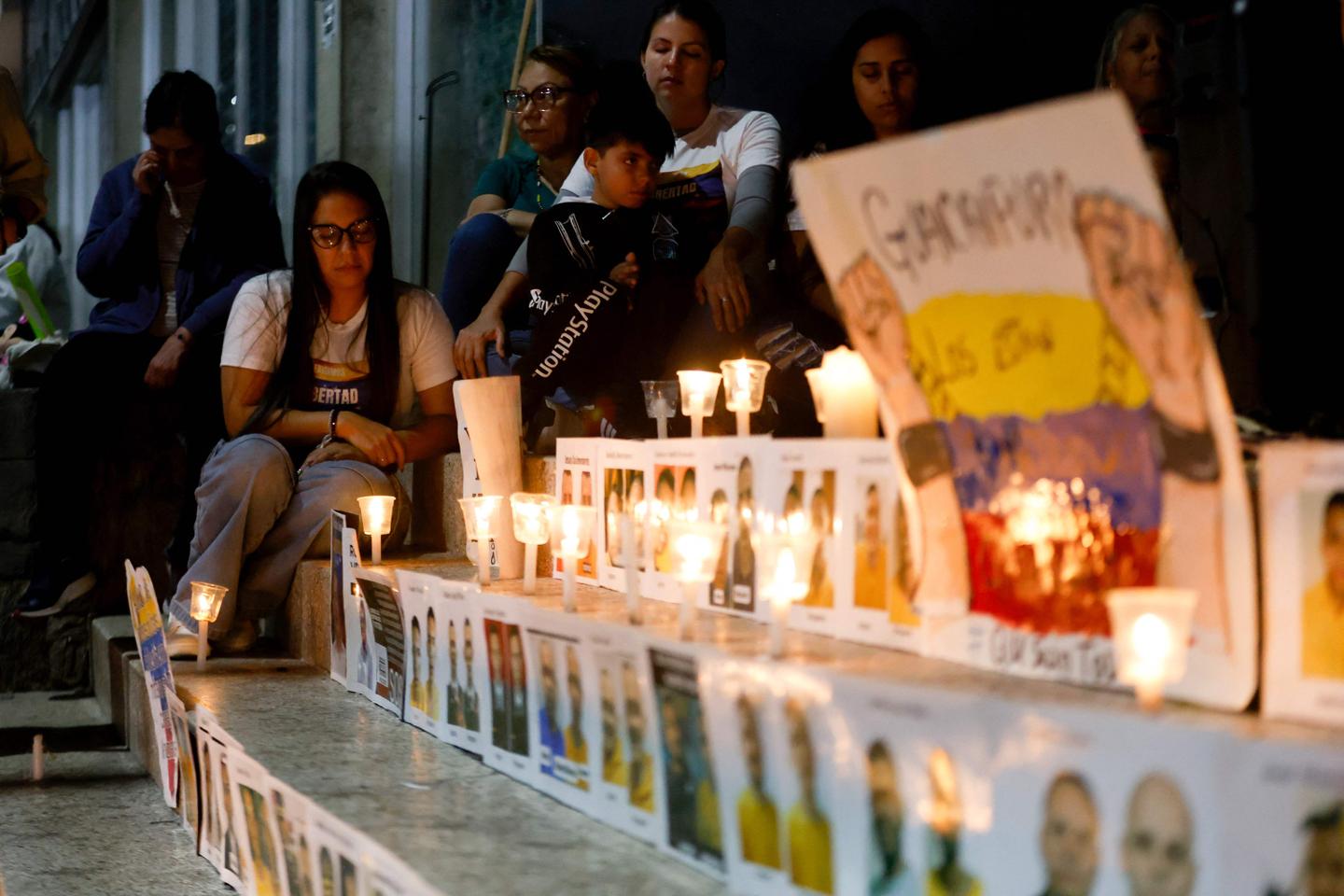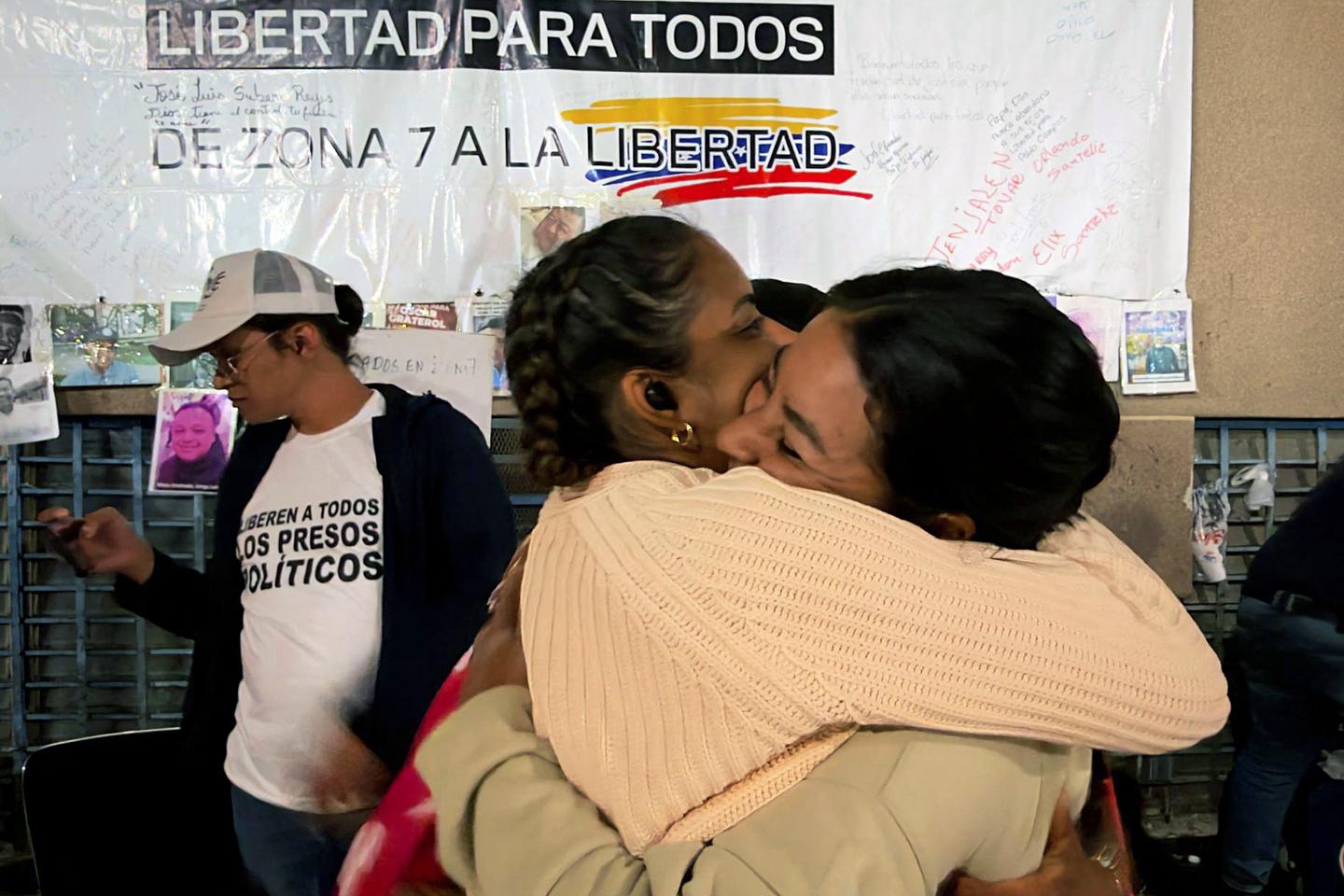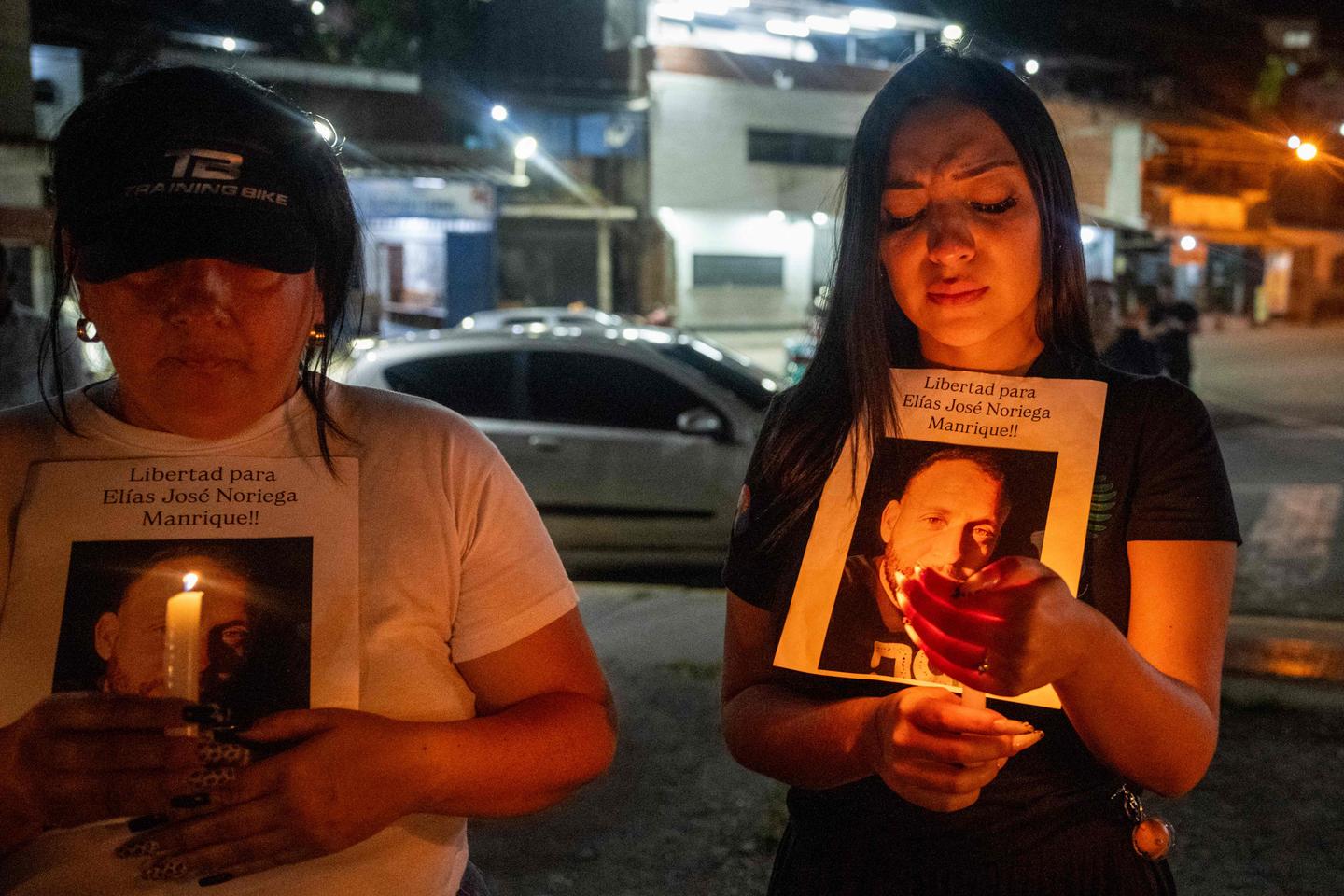
Vigil demanding the release of political prisoners outside Place Rodeo I prison, on the outskirts of Guatire, Venezuela, February 22, 2026. MARYORIN MENDEZ/AFP
Two hundred Venezuelan inmates began a hunger strike on Sunday, February 22, to protest their detention conditions and to demand inclusion under the amnesty law passed three days earlier by the National Assembly. The protest started at the Rodeo I penitentiary center, about 40 kilometers to the East of Caracas.
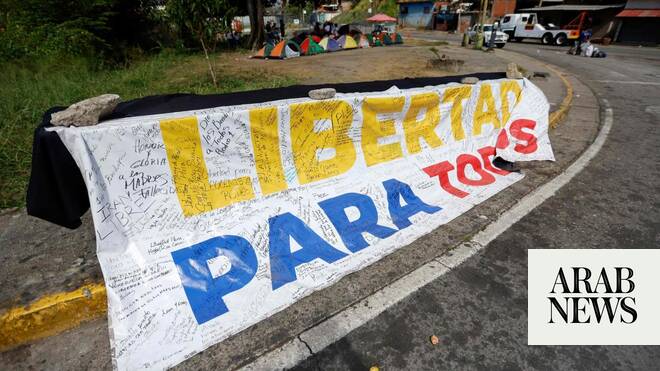
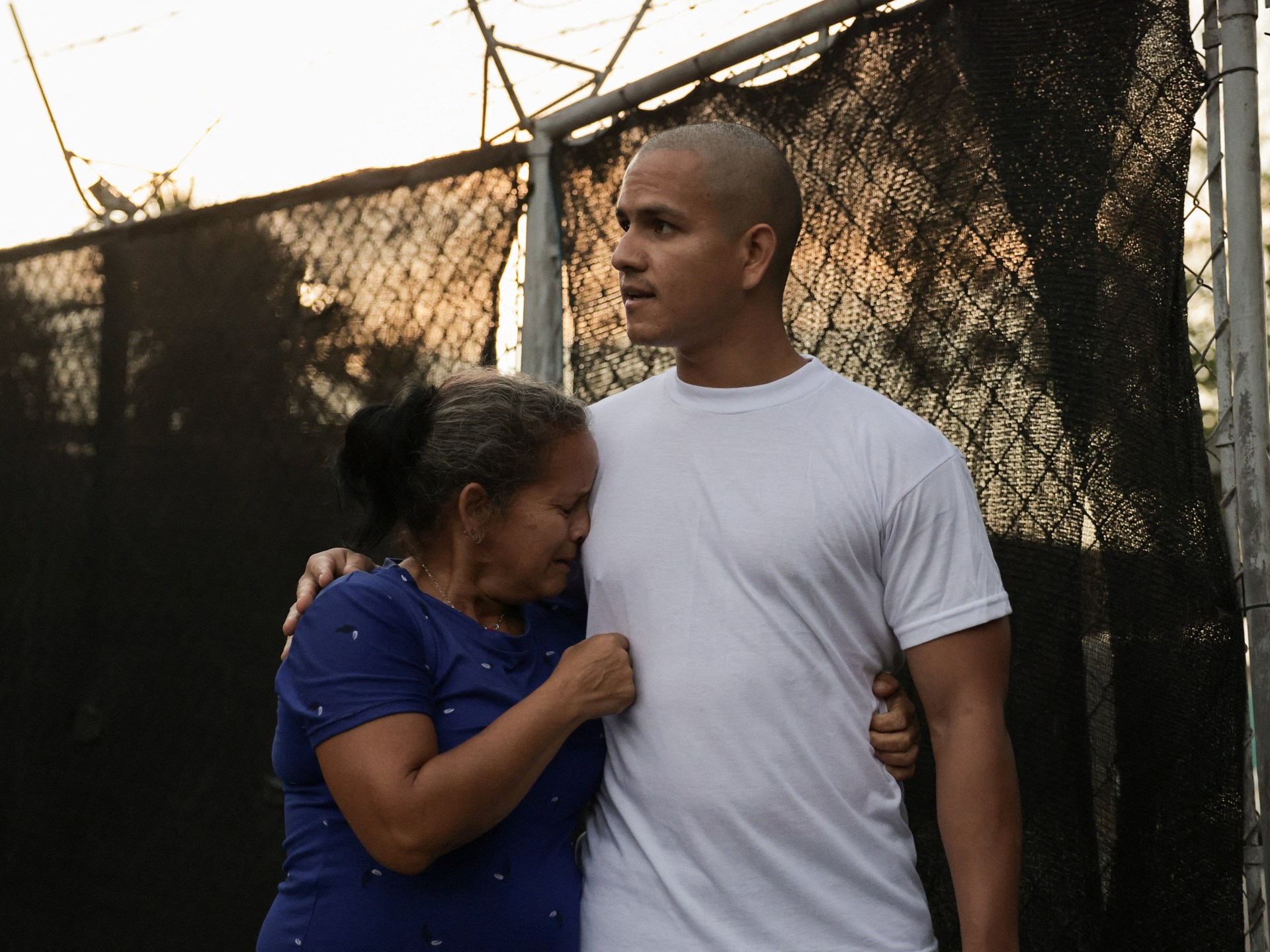
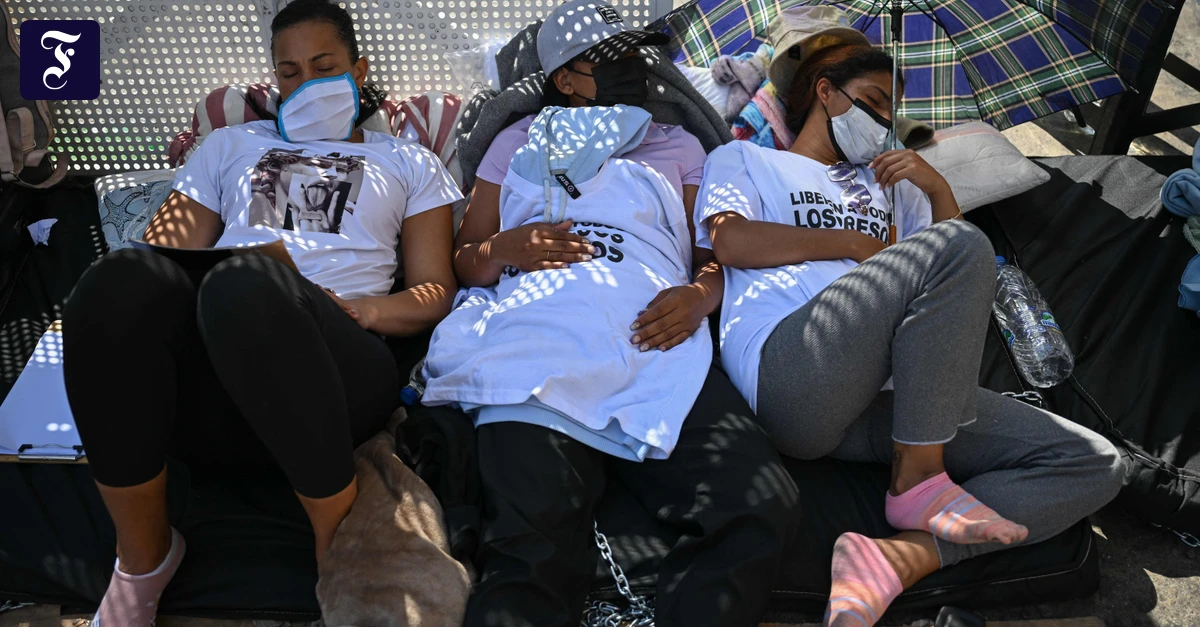
"Most of the inmates held here are not covered by the amnesty law," Shakira Ibarreto, the daughter of a police officer arrested in 2024, told the press. In front of the gates of Rodeo I, as at all prisons in the country, families have been waiting for days for the release of their loved ones.
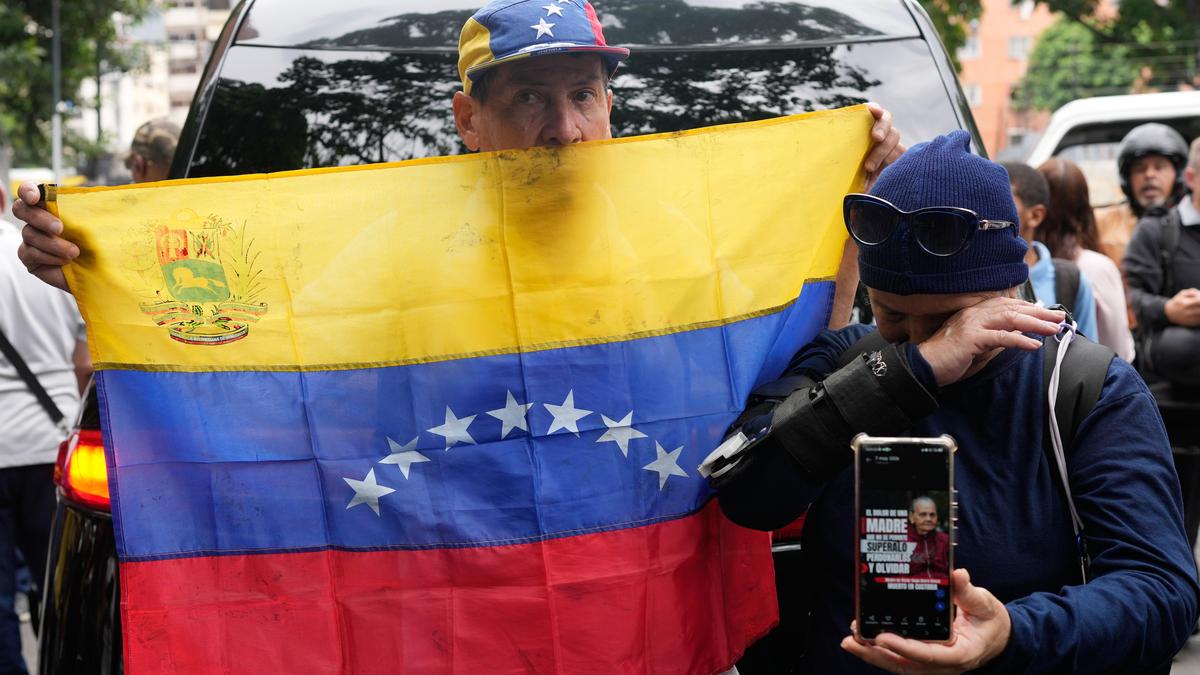
As the political transition following the capture of Venezuelan President Nicolas Maduro by US special forces on January 3 has progressed slowly, the issue of political prisoners has continued to dominate public debate. According to the non-governmental organization Foro Penal, 464 prisoners have been released since the US raid and the placing of the Chavista government under Washington's supervision, including 54 since the amnesty law was passed on February 19.