Yoshua Bengio, like many participants at India’s AI Impact Summit, was running late.
By 6 p.m., the New Delhi roads were too gridlocked for the deep-learning pioneer, known as one of the “godfathers” of AI, to successfully make it to an event discussing the international AI safety report he’d chaired. Instead, he delivered his address to a group gathered at the Canadian embassy via a blurry video link.
“We were stuck in a roadblock for 45 minutes,” Bengio explained amid apologies, adding that he’d had to reroute to ensure he didn’t miss a dinner with the Indian prime minister. Bengio did, at least, make it to the dinner, unlike Sara Hooker, CEO of Adaption Labs, who wasn’t quite so lucky.
“[I] got stuck in traffic getting back to the venue after I changed into gala attire,” Hooker said in a social media post. “Would have been honored to attend. But after 4 hours in traffic I was equally honored to sit down to really excellent room service at 11 pm.”
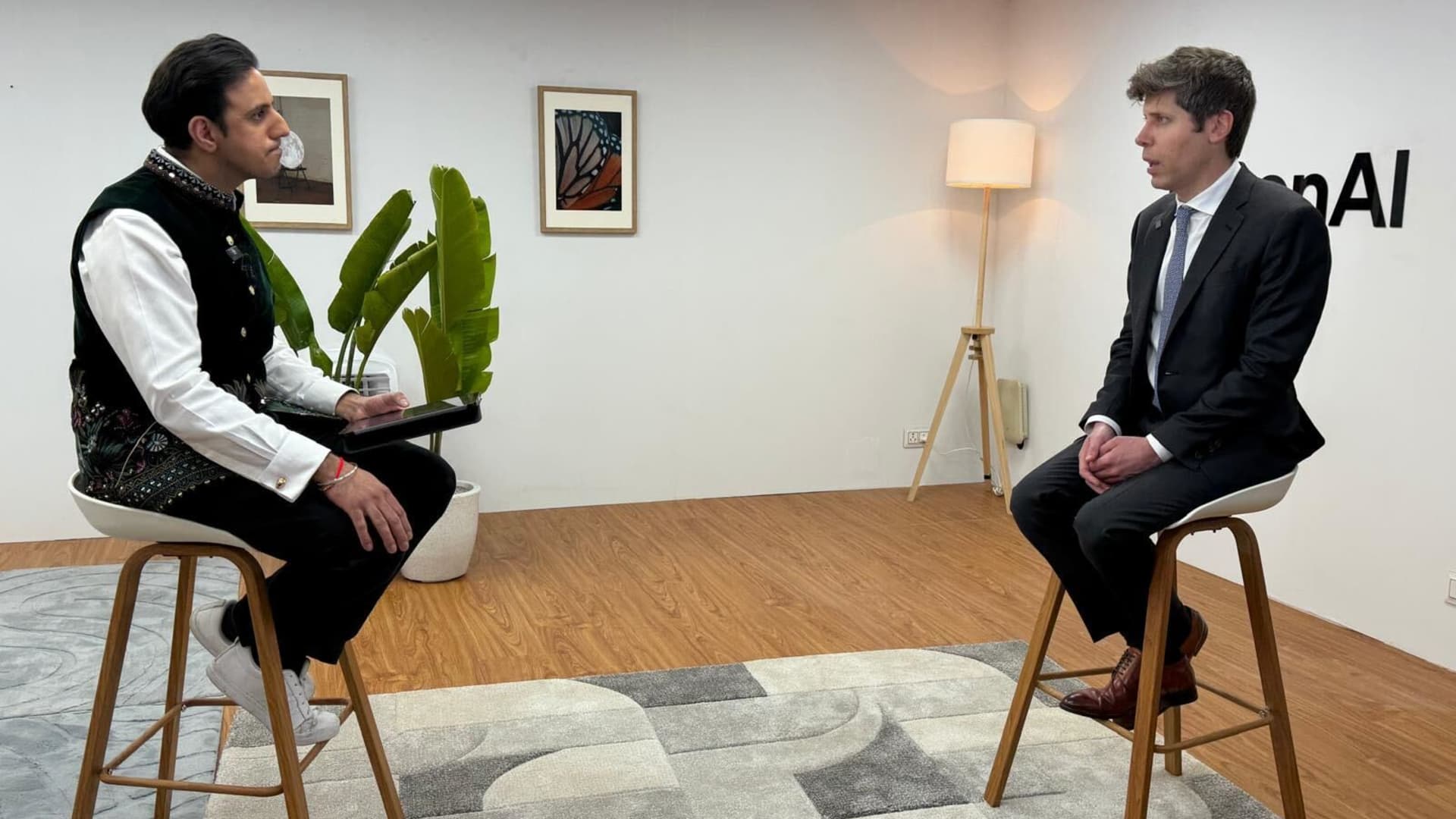
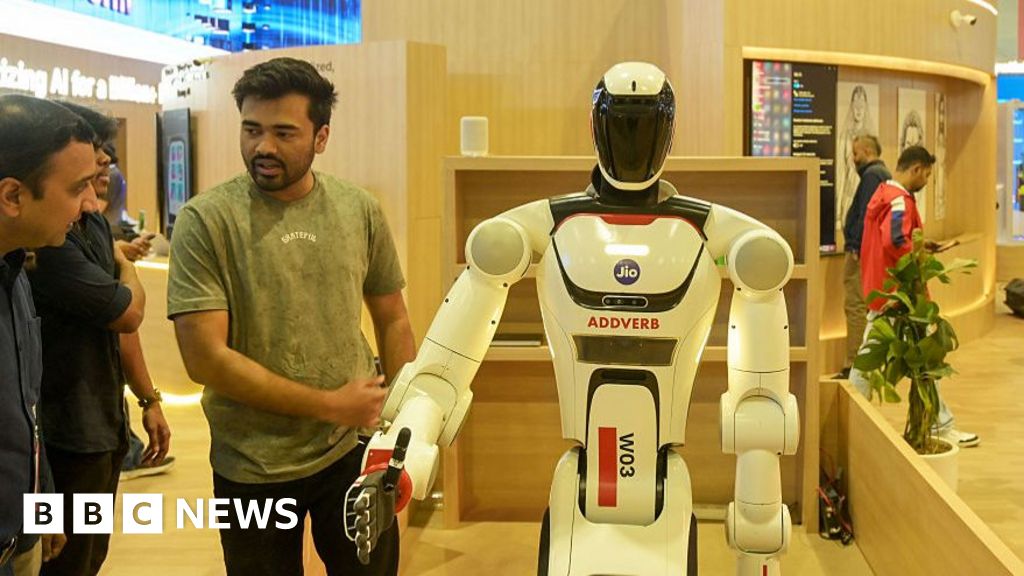
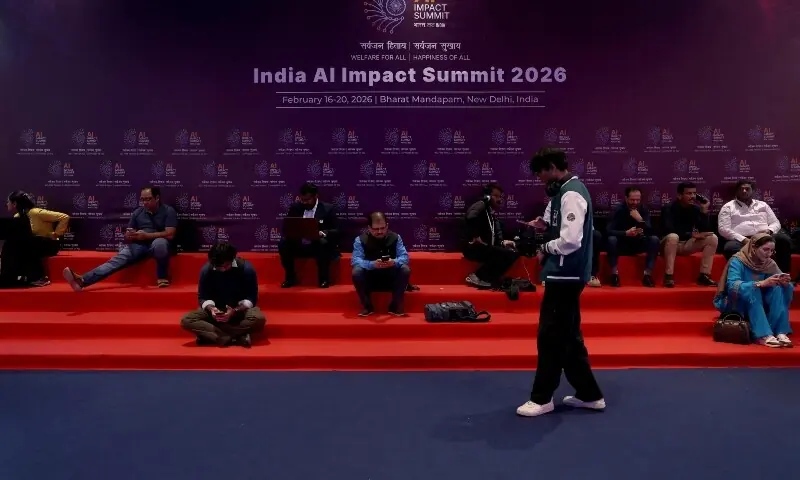
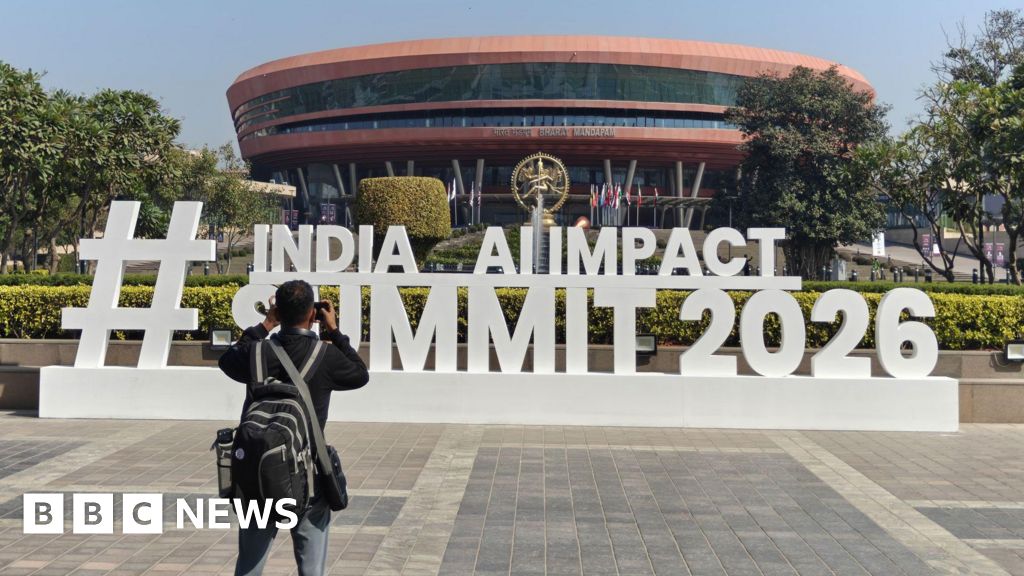
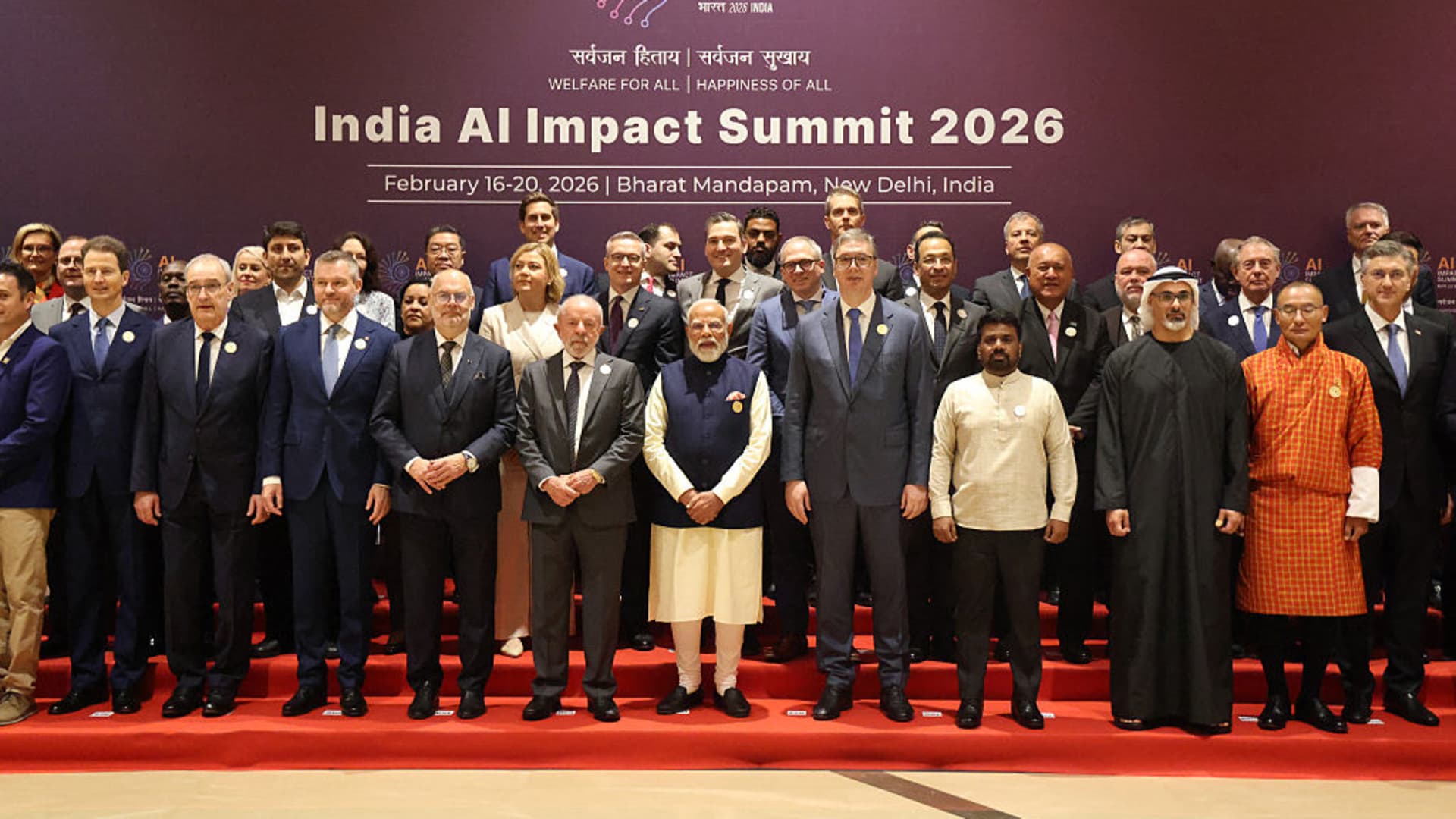
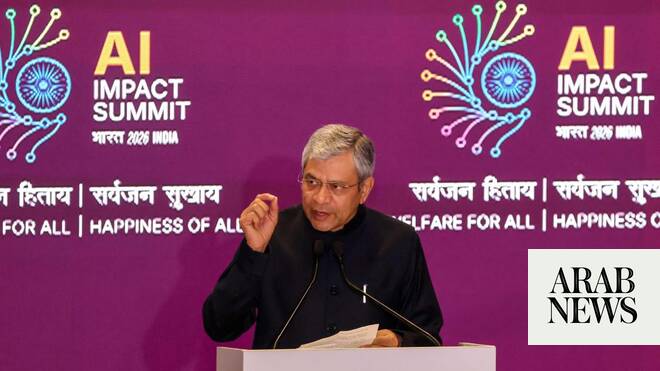
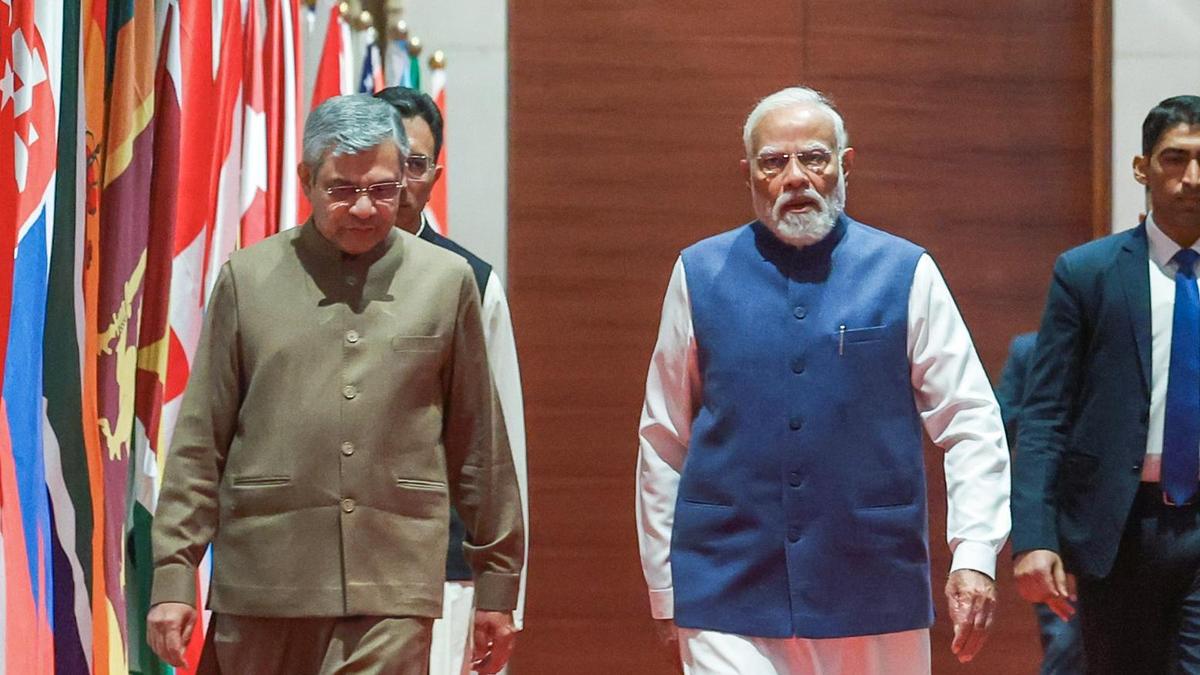
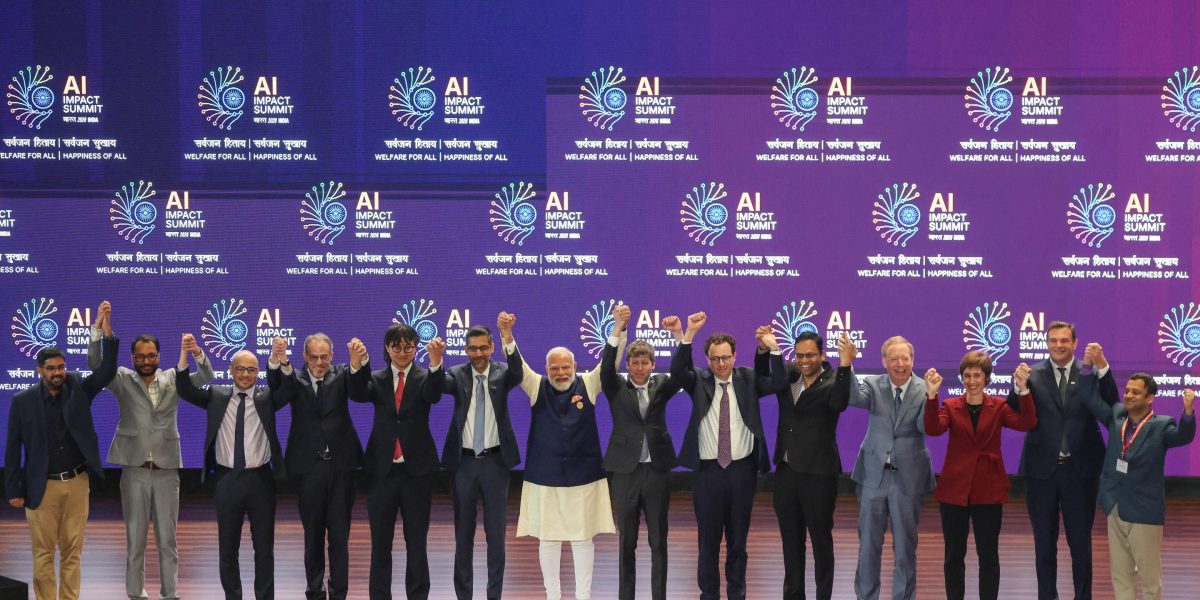
The logistical chaos was a fitting background for the week, which was a mix of investment announcements, gridlocked international diplomacy, and people stuck in actual traffic jams. India’s AI Impact Summit was the fourth in a series of global AI summits—following those held at Bletchley Park in the U.K., Seoul, and Paris—and the first to be held in the Global South. More than 20 heads of state, the CEOs of the world’s leading AI companies, and delegates from over 80 countries had gathered in New Delhi with the hope of forging a credible path for middle powers to shape the AI era, and to ensure that the technology’s benefits don’t remain concentrated among a handful of American and Chinese companies.