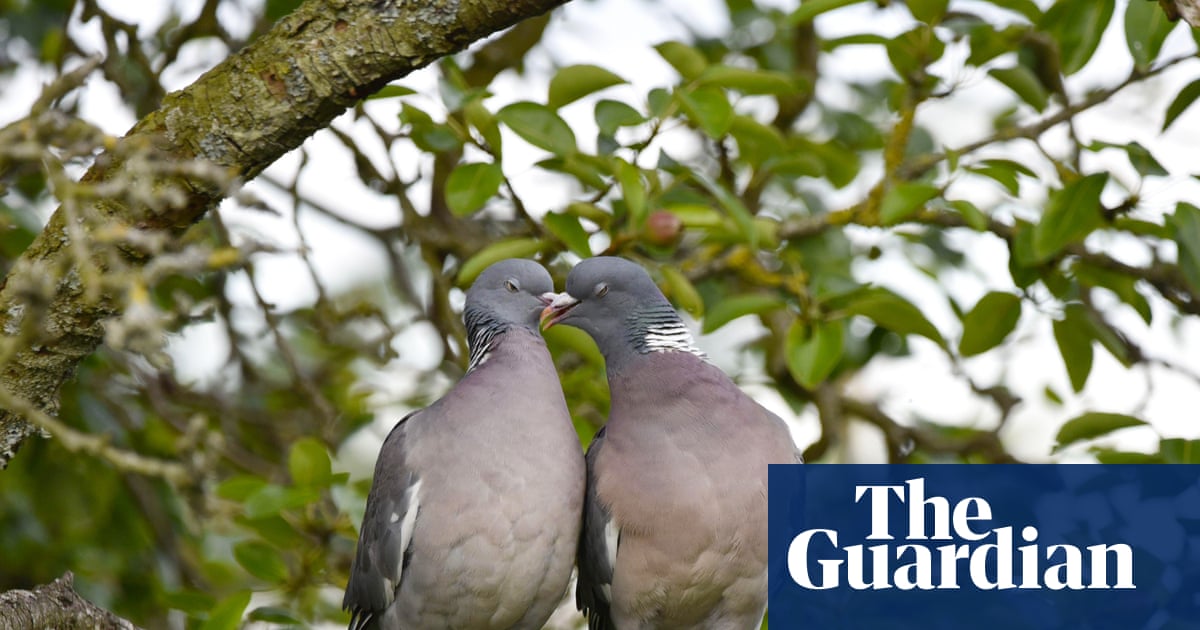
Caistor St Edmund, Norfolk: I can’t tell which birds are male and which are female and, it turns out, neither can they. There is a system, though
T
he flock of 50 or so pigeons lifts from the barn roof as one. The loud clapping of wings makes the horses jump, even though this happens several times a day. I scan the sky for a peregrine but can’t see signs of danger. They swirl once, then settle back on to the corrugated metal roof.
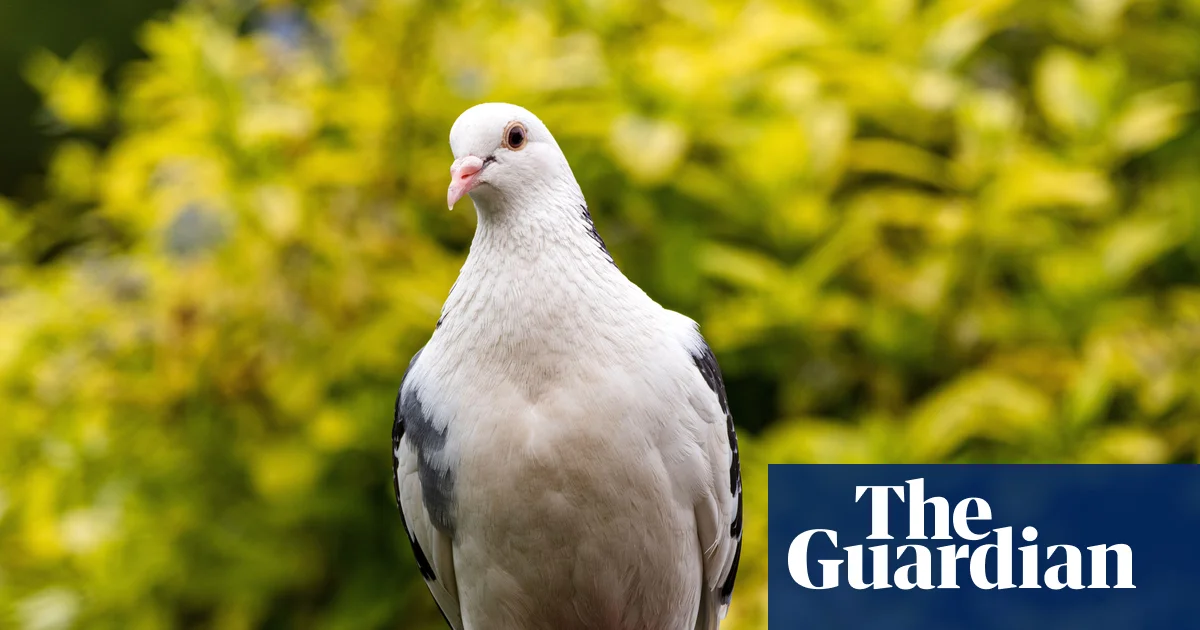
These farmyard pigeons are a mix of feral and wood pigeons that hang out happily together. The group will reduce soon. Some of the wood pigeons are probably continental winter migrants who will depart. The remaining males will then leave the communal roost and set up territory ready for the breeding season. Each will defend its area diligently, with that resonant, repetitive cooing.
But defence is only effective if targeted. They need to know if an intruder to their territory is a male trespasser, or a prospective mate. I can’t tell by looking which wood pigeons are male and which are female and, it turns out, neither can they. There is a system, though. To determine gender, the female adopts a submissive posture, with her head and back horizontal, while the male performs a bowing dance, with tail fanned and raised. So far, so Bridgerton.