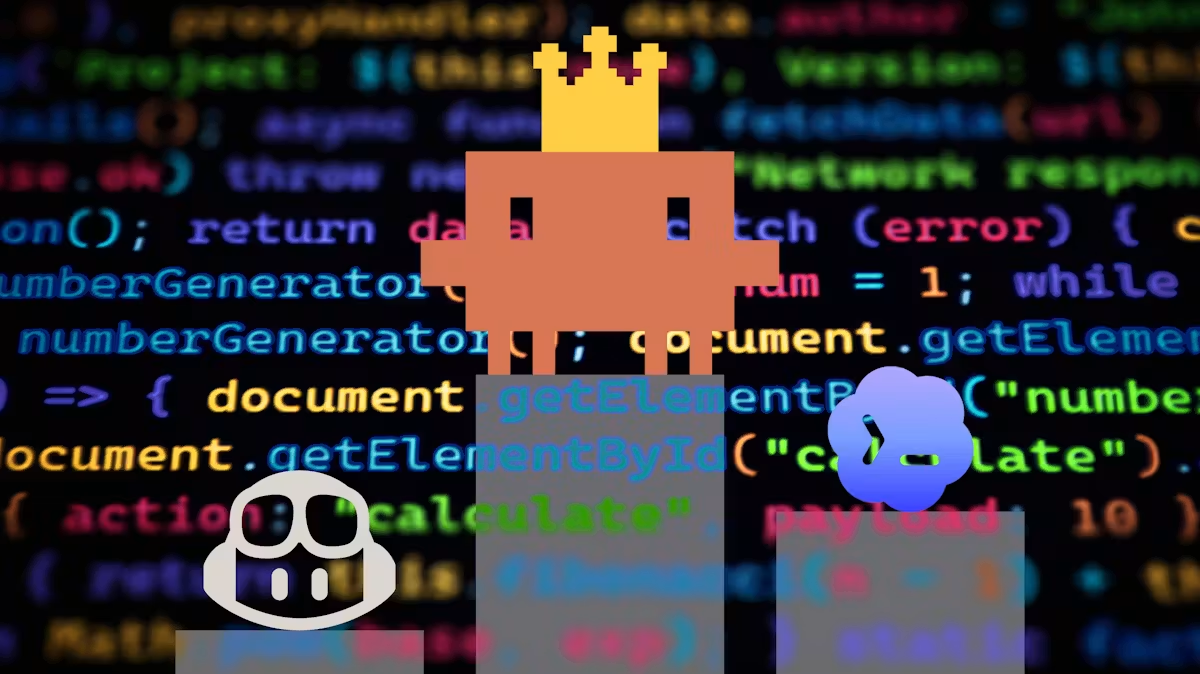
In the early hours of February 5, 2026, Anthropic unveiled Claude Opus 4.6, sending shockwaves from Silicon Valley to Manhattan. Software stocks plummeted despite strong earnings. Even Bitcoin tanked as investors fled to stable assets.
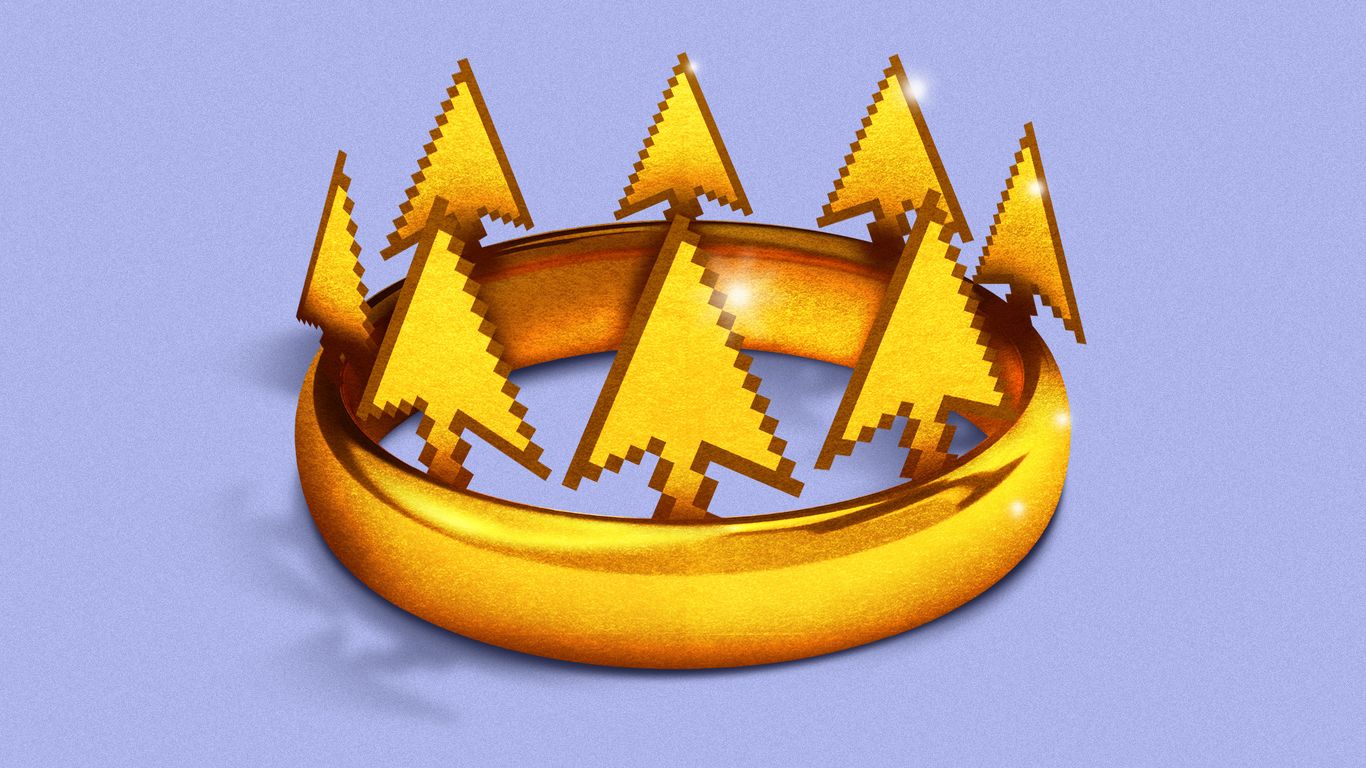
The Anthropic news signaled a broader threat: AI models are pushing into the application layer, destroying moats and forcing companies to rethink business models. If that feels familiar, that’s because we have been here before. In November 2022 ChatGPT made investors question even whether companies like Google had a future. In January 2025, China’s DeepSeek challenged the entire American approach to AI, which relied on costly cutting-edge hardware. The stocks of AI-powerhouses like NVIDIA took a beating. To say that both Google and NVIDIA have been doing fine since then would be an understatement. But this is not the reason why the recent panic is overblown.
Technology companies are driven by two types of cycles. The classic macroeconomic business cycle – recession, recovery, expansion, and slowdown – and various technology cycles. The latter ones describe phases of technological progress, hype, and adoption. Technology cycles are longer and eventually more important for investors. While the macroeconomic mood can cause hefty share price swings and temporarily limit access to capital, its impact is comparably short-lived. Moreover, in the tech world the macro often has little impact on the bottom line. Corporations will always spend on laptops for their employees and they will keep their firewalls up, no matter how the GDP is doing and what the FED decides.