Talks and arms, these are the two pillars of the US strategy toward Iran. On the one hand, negotiations over Iran's nuclear program made progress. On Tuesday, February 17, in Geneva, the two sides agreed on guiding principles after what were described as "constructive" discussions.
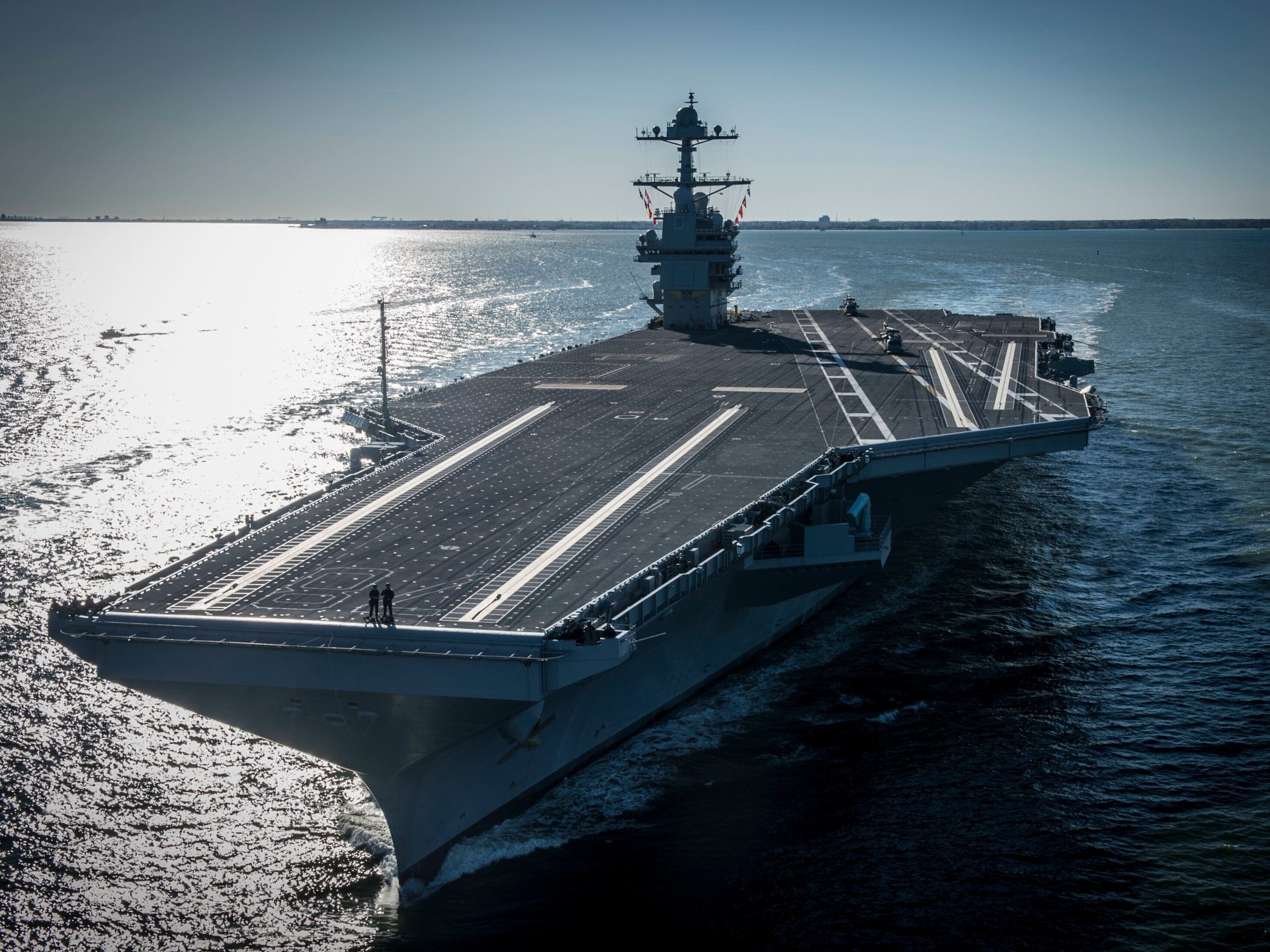
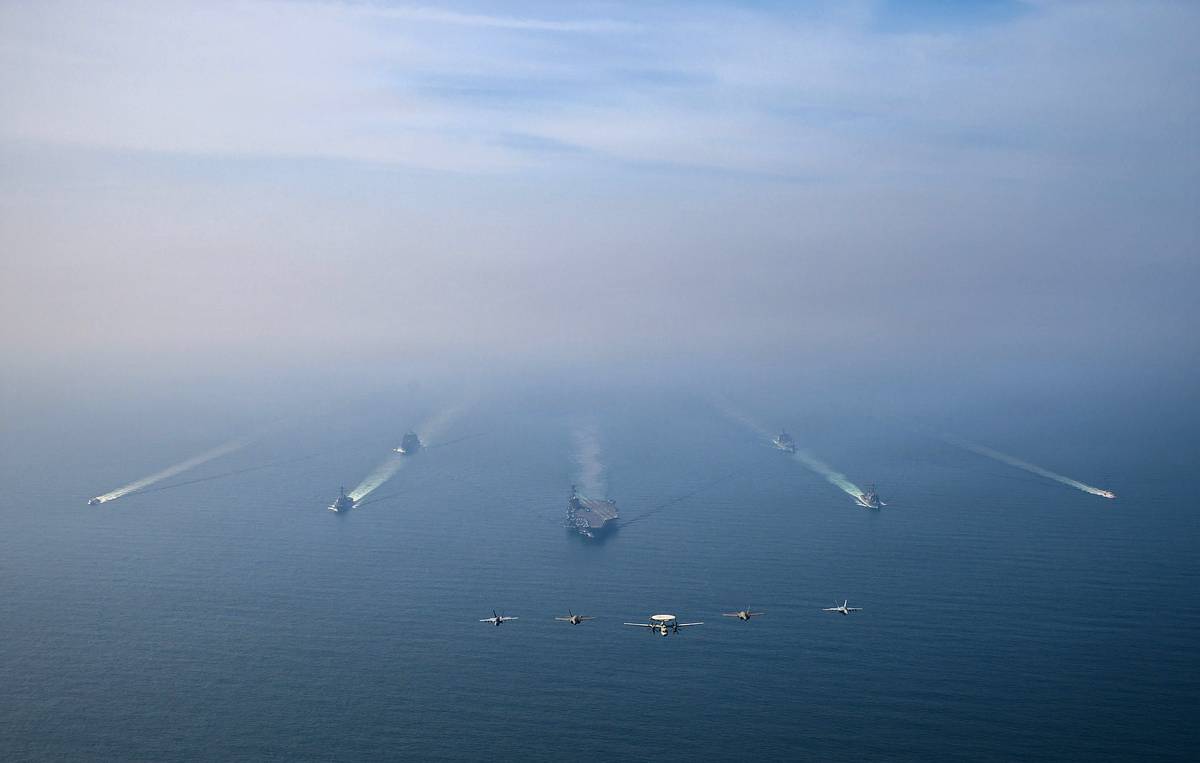
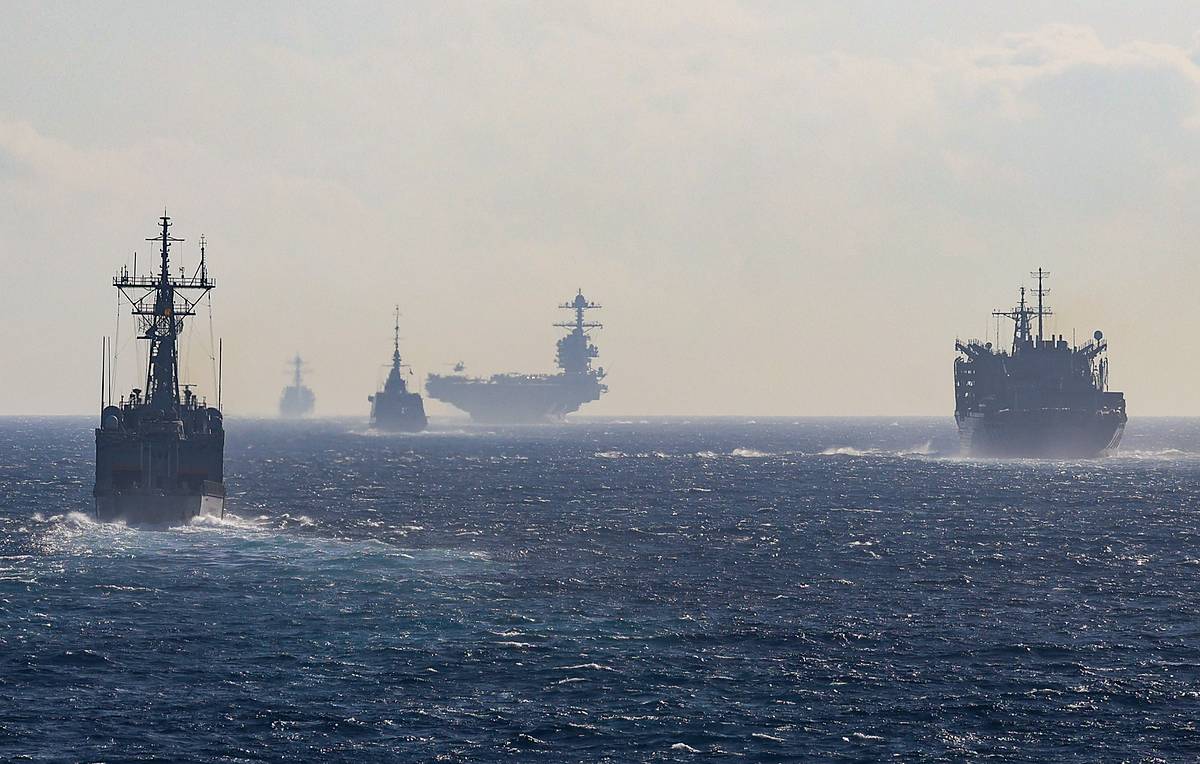
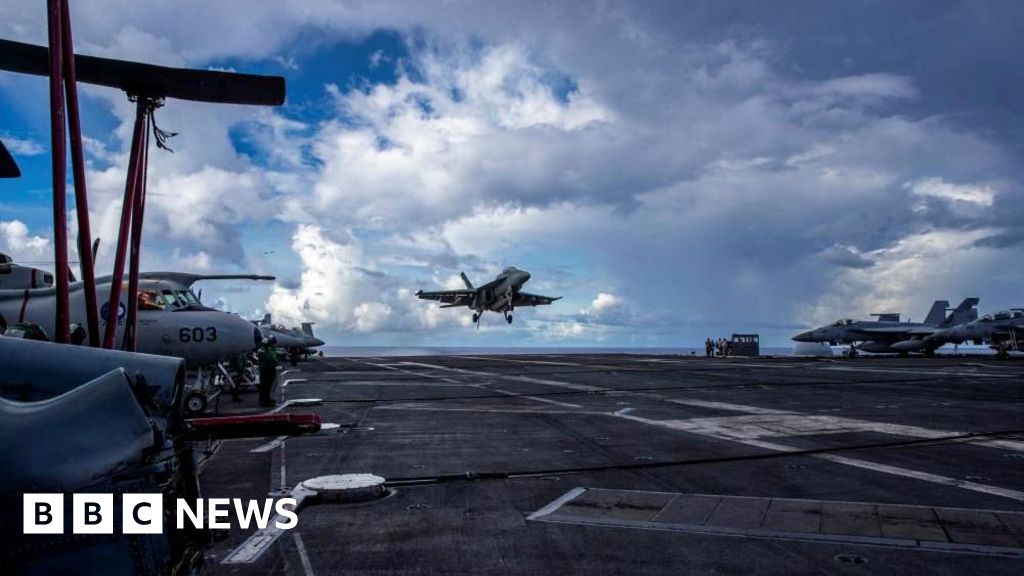
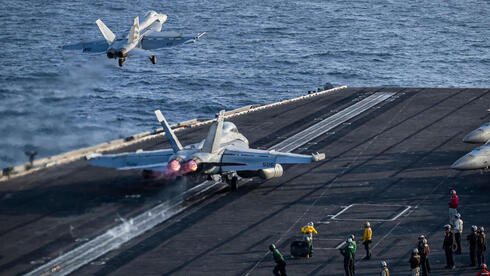
On the other, according to several experts, US President Donald Trump has been sending military assets to the Islamic Republic's doorstep at an increasing pace, in proportions unseen since the 2003 invasion of Iraq. In an interview with the Associated Press (AP), Seth Jones of the Center for Strategic and International Studies said that the difference this time is that Washington is prioritizing air and naval forces and does not appear to be deploying significant ground troops.
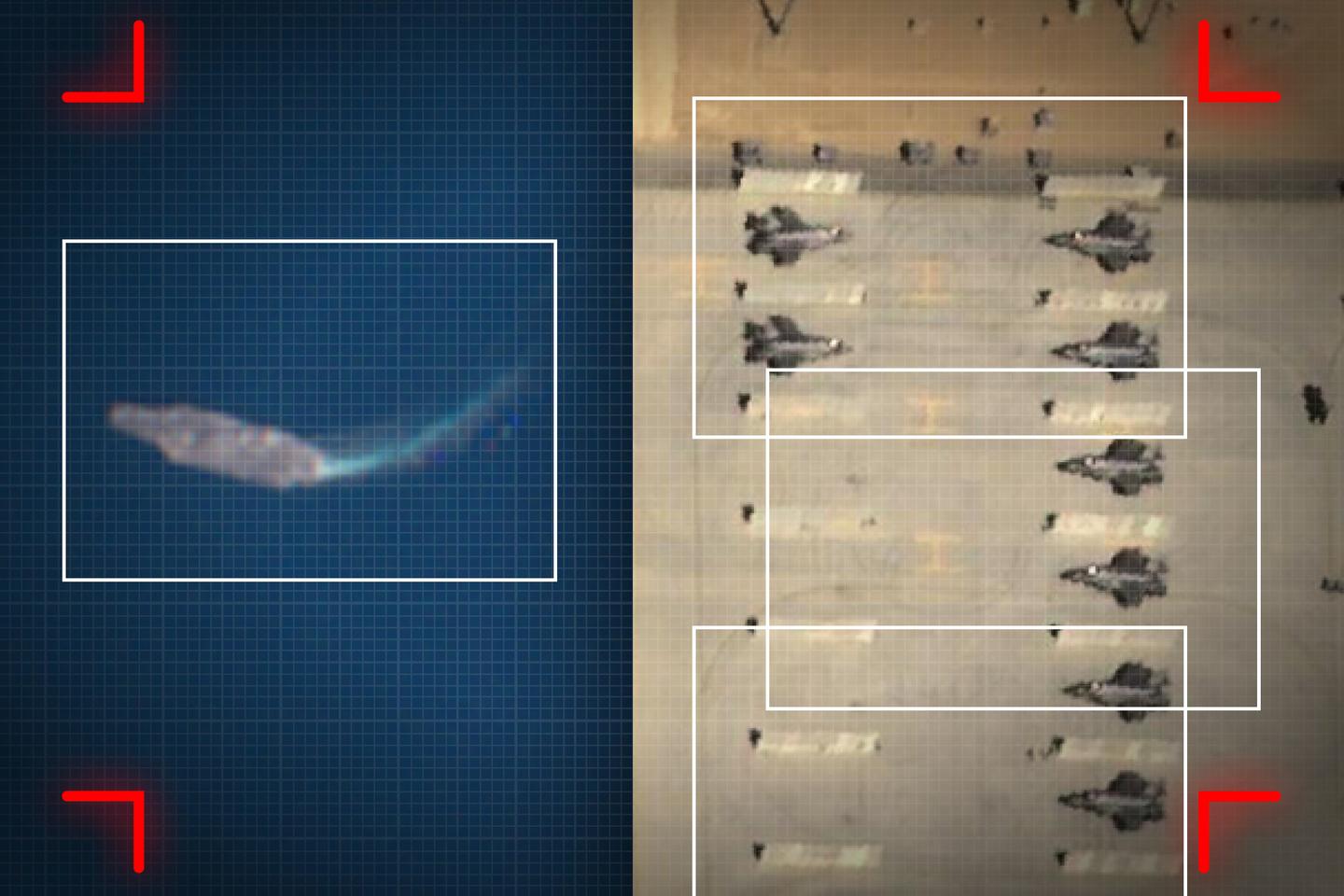
The reluctance of Washington's allies to support another military intervention has not changed the situation; fighter jets continue to arrive in increasing numbers on their soil. On February 18, satellite images from Planet Labs reviewed by Le Monde showed 30 such aircraft, including Growlers, F-15s and F-35s, at Muwaffaq Salti Air Base in Jordan. Two days later, their number had almost doubled to 59, according to Airbus images partially assembled below.