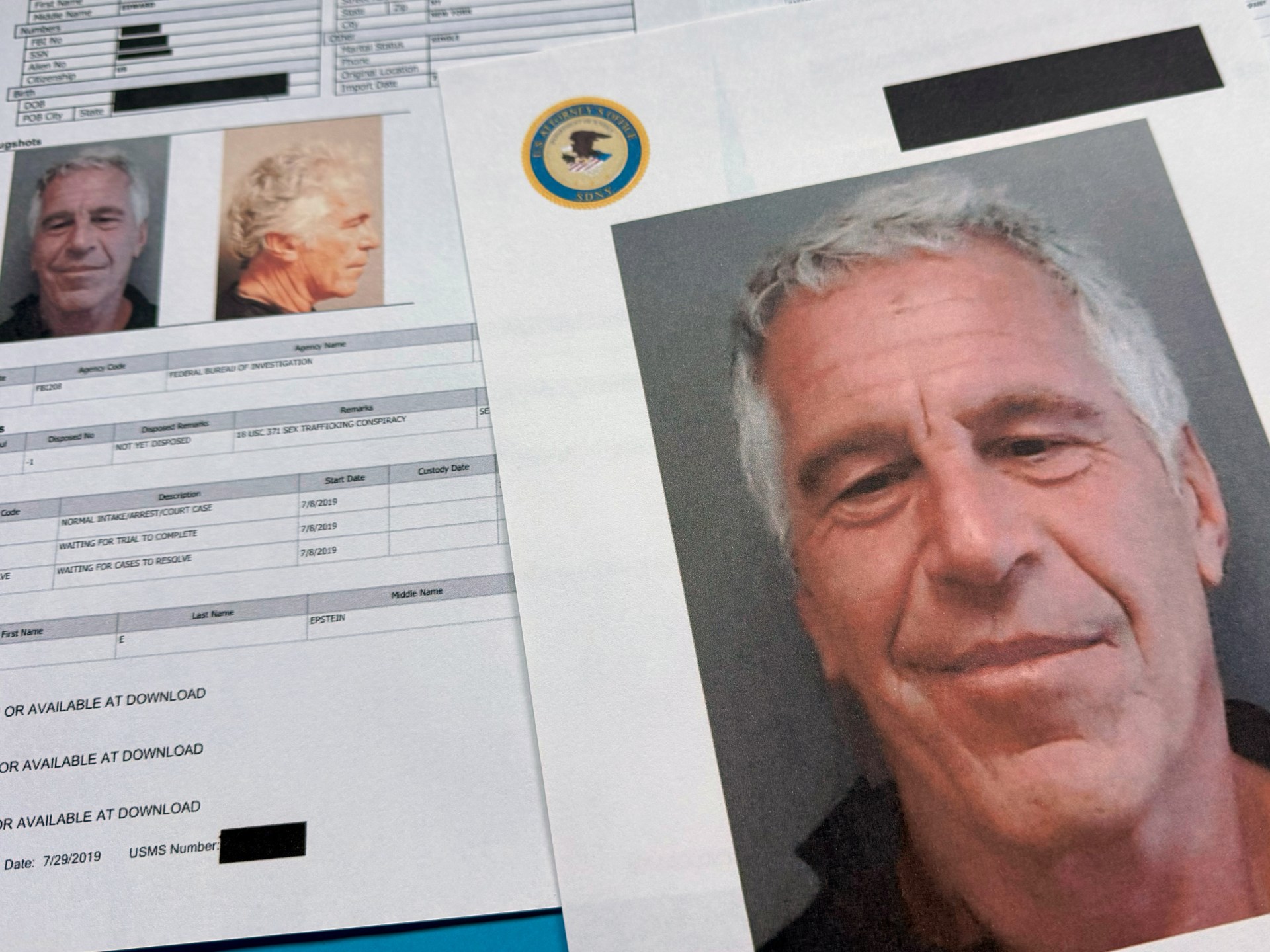
In Britain, the establishment has been shaken to the core by the files. In the US, however, ‘the Epstein class’ has faced little legal or political reckoning
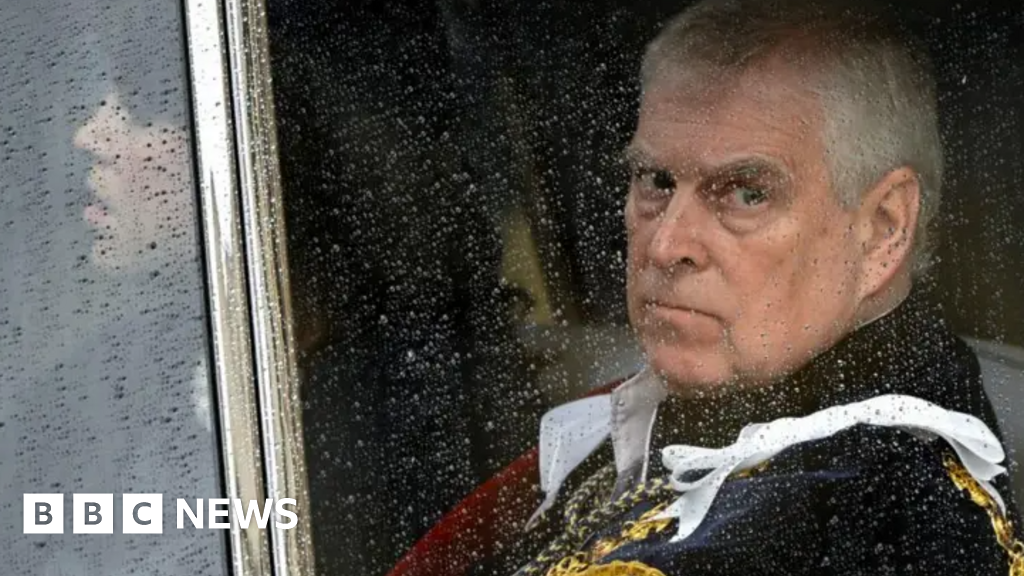
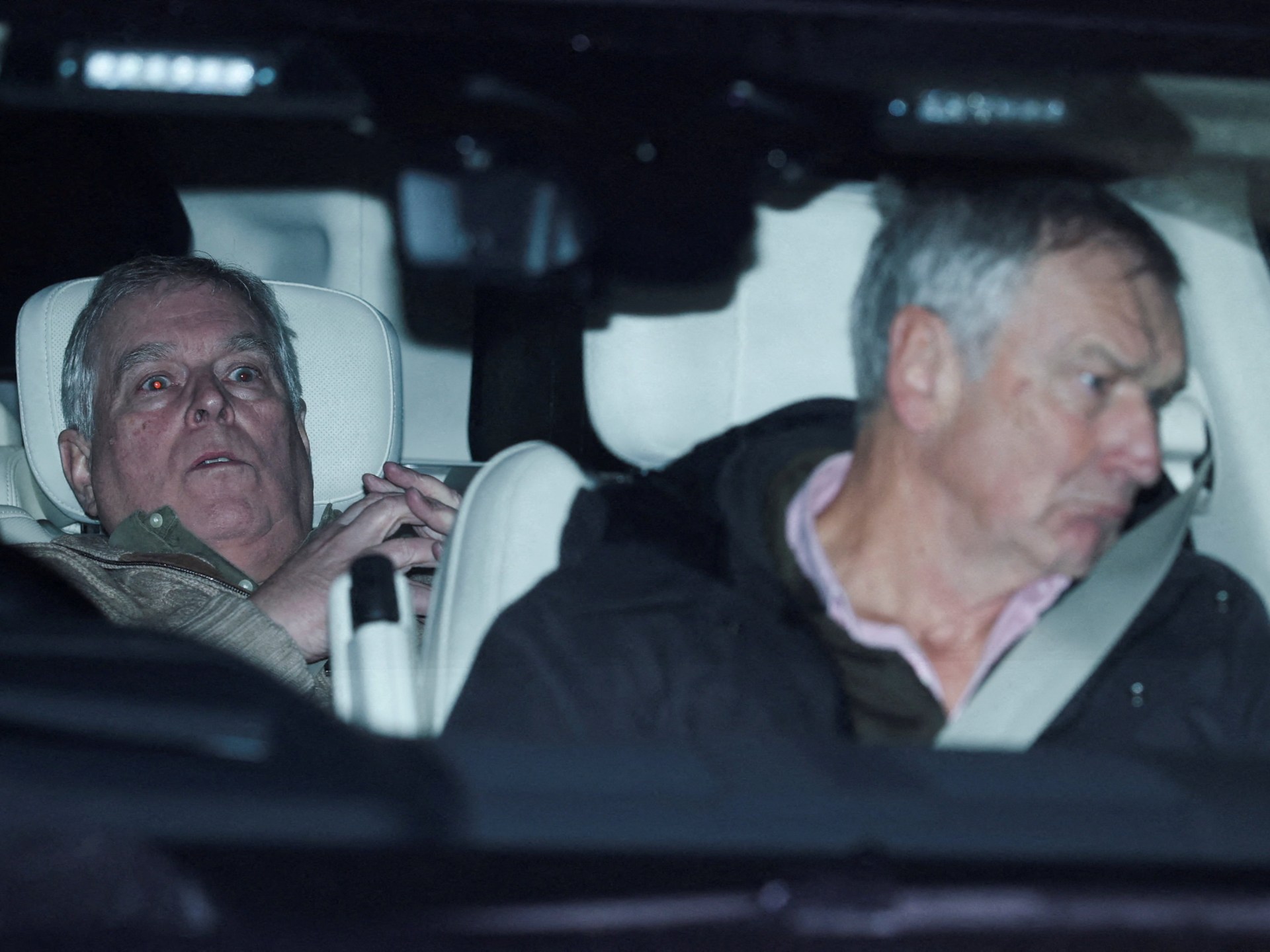
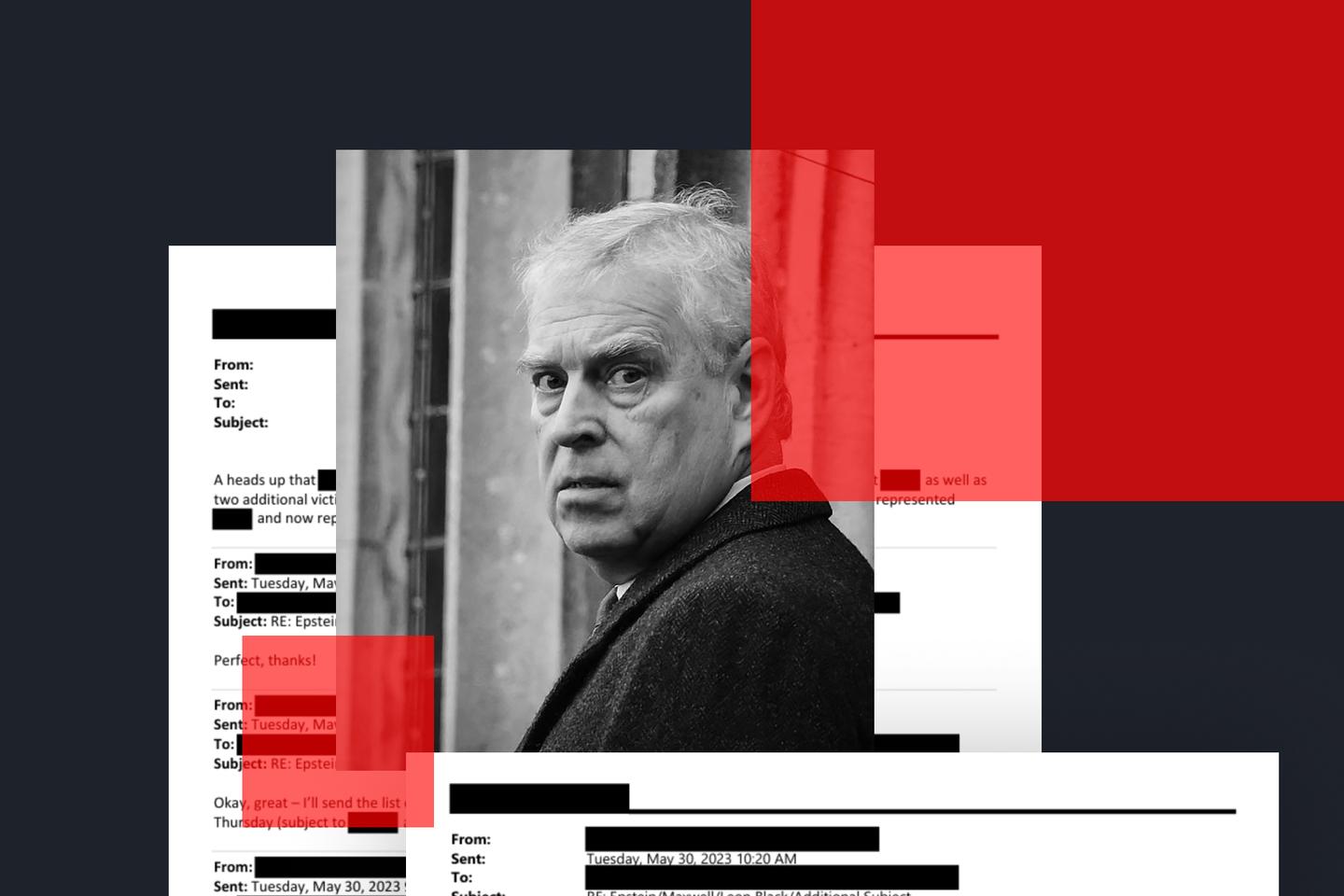
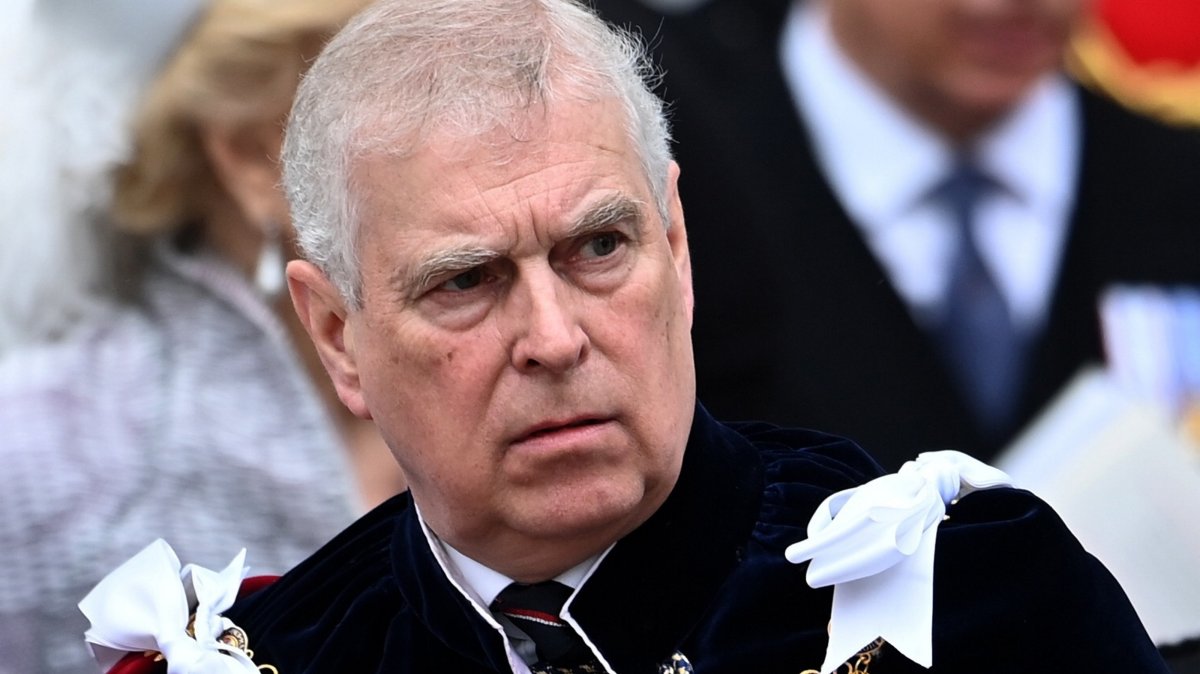
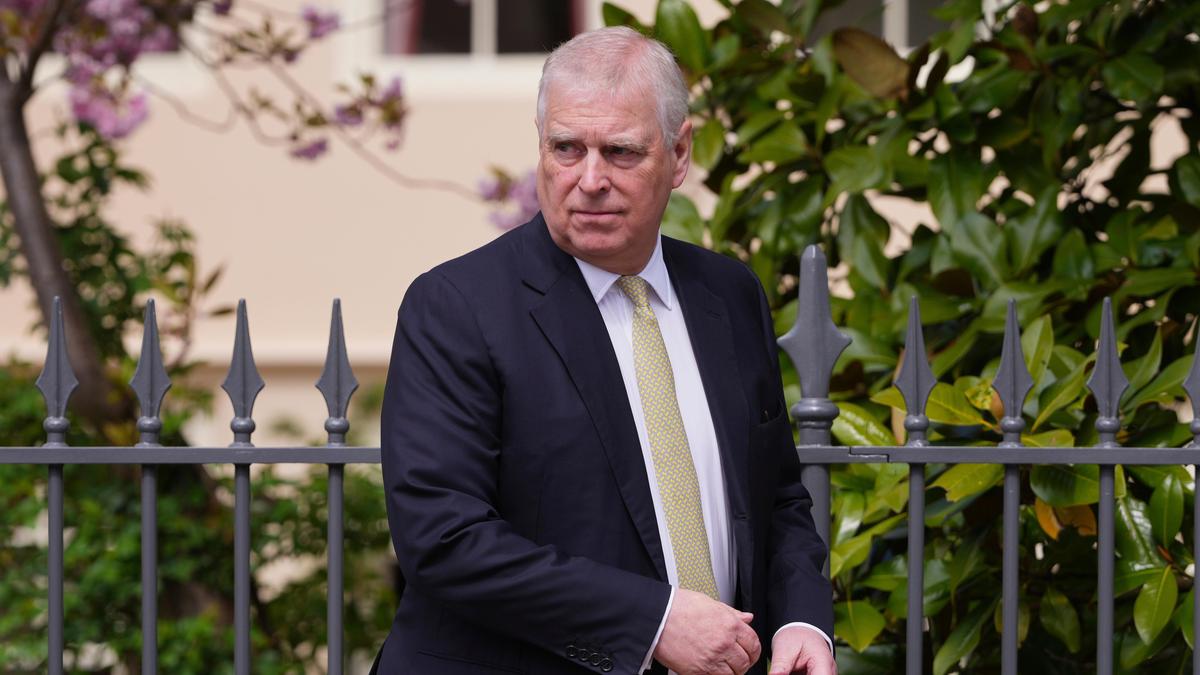
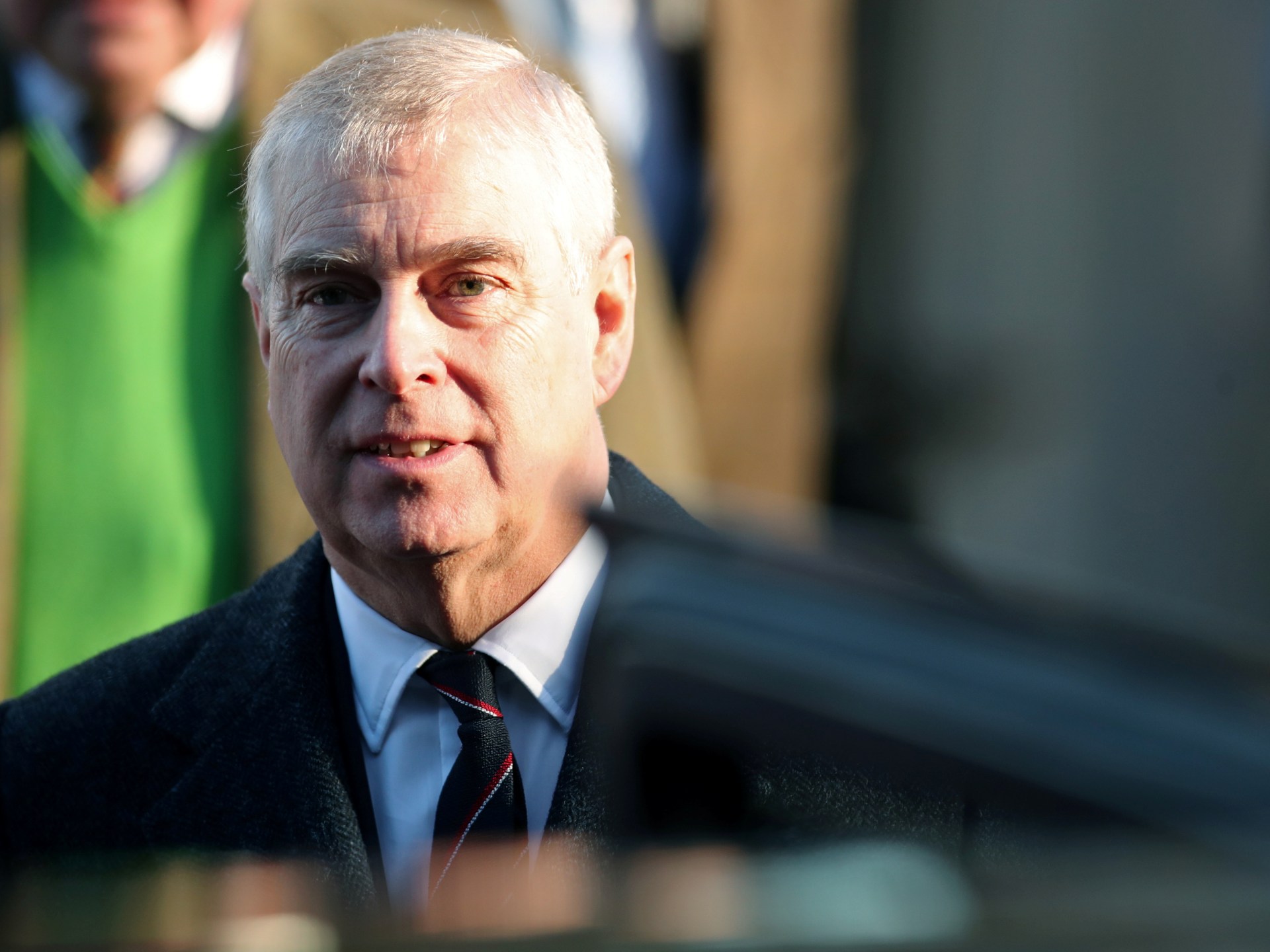
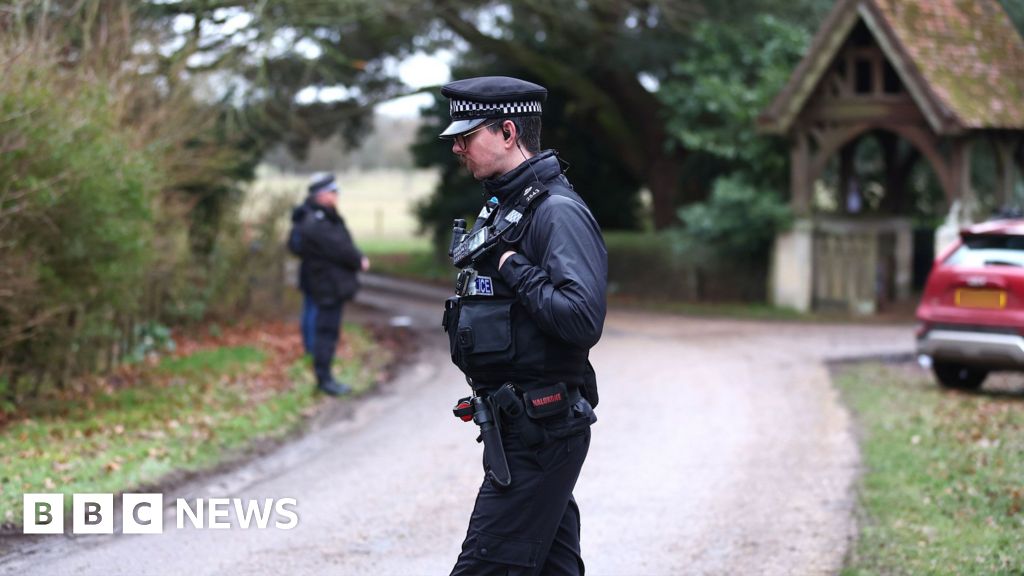
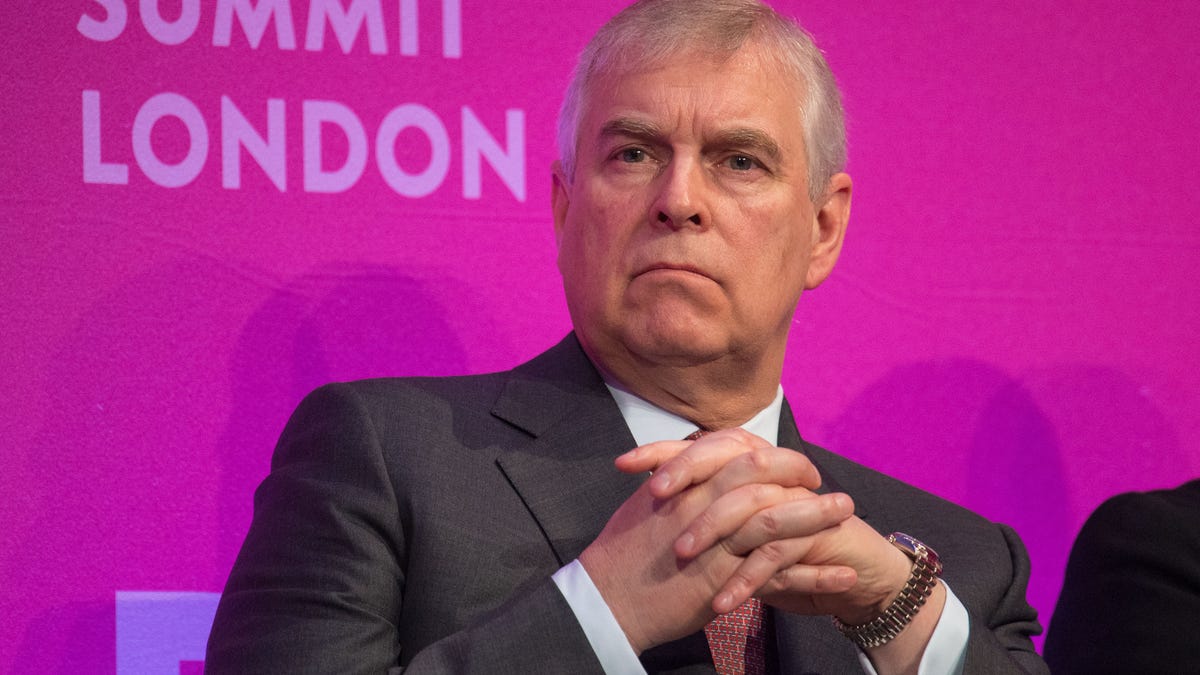
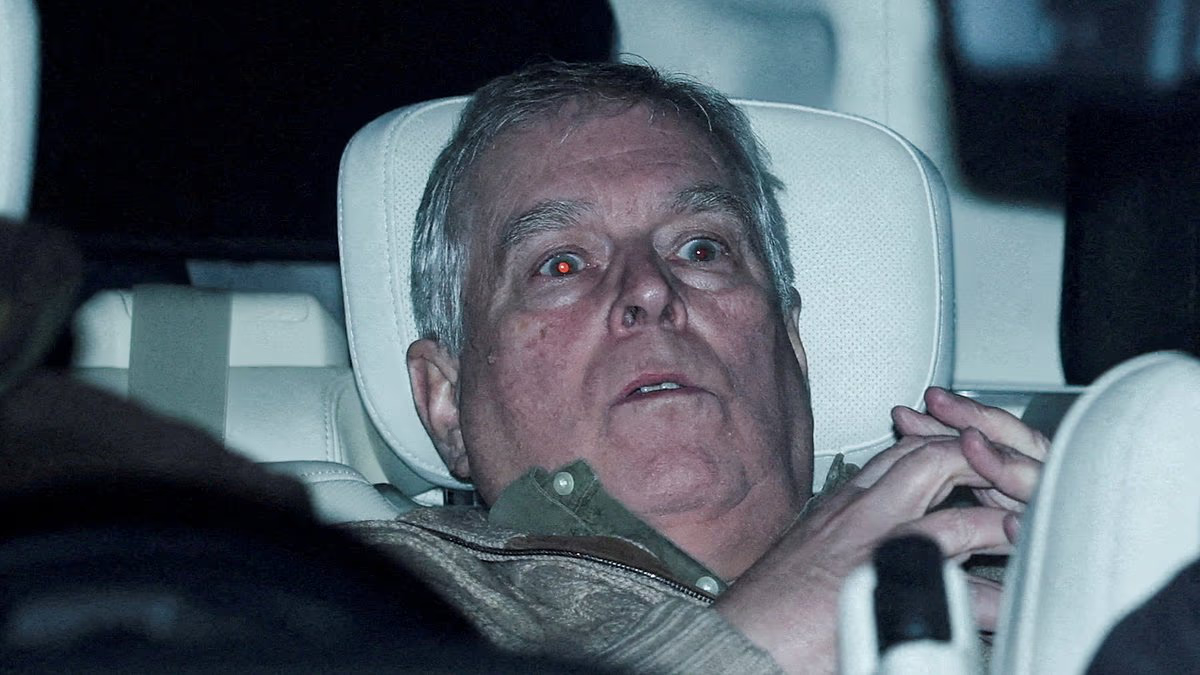
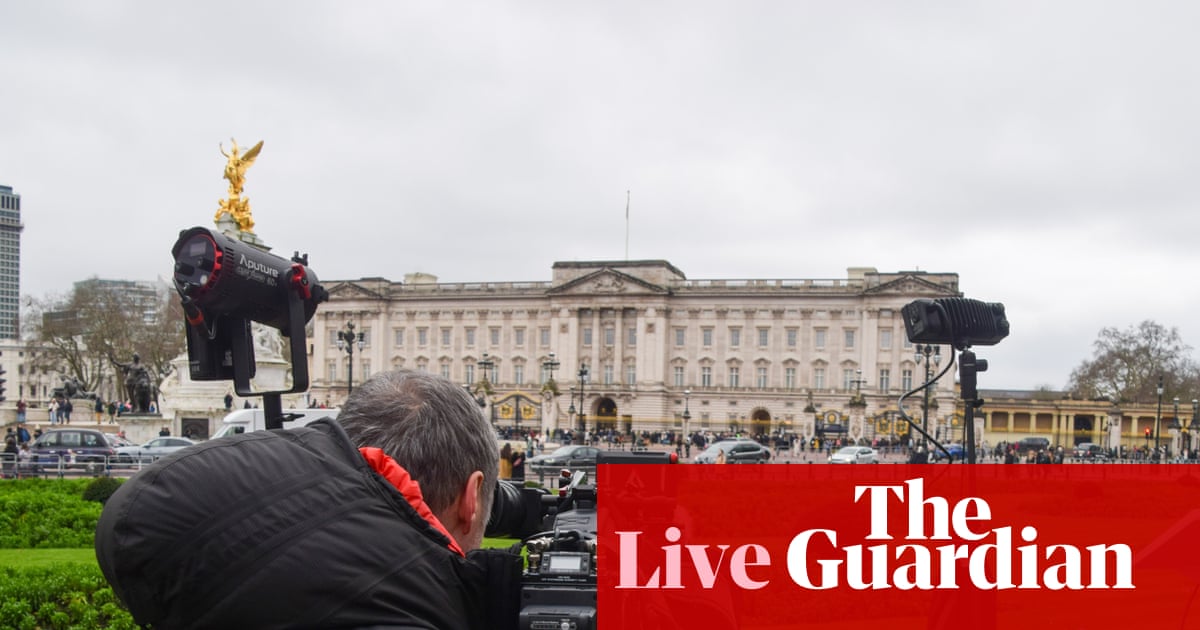
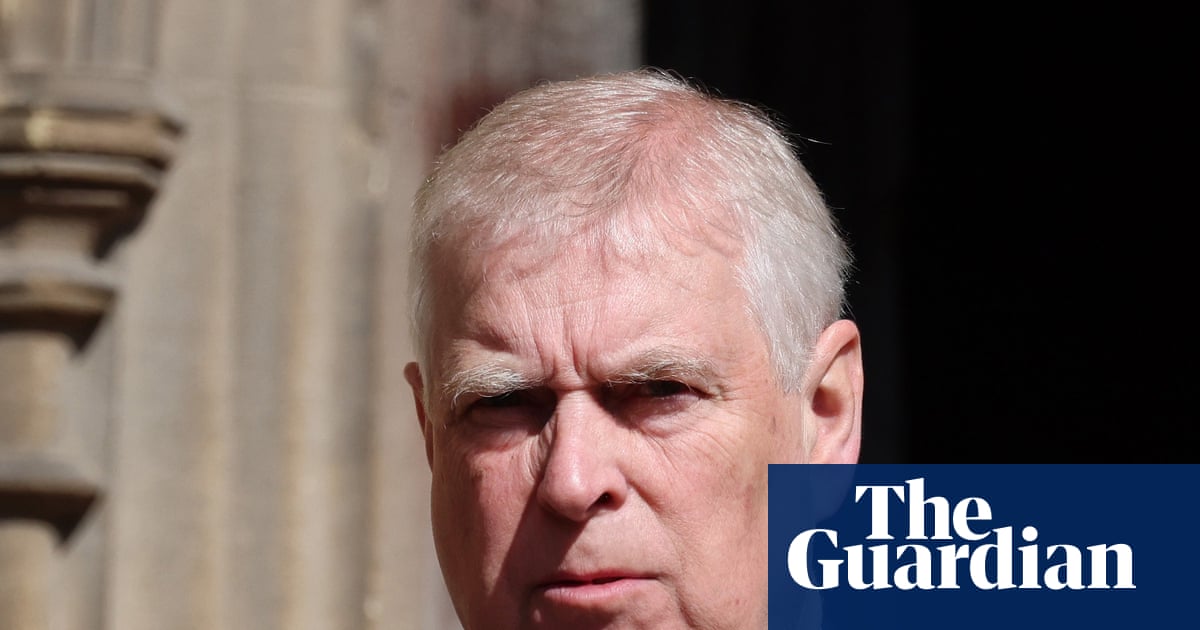
The contrast could not be starker. At around 8am on Thursday, British police swooped on the Sandringham royal estate to arrest the former prince Andrew after allegations that he had shared confidential material with the late US sex offender Jeffrey Epstein. It was a seismic shock for the monarchy.
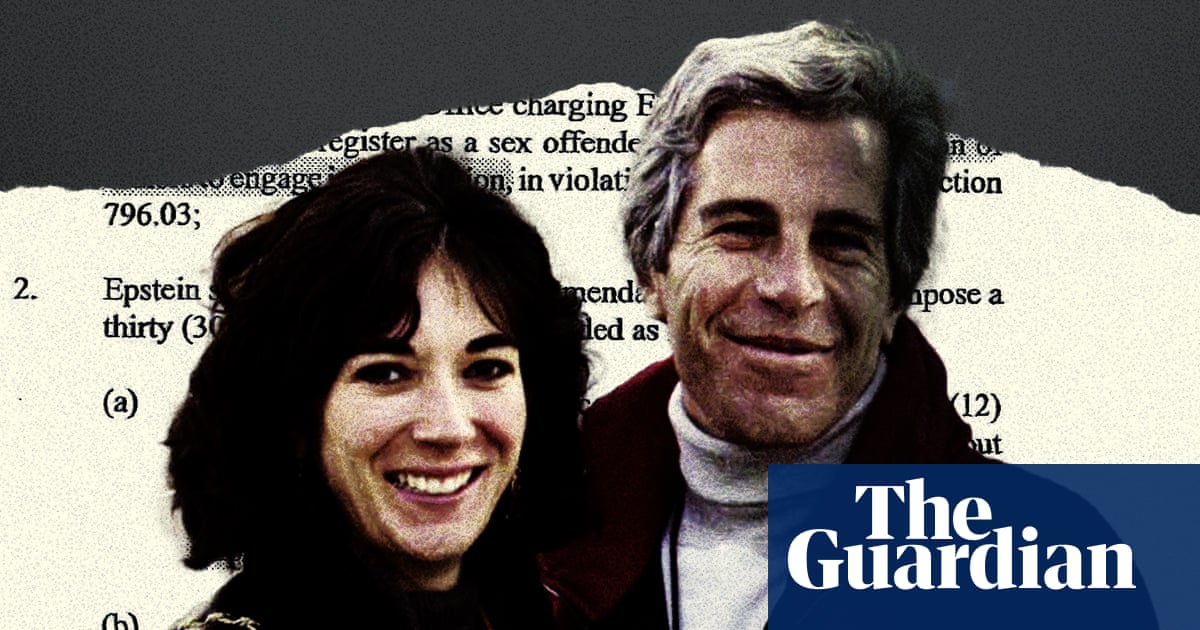
A week earlier Pam Bondi, the top US law enforcement official, was asked how many of Epstein’s co-conspirators her department had indicted, or whether she would give state attorneys general access to evidence to build further cases. She refused to answer.
As for Donald Trump, whose name appears in the Epstein files thousands of times, albeit without any clear incrimination, Bondi insisted that he was “the greatest president in American history” and admonished members of Congress for not talking about the soaring stock market instead.
It is a tale of two nations. In one, the establishment has been shaken to the core by the Epstein files, with a member of the royal family arrested for the first time in nearly 400 years and a prime minister fighting for survival. In the other, “the Epstein class” – in Senator Jon Ossoff’s phrase – has faced public opprobrium but little by way of a legal or political reckoning with the US president, yet again, apparently getting off scot-free.