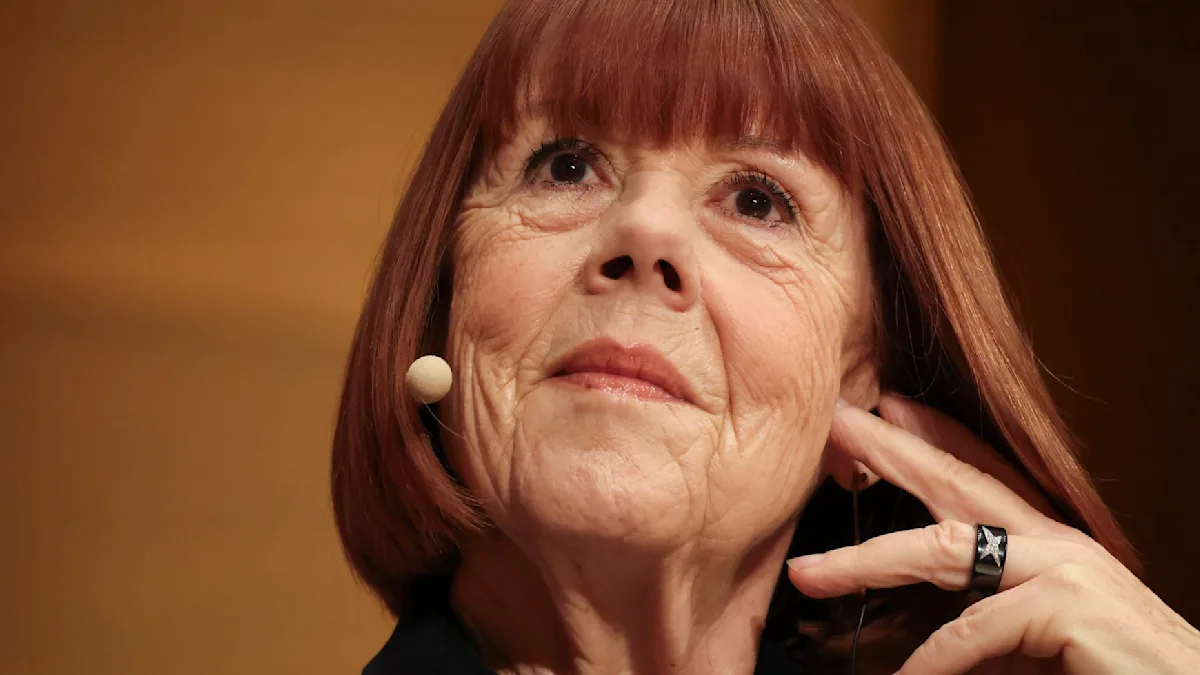
The case against her former husband shocked the world, while her response inspired awe. As she publishes a memoir, she discusses chemical submission, the abuse hidden within her apparently perfect marriage – and why she decided to go public
A
t Gisèle Pelicot’s new home on Île de Ré off France’s Atlantic coast, she likes to take bracing walks along the beach in all weathers, play classical music loud, eat nice chocolate and, as a gift to each new morning, always set the table for breakfast the night before. “It’s my way of putting myself in a good mood when I wake up: the cups are out already, I just need to put the kettle on,” she says.
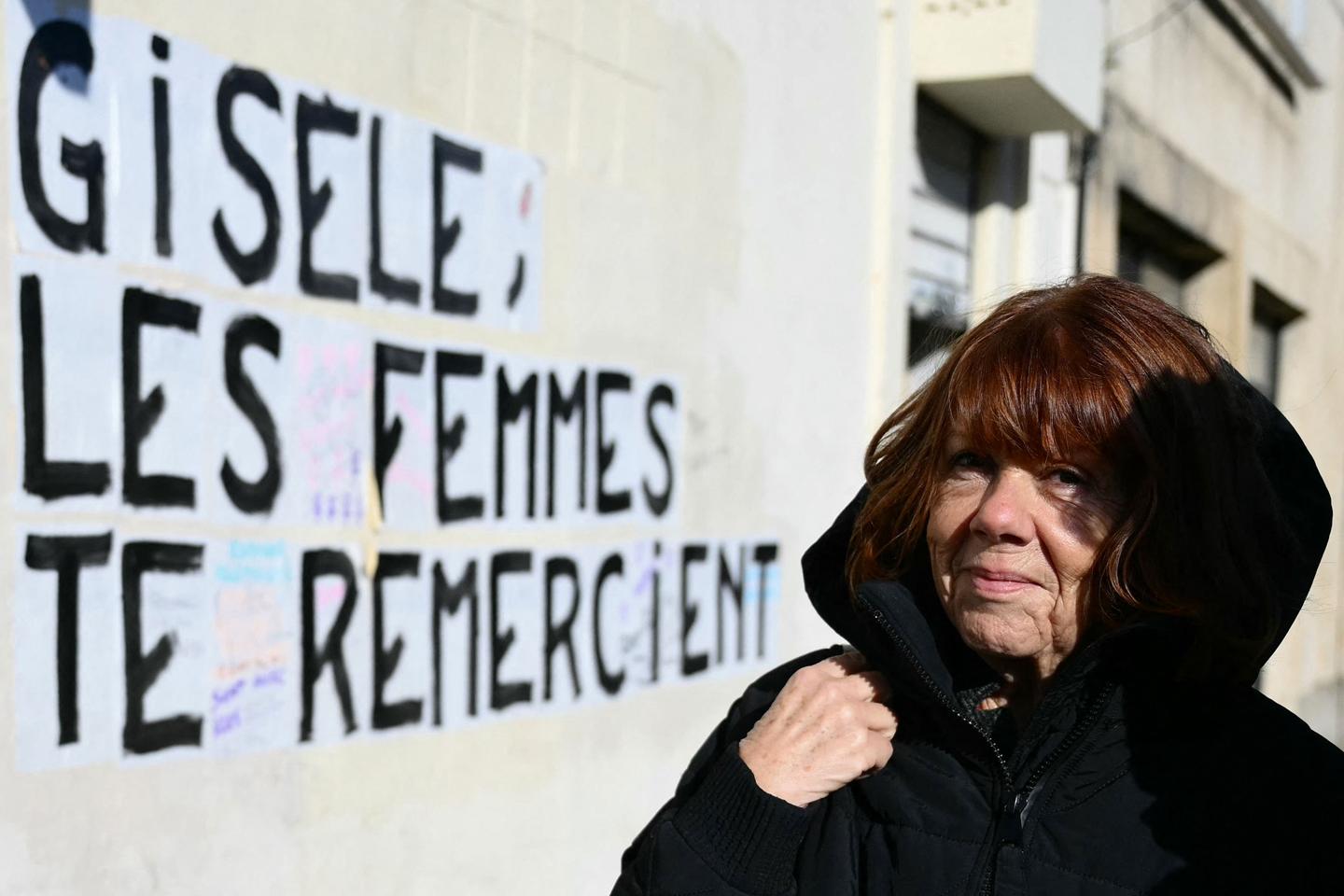
But one of her most treasured possessions is a box of letters she keeps on her desk. The envelopes from across the world – some sent on a prayer, addressed only with her name and the village in Provence where she once lived – piled up at the courthouse in Avignon in southern France in late 2024, when she became famous worldwide as a symbol of courage for waiving her right to anonymity in the trial of her ex-husband and dozens of men he had invited to rape her while she was drugged unconscious.
For almost a decade, Dominique Pelicot, to whom she was married for 50 years, had crushed sleeping tablets and anti-anxiety medication into her mashed potato, coffee or ice-cream. In an online chatroom called “Without her knowledge”, he had invited dozens of men to rape her in her own bed at the yellow house with blue shutters in Mazan in south-east France, where the couple had retired. “I’m looking for a pervert accomplice to abuse my wife who’s been put to sleep,” was one of his lines. The trial, which Gisèle insisted must be held in public, shocked the world, raised awareness of drug-facilitated abuse –which is termed “chemical submission” in France – and brought an outpouring of recognition from women, from Spain to the US, teenagers to 80-year-olds, all of whom wrote to her with their own stories.