Even as weather extremes worsen, the voices calling for the rolling back of environmental rules have grown louder and more influential
In the timeless week between Christmas and the new year, two Spanish men in their early 50s – friends since childhood, popular around town – went to a restaurant and did not come home.
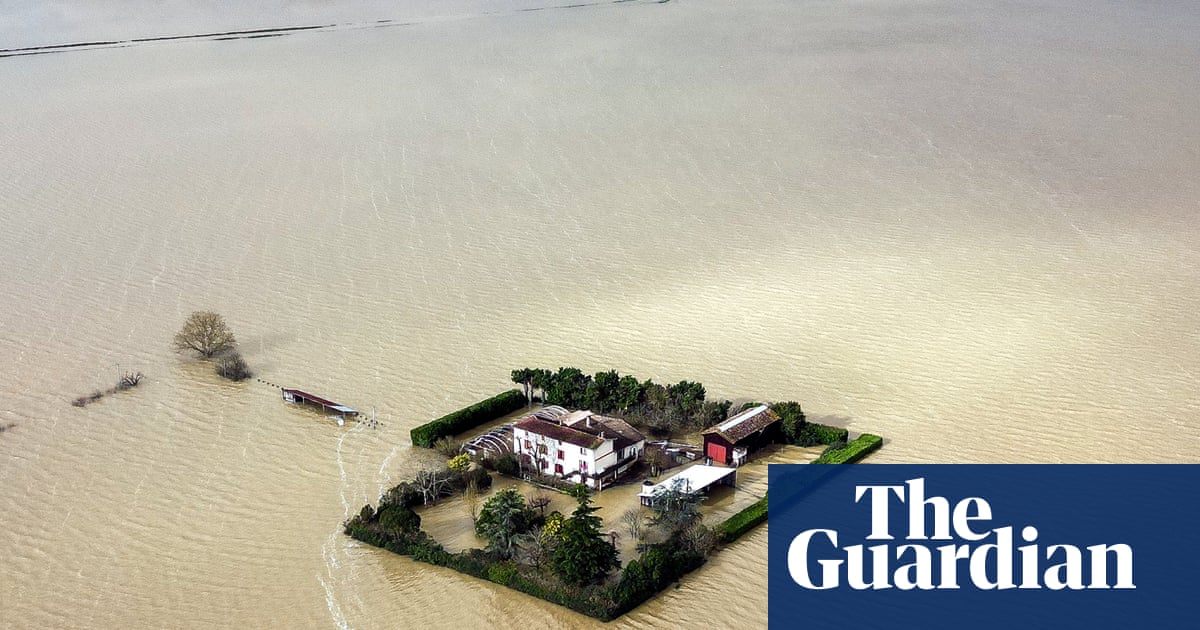
Francisco Zea Bravo, a maths teacher active in a book club and rock band, and Antonio Morales Serrano, the owner of a popular cafe and ice-cream parlour, had gone to eat with friends in Málaga on Saturday 27 December. But as the pair drove back to Alhaurín el Grande that night, heavy rains turned the usually tranquil Fahala River into what the mayor would later call an “uncontrollable torrent”. Police found their van overturned the next day. Their bodies followed after an agonising search.
“We are used to some floods. Not many,” said Conchi Navarro, the headteacher of Los Montecillos secondary school, whom Zea Bravo was supposed to succeed upon her retirement at the end of the school year. “But since December, these borrasca [low-pressure storms] have come one after the other.”
The quiet fallout of a broken climate – a book club short of one member, a rock band without a bassist, a cafe that lacks a pastry chef – has been echoing around western Europe for weeks. The back-to-back storms that battered Spain have killed at least 16 people in neighbouring Portugal. Soils across France have reached unprecedented levels of saturation, with weather forecasters issuing flood alerts that demand “absolute vigilance”. Parts of the UK have broken records for the number of days without a break in the rain.