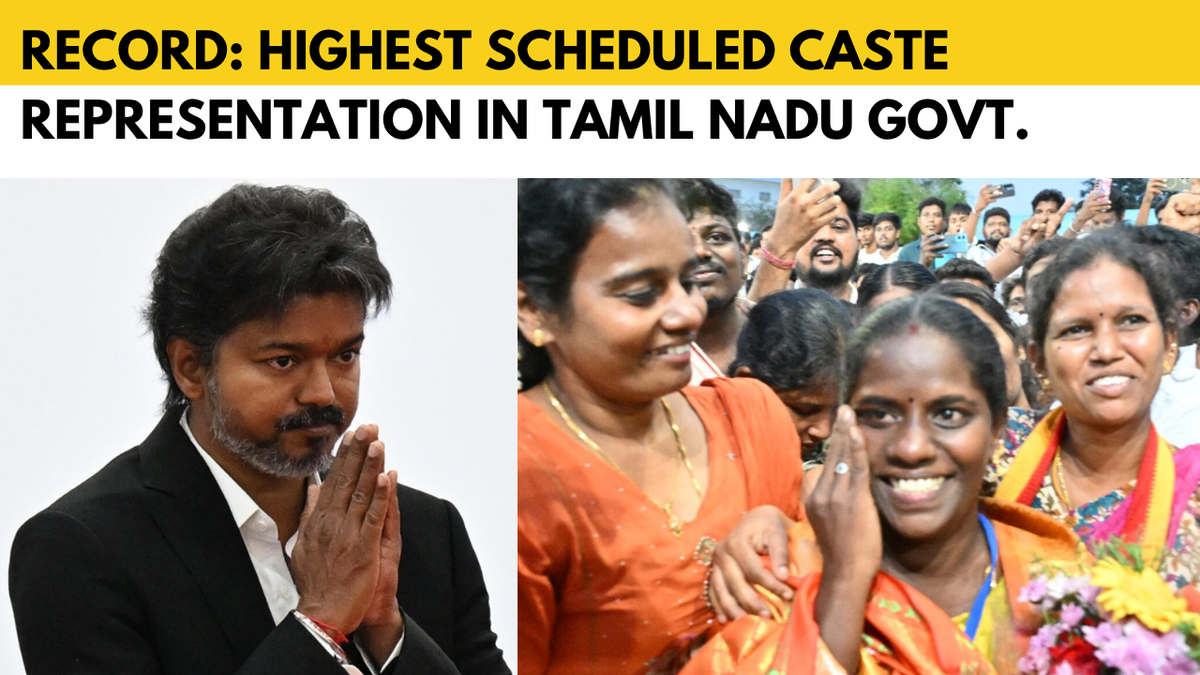
The Scheduled Castes (SCs) account for 20% of Tamil Nadu’s population, according to the 2011 census. Yet, their representation in political power has not been commensurate with their numerical strength. Even if one considers the findings of the State-level caste survey undertaken in the early 1980s (as the caste data, compiled during the 2011 nationwide socio-economic and caste census, have not been made public), the Vanniyakula Kshatriya, a constituent of the Most Backward Classes (MBCs), constituted 13.01% of the then population of nearly five crore.
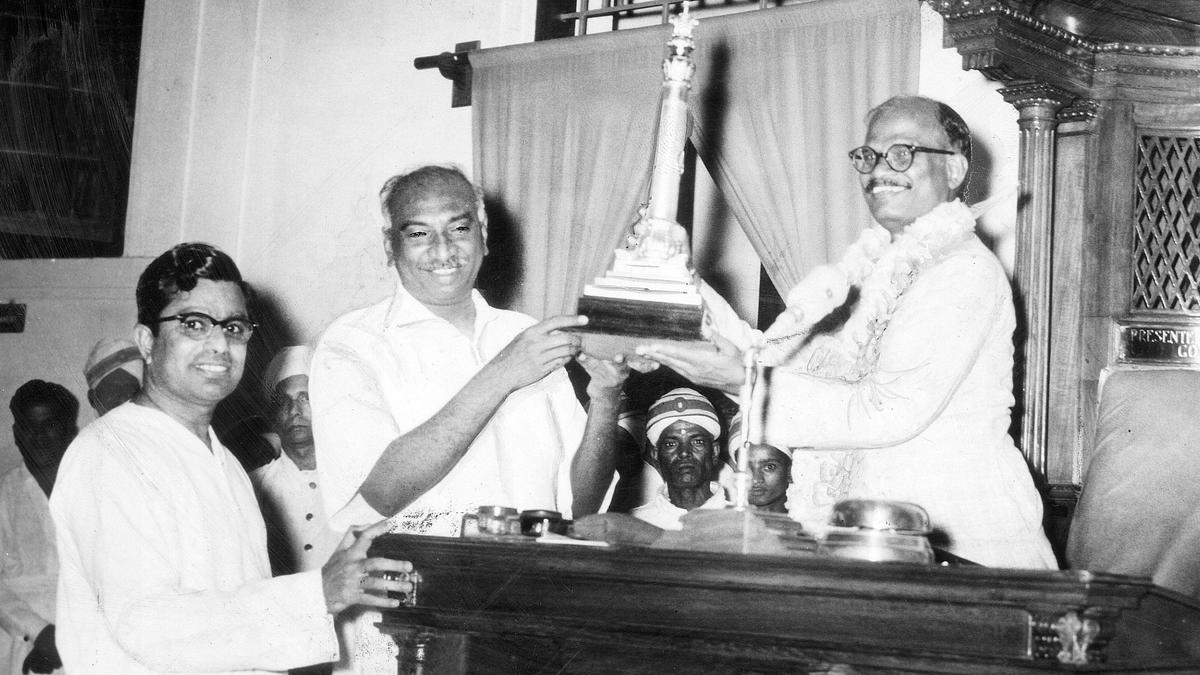
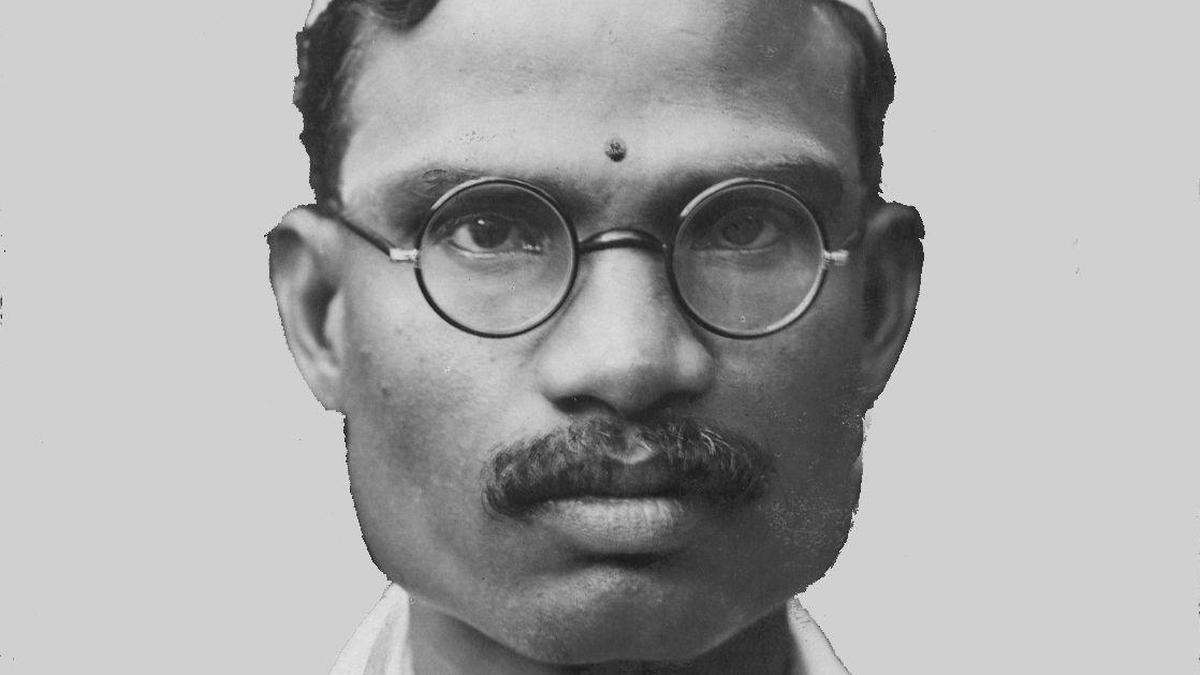
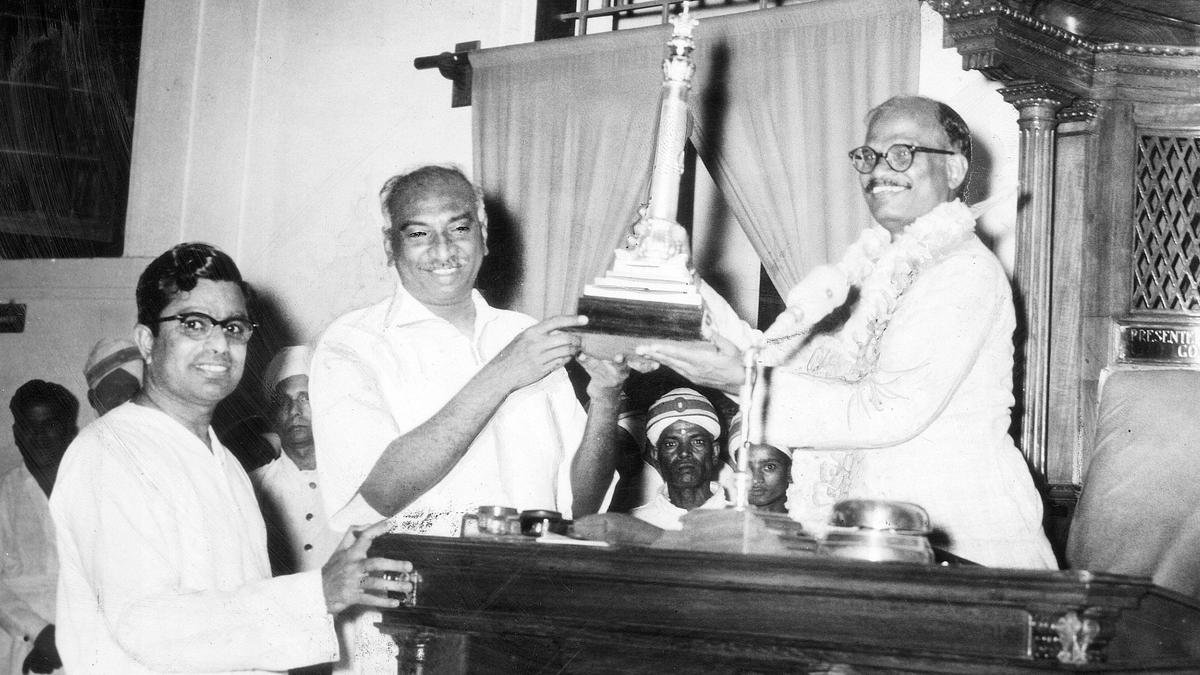
The State, which is considered a frontrunner in several human development indicators, is yet to have a Scheduled Caste Chief Minister, though many other States have had Dalit Chief Ministers. Andhra Pradesh made D. Sanjivayya its Chief Minister in 1960. Eight years later, Bhola Paswan Shastri became Bihar’s first SC Chief Minister. Ram Sundar Das and Jitan Ram Manjhi reached the top post in the northern State in 1979 and 2014. Uttar Pradesh saw Mayawati getting into the post in 1995 for the first time. She subsequently held the post on three more occasions. Sushil Kumar Shinde of Maharashtra and Charanjit Singh Channi of Punjab made it in 2003 and 2021 respectively. In Tamil Nadu, the highest position that a SC leader could reach was that of Home Minister, held by P. Kakkan during 1963-67 when M. Bakthavatsalam of the Congress was the Chief Minister. In 1967, when the national party was dislodged from power by the DMK, Kakkan, known for probity in public life, too was vanquished in the erstwhile Melur (South) constituency of Madurai district.