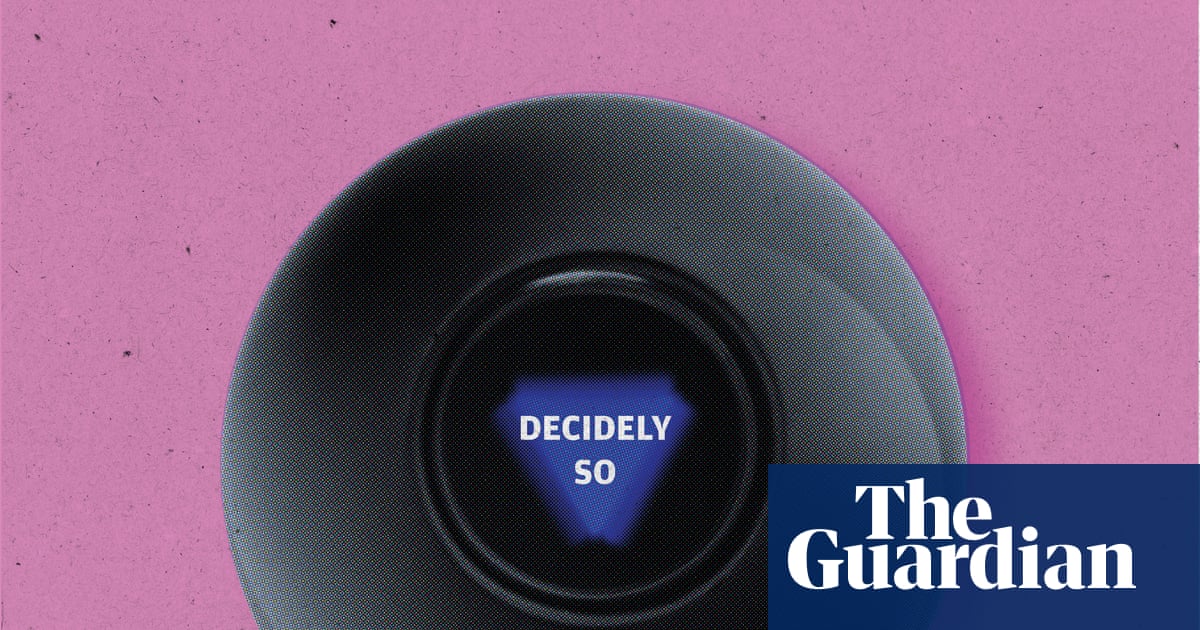
Making choices can be difficult when options are not clearly better or worse than each other – how does one even begin to decide?
I love cats. I’d been idly keeping an eye out for a less allergenic breed, when bam – a kitten became available. Suddenly I had to decide whether to take the leap.
Even though I’d been considering cat ownership for a while, I felt anxious. I mulled over all the responsibilities: vet bills, stubborn allergies, years of commitment. One big sticking point was travel. Having a cat would be rewarding, but did I want it right now if it meant I couldn’t decide on a whim to book a cheap last minute flight to another city? Did I want to buy Fancy Feast, or stay fancy-free?
Making choices can be difficult when the options are not clearly better or worse than each other, said contemporary philosopher Ruth Chang in a 2014 Ted Talk. For example, should you take an exciting promotion that will consume your weekends? Should you have a child, which would reshape your identity and daily life, or remain childfree and preserve your autonomy?
Such options have different kinds of value but at similar levels, defying pro-and-con reasoning, according to Chang. How does one even begin to decide? Here’s what experts say.