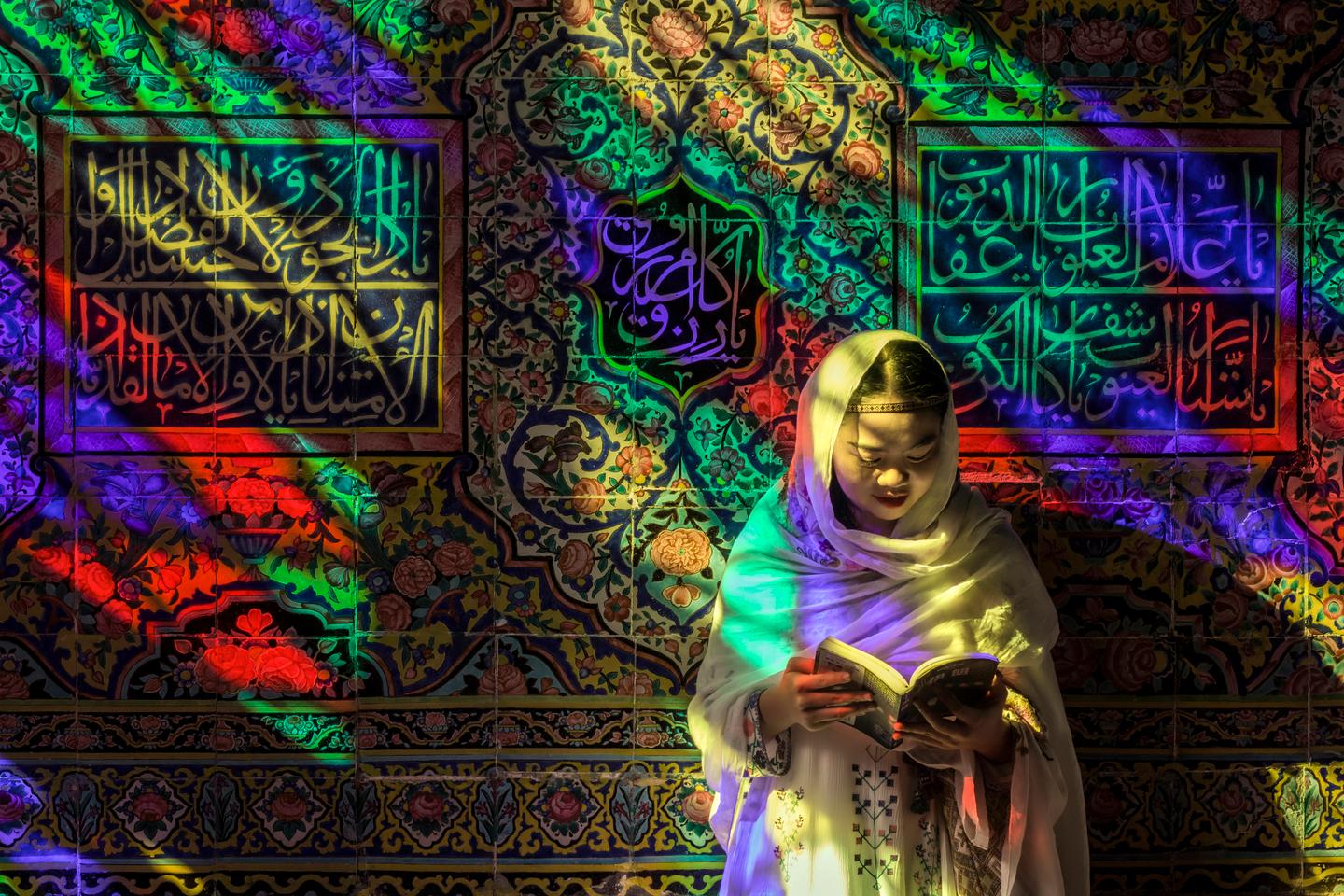
A Muslim woman in the Nassir-ol-Molk mosque in Shiraz, Iran, in 2017. WIKIPEDIA / YARE ZAMAN2000
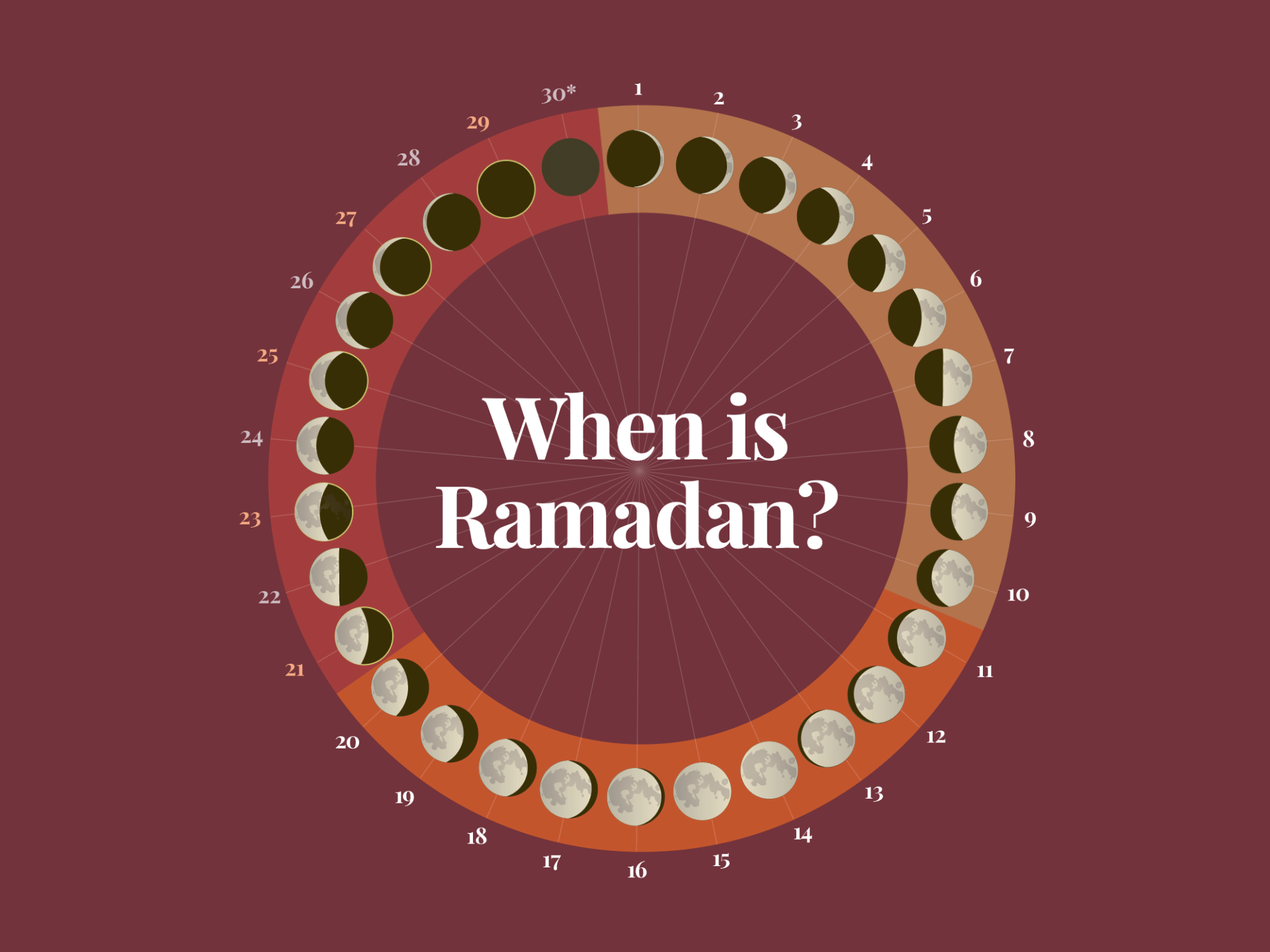
A sacred month for Muslims, Ramadan commemorates the revelation of the Quran to the Prophet Muhammad (Surah 2, 185). It is the fourth of the five pillars of Islam. That is why fasting is part of the requirements incumbent on Muslim believers, along with the shahâda (profession of faith attesting that there is no God but God and that Muhammad is his messenger), the salah (prayer), the zakat (alms) and Hajj (pilgrimage to the holy sites of Mecca). This year, Ramadan began on February 18.
What are Ramadan's origins?
The word Ramadan means "great heat" and refers to the ninth month of the Muslim lunar calendar. In pre-Islamic Arab society, it was a month of respite that had perhaps a distant connection to the sacred periods of Christianity (Lent) or Judaism (Yom Kippur). It could also correspond to periods of civil and military inactivity during heatwaves.
The 27th day of Ramadan commemorates the "night of destiny" when the angel Gabriel (Djibril) is said to have first appeared to the Prophet Muhammad to reveal the Quran. This explains why this month of fasting is closely linked to the Muslim holy text, whose first verse is "Read!" (Surah 96, 1).