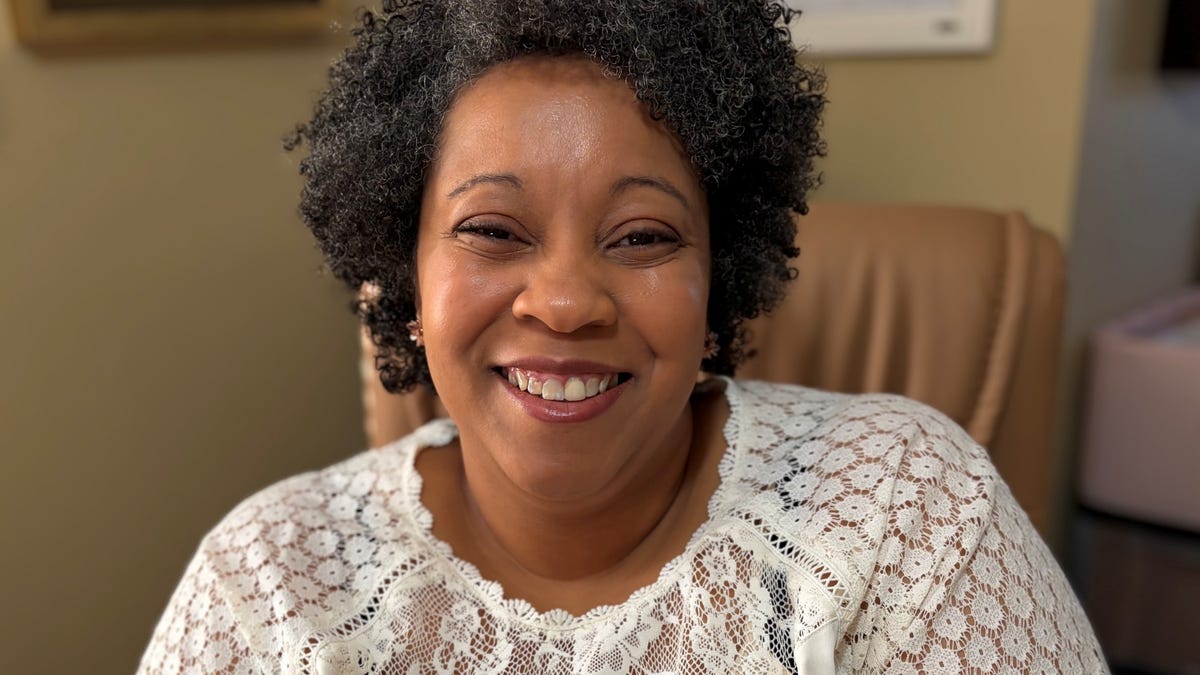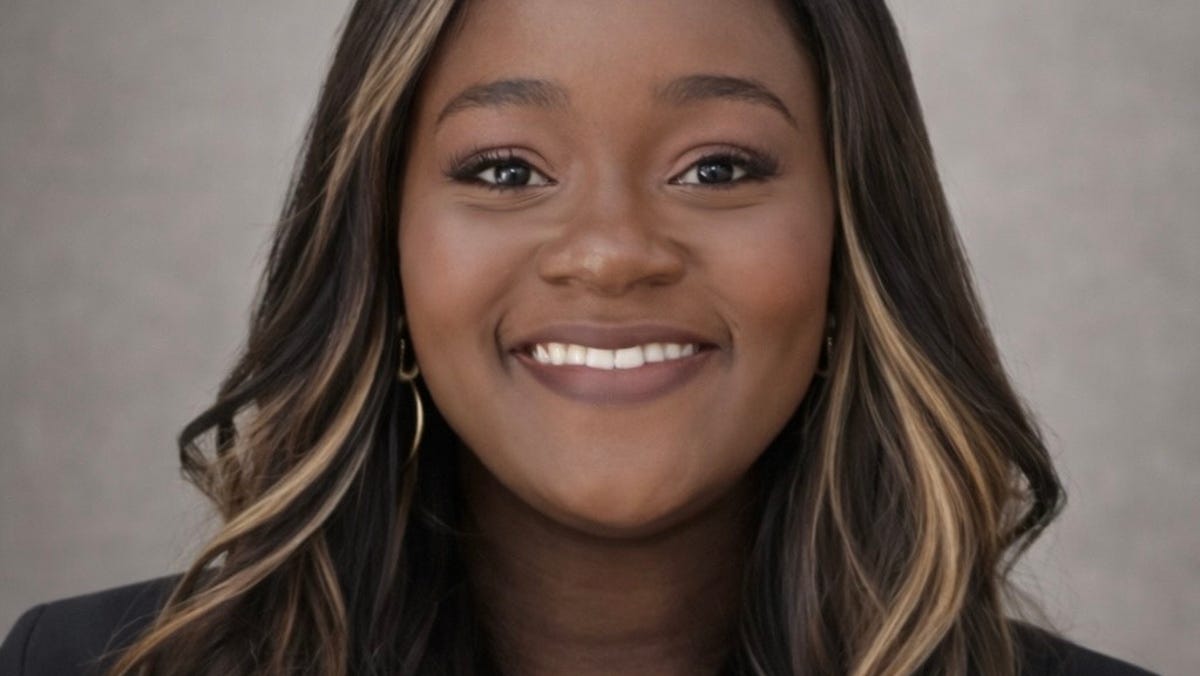
For more than a decade, Christian "Cece" Worley's periods were what she calls "hell on earth."
Her symptoms started within her first few menstrual cycles at 12 years old. She would sit in agony, staring at the classroom clock and counting down the minutes until the bell rang. Her mother would give her ibuprofen to ease the pain, which Worley says helped in high-doses. But by the time she was in college, she started missing classes when the pain was so bad she couldn’t get out of bed.
She called the school's accommodations office and was told that period cramps didn’t warrant accommodations. As her attendance continued to waver, a concerned professor told her she might have endometriosis, a chronic reproductive health condition affecting 1 in 10 women in the United States.
Worley had never heard of the condition before. No doctor had ever brought it up, she says. But years later, in 2025, she went on to win the first case in North Carolina to recognize endometriosis as a disability under the Americans with Disabilities Act.
Worley, now 27, reached a near six-figure settlement in her disability discrimination lawsuit against the North Carolina Department of Public Safety (NCDPS). She had been employed by the state as a Juvenile Court Counselor Trainee.