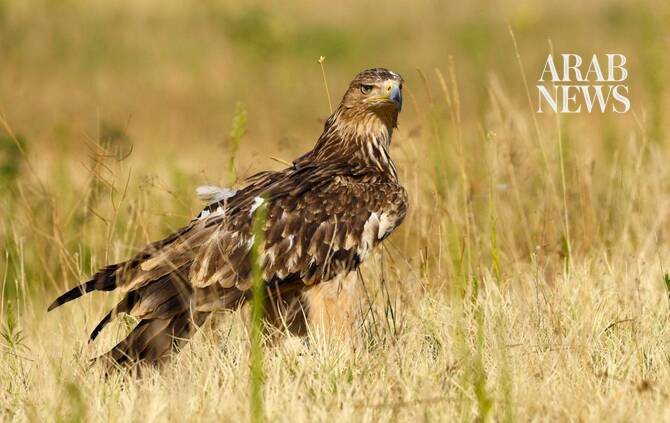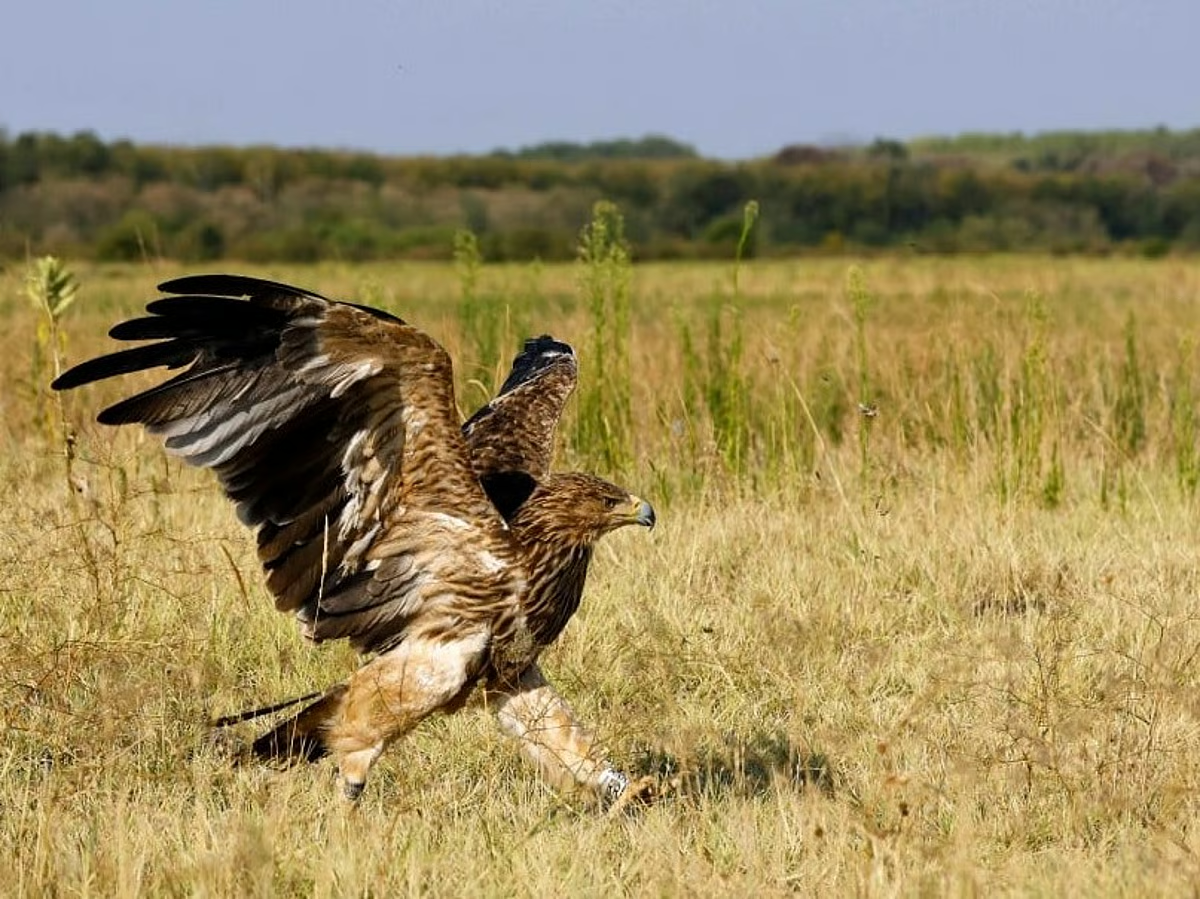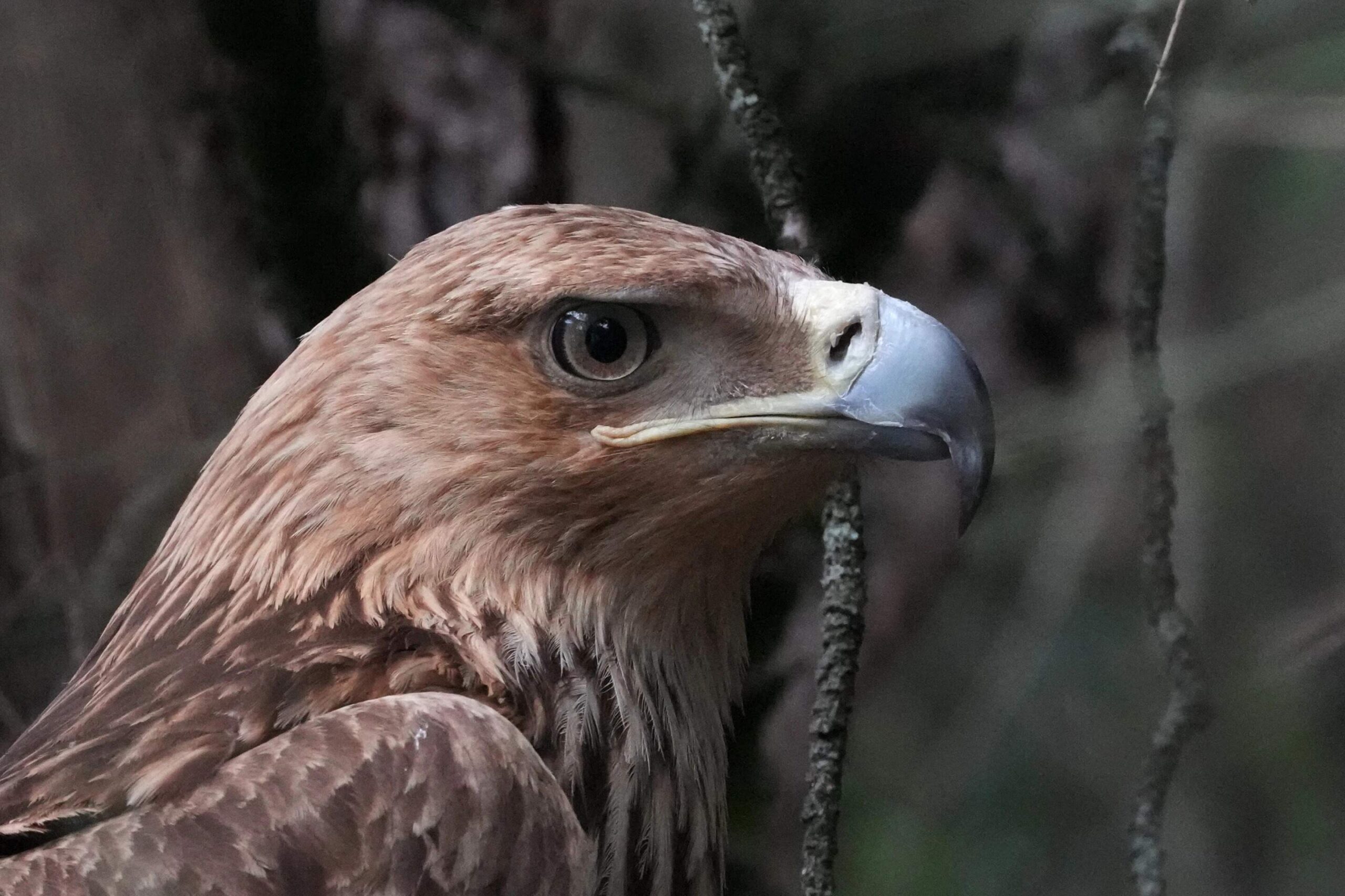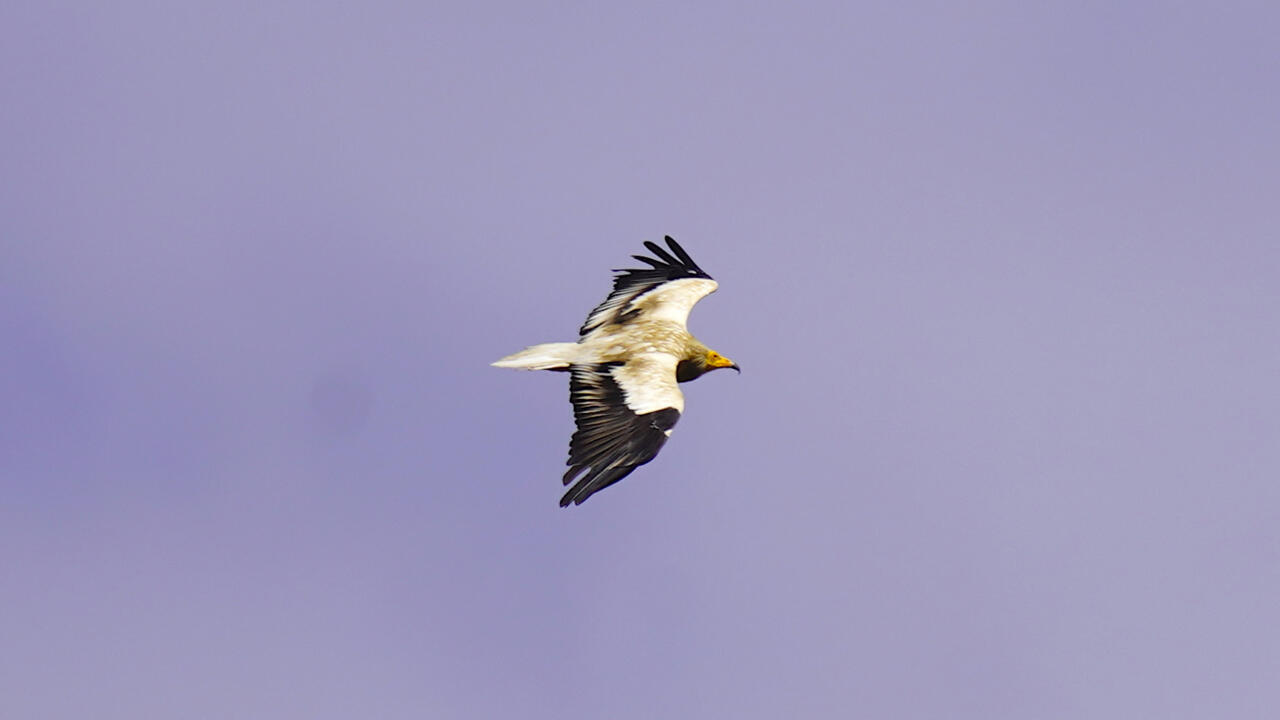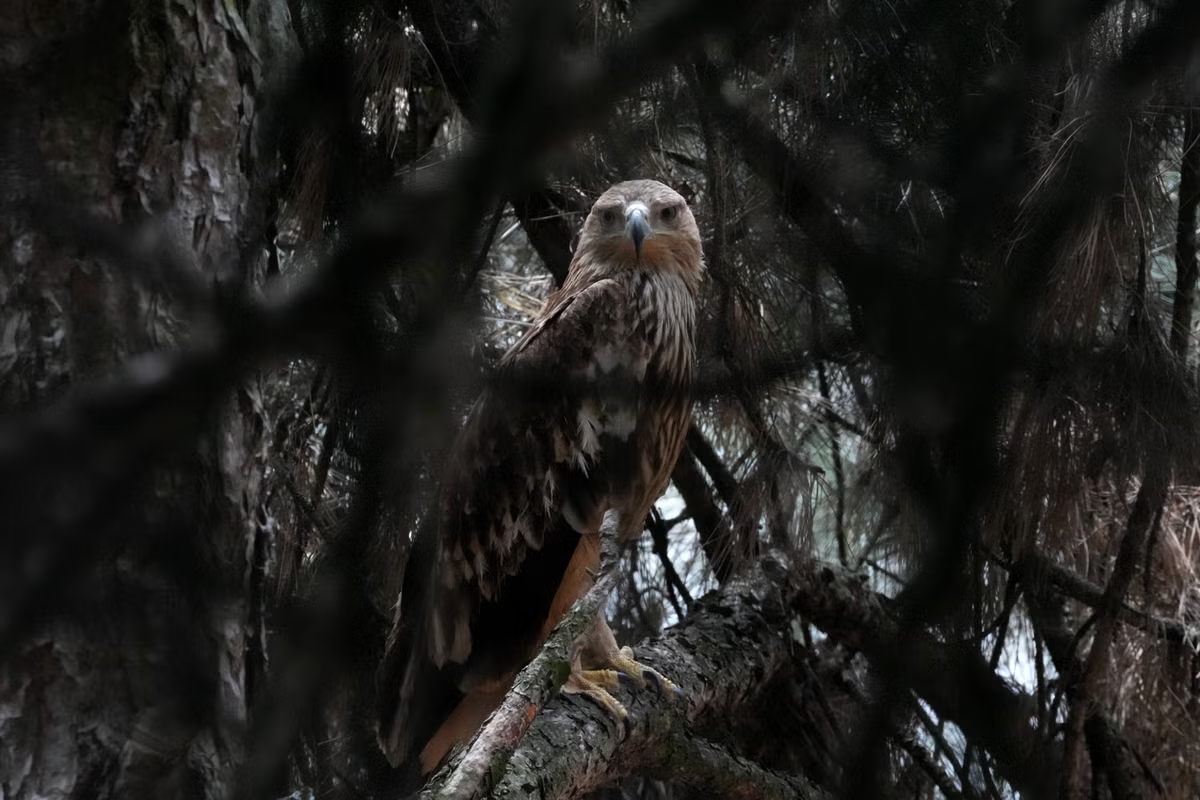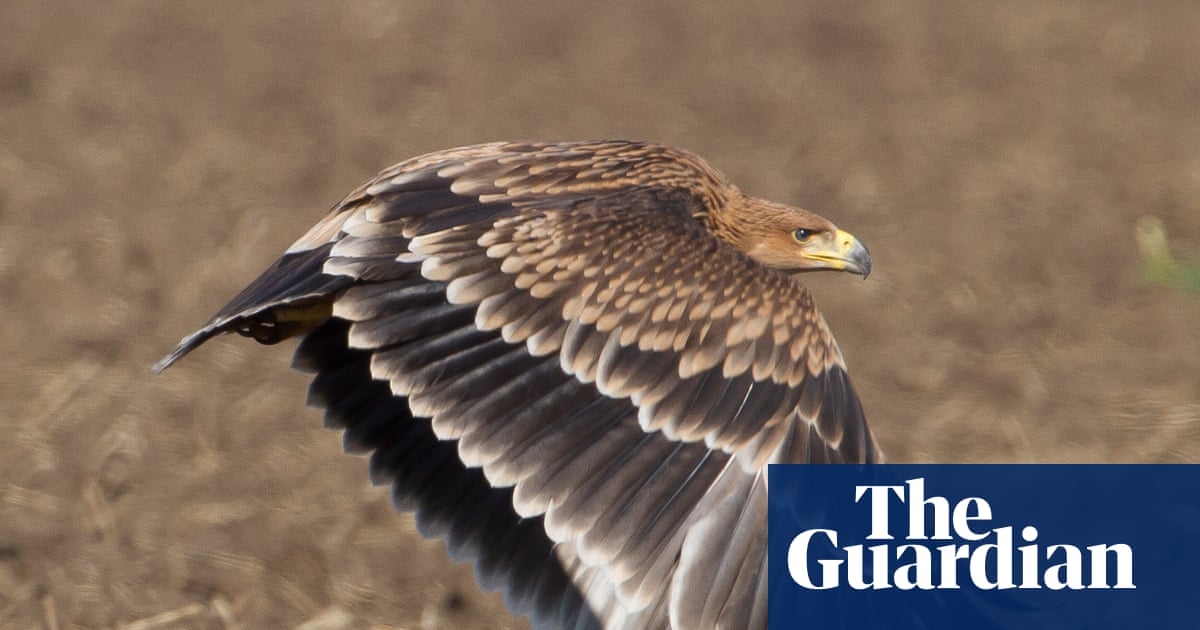
Less than a decade ago, the Balkan country had just one breeding pair of the eastern imperial species of raptor left. Now things are changing, thanks to the dogged work of conservationists
A
t the start of every spring, before the trees in northern Serbia begin to leaf out, ornithologists drive across the plains of Vojvodina. They check old nesting sites of eastern imperial eagles, scan solitary trees along field margins, and search for signs of new nests.
For years, the work of the Bird Protection and Study Society of Serbia (BPSSS) has been getting more demanding – and more rewarding. In 2017, Serbia was down to a single breeding pair. Last year, BPSSS recorded 19 breeding pairs, 10 of which successfully raised young.
Driving through Vojvodina, vast fields stretch to the horizon, crisscrossed by straight farm tracks. As agriculture intensified, oaks and poplars were cut down to straighten fields and maximise yields. It made Vojvodina one of Europe’s least forested regions. In some municipalities, tree cover drops below 1%. “You can drive here for an hour and a half and not see a single tree taller than five metres,” says Milan Ružić, executive director of BPSSS. “Even if an eagle wants to return, the question is: to which tree?”