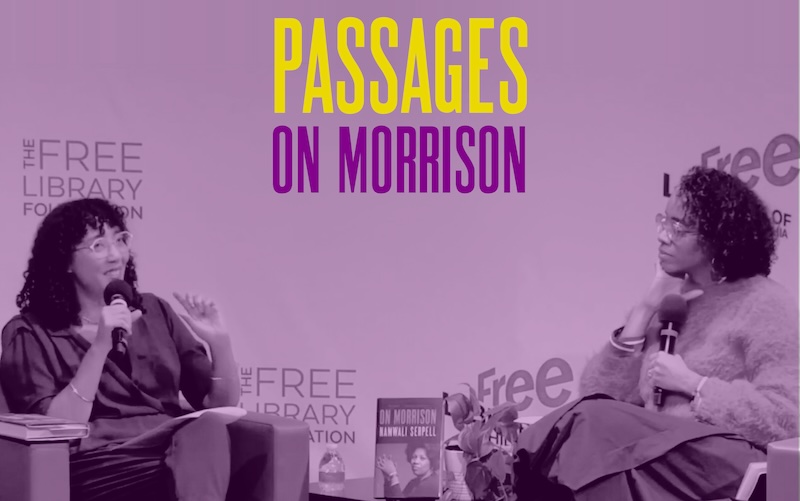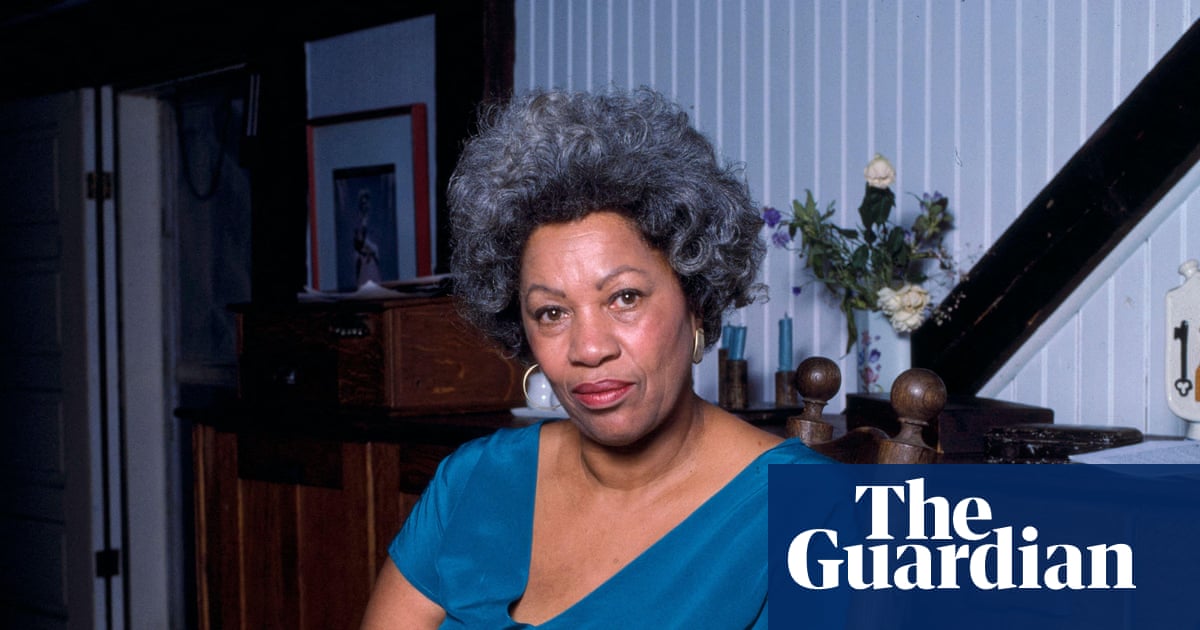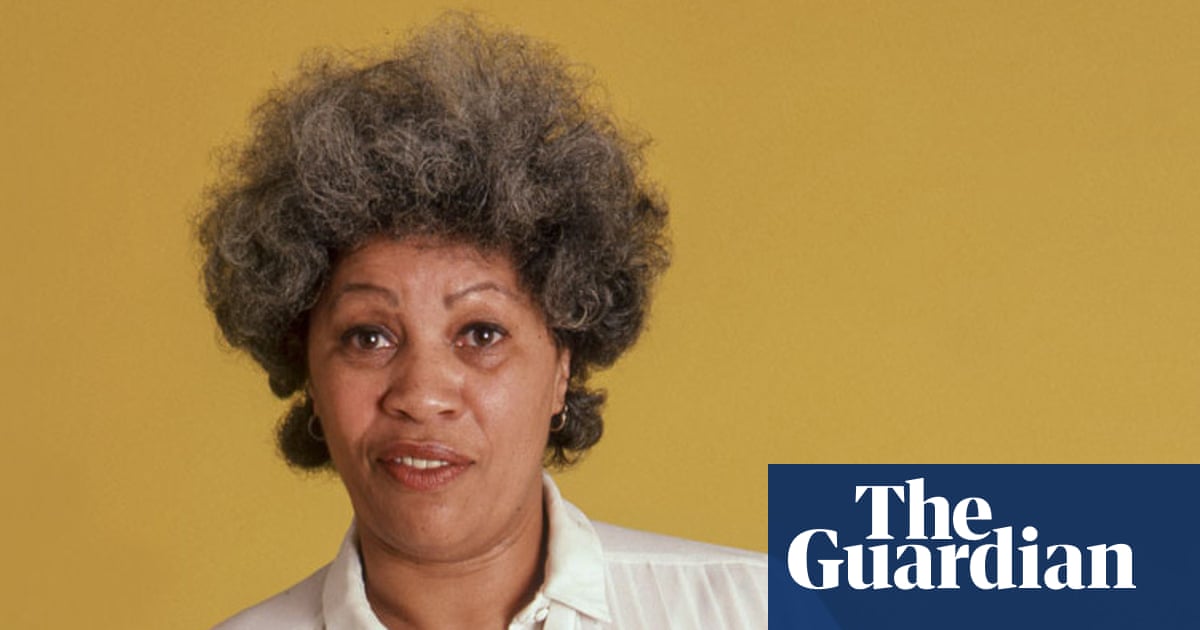
Serpell leaves no stone unturned in her deep and enriching portrait of the Nobel laureate’s oeuvre
I
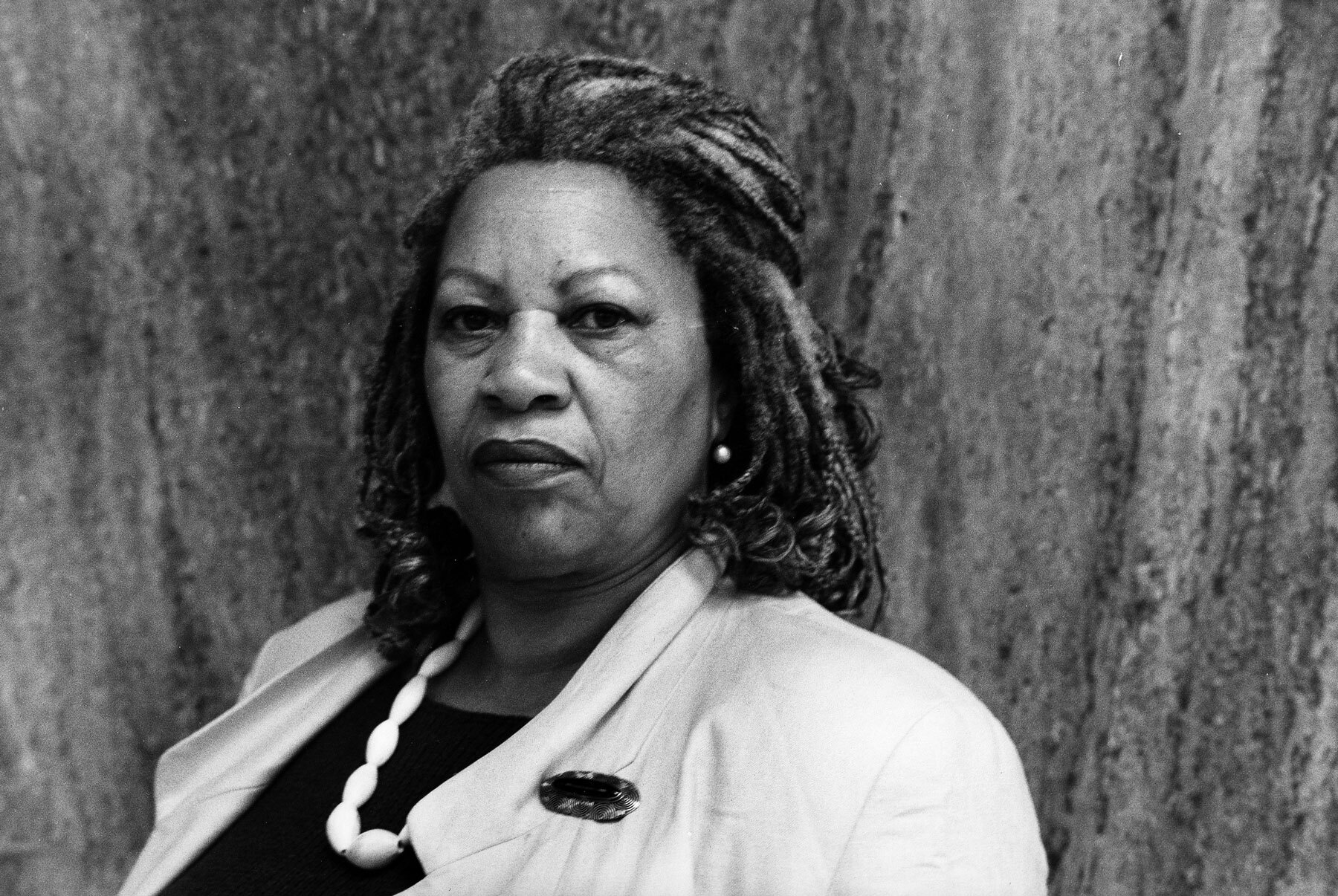
have waited years for this book. But before I tell you what it is, I had better tell you what it is not. On Morrison is not a biography. Except for scattered references, there is little here about Chloe Anthony Wofford’s birth and early life in Lorain, Ohio; her education at Howard and Cornell universities; her editorial work at Random House; or her phenomenal success as a novelist. Nor is this book for fans who turn to Toni Morrison for inspirational quotes or to score political points.
Instead, On Morrison offers readers who can tell their Soaphead Church from their Schoolteacher something they have long hoped for: a rigorous appraisal of the work. Despite her enormous contribution to American letters, Morrison’s novels are still too often read for what they have to say about black life, rather than how they say it. Song of Solomon and Jazz are more likely to be found on African American studies syllabi than creative writing ones. In her introduction to On Morrison, Namwali Serpell identifies the reason: “She is difficult to read. She is difficult to teach.”
Serpell, the author of two ambitious novels that straddle genres, generations and continents, brings to the project of reading Morrison an understanding of what it means to be difficult, and to be called difficult. She does Morrison the respect of reading her seriously. Across the book’s 12 essays, she identifies and critiques narrative strategies, puzzles over craft choices, compares formal techniques across novels, and chases edits and revisions in the archives.