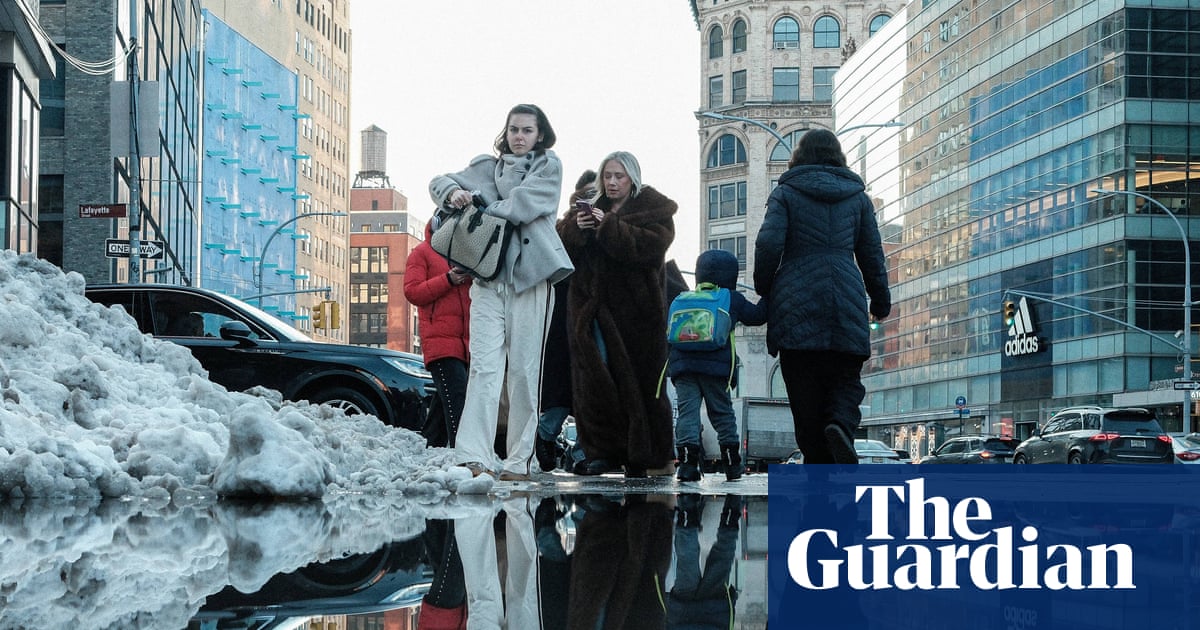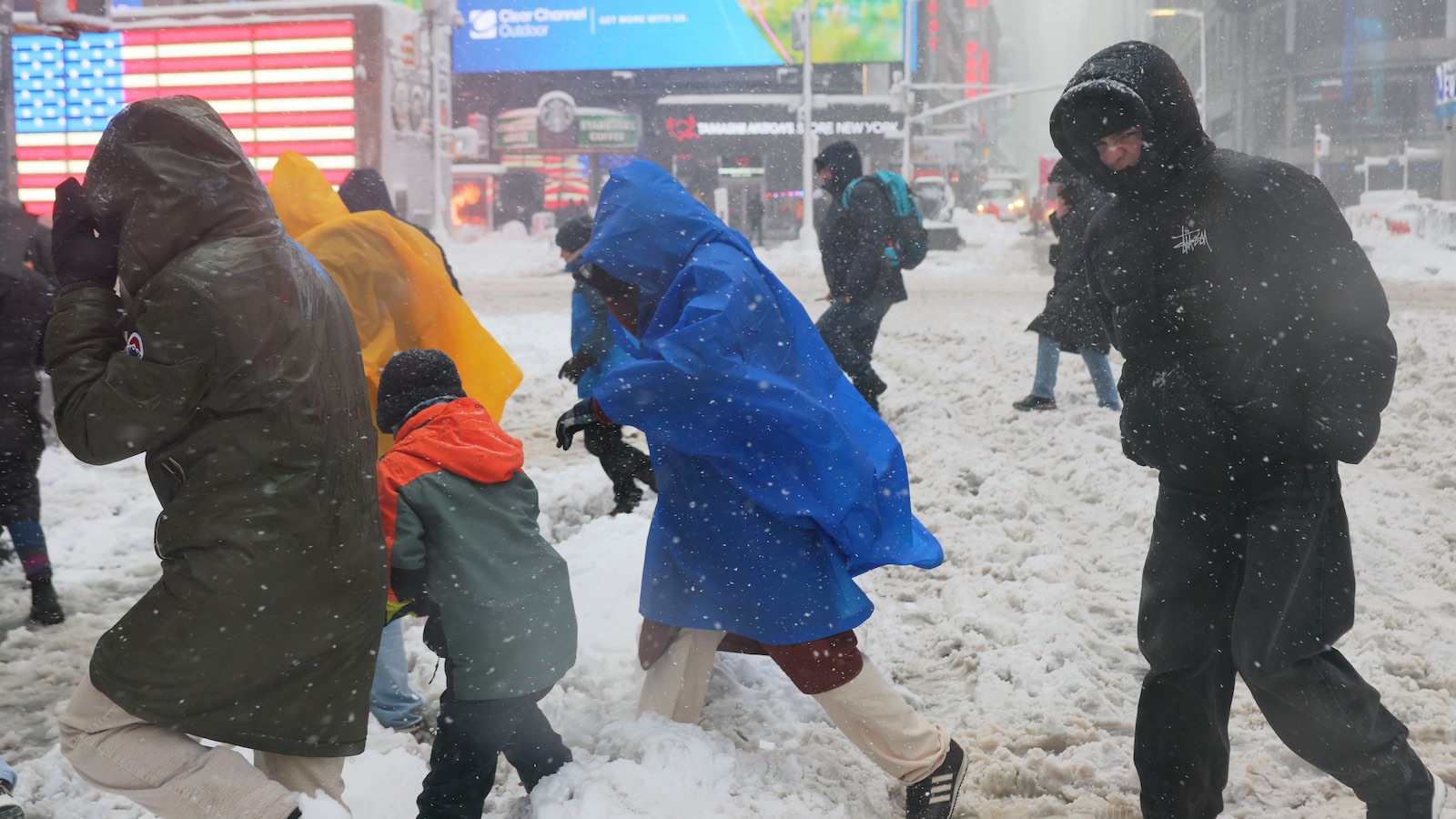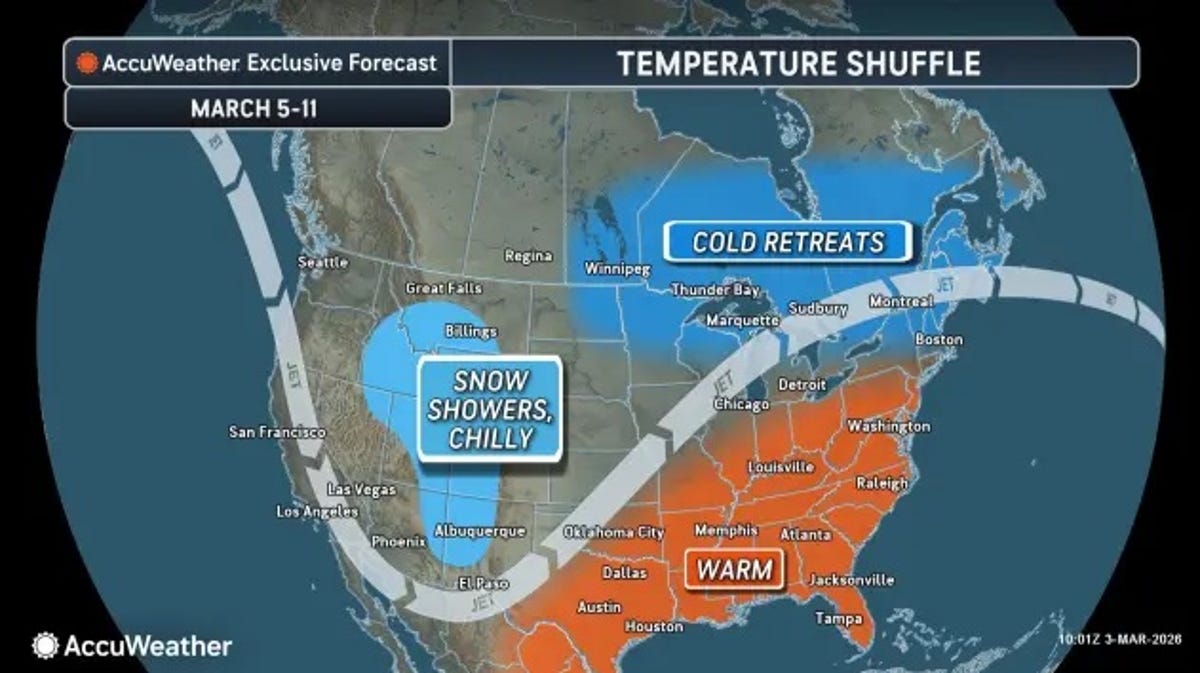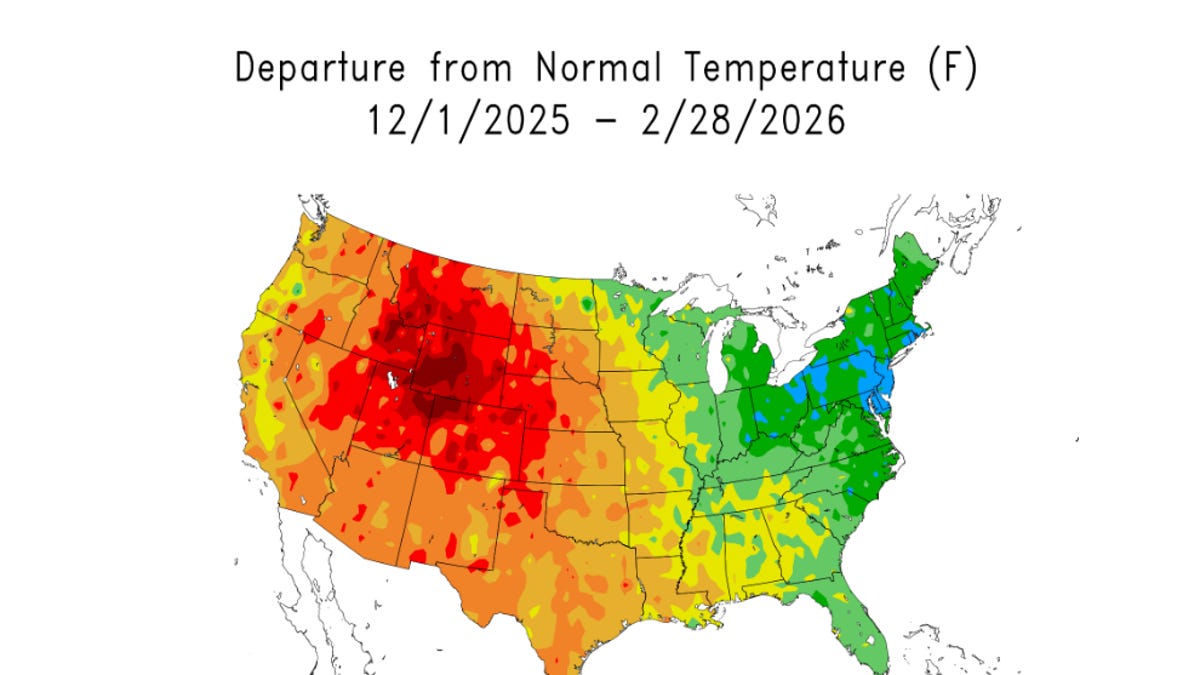
Across the United States, winter's chill is getting shorter by more than a week, even if it might not feel like it for those in the Northeast still thawing out from back-to-back winter storms.
A new Climate Central analysis shows that in 195 of 245 major U.S. cities studied, the period of historically winter-like temperatures has shrunk, with the coldest part of the year now lasting about nine days fewer on average, compared with 1970-1997 averages.
Climate scientists defined "winter" not by calendar dates but by the 90 coldest consecutive days in a historical reference period, then compared how long those winterlike conditions persist today versus several decades ago. In many places, winter now starts later and ends earlier, a clear sign that seasonal timing is shifting as the planet warms.
The trend spans regions from the Southeast and South to the Northeast and Upper Midwest. For example, in Erie, Pa., winterlike temperatures now begin about 10 days later and finish six days earlier than in the late 20th century.
Related