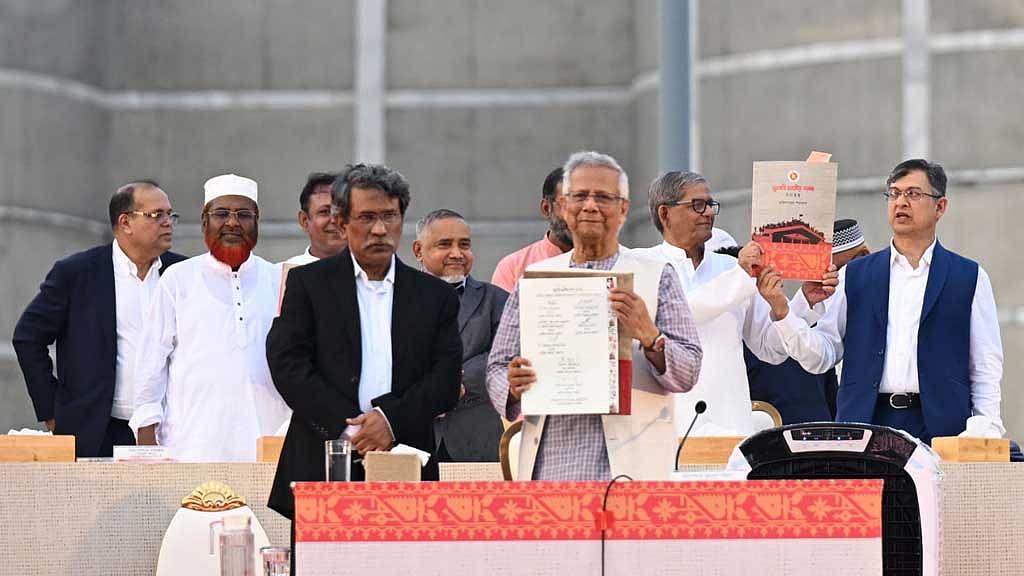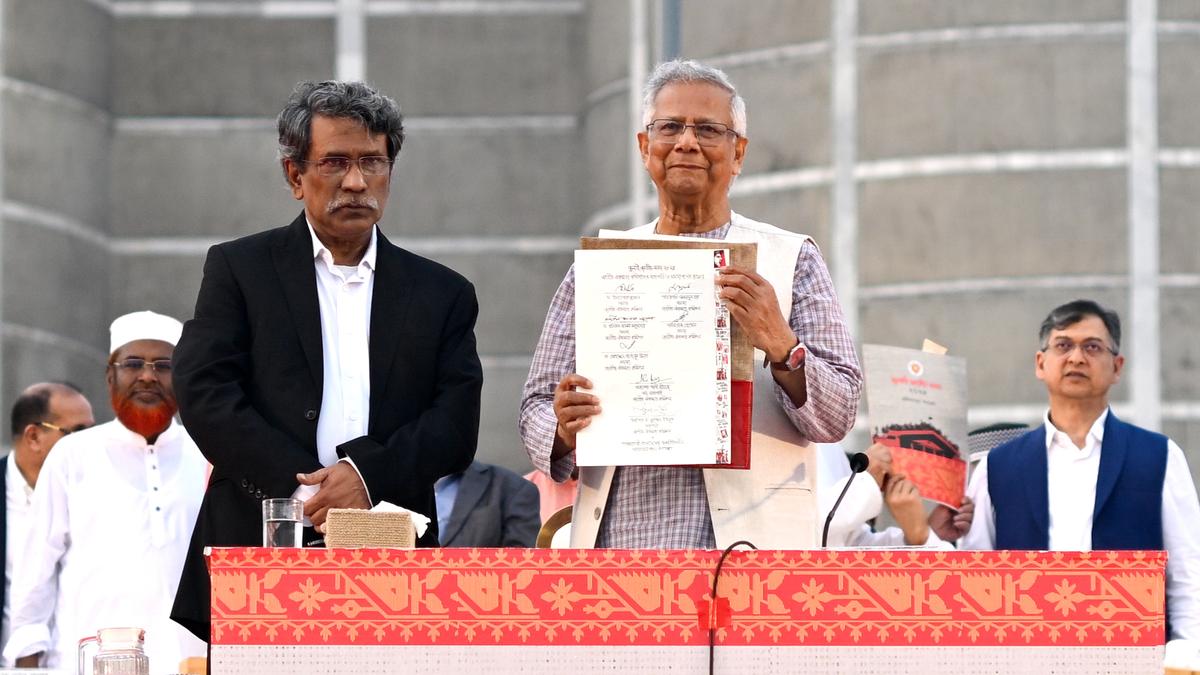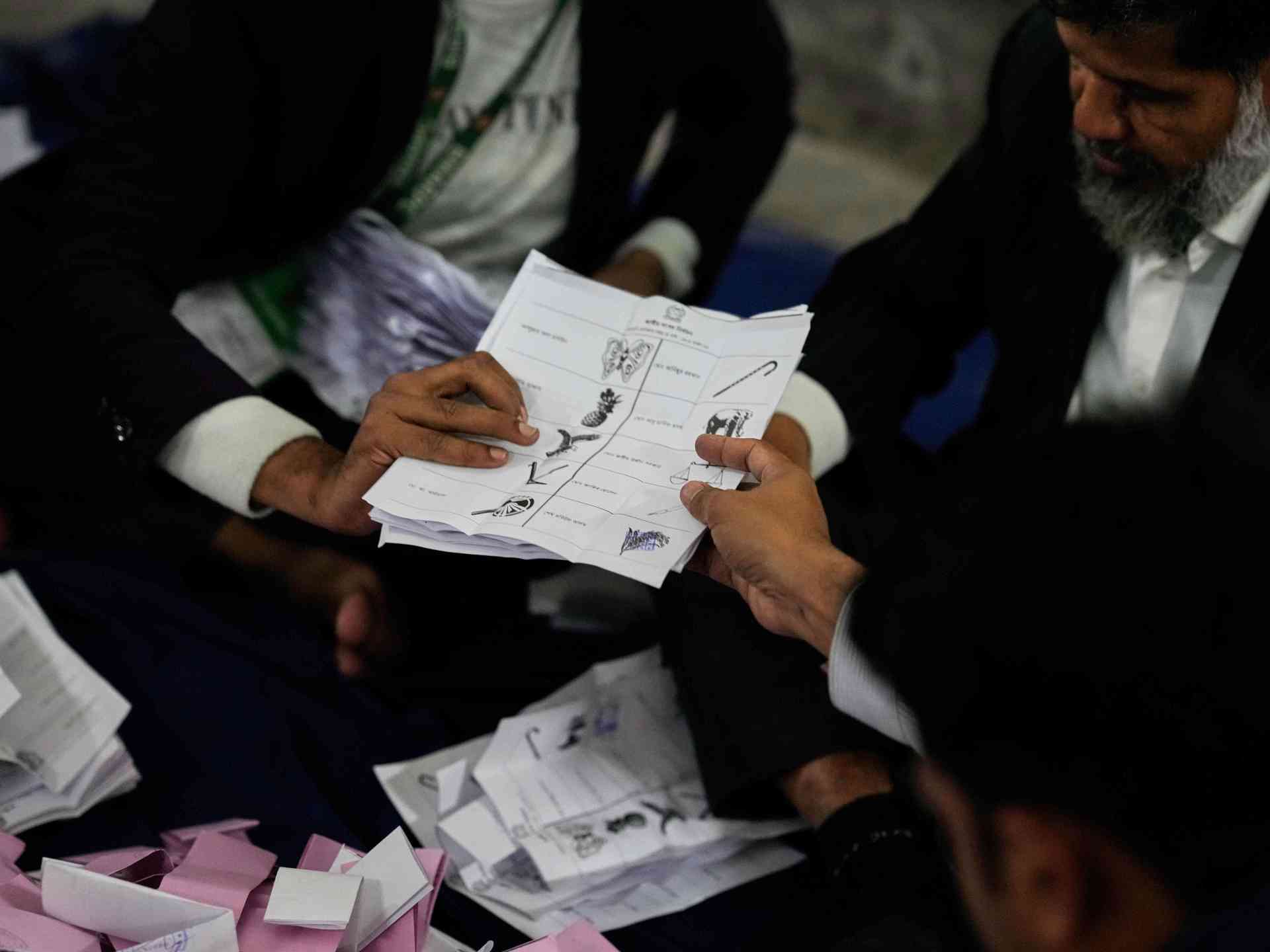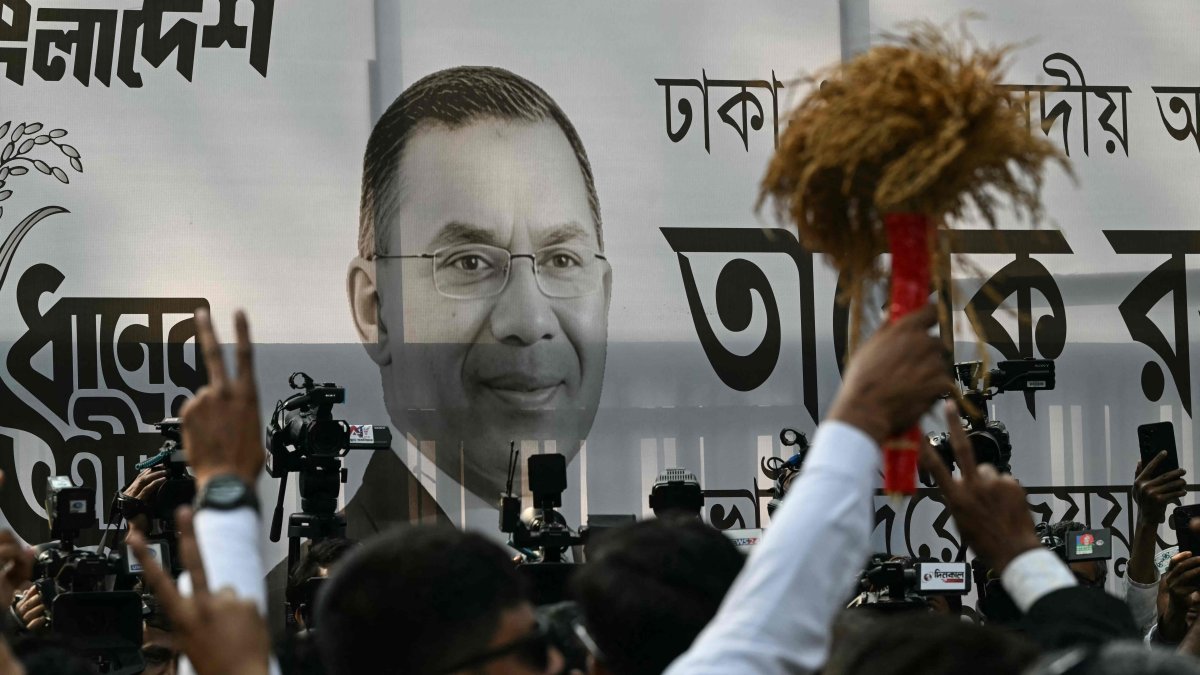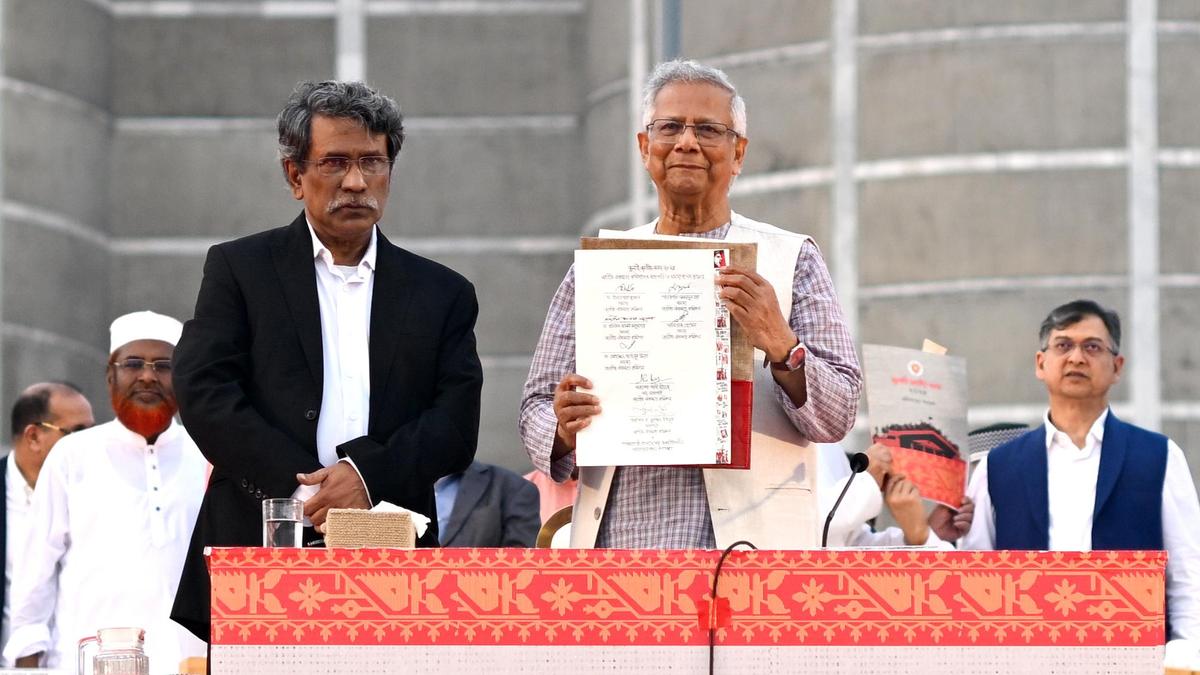
Bangladesh’s landmark referendum on constitutional reforms delivered a decisive mandate in favour of the July National Charter 2025, setting the stage for the most far-reaching reformation of the country’s governance framework since independence. According to official results published by the Election Commission, more than 48 million voters backed the Charter in the February 12 referendum, with 60.26% of participants voting “Yes”. The vote coincided with the country’s 13th parliamentary elections.
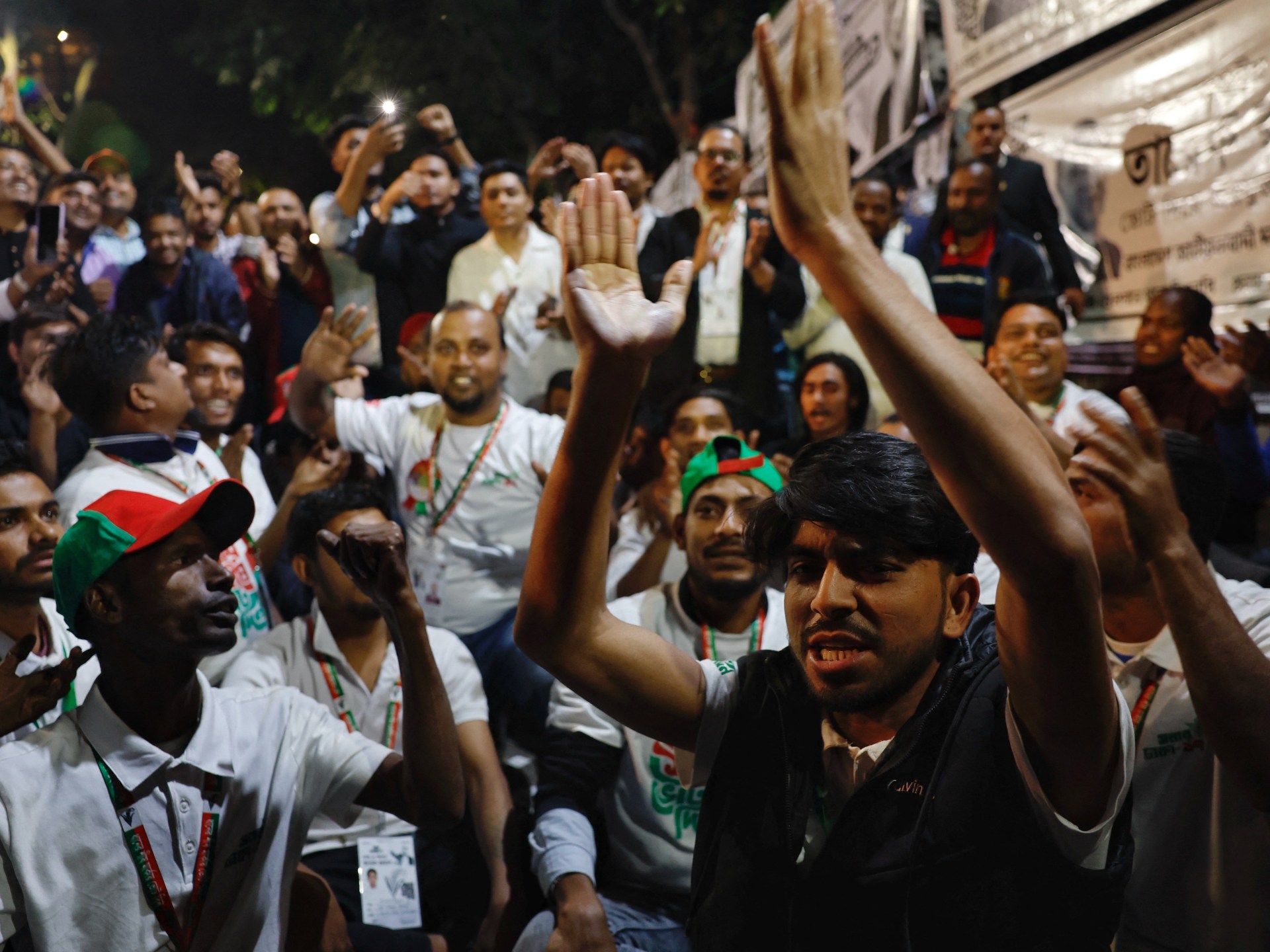
The endorsement places immediate political and legal obligations on the new government, being led by the Bangladesh Nationalist Party (BNP), which secured a two-thirds majority in Parliament. While the BNP signed the Charter last year, it did so with a note of dissent on several key provisions raising questions about how smoothly the reform process will unfold.
Elections in Bangladesh: looking towards the future | Explained
The July Charter is a 28-page reform blueprint born from the July 2024 uprising which toppled the 15-year rule of Sheikh Hasina. It consolidates over 80 reform proposals aimed at preventing what its architects describe as the “recurrence of authoritarian and fascist rule”.