This Q&A is part of America: 250 Years Bold, a CNBC multiplatform series highlighting the leaders, institutions and ideas that have shaped the United States over the past 250 years.
Dame Louise Richardson, president of the Carnegie Corporation of New York, leads one of the nation’s most influential philanthropic institutions. It has awarded more than $16.5 billion in grants since its founding in 1911. In this conversation, Richardson discusses Andrew Carnegie’s rise from immigrant to industrialist, his belief that wealth carries responsibility, and how his legacy continues to influence education, democracy, and opportunity in America today.
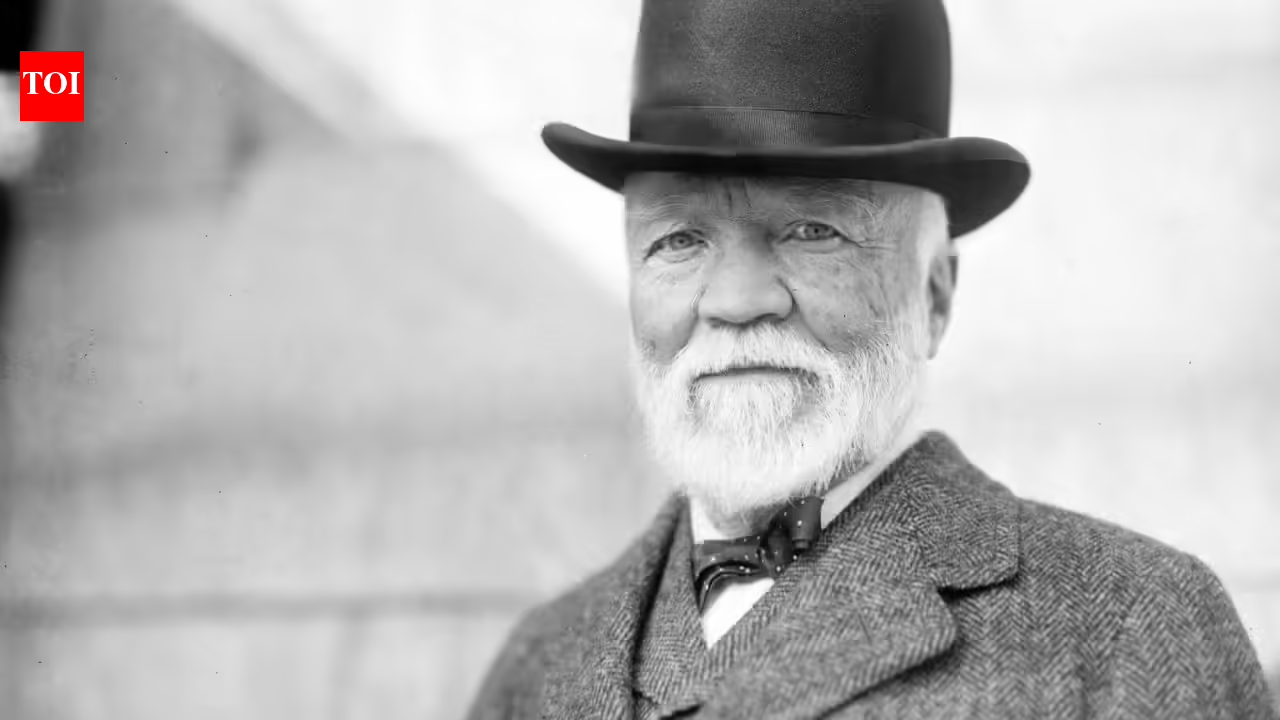
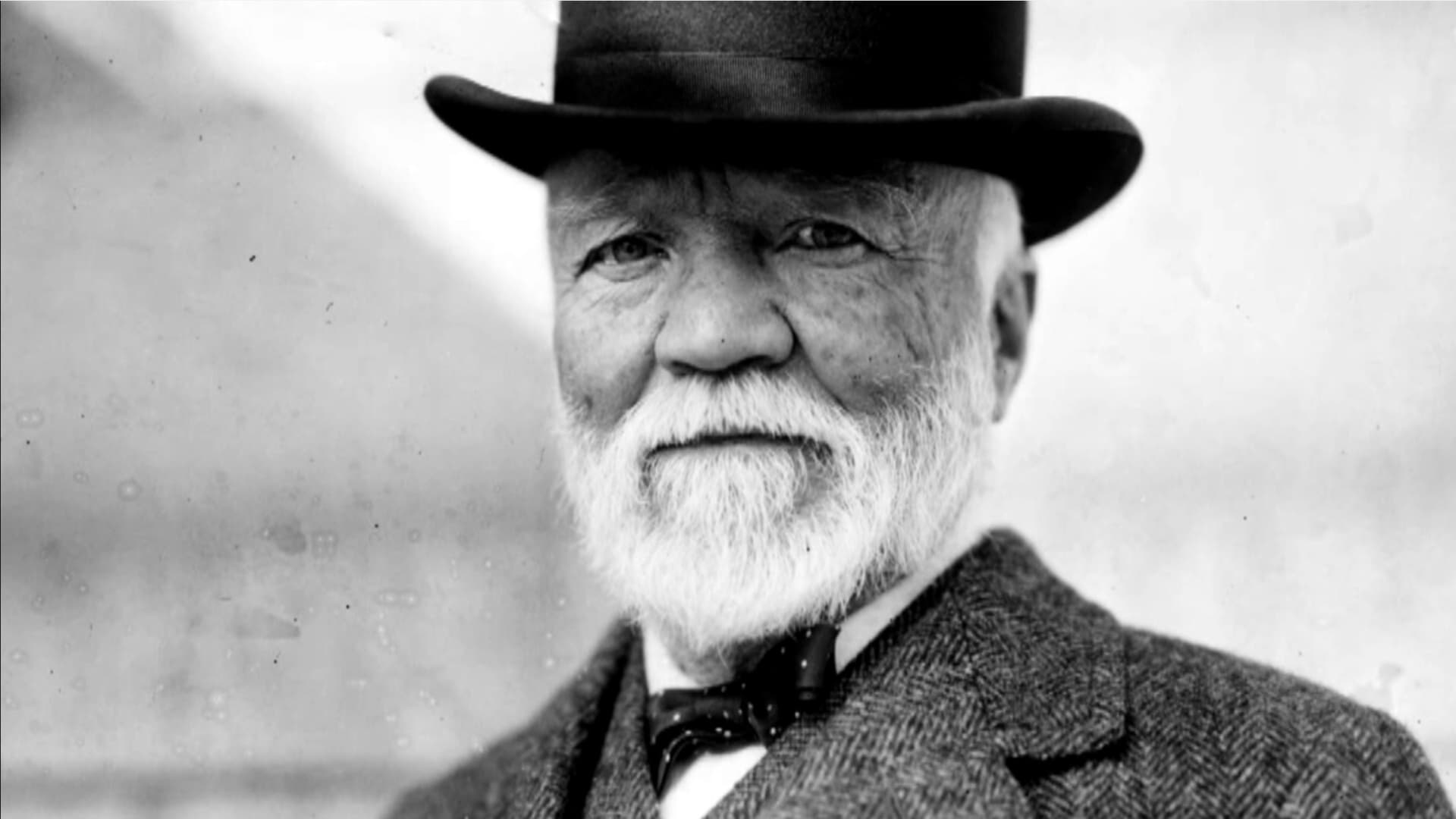
Richardson: Andrew Carnegie, in his day, was the richest man in the world. He was a spectacularly successful industrialist, but he was also the godfather of modern philanthropy. He pioneered scientific philanthropy. He pioneered philanthropy based on on evidence, and not to mention generosity. He was determined to give away his entire wealth for the greater good of the society from which he had benefited. He came from very humble beginnings in Scotland. His entire family lived in a single room upstairs while his father worked on the cotton loom downstairs. They were fairly destitute and had to emigrate. So they emigrated to Pittsburgh, where, at the age of 12, he became a bobbin boy in a cotton factory.