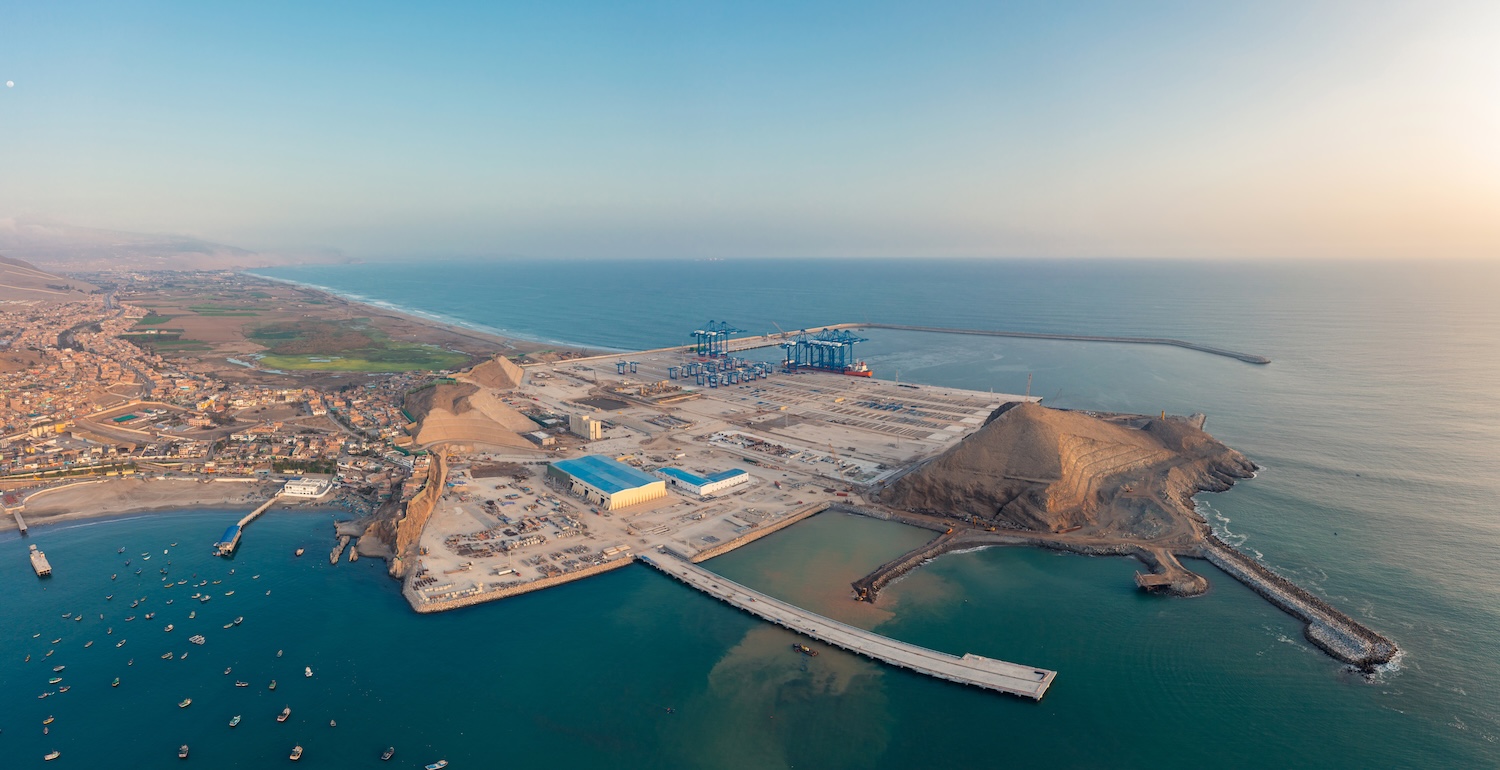
Feb. 17 (UPI) -- In recent weeks, Peru has found itself at the center of intensifying geopolitical attention. What appears at first glance to be infrastructure development and commercial expansion is increasingly viewed through a broader strategic lens: the growing competition between China and the United States in Latin America.
China's relationship with Peru is longstanding and multifaceted. A significant Chinese-descendant community has been part of Peruvian society for generations, particularly in commerce and gastronomy. That cultural integration is not in dispute. What is now being debated is the scale and strategic depth of Beijing's state-linked investments.
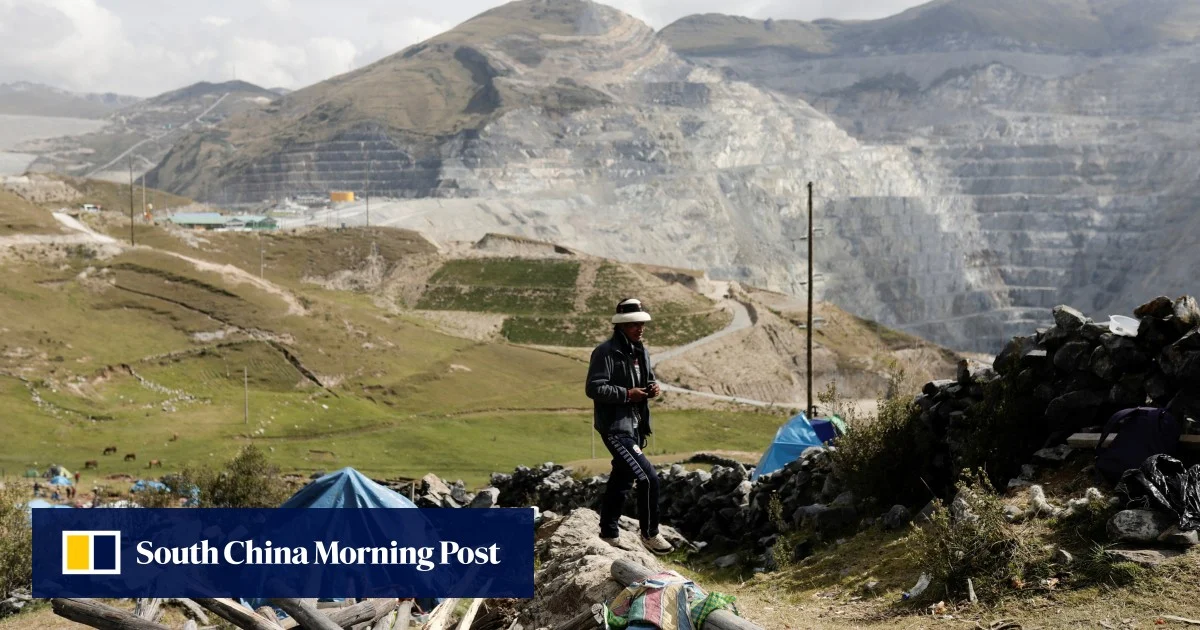
China has been Peru's largest trading partner for more than a decade. In 2023, bilateral trade exceeded $35 billion, driven primarily by copper, iron ore and agricultural exports. Chinese companies control or hold major stakes in several of Peru's largest mining operations, including the Las Bambas copper mine.
A regional pattern with a Peruvian focal point
Peru is not alone in navigating this dynamic. Across Latin America, Chinese firms have secured major roles in strategic infrastructure, including port facilities in Panama, energy and mining assets in Ecuador, and extensive investments in Brazil's electricity transmission and agricultural sectors. What distinguishes Peru is the combination of large-scale mineral wealth and access to the Pacific, coupled with relative institutional stability -- attributes that make it a focal point for both global powers.