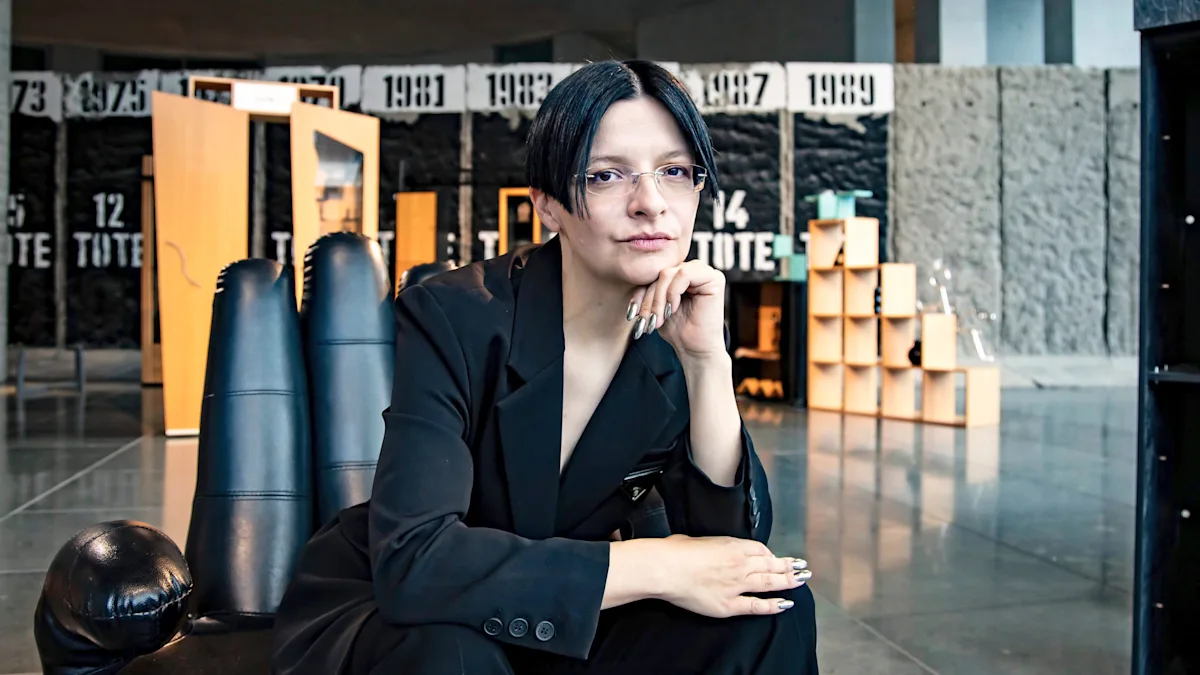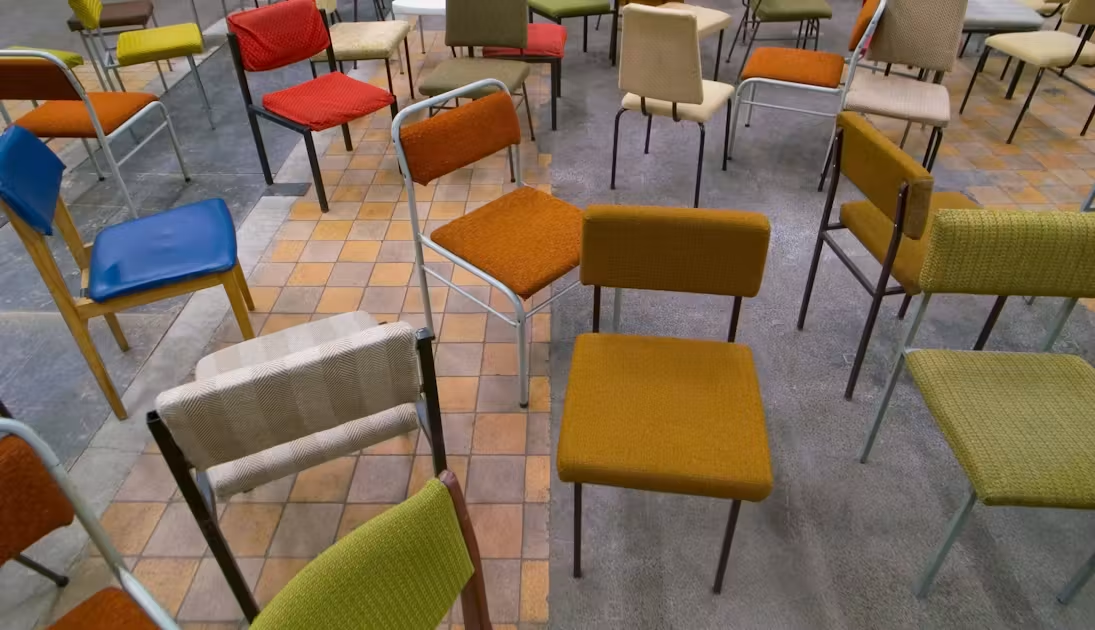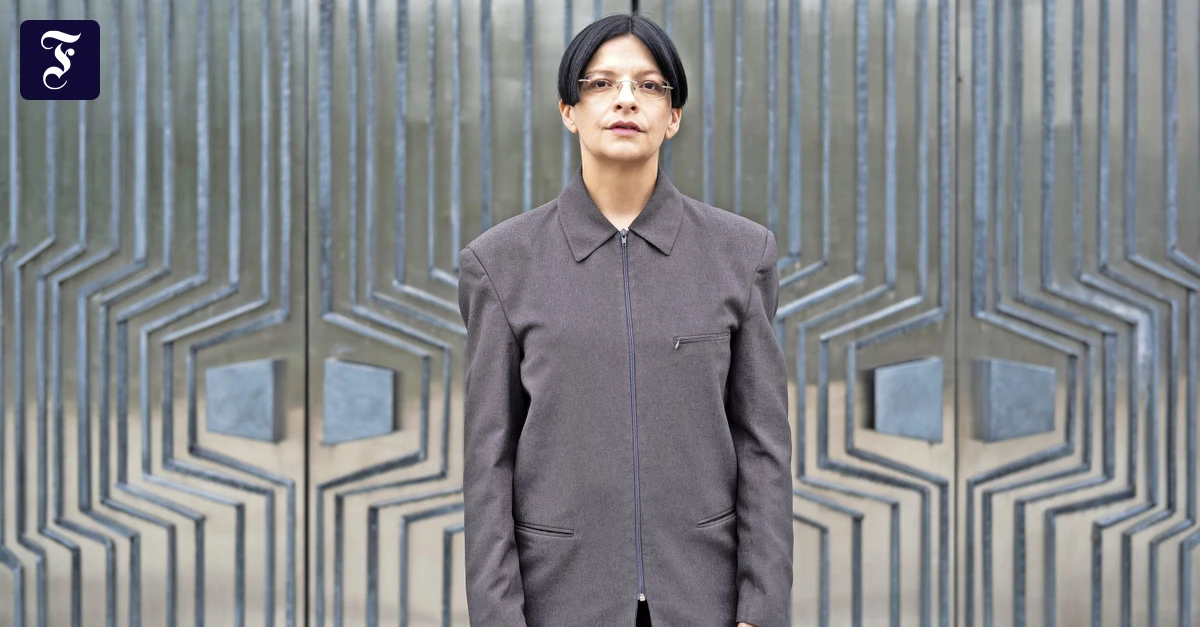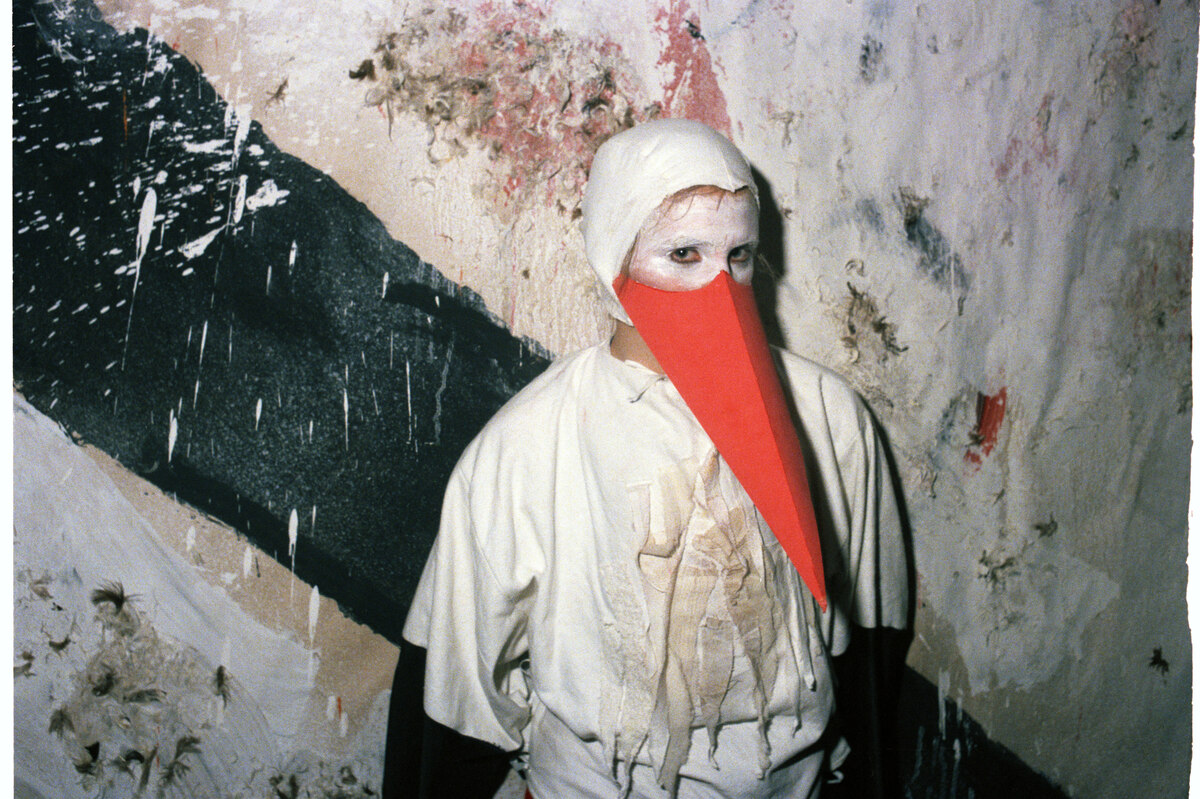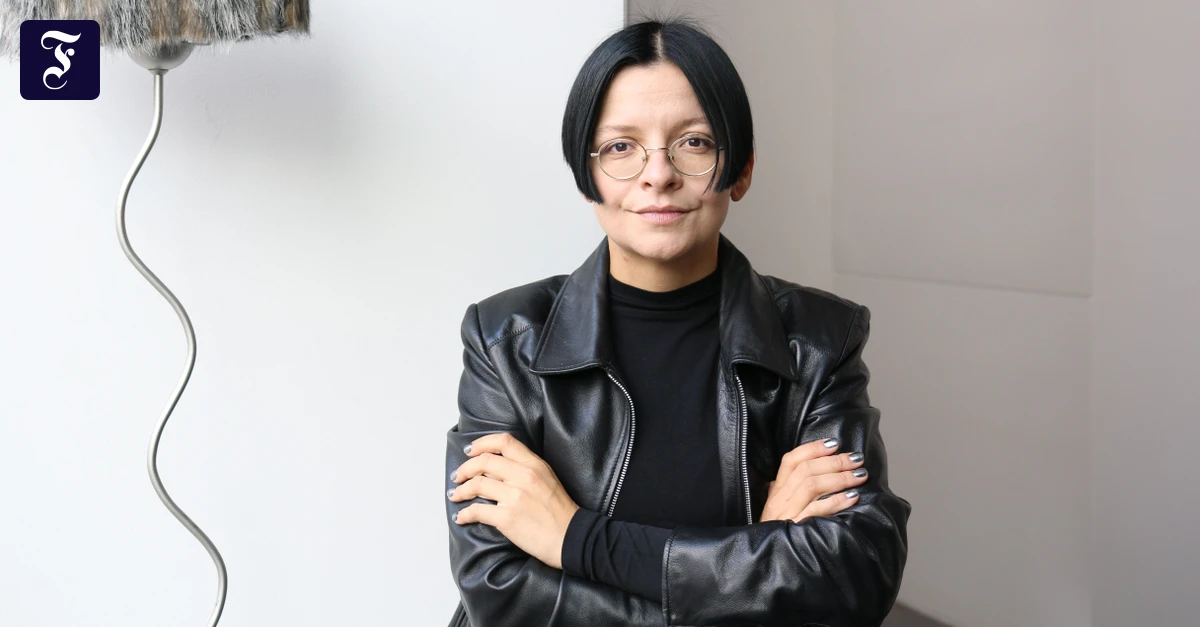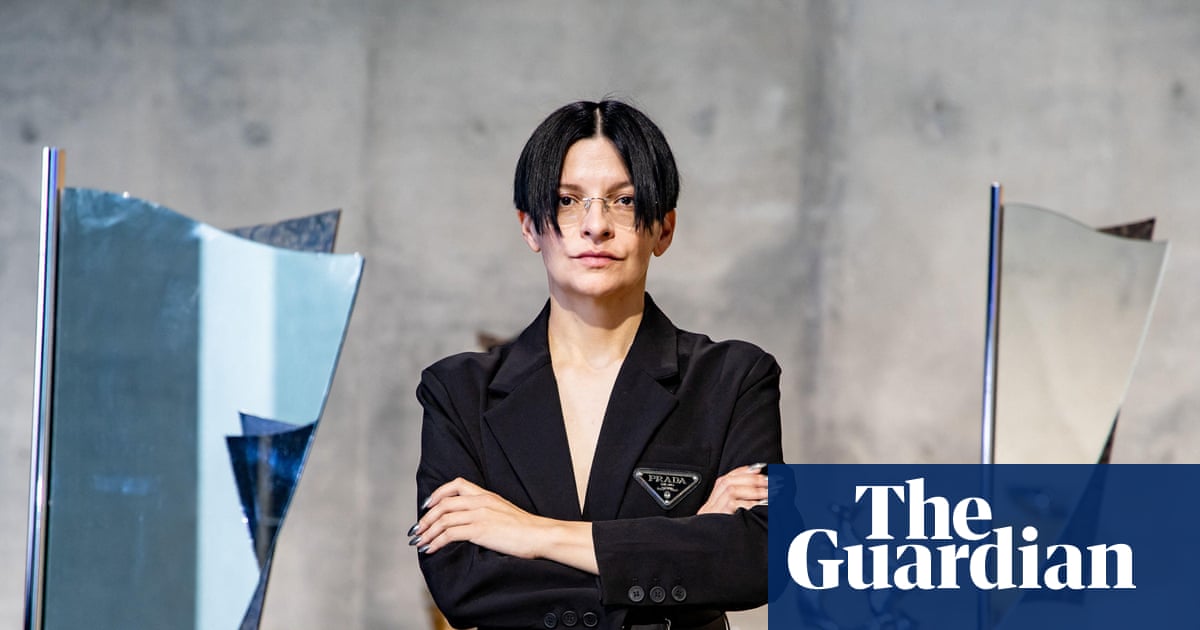
The East German-born artist, who has died aged 41, came of age in a deeply dysfunctional landscape, using furniture to reveal schisms masked by unification
M
ourning has many colours and many layers. One mourns people. But one can also mourn a state, a system, an ideology – even those that were deeply flawed. In 2019, the artist Henrike Naumann built an East German living room and rotated it by 90 degrees. The sofa, chairs and coffee table – all in the unmistakable aesthetic of the 1990s – climbed the wall. The carpet became vertical. Cabinets hovered near the floor alongside a CD rack, baseball badges and a flag bearing a slogan in Sütterlin script: “Beware of storm and wind and East Germans who are enraged.”
The installation – titled Ostalgie (a portmanteau of the German words for “east” and “nostalgia”) – made physical what many had felt but struggled to articulate: the collapse of the GDR and its aftermath for those who had lived through it and felt it on some level as a loss. That rupture was not abstract. It tilted the room. It unsettled the ground beneath your feet.
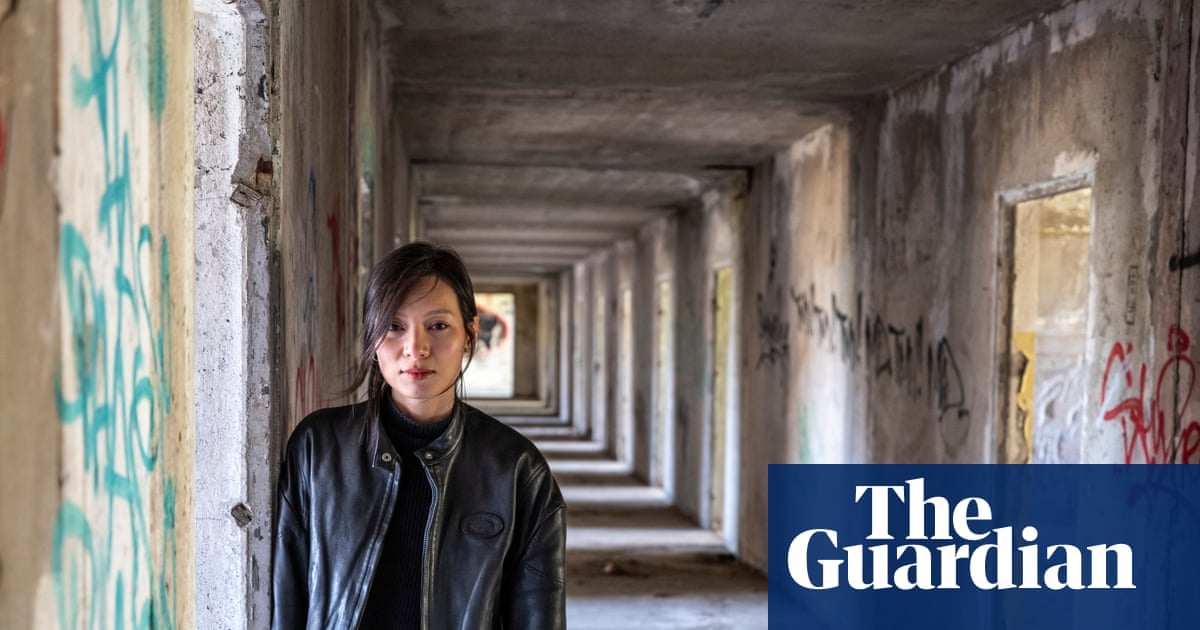
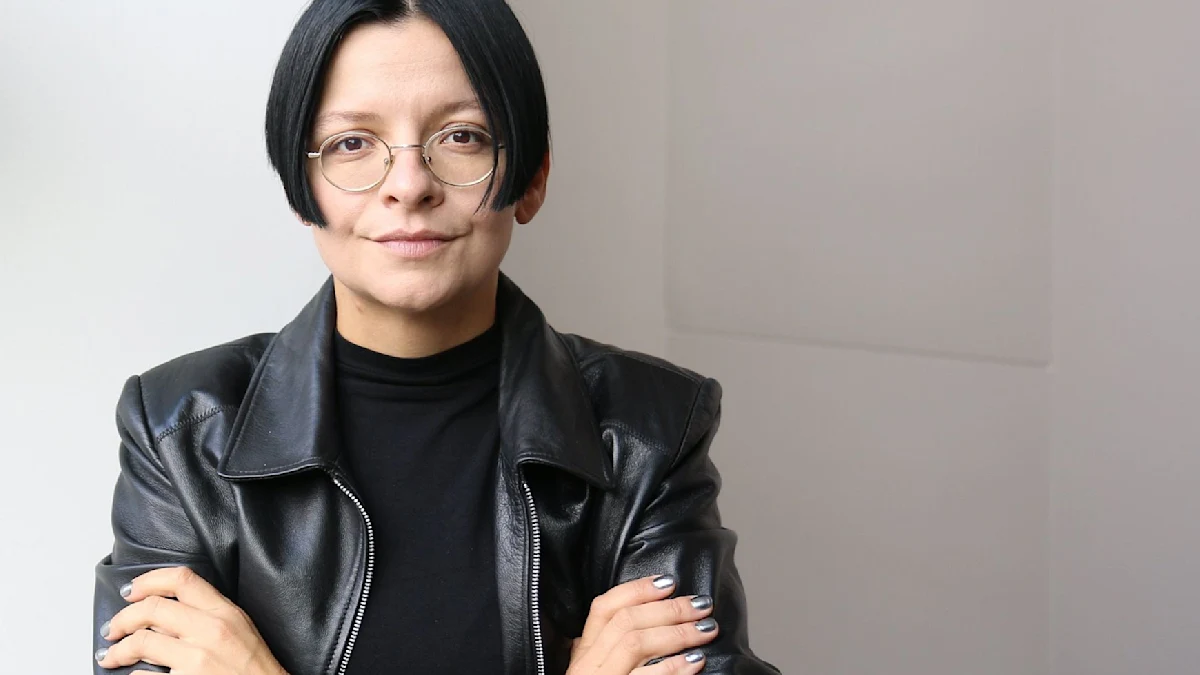
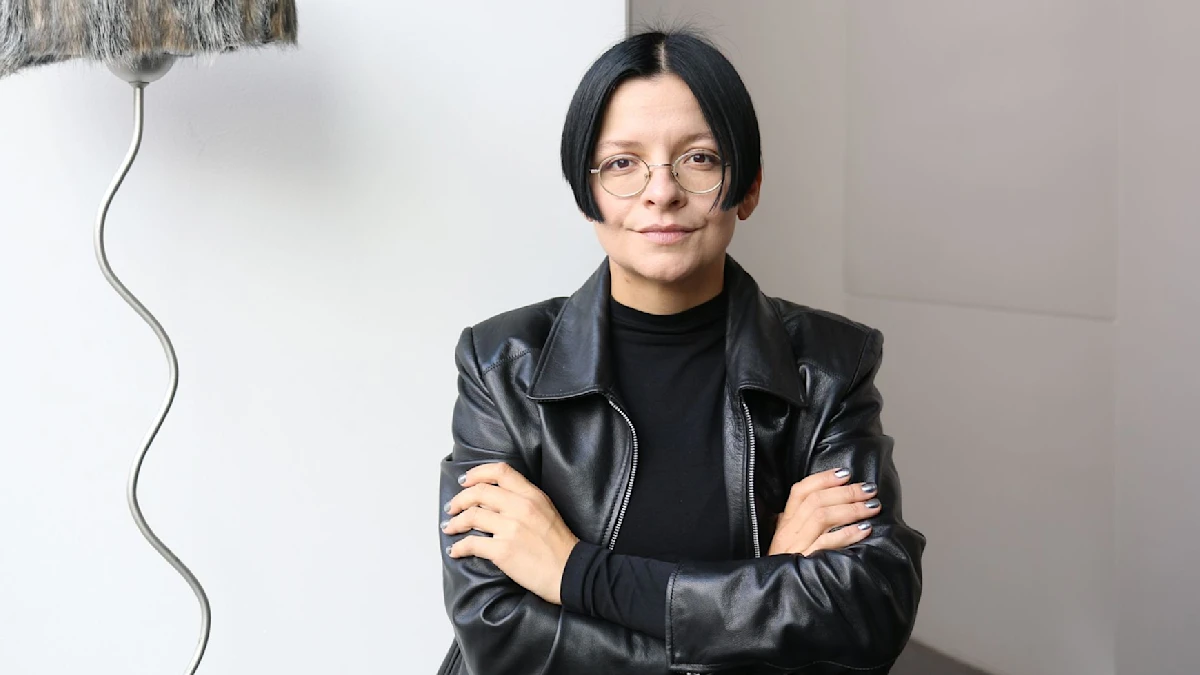
Few artists examined the emotional infrastructure of German reunification – and its global resonances – with such power and clarity as Henrike Naumann, treating design history as social history and redefining what political art could look like. This weekend, on 14 February, she died at the age of 41, after a cancer diagnosis that came too late. In just a few months, the world will see her work at the German pavilion at the Venice Biennale, which she has conceived in tandem with the artist Sung Tieu but will now never get to see in situ.