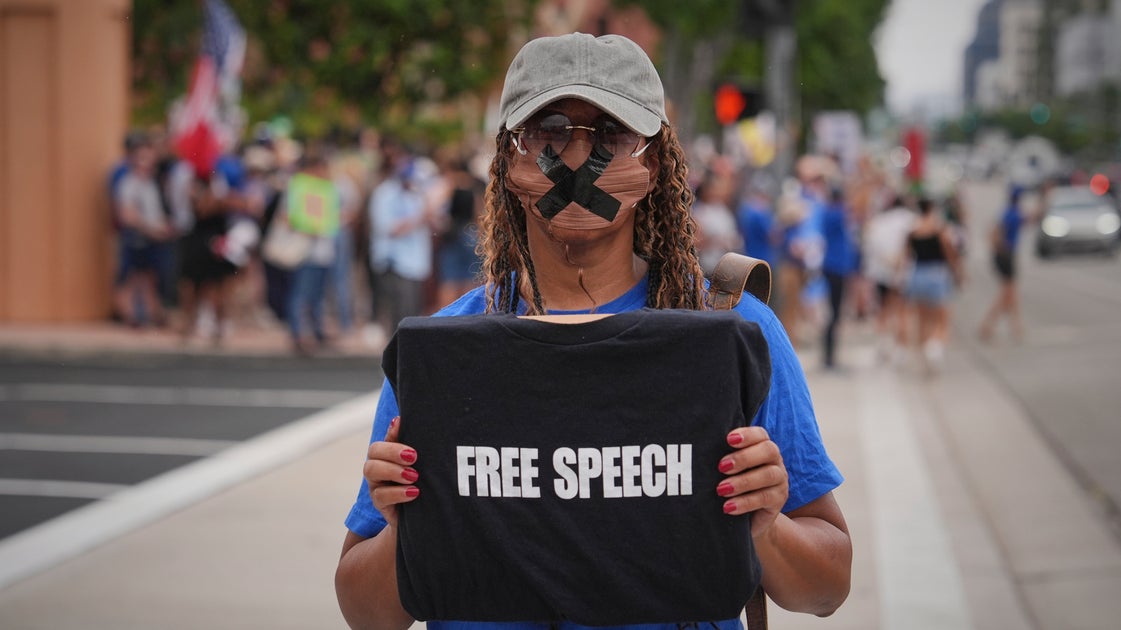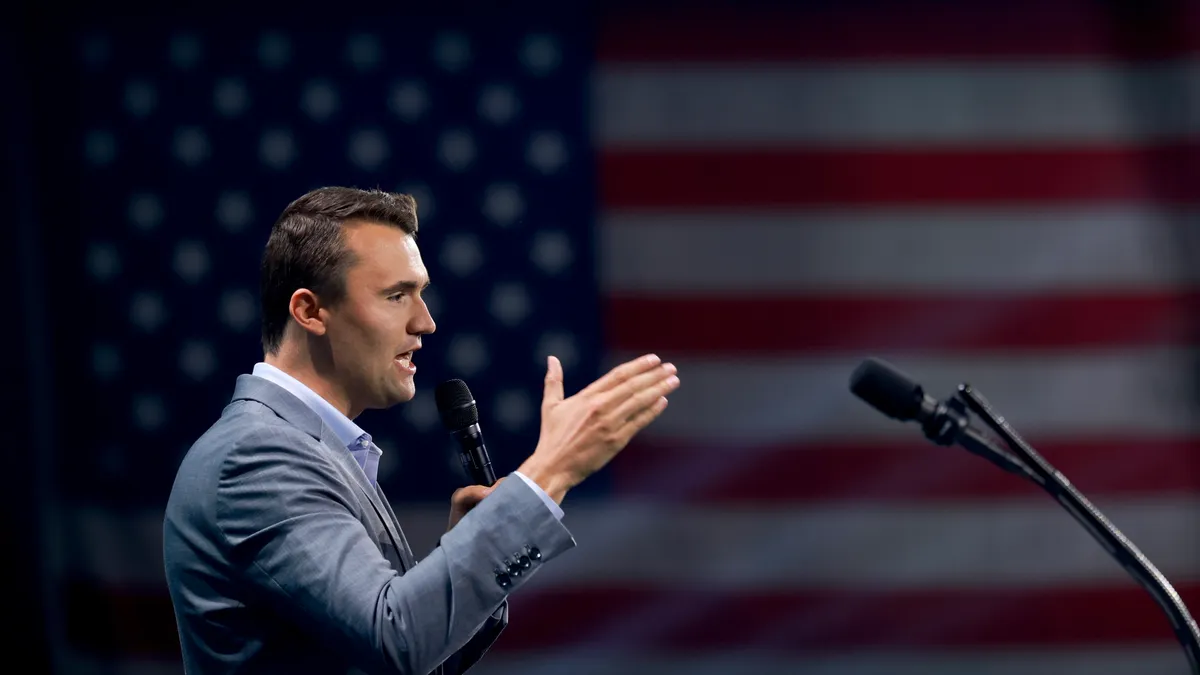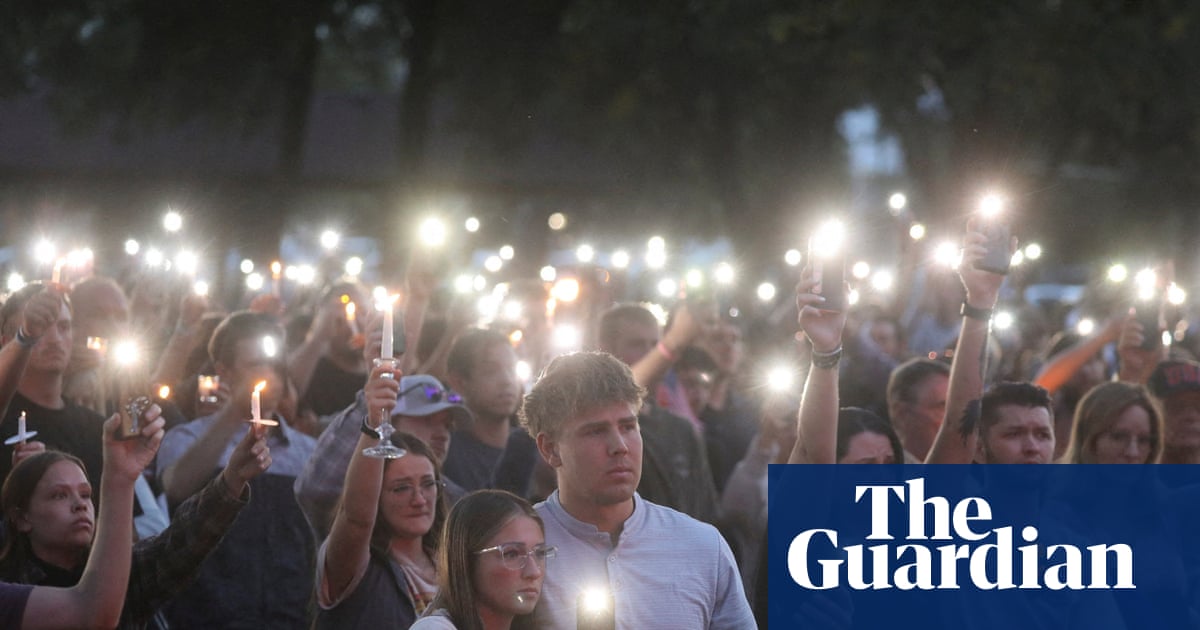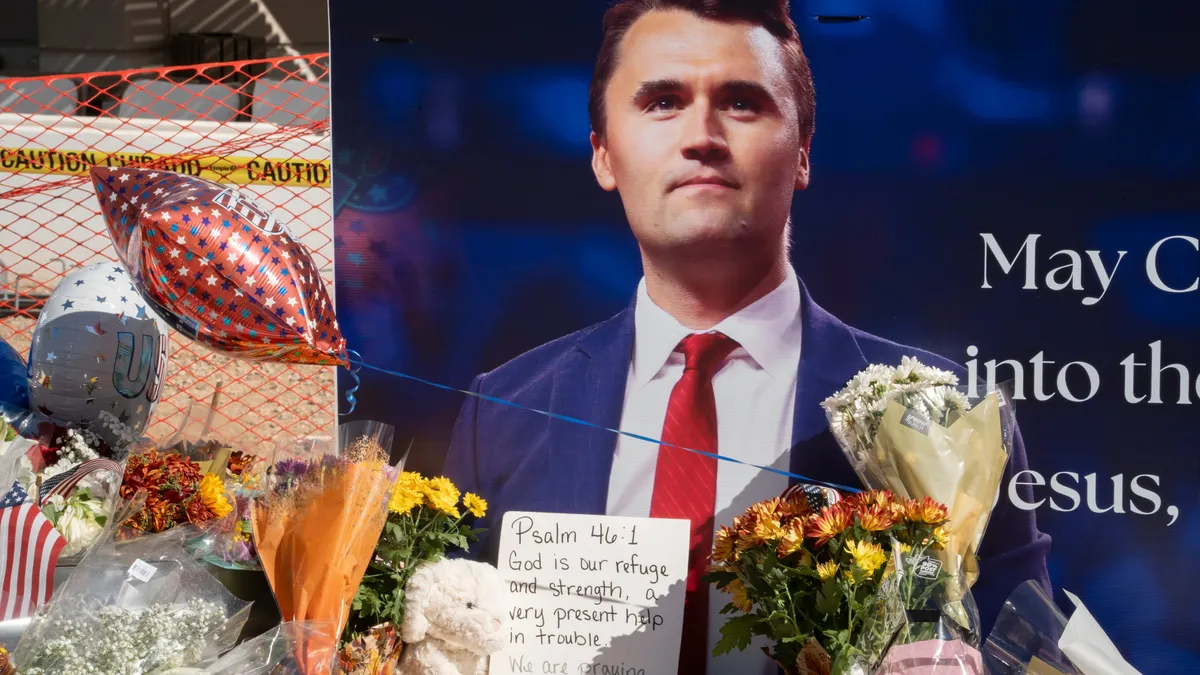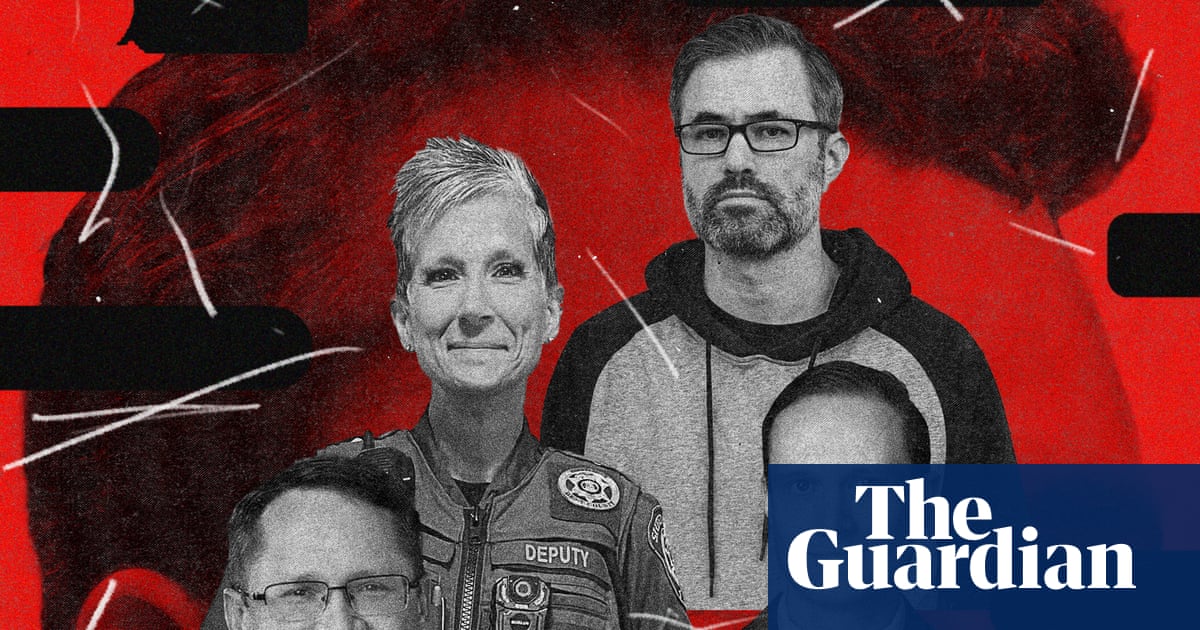
Acolytes of the far-right activist urged employers to fire his critics. Now those who were terminated are suing and claiming their right to free speech
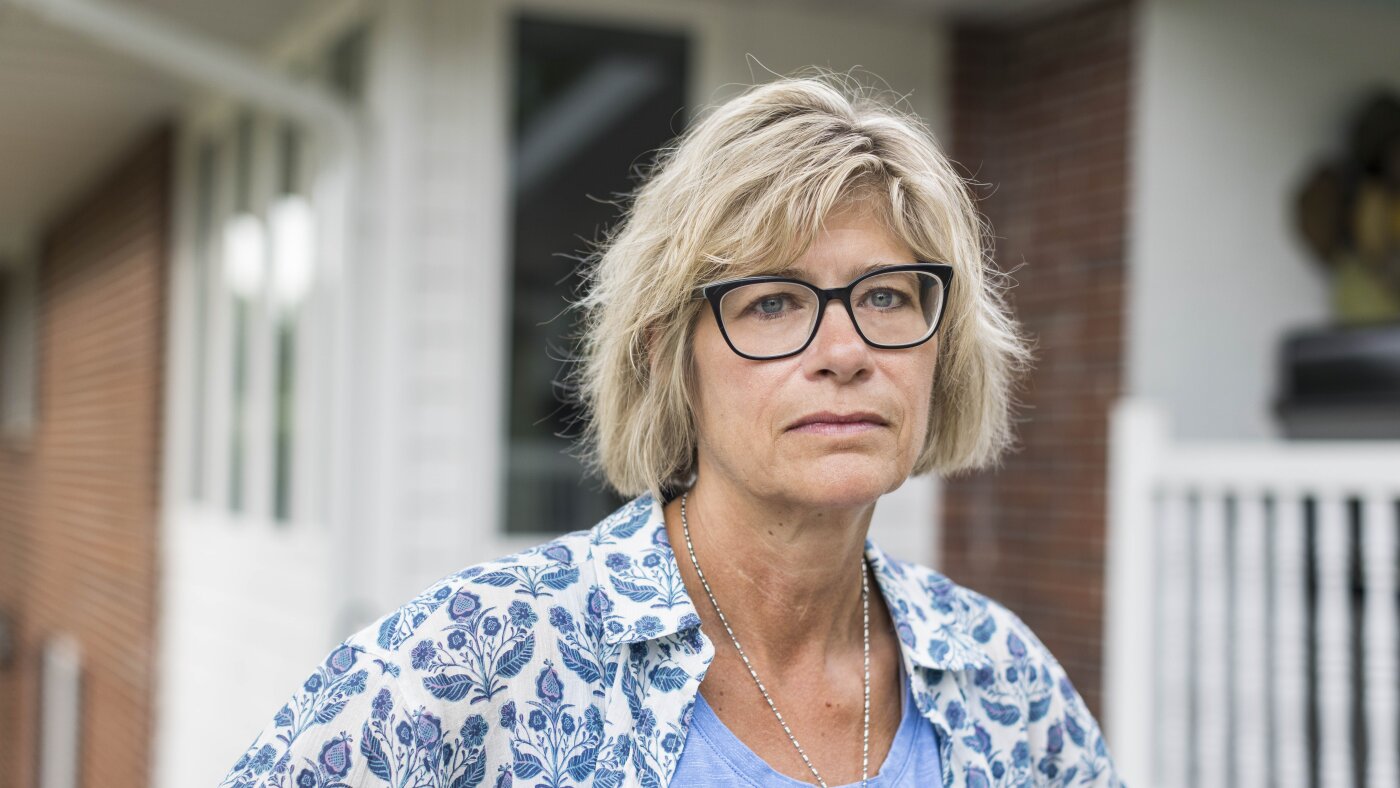
Julie Strebe, a 55-year-old sheriff’s deputy in the small Bible belt town of Salem, Missouri, was on a date with her husband at a Buffalo Wild Wings when her husband slid his phone across the table. On Facebook, people were demanding Strebe’s immediate termination, calling her a “wacko” with “extreme mental health issues”.
It was the afternoon of 13 September 2025, just a few days after Charlie Kirk had been killed by a sniper’s bullet on a college campus. Shortly after his assassination, Strebe had posted on her personal Facebook page: “Empathy is not owed to oppressors.” In comments underneath, she did not mince words. She called Kirk a racist, a sexist, an antisemite and the kind of person who wants to see gay people, like her own son, stoned to death. “I don’t feel bad,” she says, months later, speaking from her home. “I refuse to feel bad for this man, and the hateful things he stood for.”
When she heard people were calling for her to be fired, Strebe told her superiors that she would take her offending posts down. But it was too late. Her posts had escaped containment. On Facebook, and in phone calls to her workplace, she was called a lunatic with a badge and gun or a “corrupt cop”, who couldn’t be trusted to execute her duties as law enforcement. Some locals apparently worried that if Strebe pulled them over for a routine traffic stop, she might fire her weapon at them if they were wearing a Maga hat.