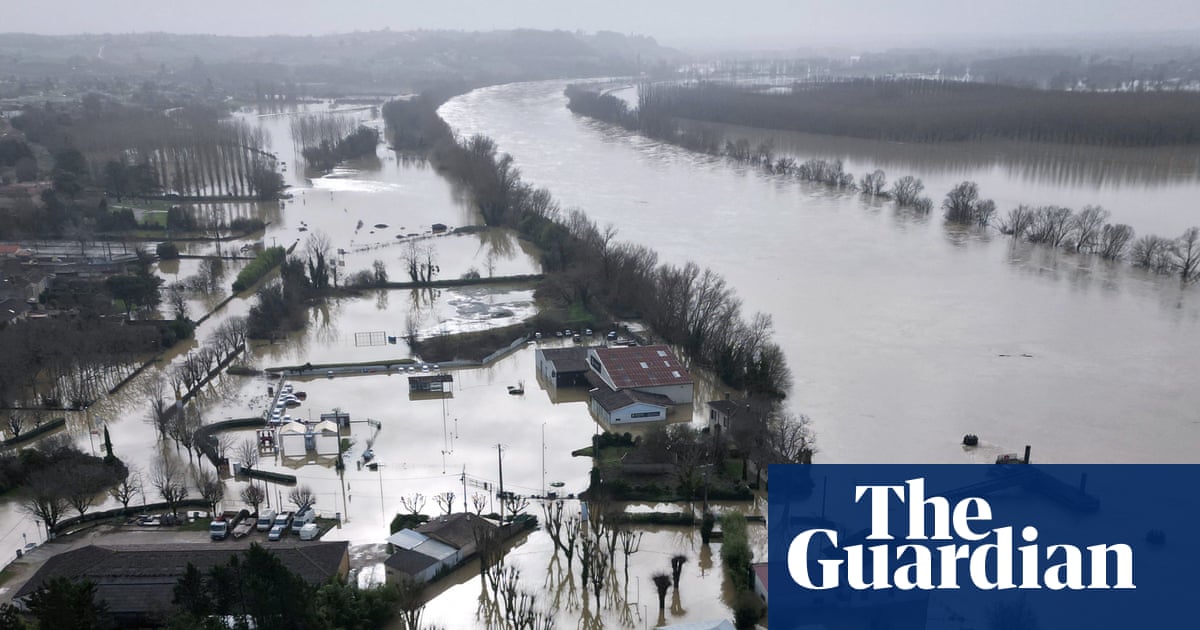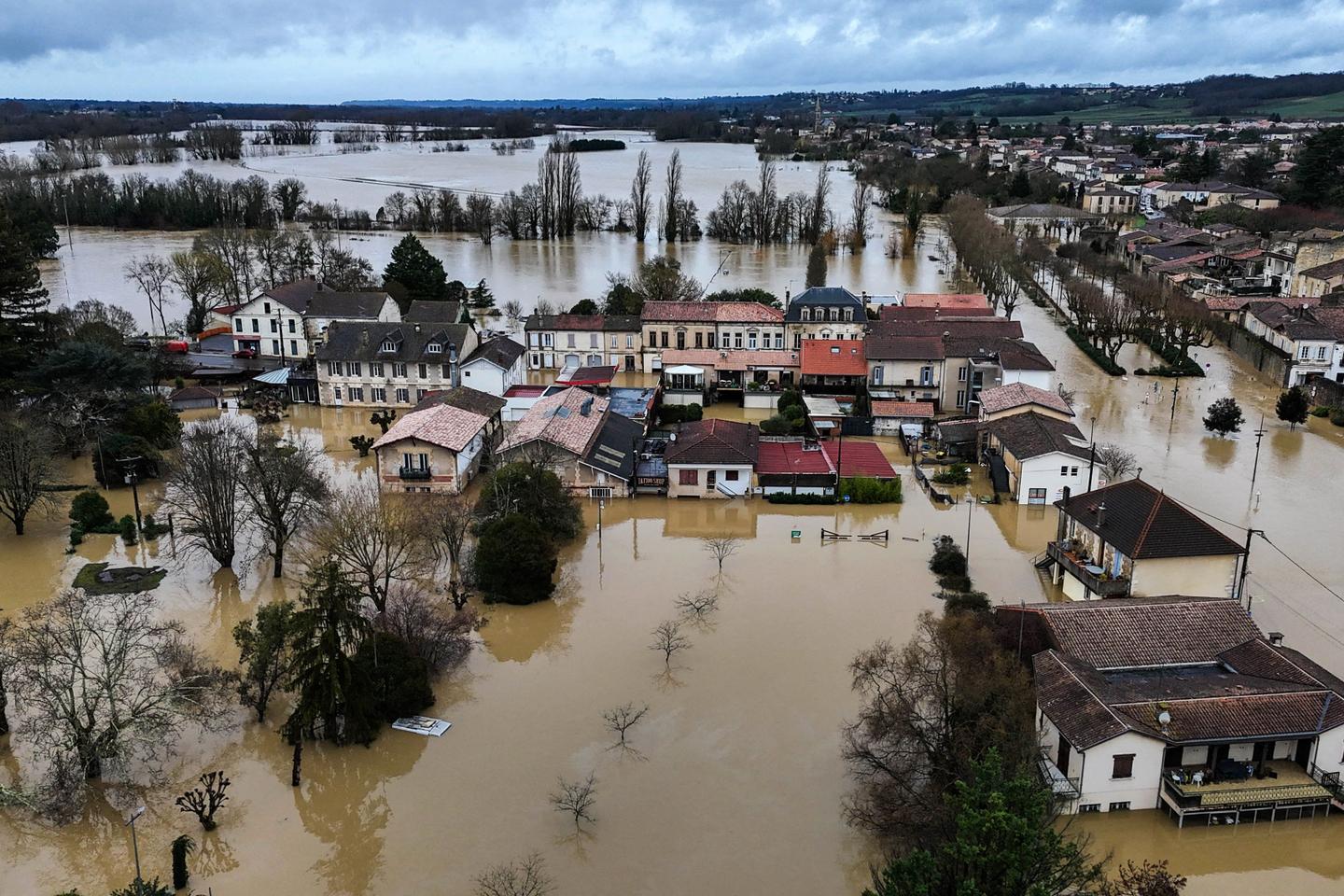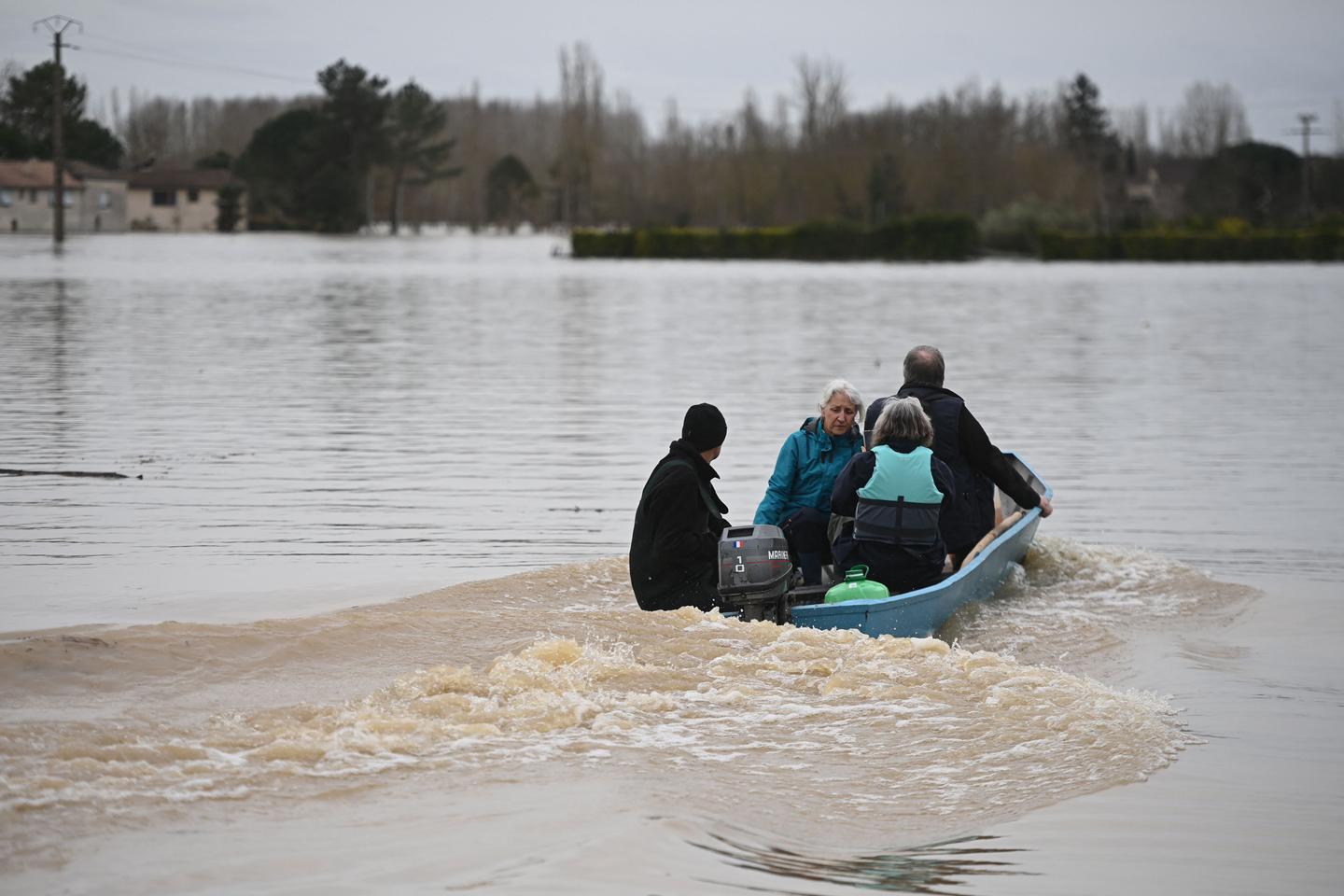
Residents living along the Garonne evacuated their homes by boat in Tonneins (Lot-et-Garonne) on February 13, 2026, after the river overflowed its banks. CHRISTOPHE ARCHAMBAULT/AFP
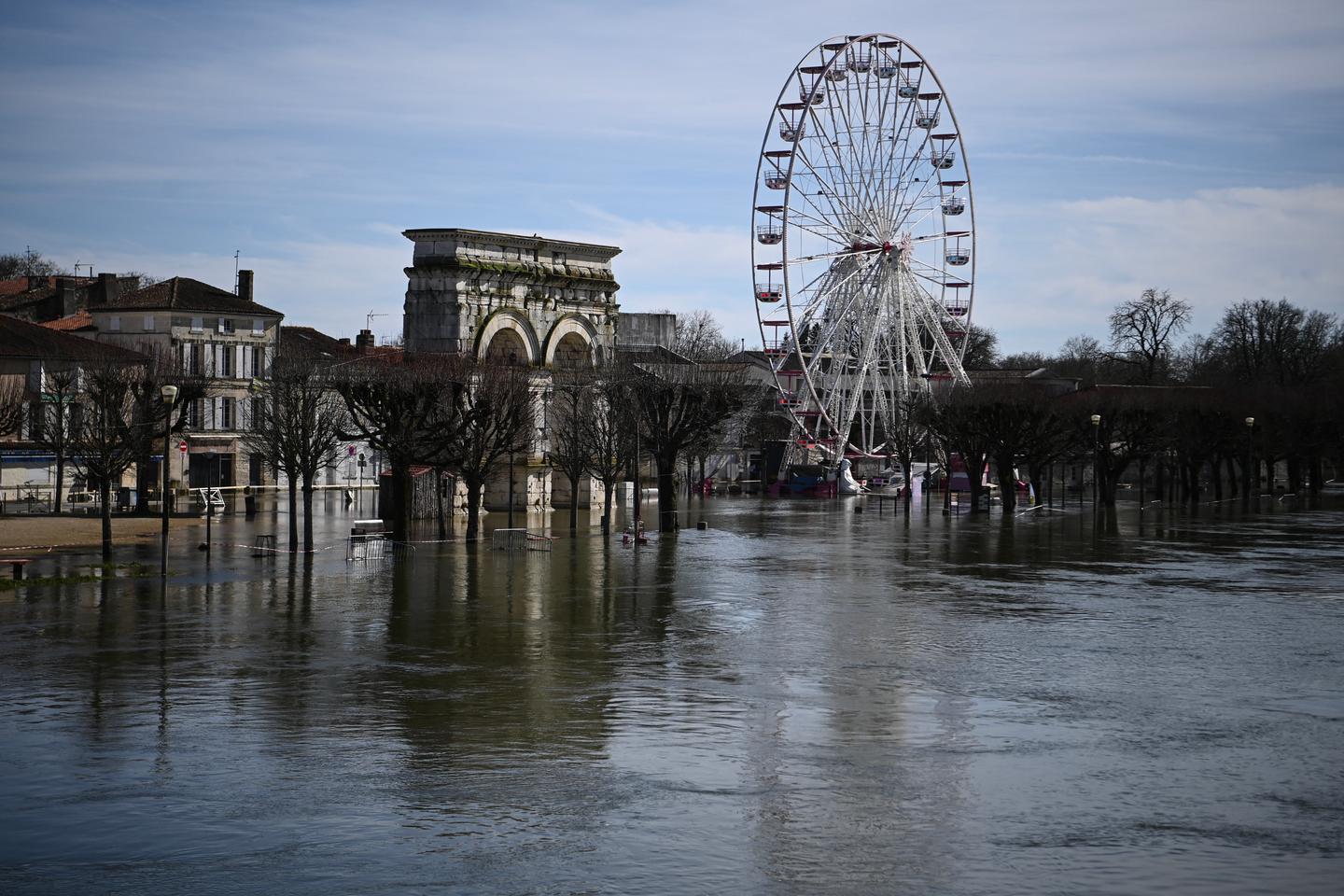
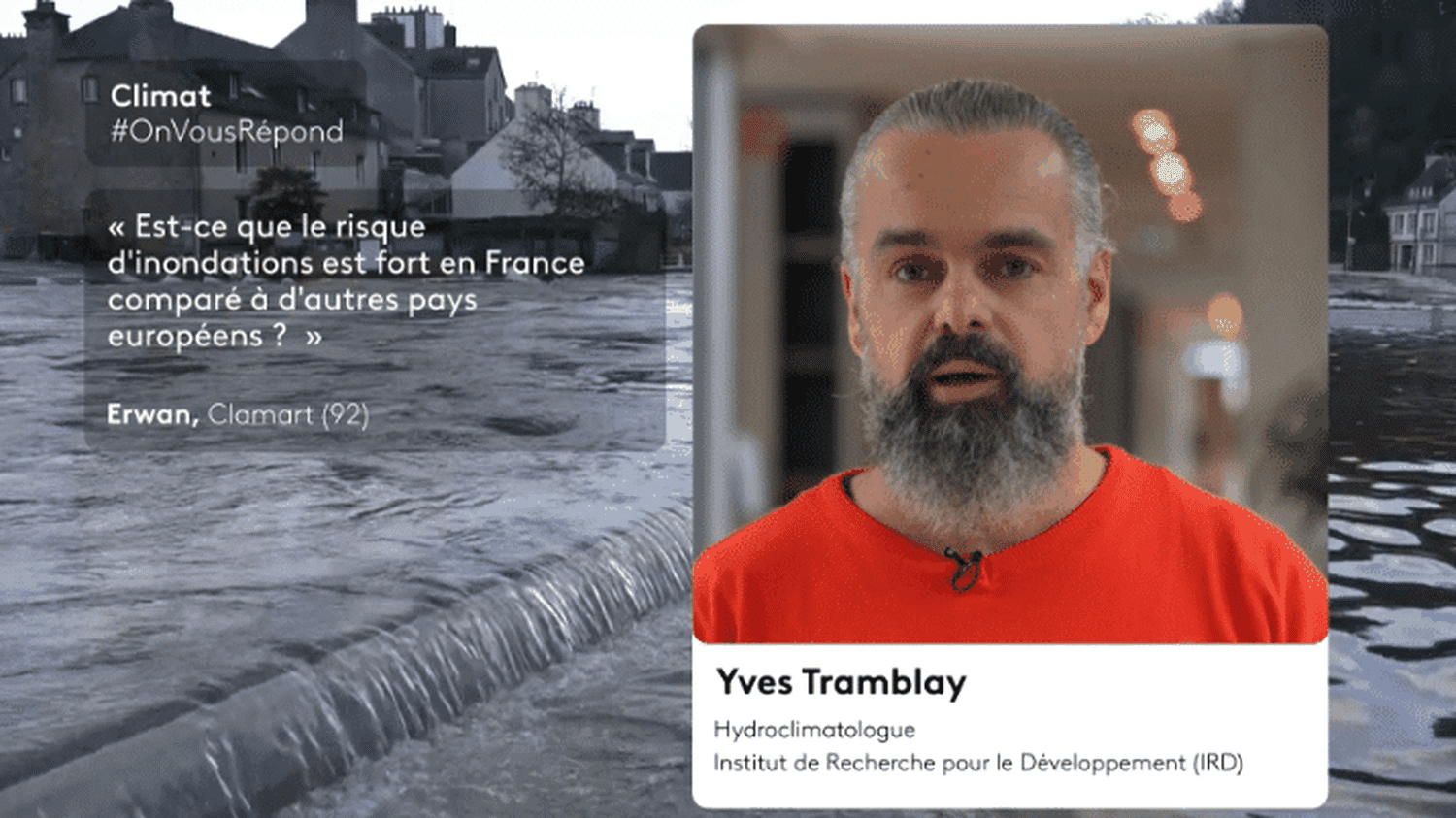
France has been experiencing an unprecedented situation of "generalized flooding across the entire national territory, because all the soils are saturated everywhere," stated Vigicrues, the public agency responsible for informing the public about flood risks, on Saturday, February 14. "We have broken all our records," added its director, Lucie Chadourne-Facon. By Sunday, the Garonne river reached a "plateau," but water levels could rise again in the coming week due to more storms, according to the prefectures of Gironde and Lot-et-Garonne. Françoise Vimeux, research director at the Institut de recherche pour le développement (IRD), noted that violent storms like Nils are not new, but that their impacts have been worsened by climate change.
Are the storms affecting France the result of climate change?
Based on observations from recent decades, there has been no detectable impact of climate change on winter storms in France – not in their frequency, their path or the intensity of the winds they bring. France has faced a series of extreme weather events in recent weeks, but it has experienced similar events in the past: Lothar and Martin in December 1999, Xynthia in February 2010, to name just the most significant.