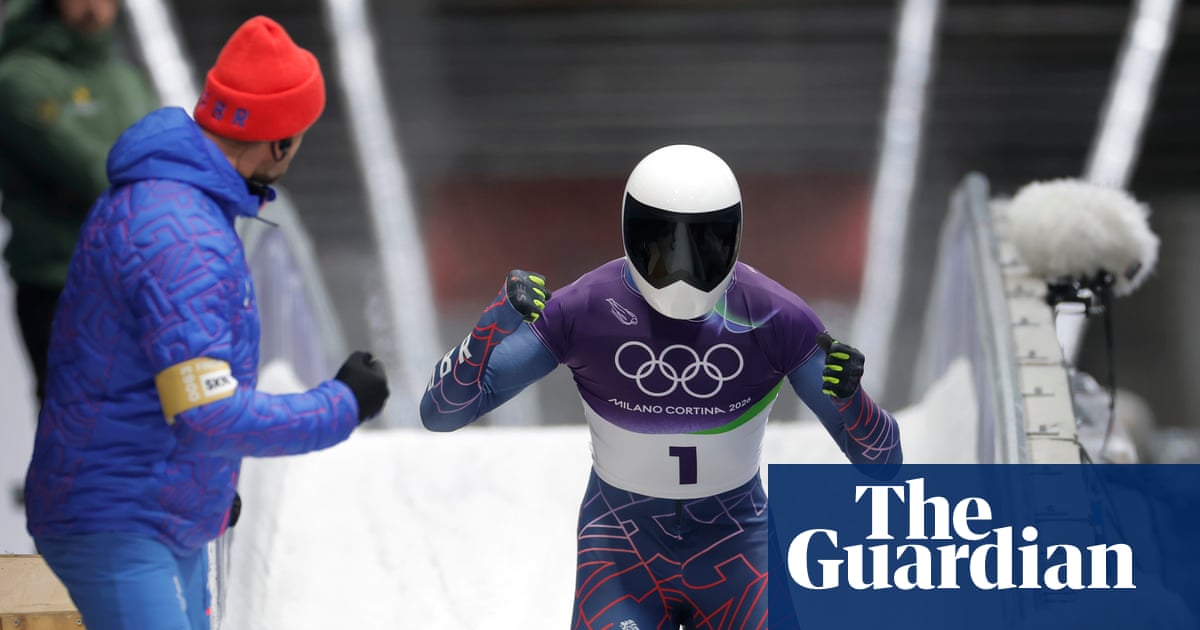
Big investment in coaches and kit – £5.8m in the last cycle – has paid off despite lack of facilities and snow at home
According to UK Sport, 3,500 people have signed up to audition for their skeleton Talent ID programme in the past three days, an extraordinary surge of interest in what has never been what you might call the most accessible sport.
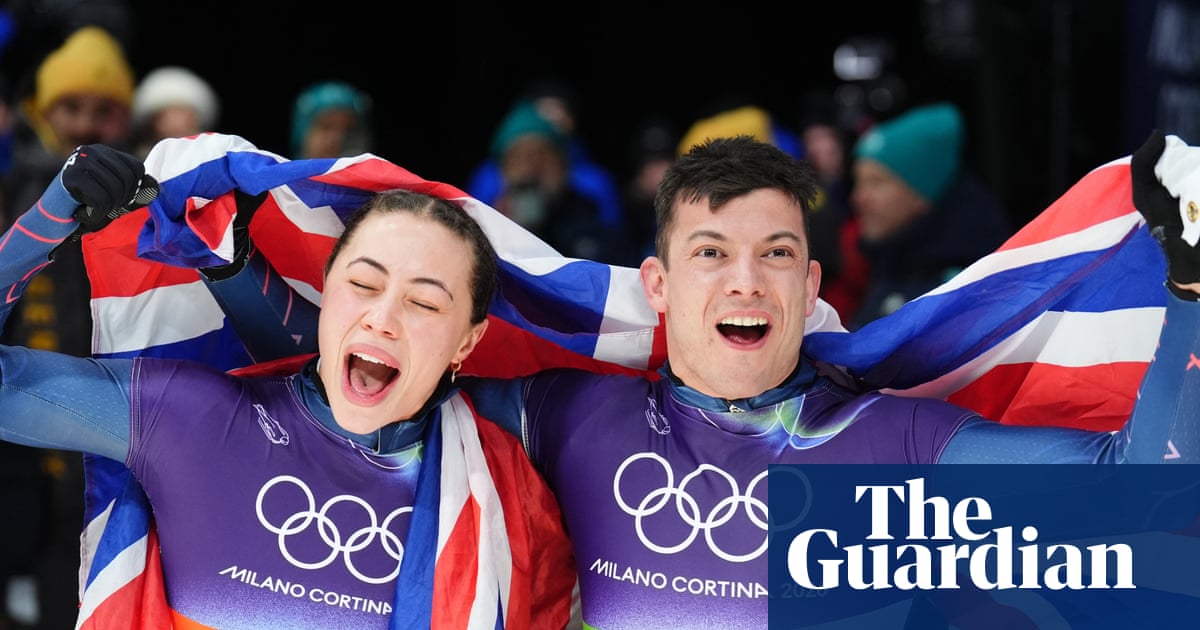
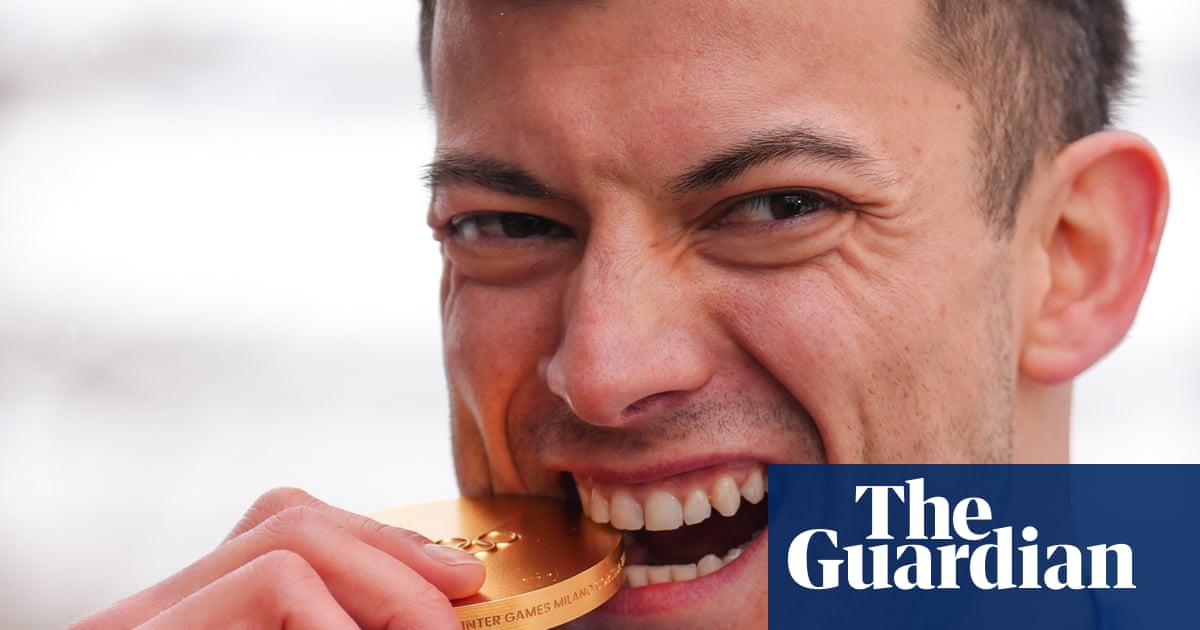
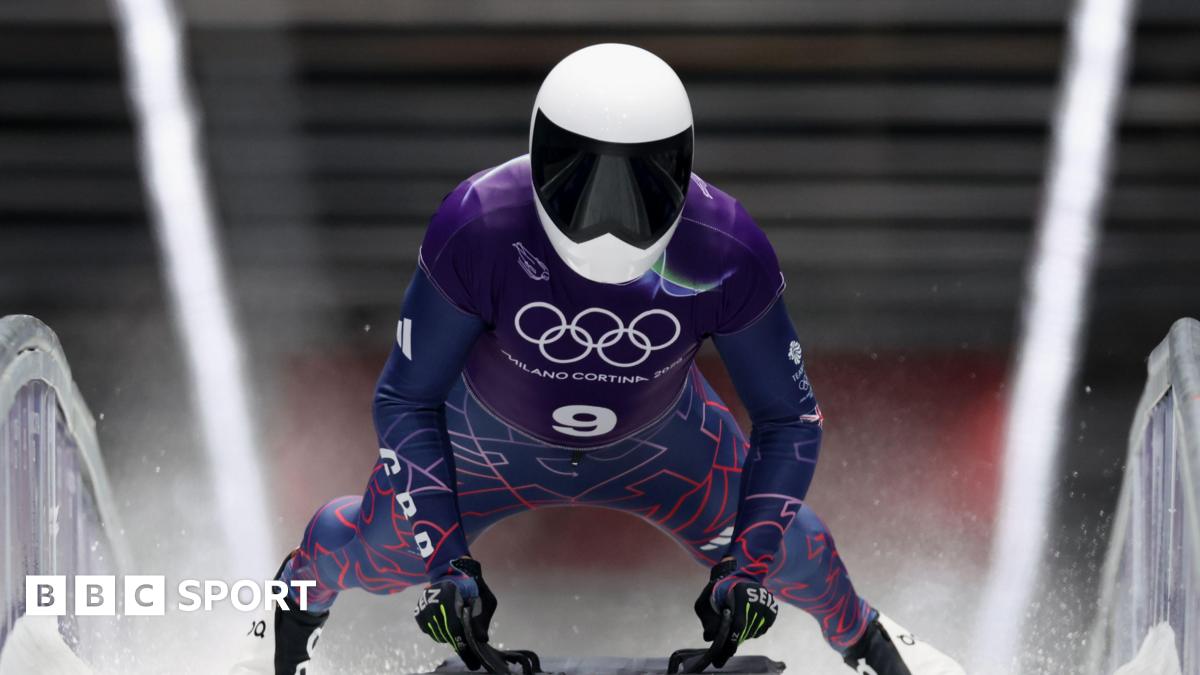
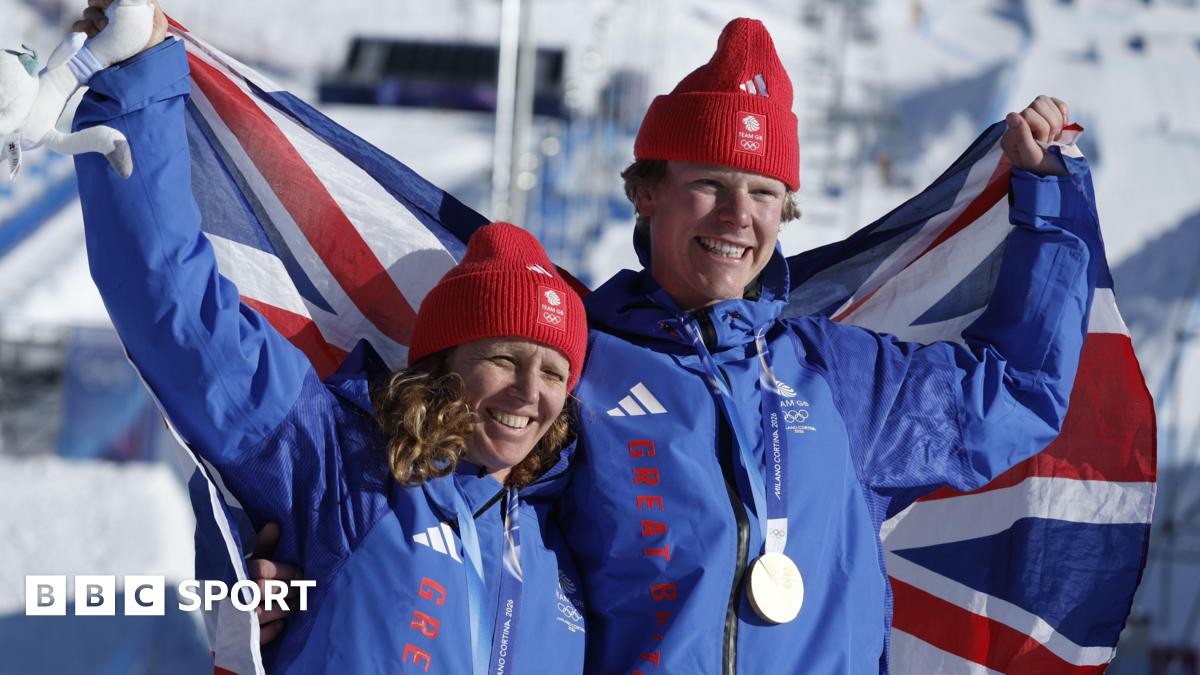
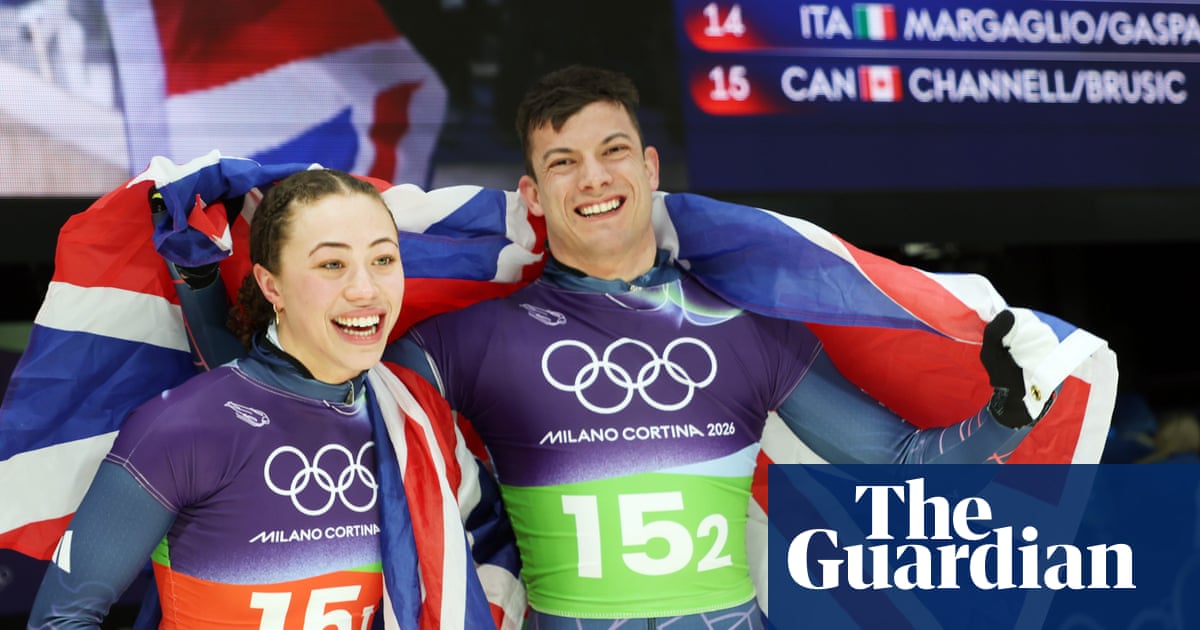
It is all after Matt Weston and Tabby Stoecker won Great Britain’s 10th and 11th Olympic medals in the sport, continuing a lineage that reaches back to 1928, when it was the winter sport of choice for the most reckless of a set of aristocratic adventurers. The 11th Earl of Northesk won bronze ahead of his teammate, and the pre-race favourite, Lord Brabazon of Tara. It is some legacy. After a century of competition, skeleton is the only Winter Olympic sport in which Britain lead the all-time medal table.
Which figures. Skeleton is, believe it or not, a British invention even though there is not a track or enough snow to dust the hundred or so miles of ski pistes in the country. Like so much else about modern sport, it is all down to the Victorians, who took it up on the natural ice track in St Moritz when the town was a regular stop on the Grand Tour. In the early 20th century, the speed limit on British roads was capped at 20mph. If you wanted to go really fast, you needed to get to St Moritz and the legendary Cresta Run.