JD Vance is seeking to create a ‘trading bloc’ as shortages and climate crises mean a kaleidoscope of rare earths are increasingly jealously guarded
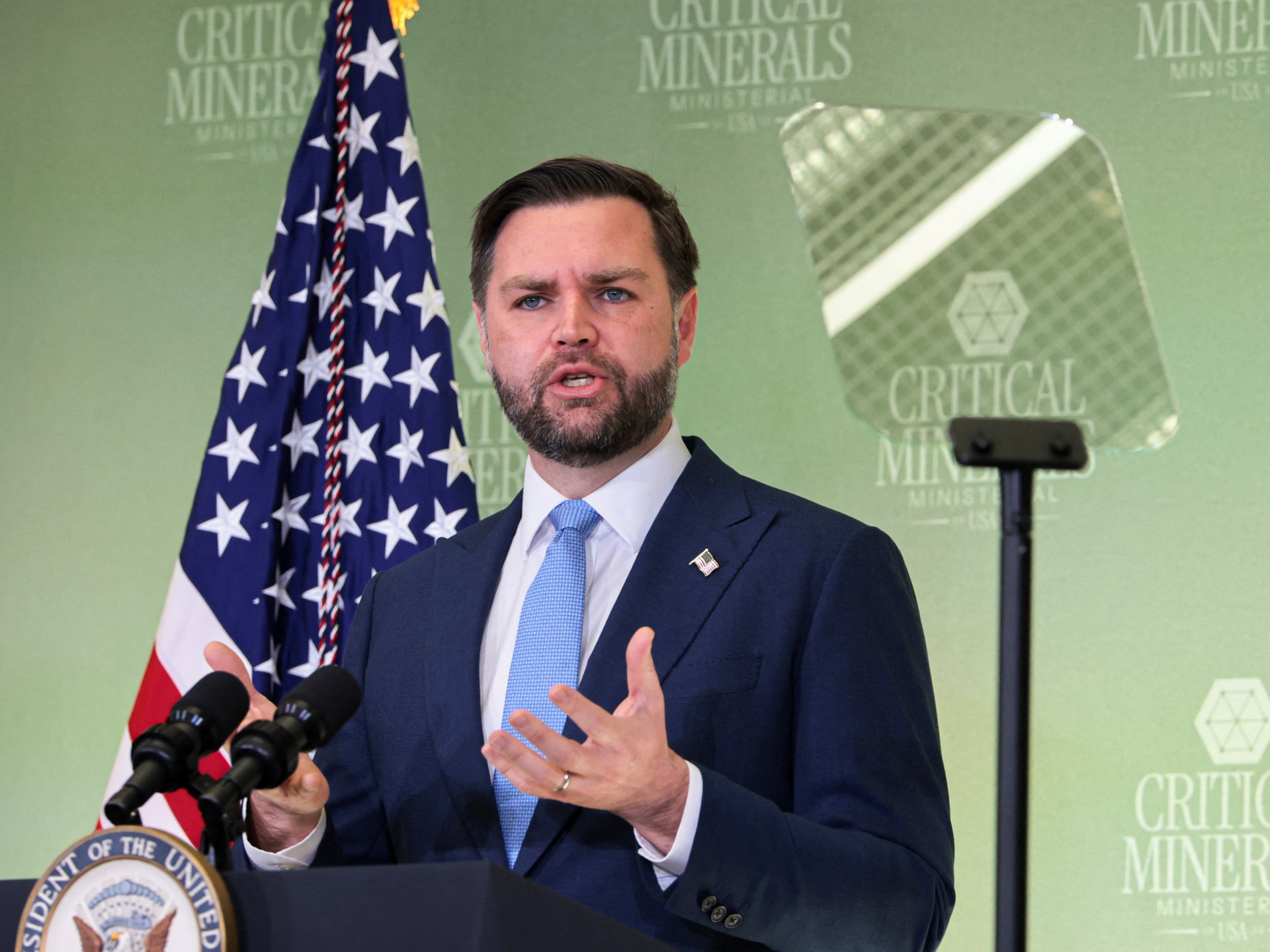
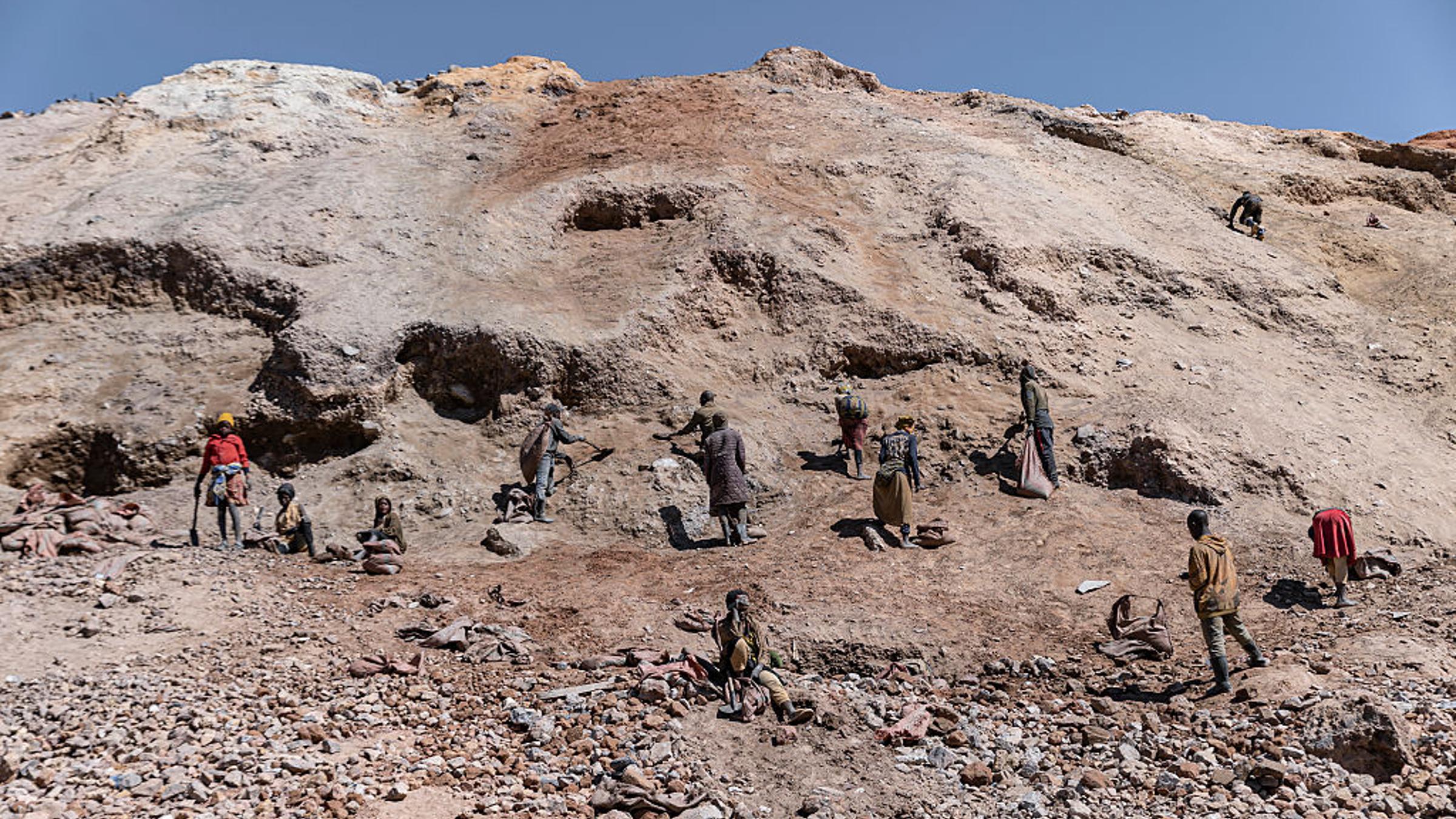
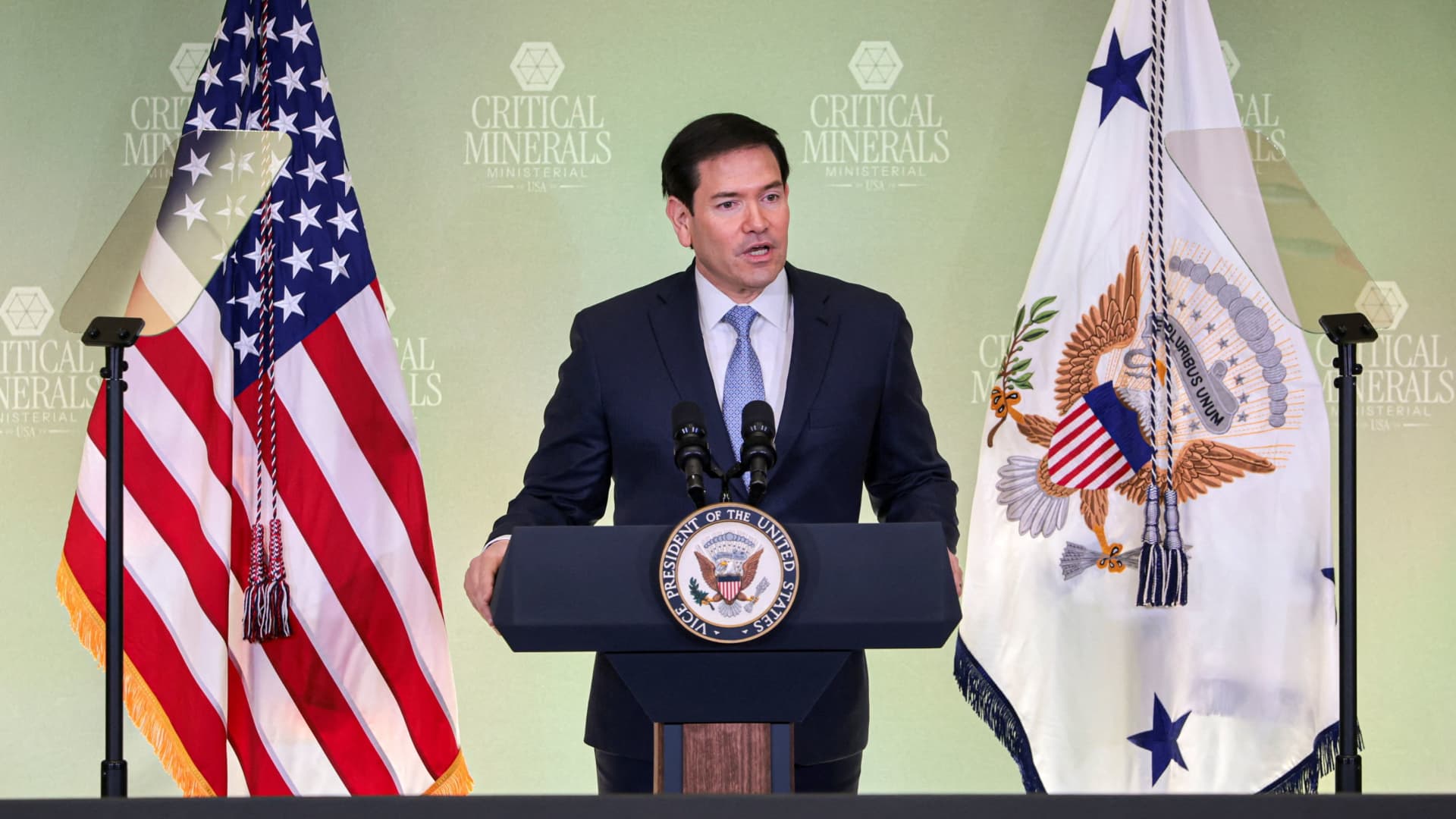
The announcement by the US vice-president, JD Vance, that the country is seeking to create a new critical minerals “trading bloc” is a final, exotic, nail in the coffin of the old global trading system. The era of mass abundance, as supplied by unfettered free trade and global markets – “neoliberalism” – is over. We live in a new world of strategic competition between states over scarce but essential resources, with shocks to supplies from human activity and natural disasters an ever-present risk.
This means recalibrating how we think about our economy: the new economic fundamentals today are resource constraints and climate and nature crises, and these, rather than human activity, will increasingly shape the world we inhabit. Flows of finance and stocks of wealth will matter less than stocks and flows of real material resources.
There are two drivers of this shift. The first is the surge in demand for electricity across the globe. After a decade and more in which electricity demand in the developed world was stagnant or even falling, the last few years have seen an extraordinary resurgence in rich-world electricity demand – matching the continuing industrialisation and consumer booms of the fast-growing global south countries. The electrification of transport, and the datacentre build-out powering artificial intelligence, along with continued strong demand for industrial production, are all at the cutting edge of shaping what the International Energy Agency calls a new “Age of Electricity”.