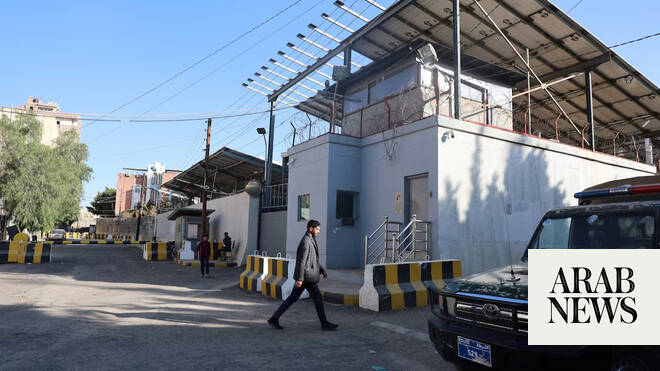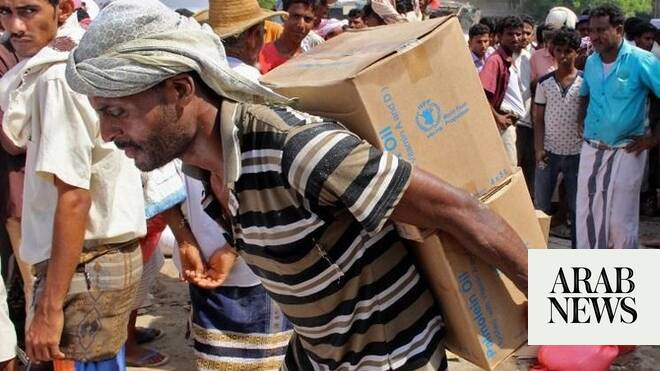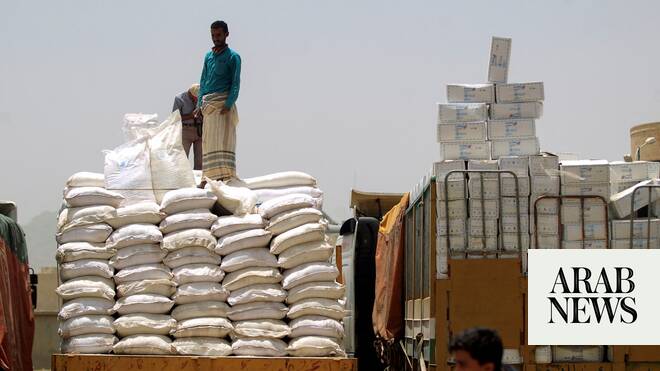
ADEN: Humanitarian operations in Yemen are entering a new and more complex phase after the UN was forced to rely on alternative aid-delivery mechanisms in Houthi-controlled areas, following the closure of its offices and the seizure of its assets.
The move has reshaped relief efforts in one of the world’s worst humanitarian crises.
The shift comes as Amman prepares to host an international donor conference aimed at curbing the rapid deterioration in food security, amid warnings that hunger could spread to millions more people this year.
Recent humanitarian estimates show that about 22.3 million Yemenis — nearly half the population — will require some form of assistance in 2026, an increase of 2.8 million from last year. The rise reflects deepening economic decline and persistent restrictions on humanitarian work in conflict zones.
Aid sources say the UN is reorganizing its operations by transferring responsibility for distributing life-saving assistance to a network of partners, including international and local non-governmental organizations and the International Committee of the Red Cross, which continues to operate in those areas.