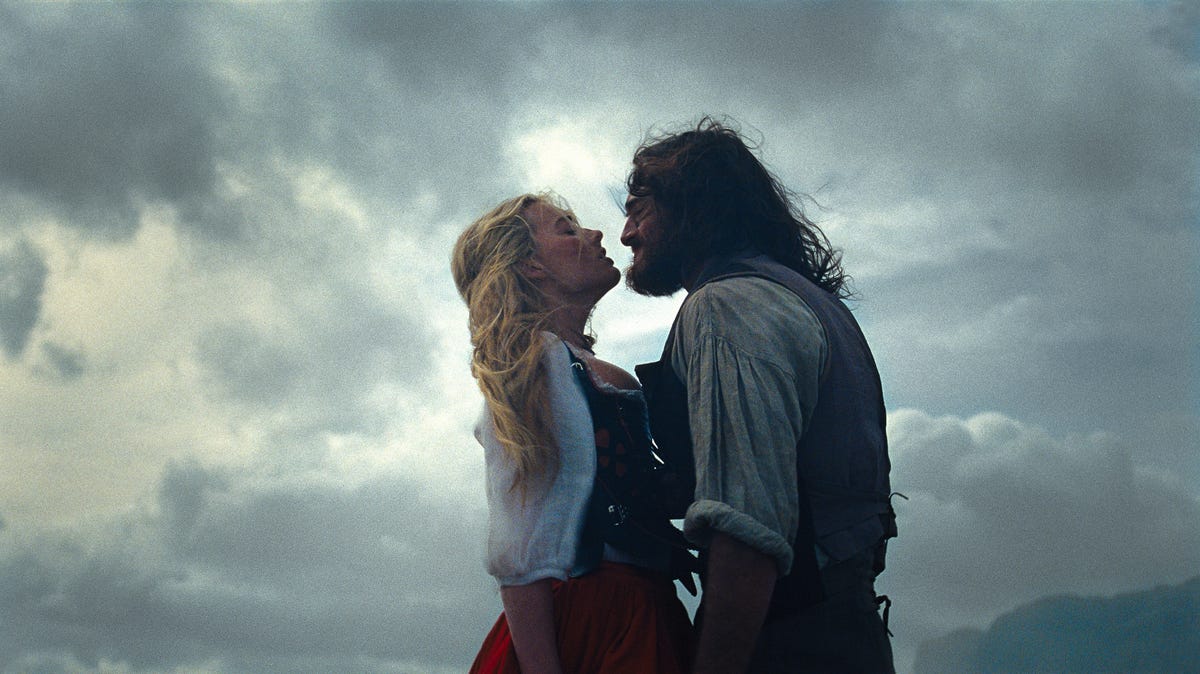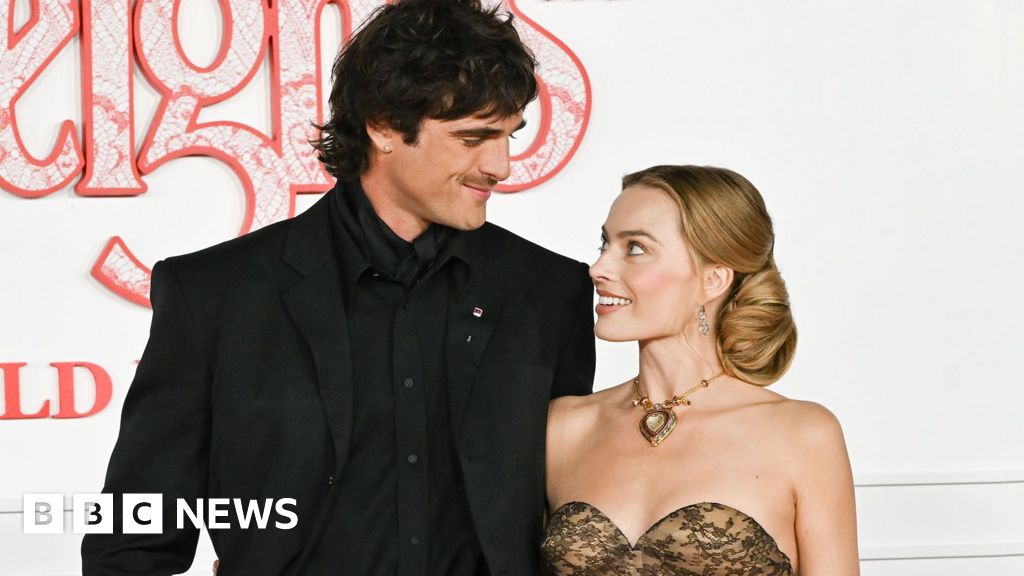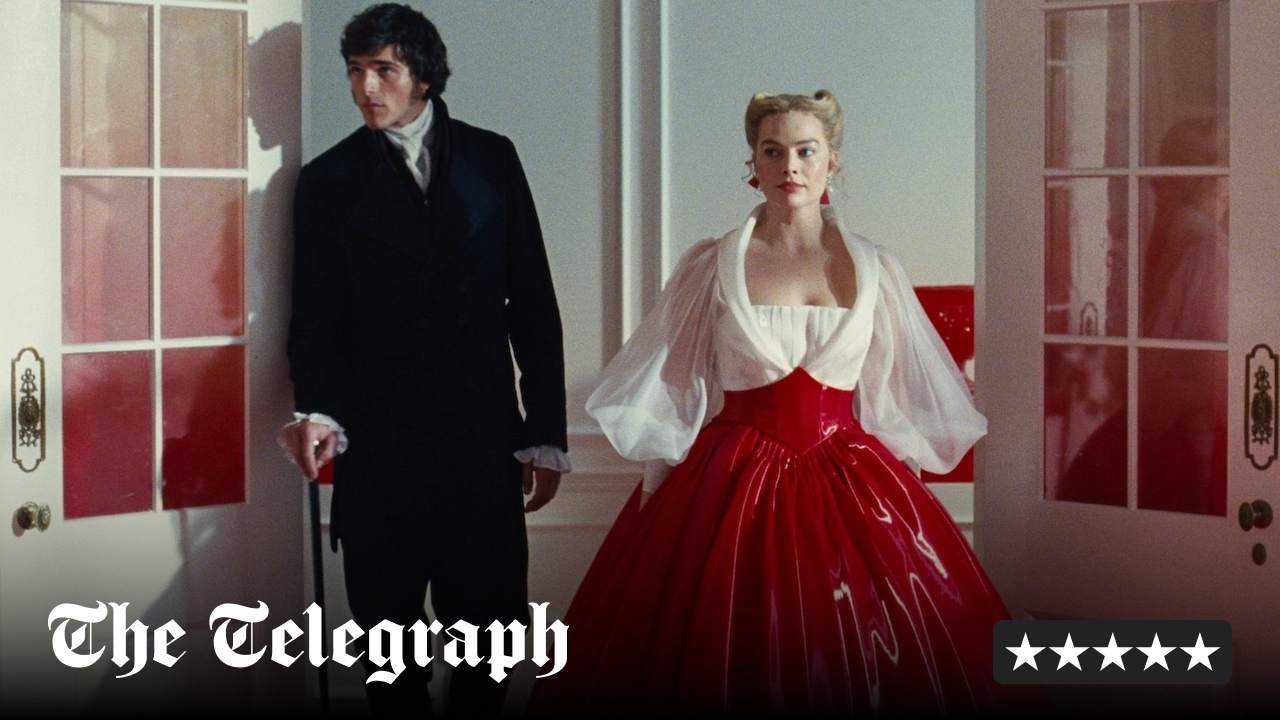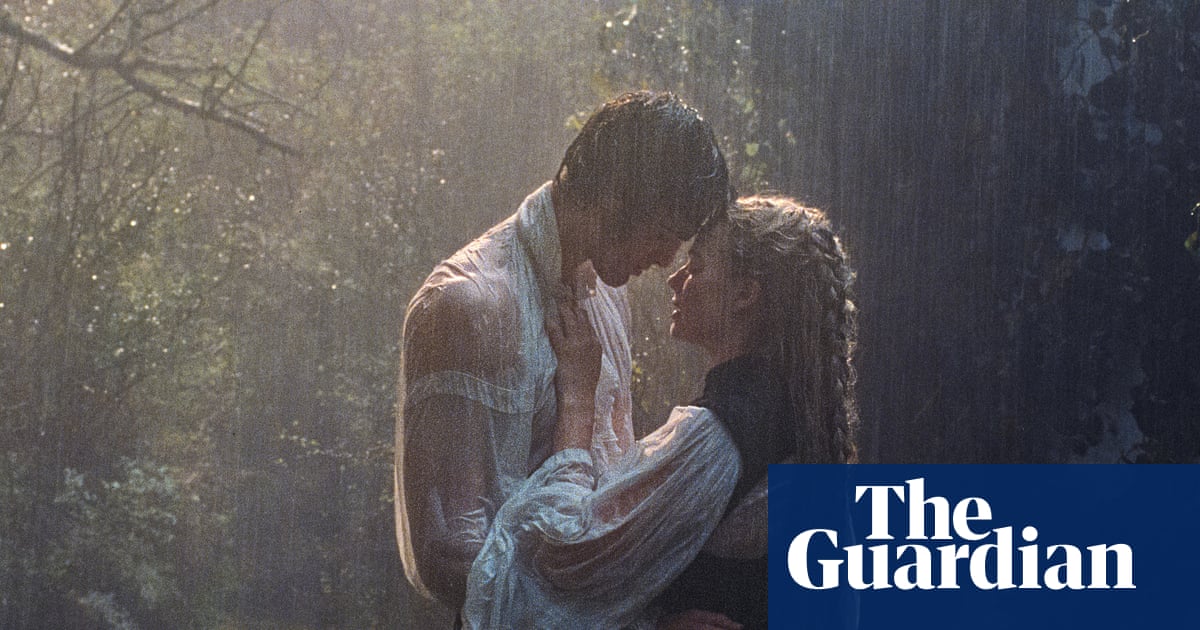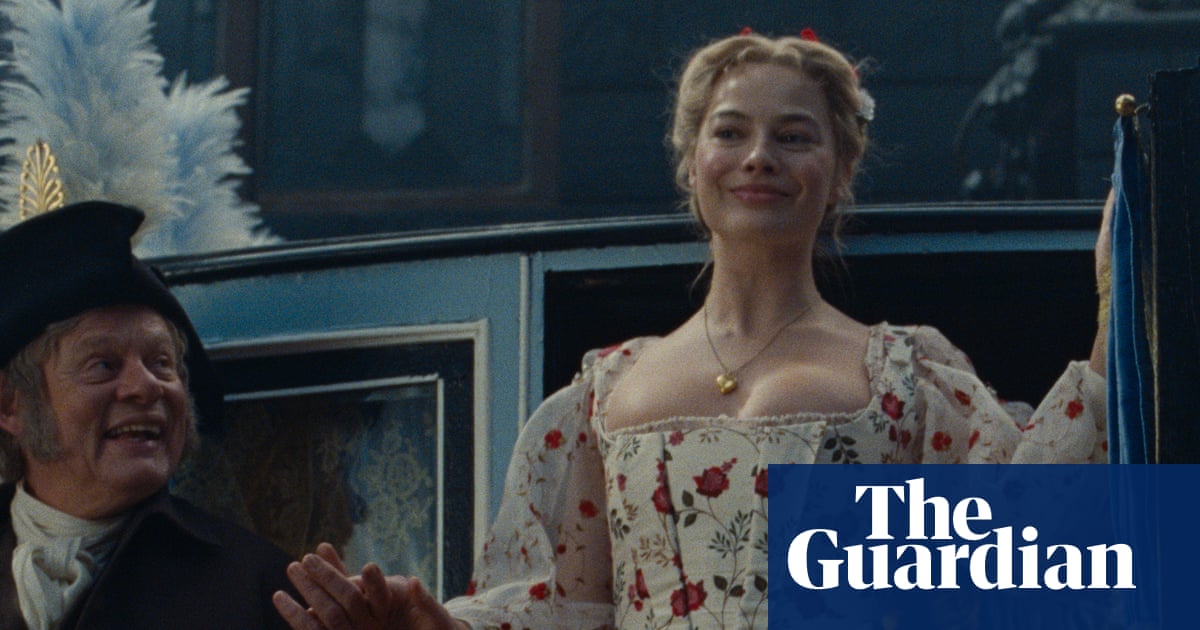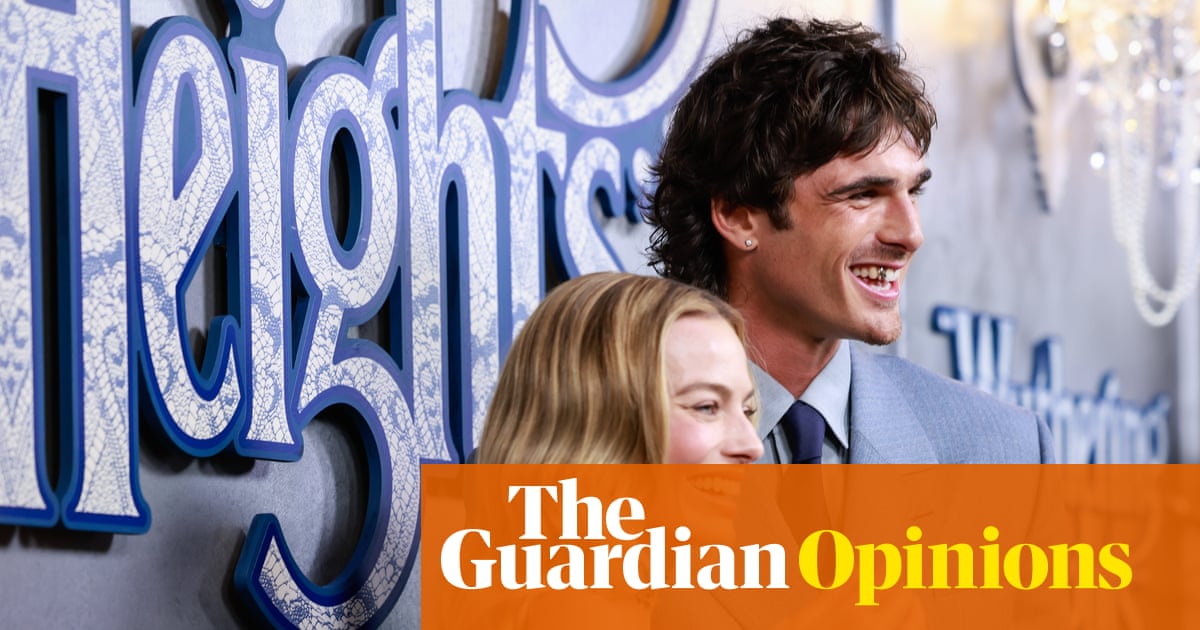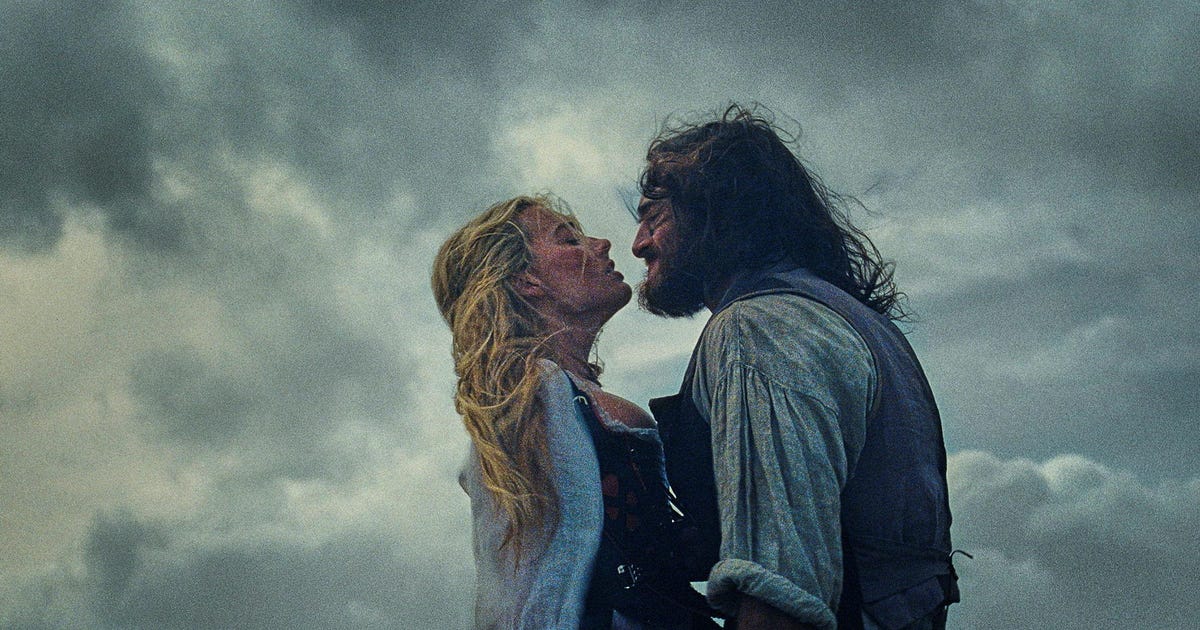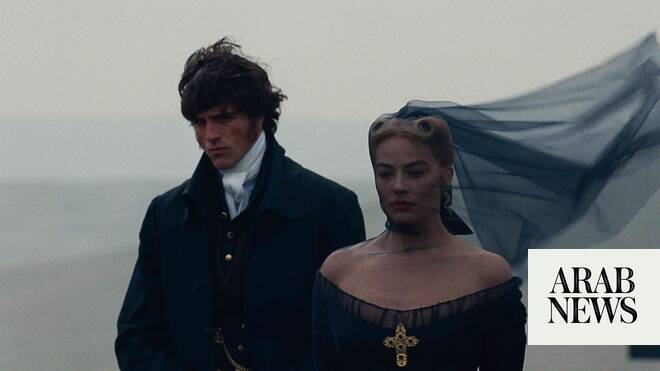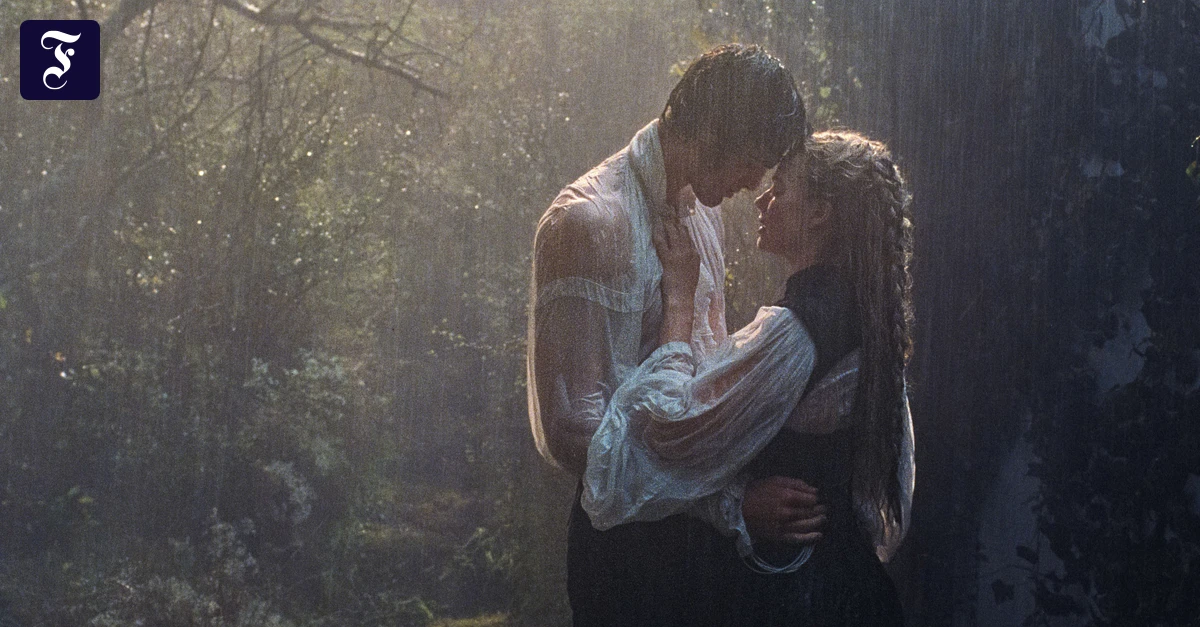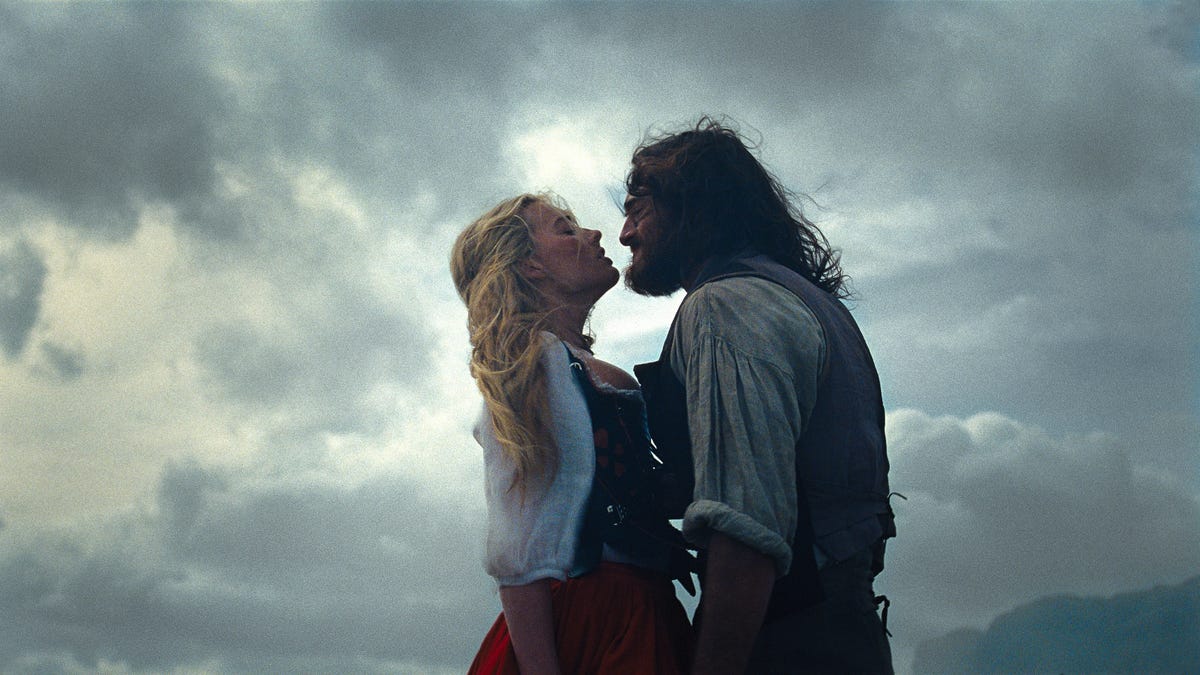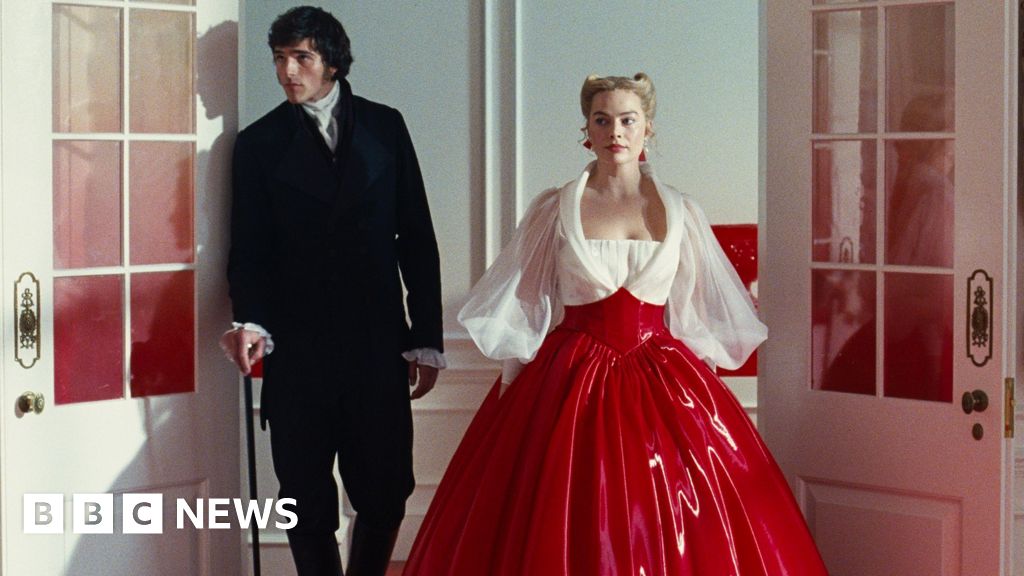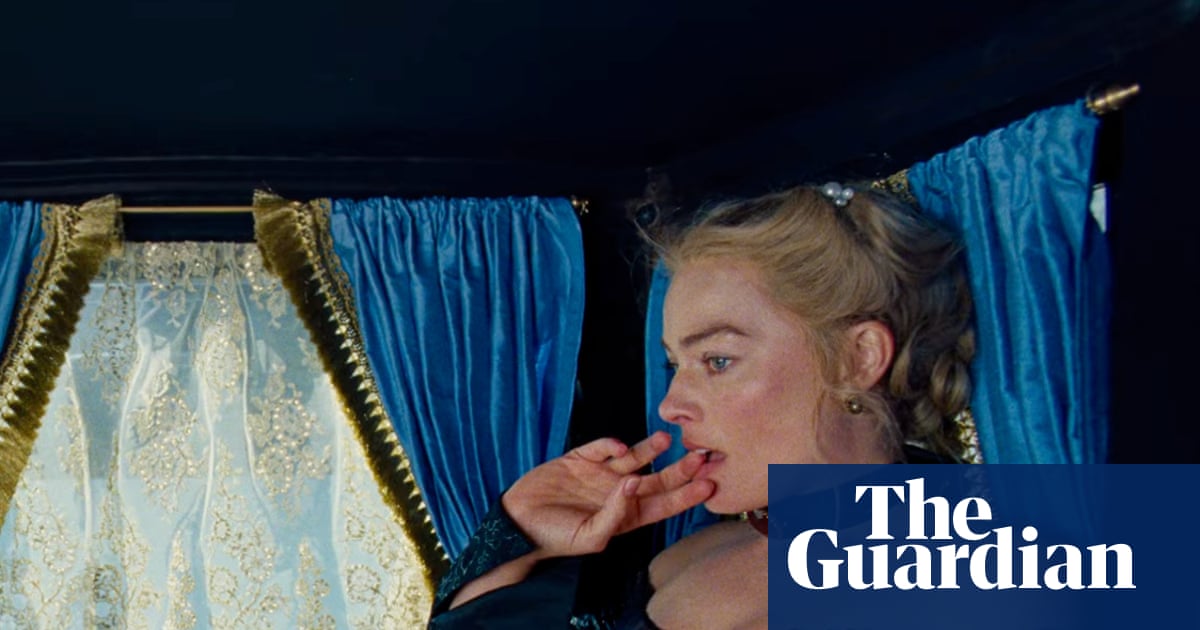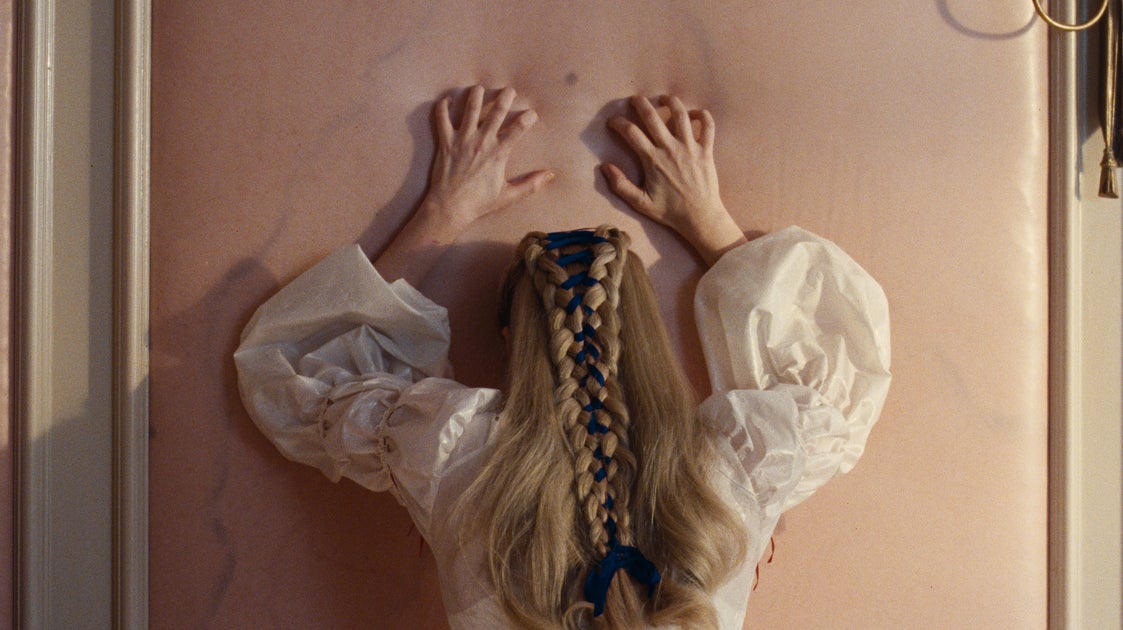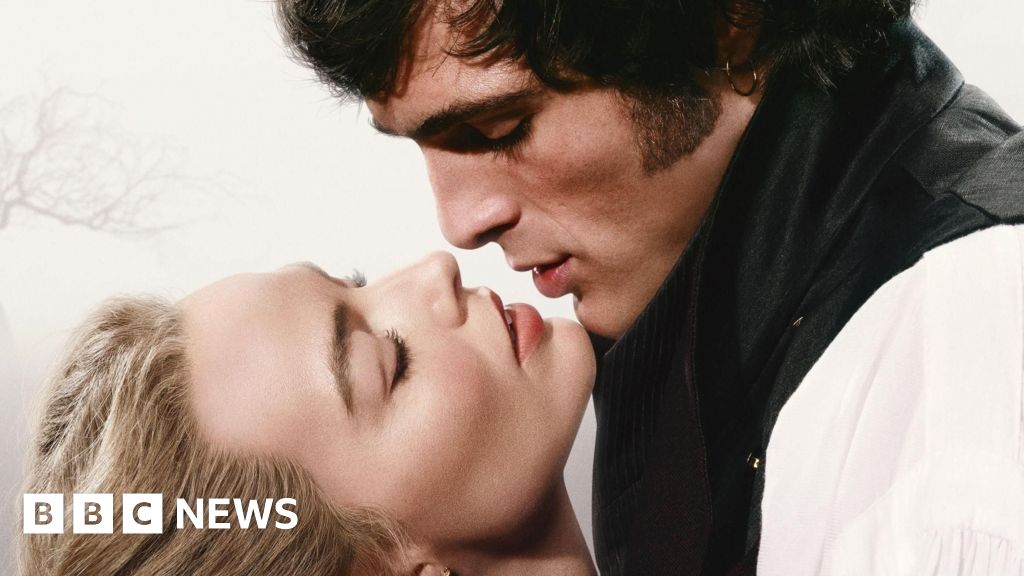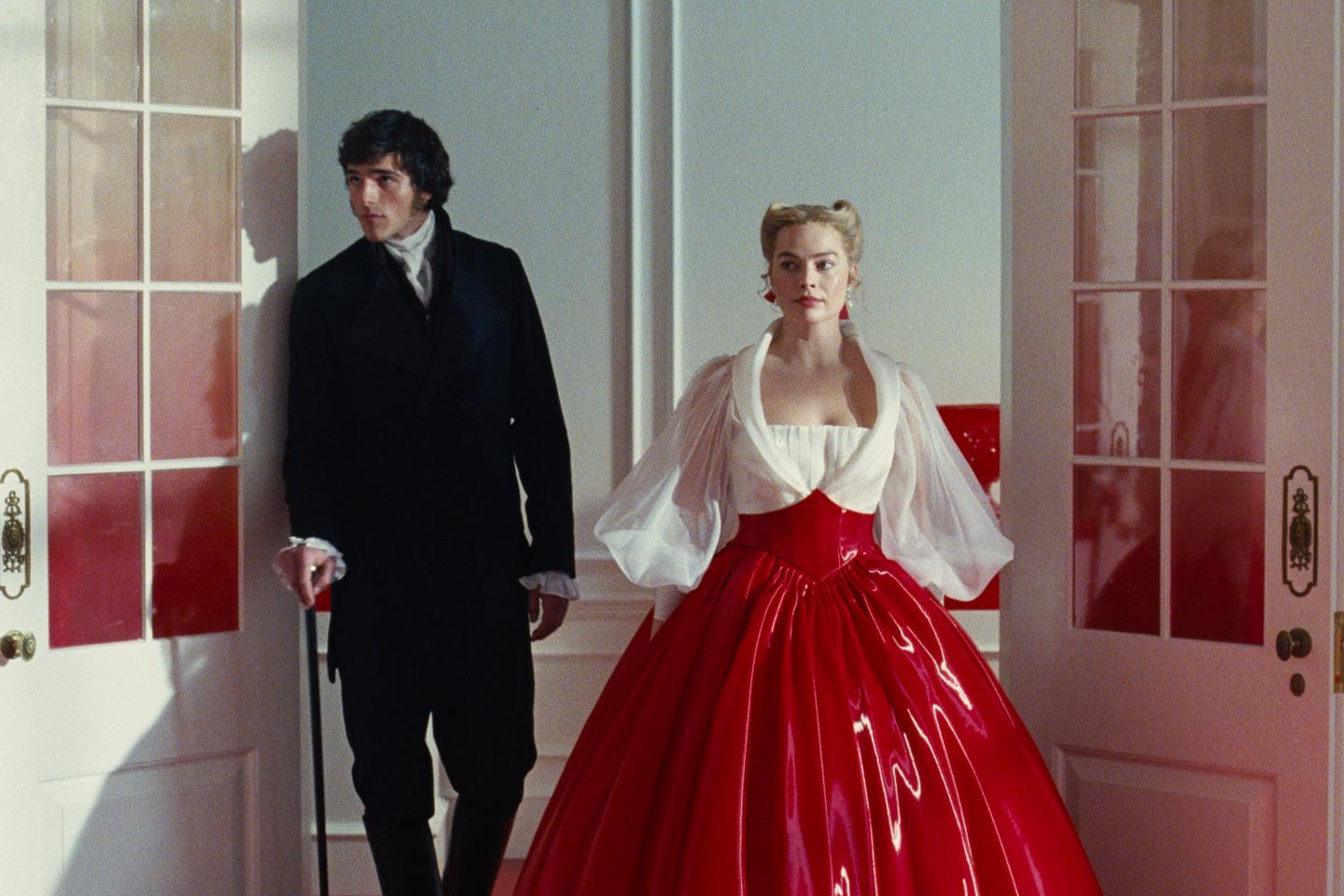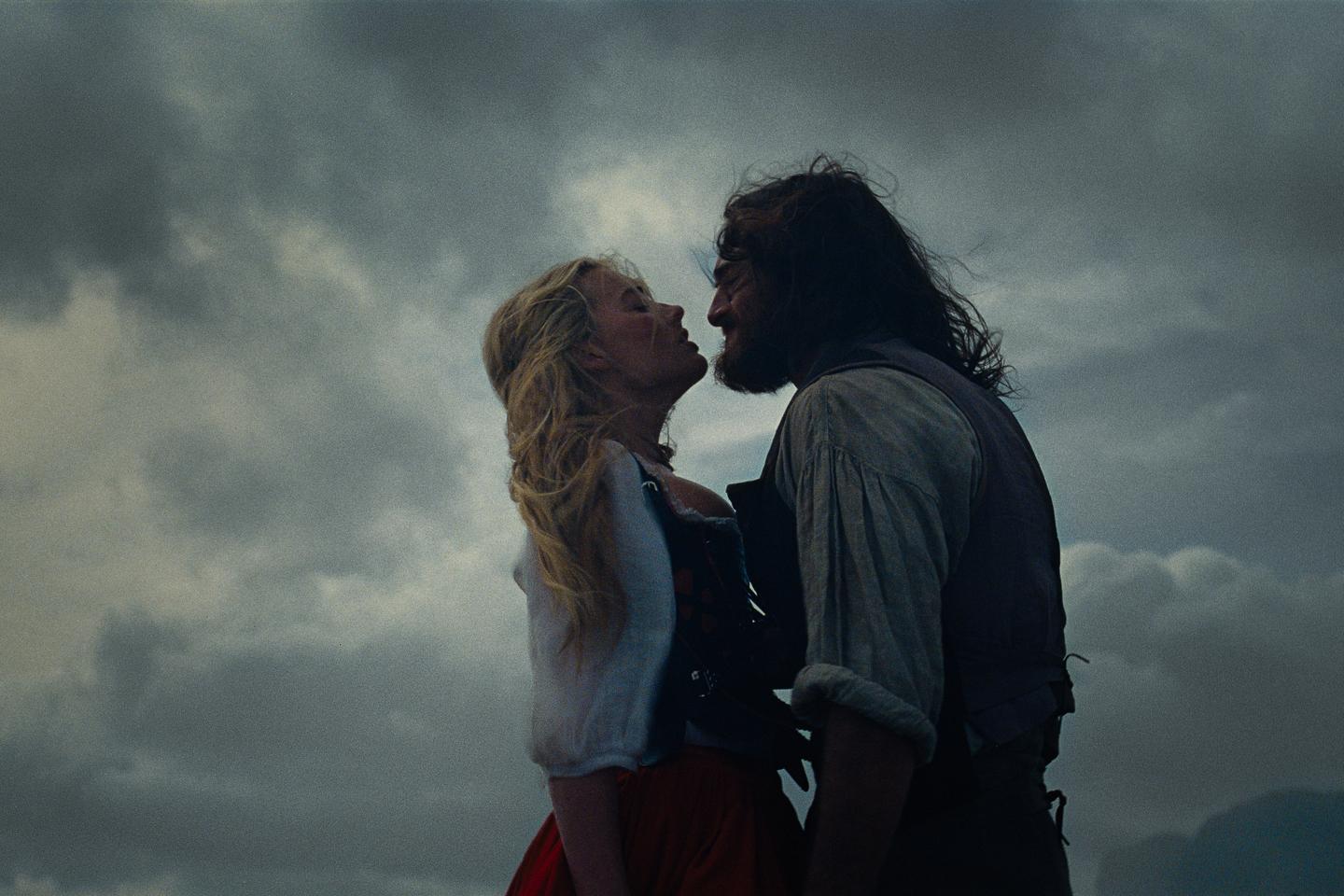
Margot Robbie (Catherine) and Jacob Elordi (Heathcliff) in "Wuthering Heights," directed by Emerald Fennell. WARNER BROS.
Le Monde's verdict – Why not
It is a story as old as Hollywood itself: long stretches of erotic drought are followed by moments when the industry pretends to rediscover sex on screen – and makes quite a spectacle of it. The most recent case was the literary and film phenomenon Fifty Shades of Grey: the three novels (Vintage Books, 2011 and 2012) and their adaptations (2015-2018) brought brooding, mainstream eroticism back into vogue. The formula could not be simpler: a resurgence of the feminine gothic tradition inherited from the Brontë sisters, updated with a sadomasochistic twist.
Thus is born dark romance, a literary subgenre that has quickly gained traction, with its own readership, literary conventions and favorite authors. As a titillating counterpoint in the post-MeToo era, dark romance pushes the boundaries of propriety.
Hollywood auteurism had its own move to play in this trend: Released for Valentine's Day – the usual slot for Fifty Shades of Grey – here comes Wuthering Heights, an $80 million auteur dark romance that has sparked fantasies since its announcement by promising plenty of steamy scenes between its two superstars. On one side, Margot Robbie, a powerhouse actress and producer riding high after the massive success of Barbie (2023); on the other, Jacob Elordi, a brooding 1.96-meter-tall sex symbol. Directing is Emerald Fennell, whose first film, Promising Young Woman (2020), perhaps rode a little too smoothly on the wave of post-MeToo narratives.