T
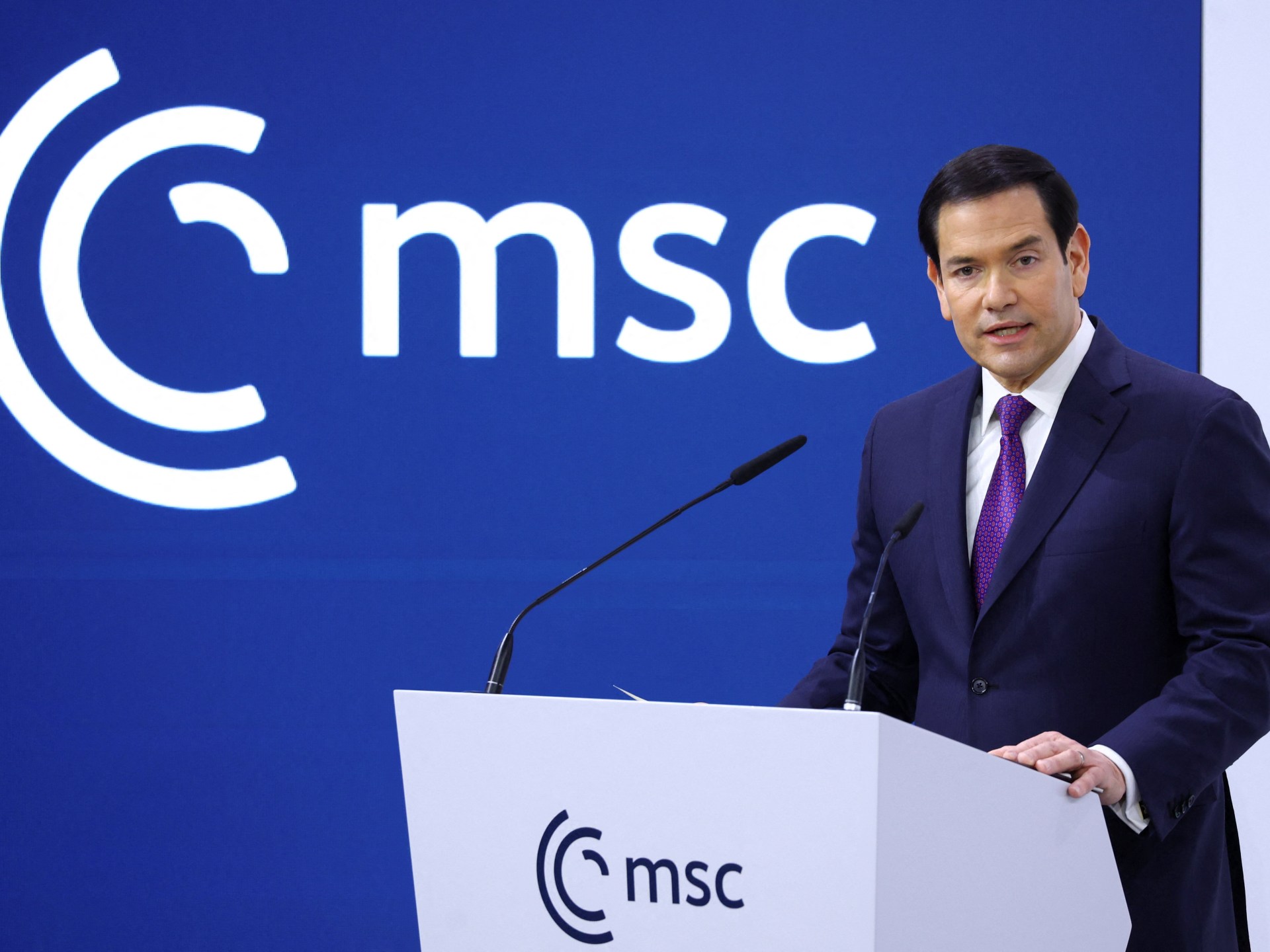
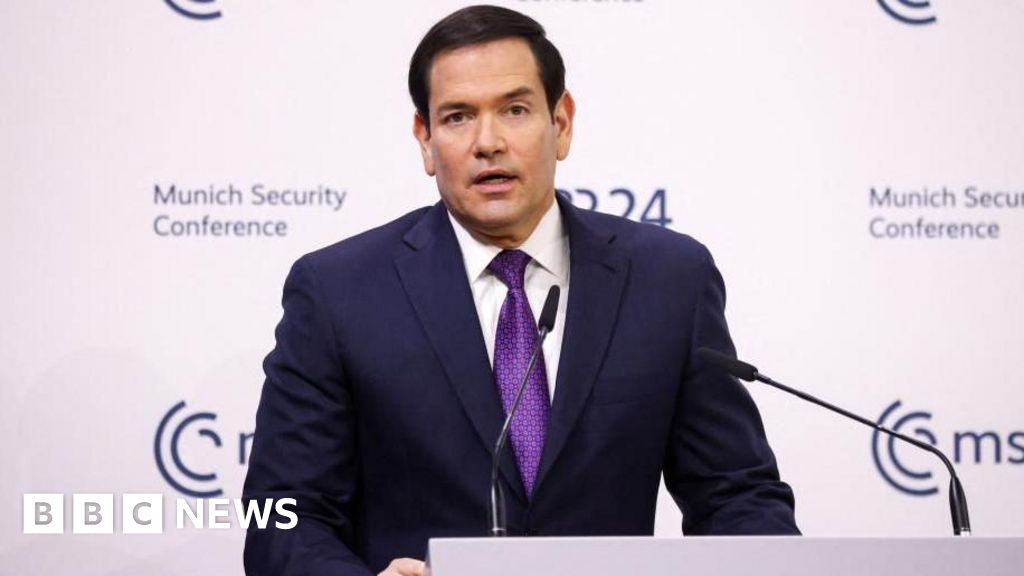
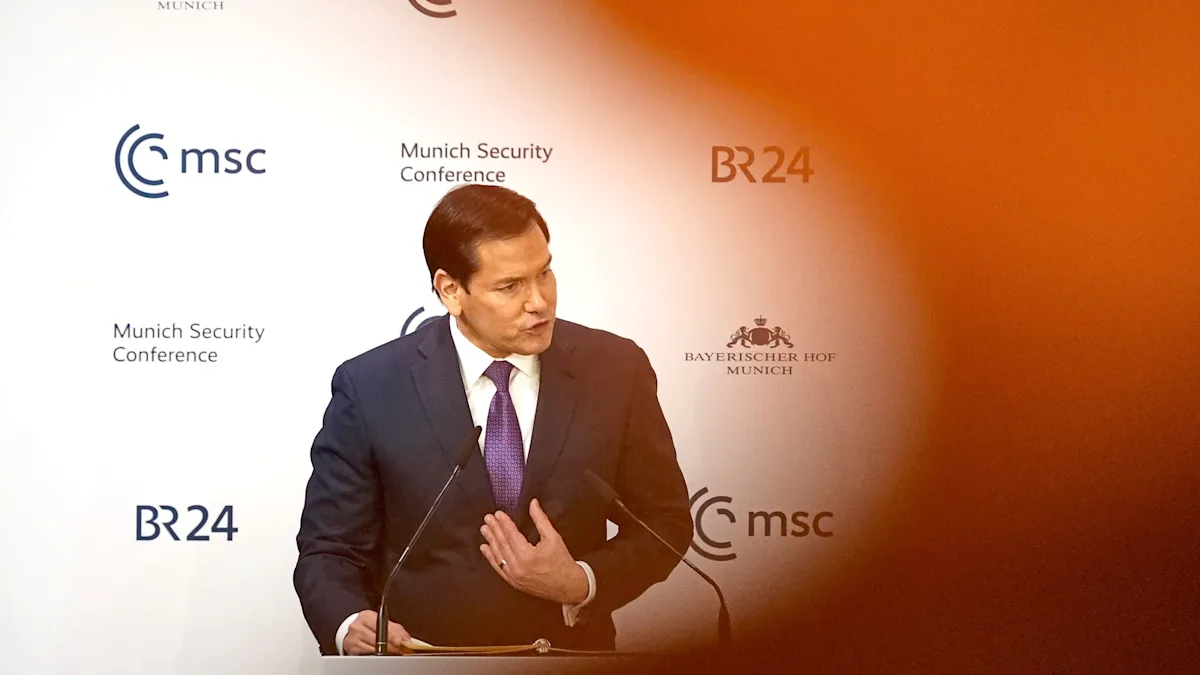
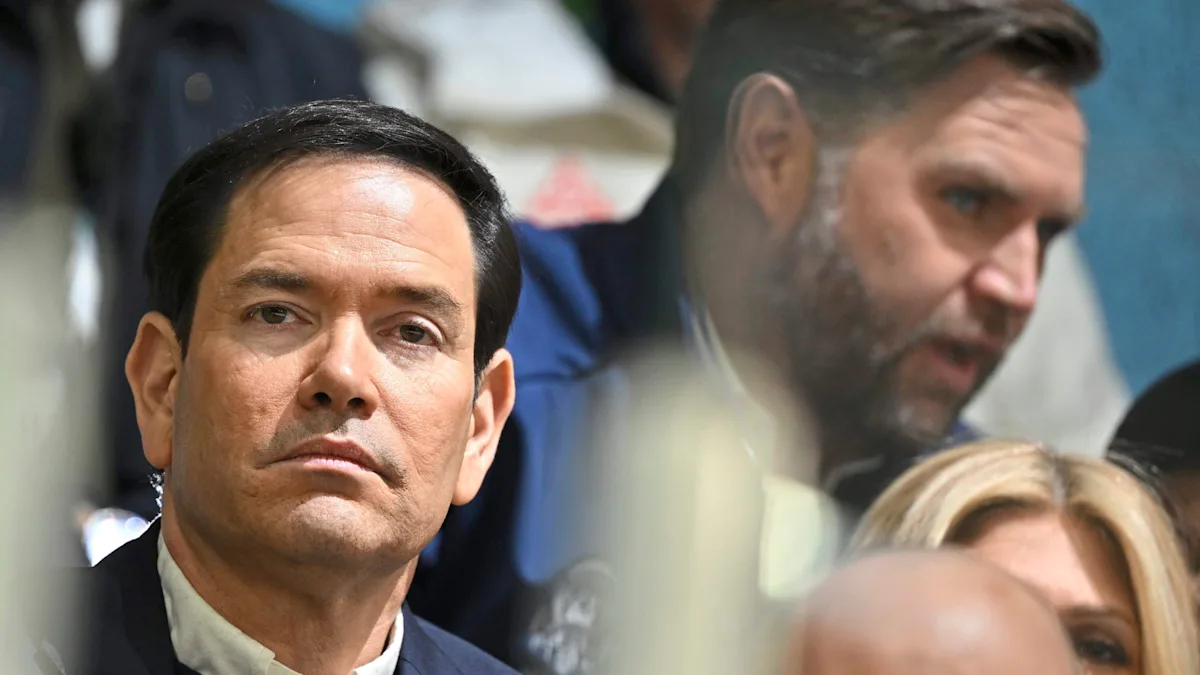
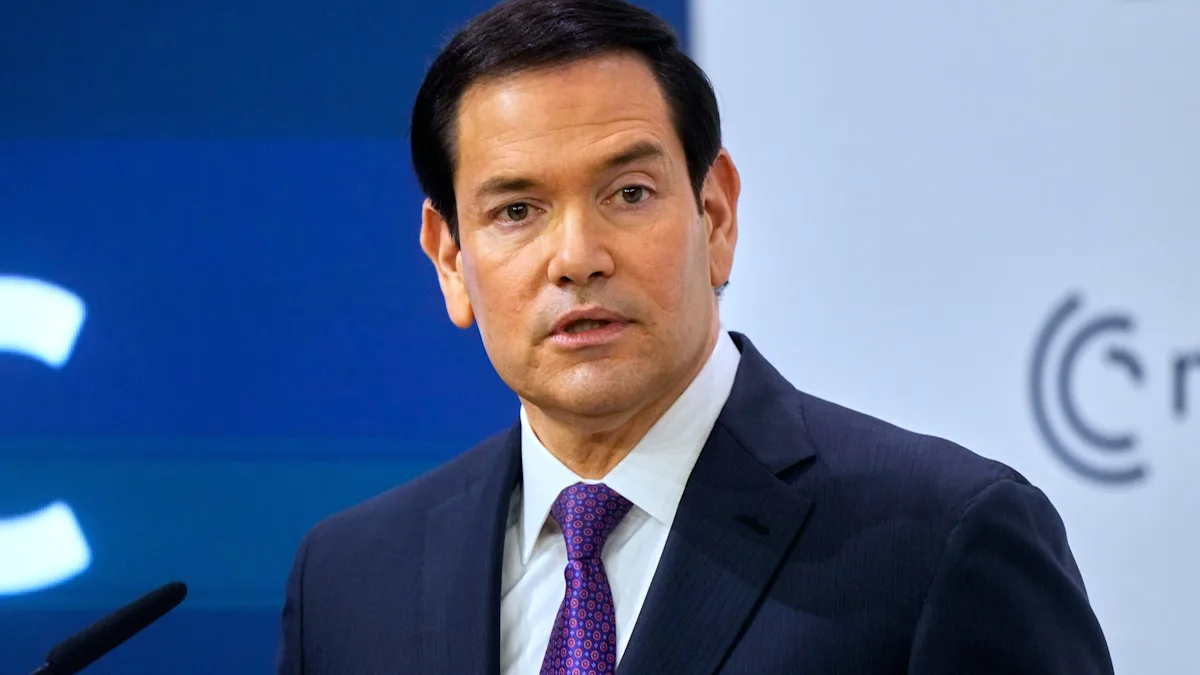
he standing ovation that greeted US Secretary of State Marco Rubio's nonetheless contentious speech on Saturday, February 14, at the Munich Security Conference in Germany, was short-lived. It soon became clear that the tribute was not unanimous. By Sunday morning, the final day of the conference, by which time most American attendees had already left to return home, tongues loosened and doubts emerged about what appeared to be a new phase in the transatlantic rift: a temporary attempt at appeasement, with no real change in the fundamental disagreements.
One telling detail of the desire in Munich to believe in this appeasement was that the three German leaders seated in the front row – Defense Minister Boris Pistorius, Foreign Minister Johann Wadephul and Minister-President of Bavaria Markus Söder – signaled the start of the standing ovation by rising after exchanging nods at the end of Rubio's speech. The reflex spread: Behind them, the majority of the audience – including 40 American officials and lawmakers mingled with the traditionally Atlanticist European defense and diplomatic establishment – stood up as well.
The only thing left for conference president Wolfgang Ischinger was to acknowledge this "sigh of relief" after Rubio's speech, which was less threatening in tone than that of Vice President JD Vance. In the same venue in 2025, Vance had marked the beginning of the split between Europe and Trump-era America. The president of the European Commission, Ursula von der Leyen, said she was "very much reassured," observing that others within the US administration take a much harder line.