A
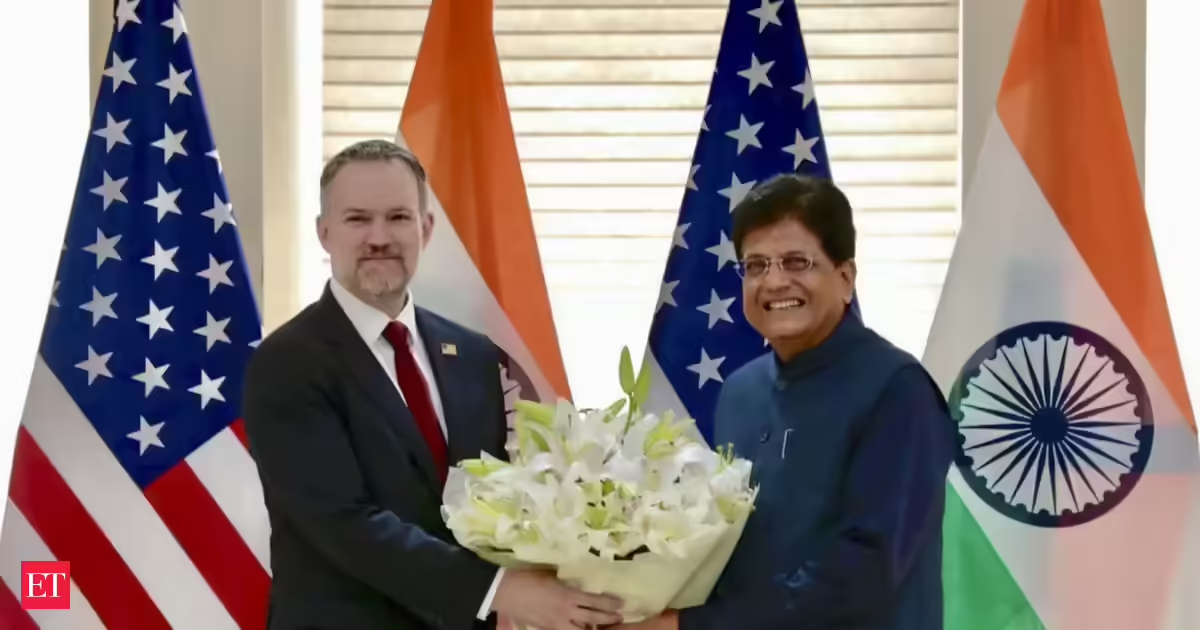
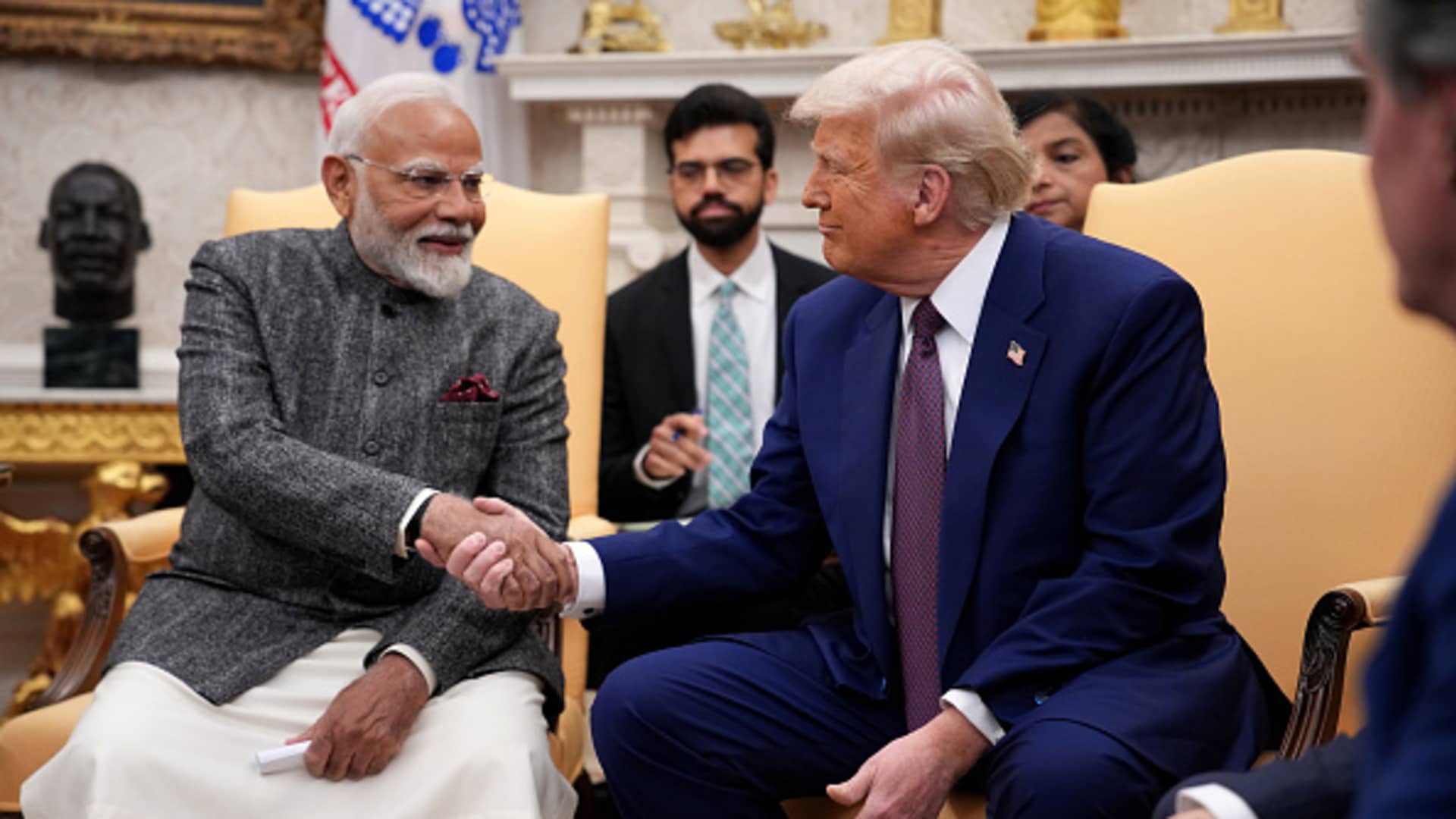
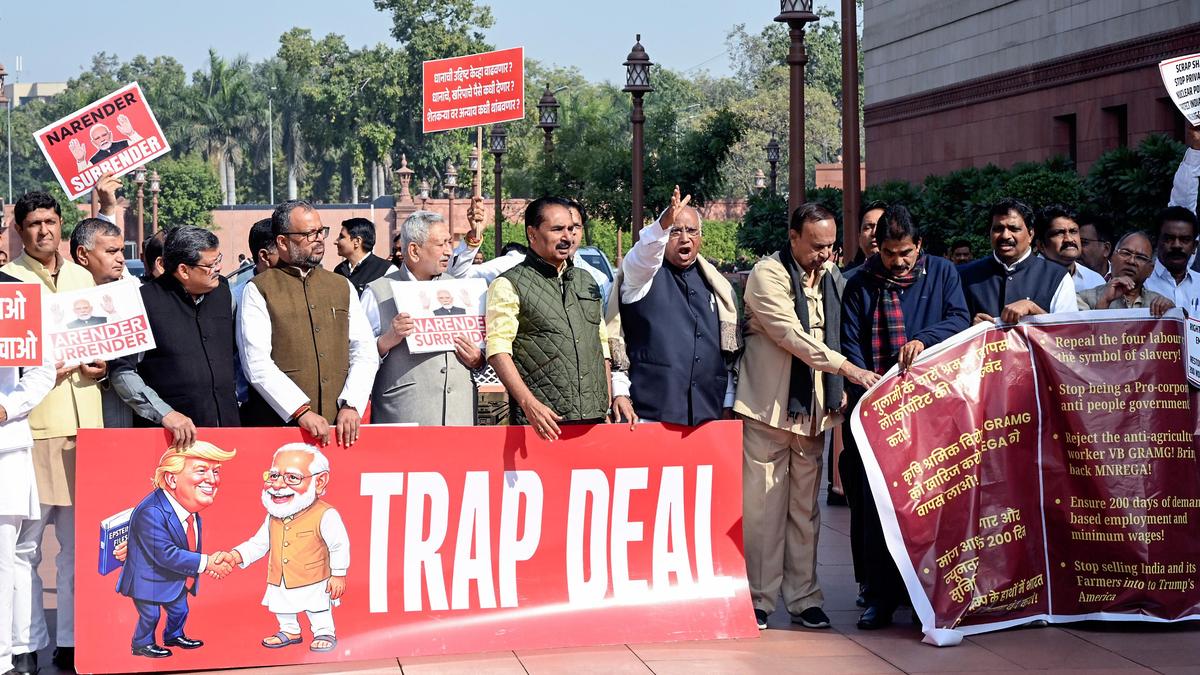
lmost a year after India agreed to launch negotiations for a bilateral trade agreement with the U.S., the two countries took the first step by agreeing on an interim agreement. This agreement ends a period of fractured ties between the two strategic partners that began in August 2025 when U.S. President Donald Trump imposed 25% tariffs on imports from India, and additional tariffs of 25% as penalty for importing Russian crude oil.
As per the interim agreement, the U.S. will reduce tariffs on India’s imports from 50% to 18% while India makes three significant concessions. First, India will eliminate or reduce tariffs and non-tariff barriers on its imports of all industrial goods and a wide range of food and agricultural products from the U.S. Secondly, India, as per Mr. Trump’s Executive Order issued alongside the Joint Statement, has made a huge commitment to stop “directly or indirectly” importing Russian oil (which Indian officials are yet to confirm). And finally, India has expressed its intent to “purchase $500 billion of U.S. energy products, aircraft and aircraft parts, precious metals, technology products, and coking coal over the next 5 years”. Mr. Trump has imposed this condition to ensure that henceforth, India cannot maintain the positive balance in its trade with the U.S., which it currently enjoys.