To learn more about the CNBC CFO Council, visit cnbccouncils.com/cfo
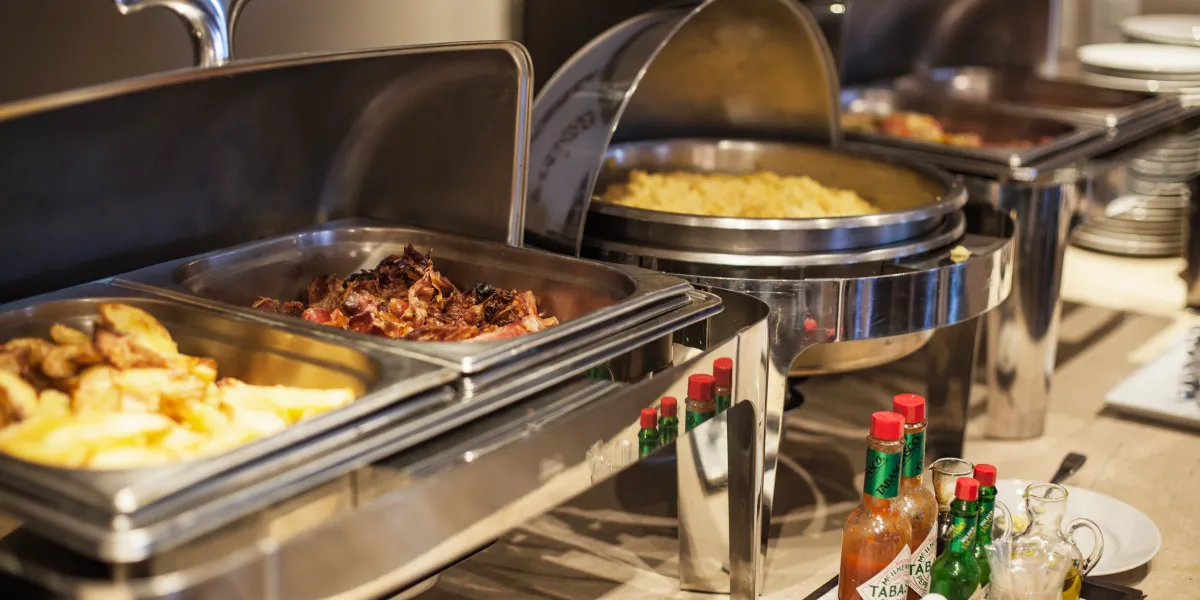
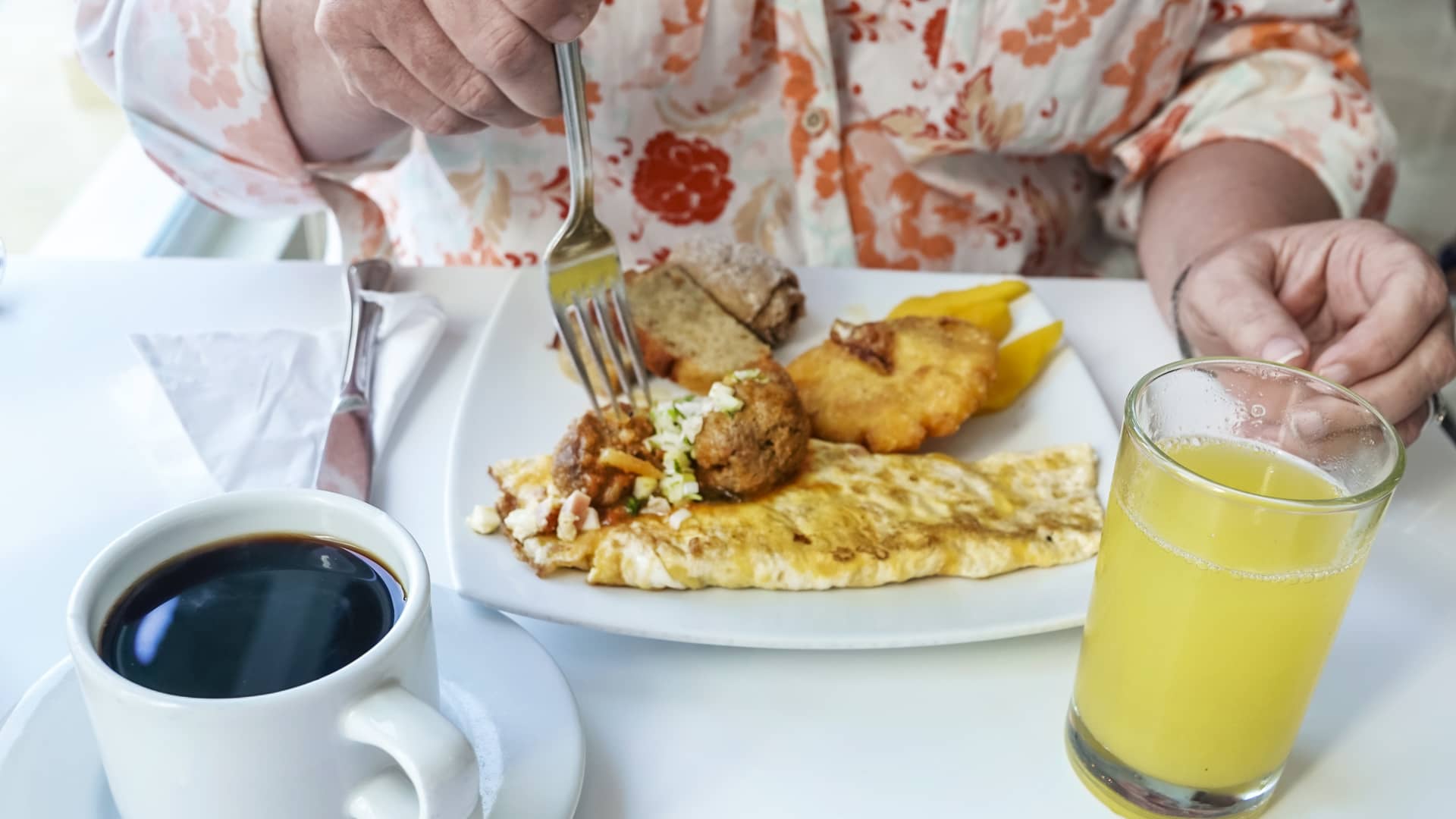
At some point in the 1980s and 90s, the free hot breakfast became a staple of the hospitality industry. At many a Holiday Inn or Hampton Inn, the lobby at 8 a.m. is a pinwheel of pajama-clad kids, frazzled parents, and solo business travelers jockeying for position in front of the waffle maker. Meanwhile, self-serve cereal bars dispense Froot Loops and Lucky Charms, and hot platters of endless eggs and turkey sausage steam under heat lamps. For many, this breakfast spread is part of the appeal of travel. It endures to this day, but it is facing new economic threats and evolving hotel business models.
At hotels, which have been ditching items like free soaps and even bathroom doors to economize, the free breakfast is a sacred cow that some worry will not survive, increasingly seen by hotel operators as an money pit eating into the thin margins of the business. Last year, Hyatt Hotels
’ Hyatt Place brand removed free breakfast from 40 of its properties. Holiday Inn, owned by IHG
, eliminated a la carte breakfast items in favor of a buffet-only model — a cost-cutting measure that preserves the breakfast buffet offering while reducing labor and food waste.