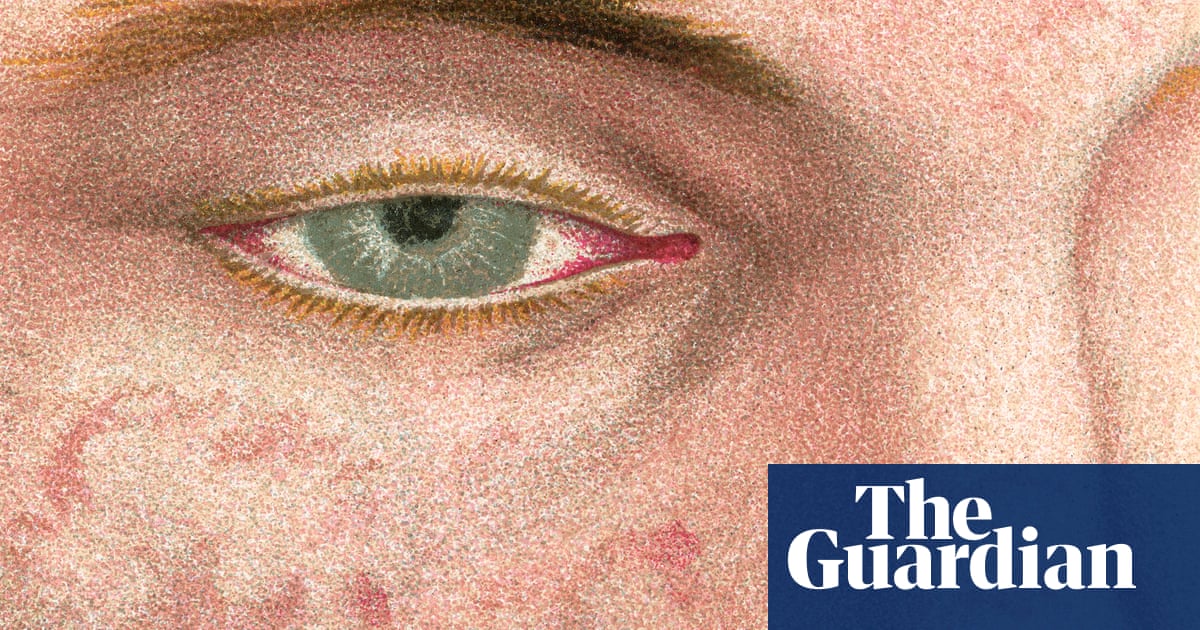
It is one of the most infectious diseases around, and can cause blindness and hearing loss – and can also be fatal. Why are cases now soaring and what can be done about it?
S
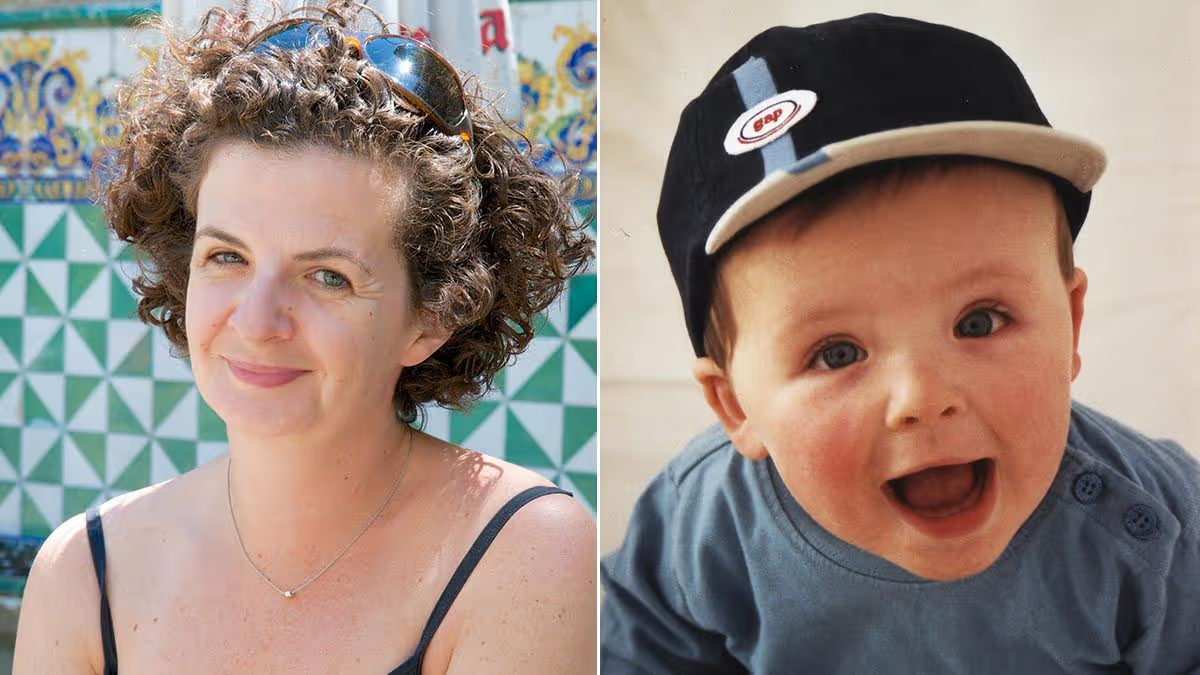
aijal Ladd’s week in hospital remains a blur. The very worst days still feel like a fog, punctuated by two nightmarish memories. First, attempting to speak to a consultant to discuss if she should be rushed to ICU, but being unable to form words through her breathlessness. And later, a family member’s exhausted face mouthing: “We almost lost you in the night.”
The 53-year-old had called an ambulance when what she had assumed was flu became so severe she could barely walk, and she experienced diarrhoea and violent vomiting. It wasn’t flu. In fact, Ladd had caught measles.
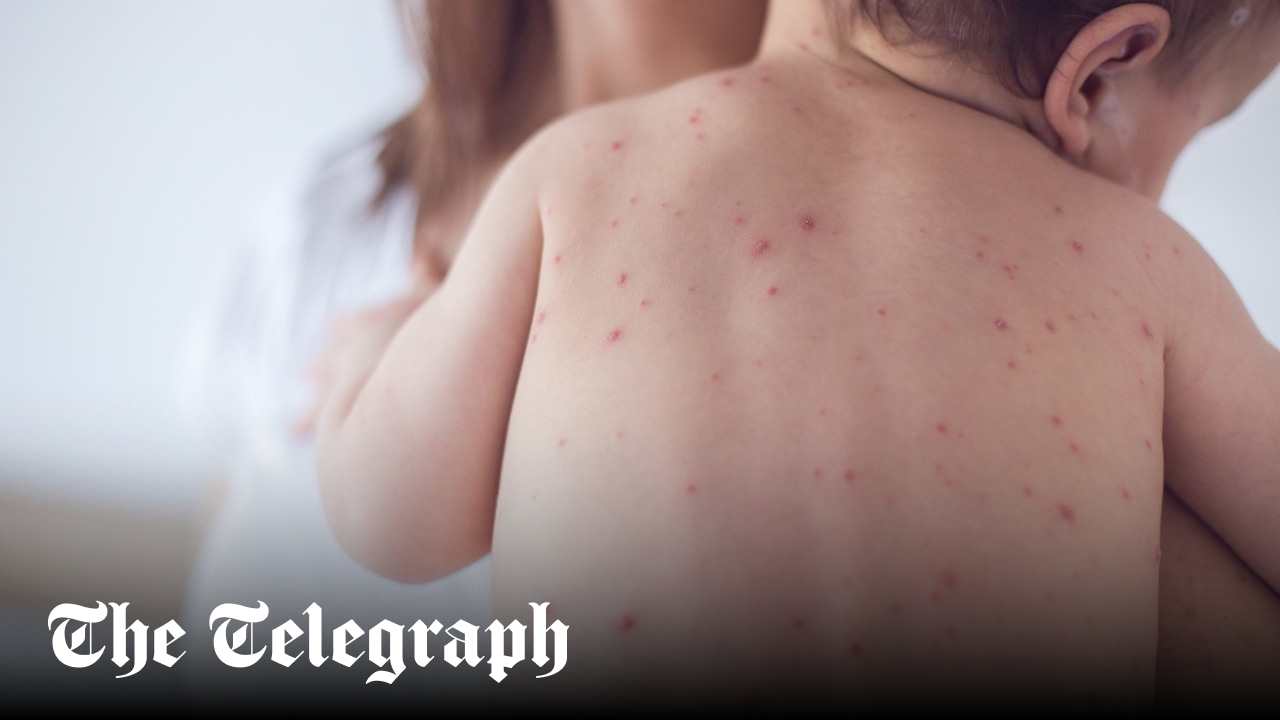
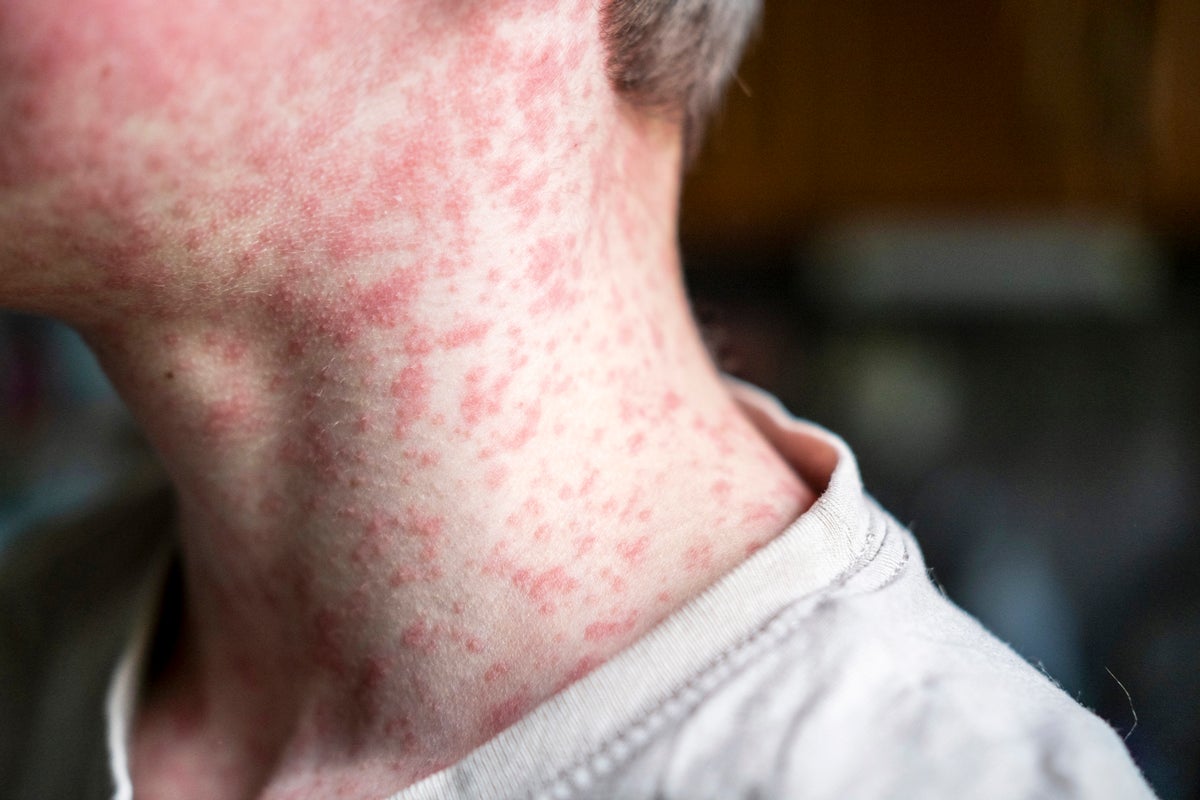
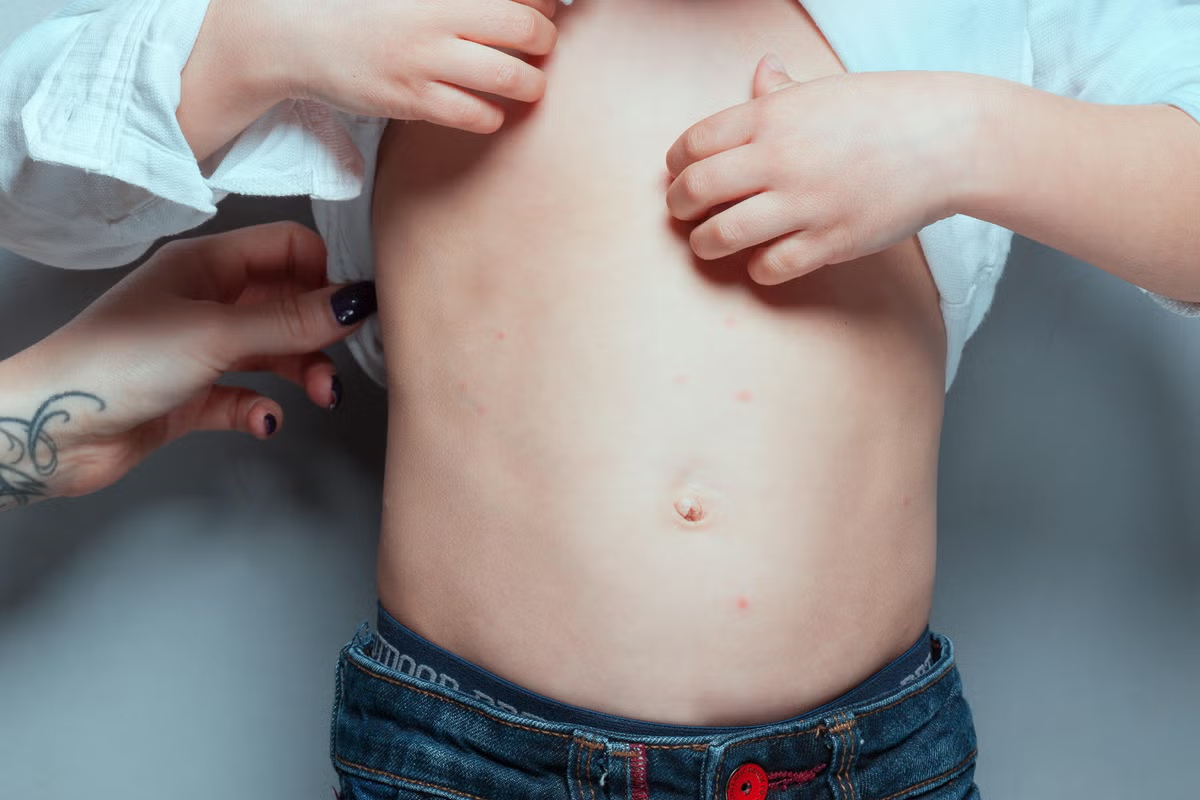
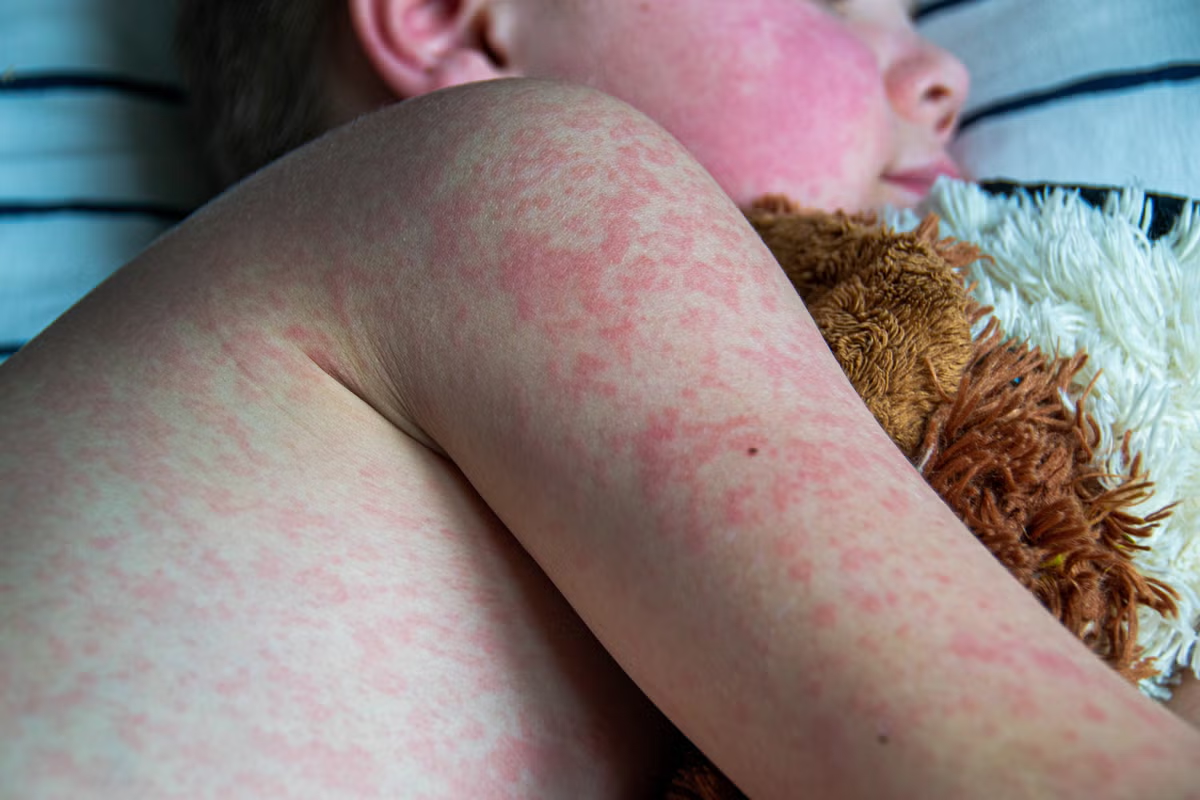
“My body’s systems had started to shut down,” she says, explaining that her liver and lungs were struggling as they fought the infection. “The clinicians were unsure if I would make it through until morning.” She still sounds disbelieving as she describes crawling to the bathroom before she called an ambulance and looked down to see a rash covering her body. Ladd, an NHS pharmacist who works for an integrated care board in London, guessed then that she had caught the highly contagious airborne virus. She was shocked – because she felt so desperately sick, but also because she had never considered she might not be vaccinated. Thankfully, her body fought it, but even when she returned home after a week in hospital she could barely walk 50 metres. She needed three months off work.