https://arab.news/c5qwp
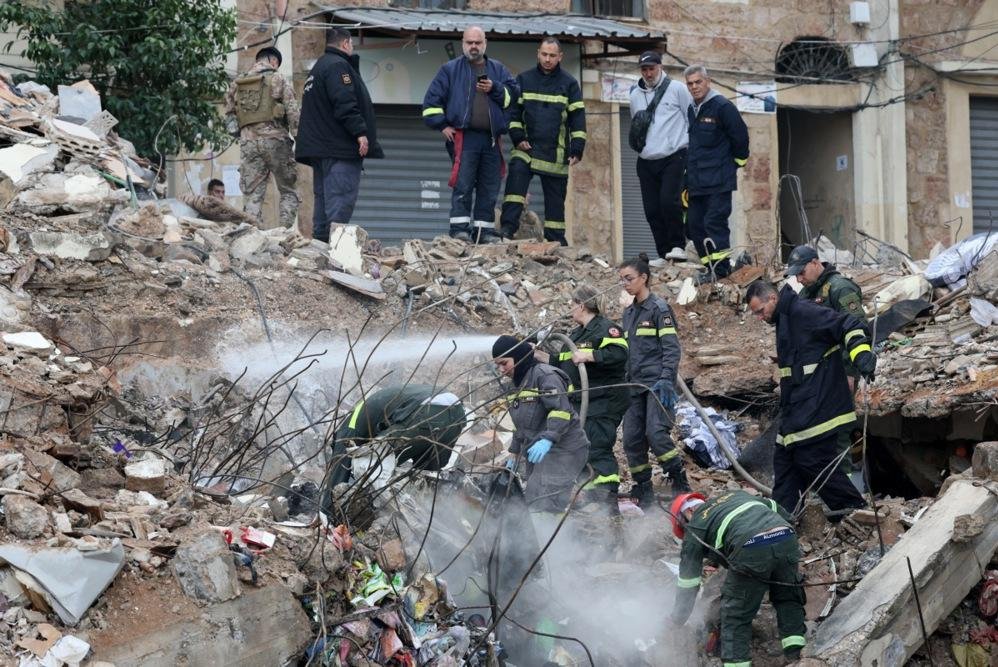
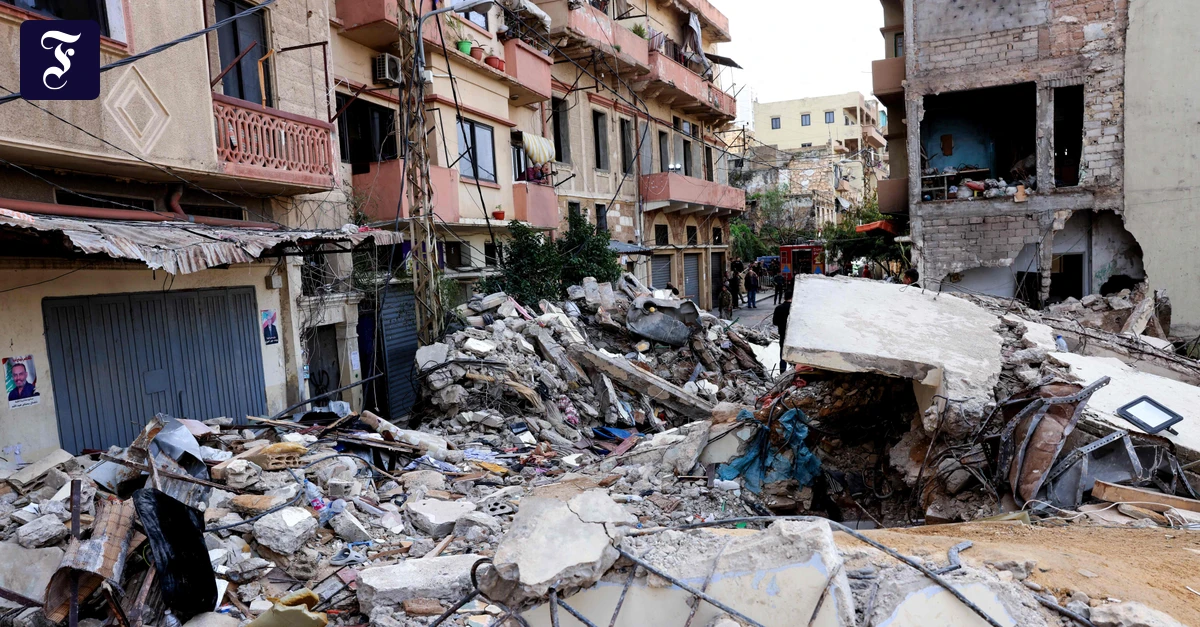
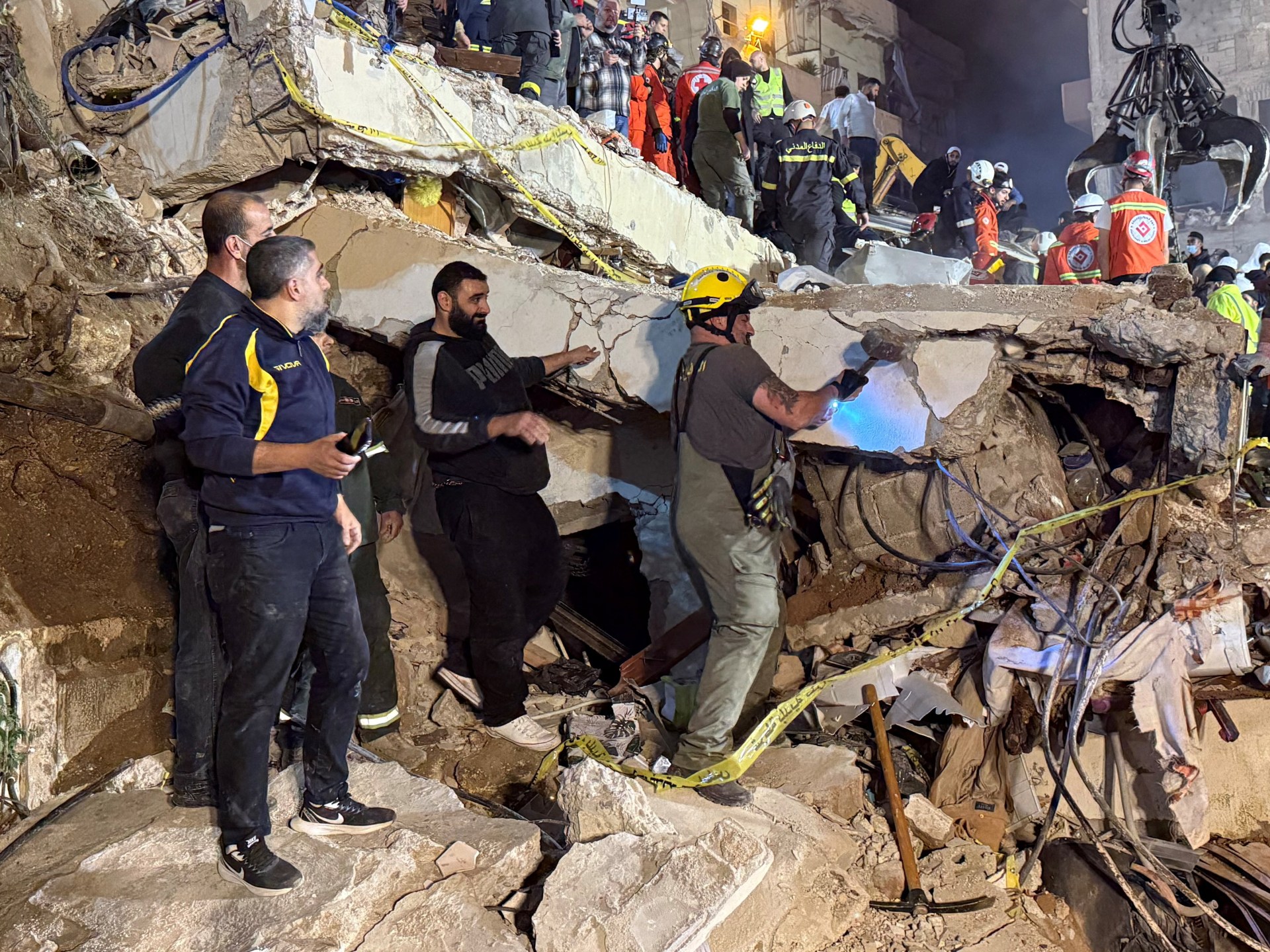
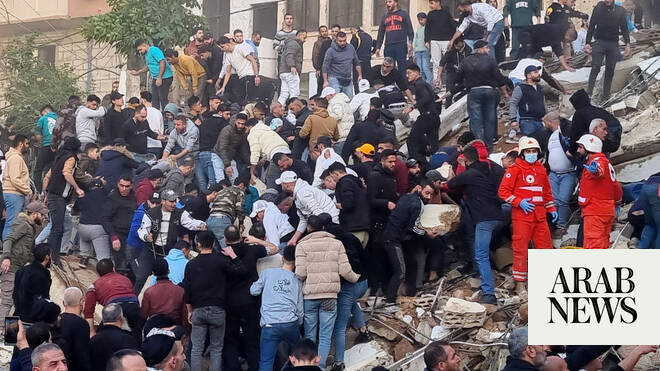
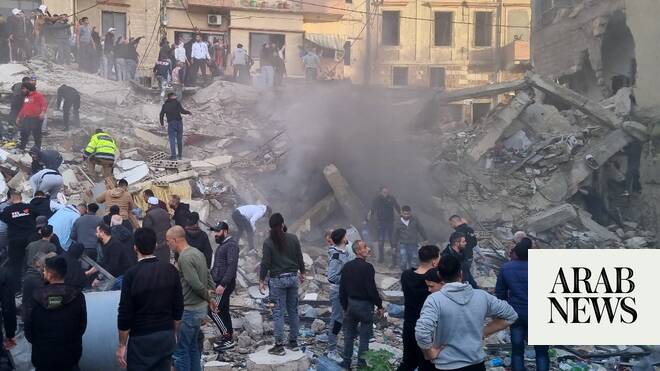
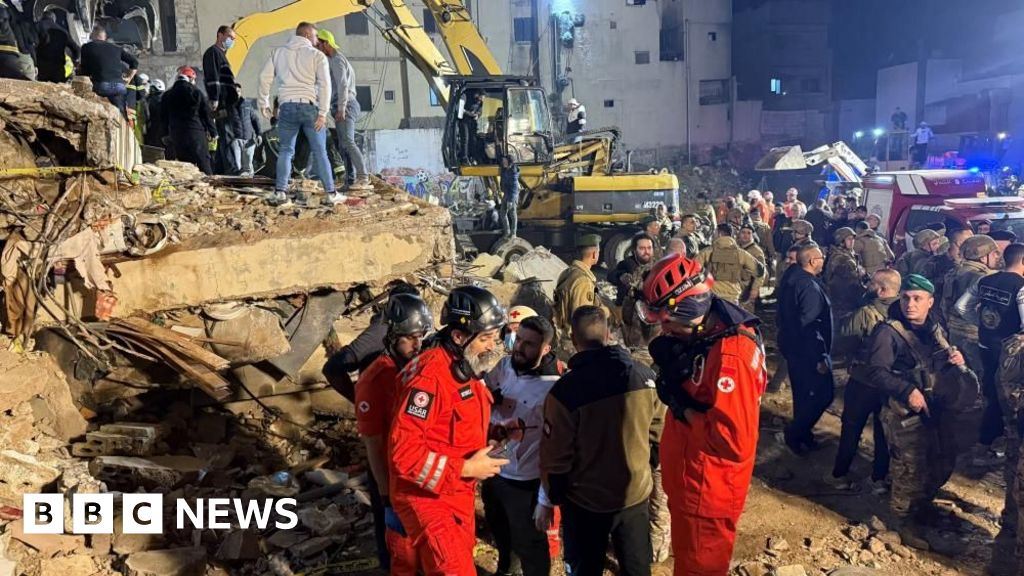
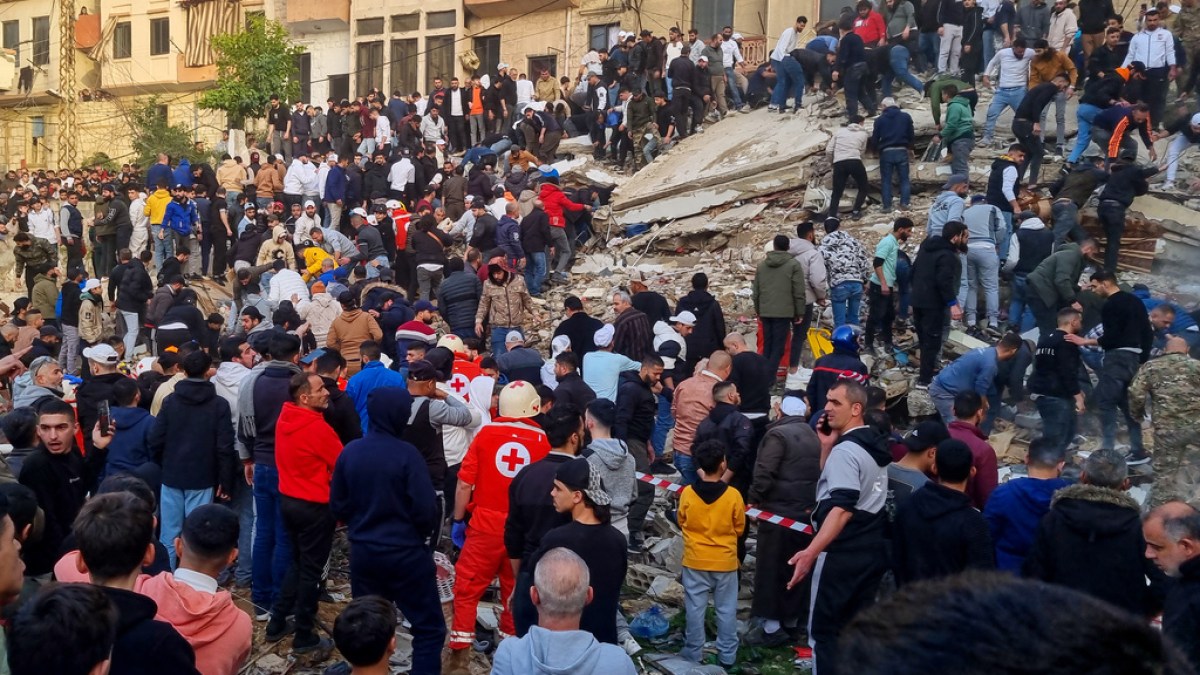
A building collapse in Tripoli, Lebanon, last week killed 14 people. The building was in Bab Al-Tabbaneh, one of the poorest neighborhoods in Tripoli, which is in turn one of the poorest cities in Lebanon and even in the Eastern Mediterranean.
The fall of the building makes us ask the question: Why did this happen to these people? Many do not know the rich history of the precious city. Tripoli was once a capital of trade, culture, and art in the Ottoman Empire. Why this degeneration? And who is responsible?
The building collapse in Tripoli was not an accident, nor was it the first tragedy this year to take innocent lives. It was the predictable outcome of years of neglect by local authorities and successive governments. The dangers posed by these buildings are widely known, yet no preventive action has been taken. Lebanon has a proven record of corruption. Lebanese officials have always acted with impunity. Relying on the blind allegiance of their constituencies, the welfare of the people has never been their primary concern.
According to Raymond Mitri, an activist who heads Lebanon’s anticorruption task force: “The justice system also bears primary responsibility, as those in power have grown accustomed to acting with impunity.” He added: “This culture of no accountability has enabled repeated failures and avoidable deaths.”