O
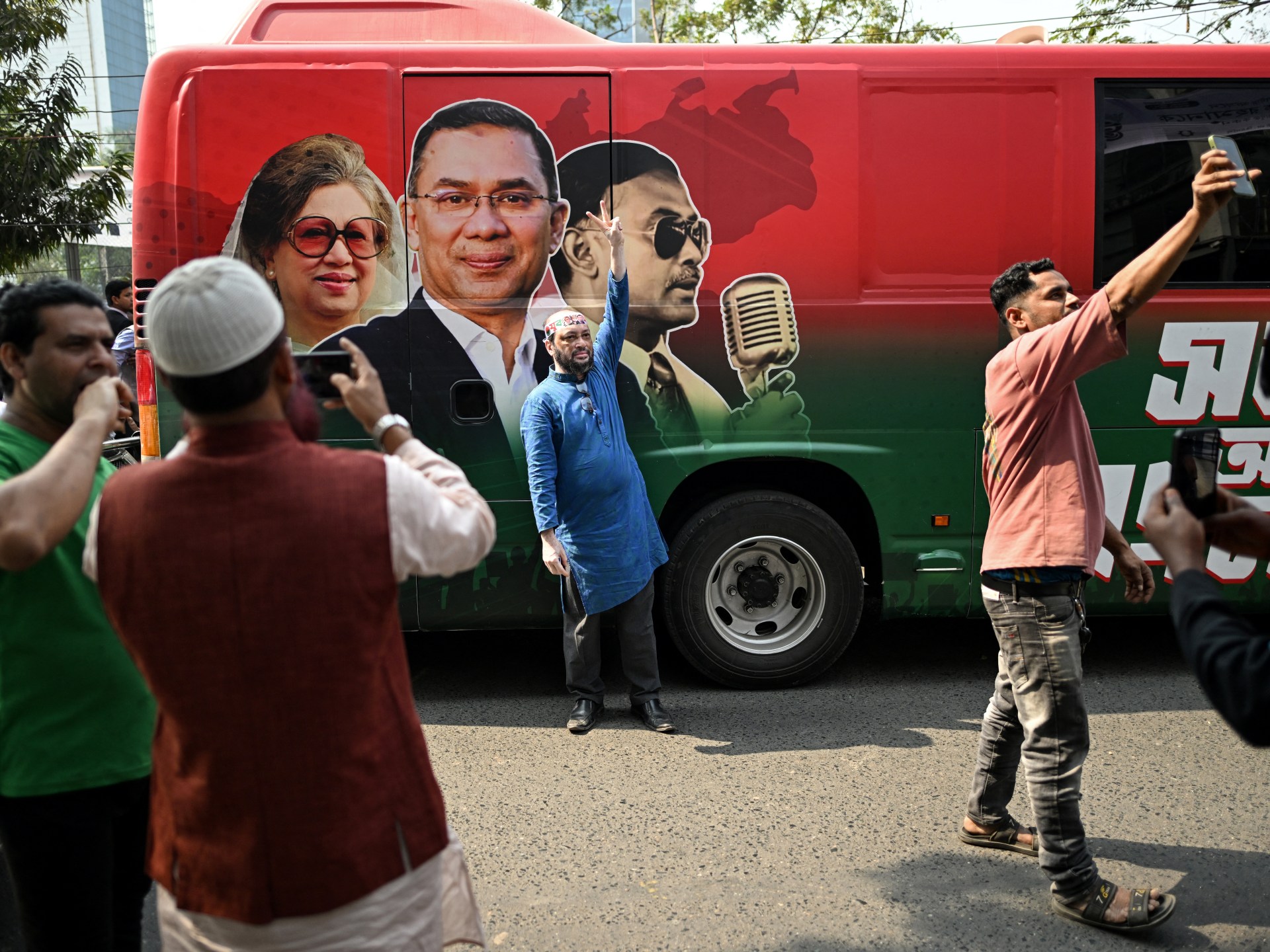
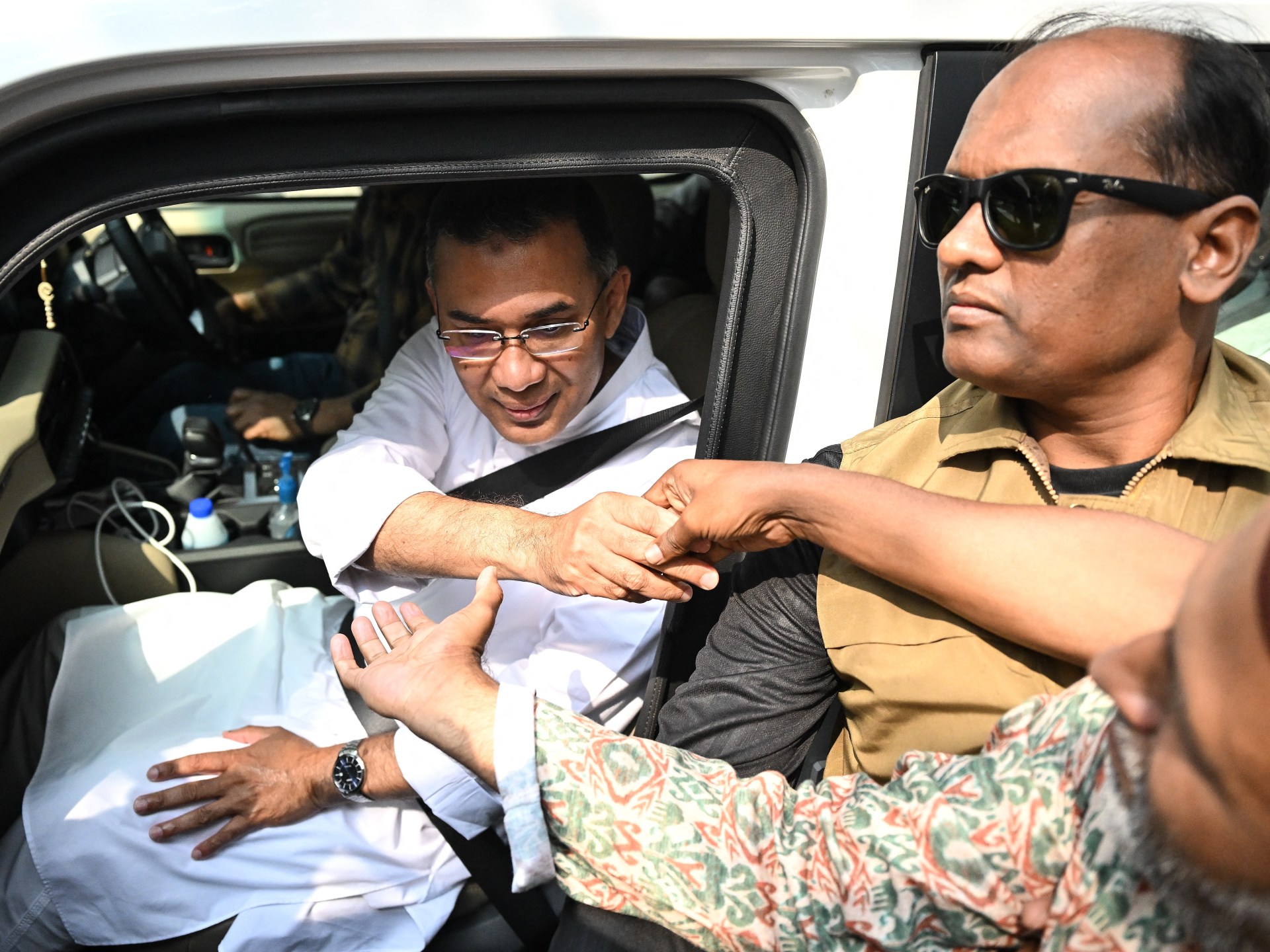
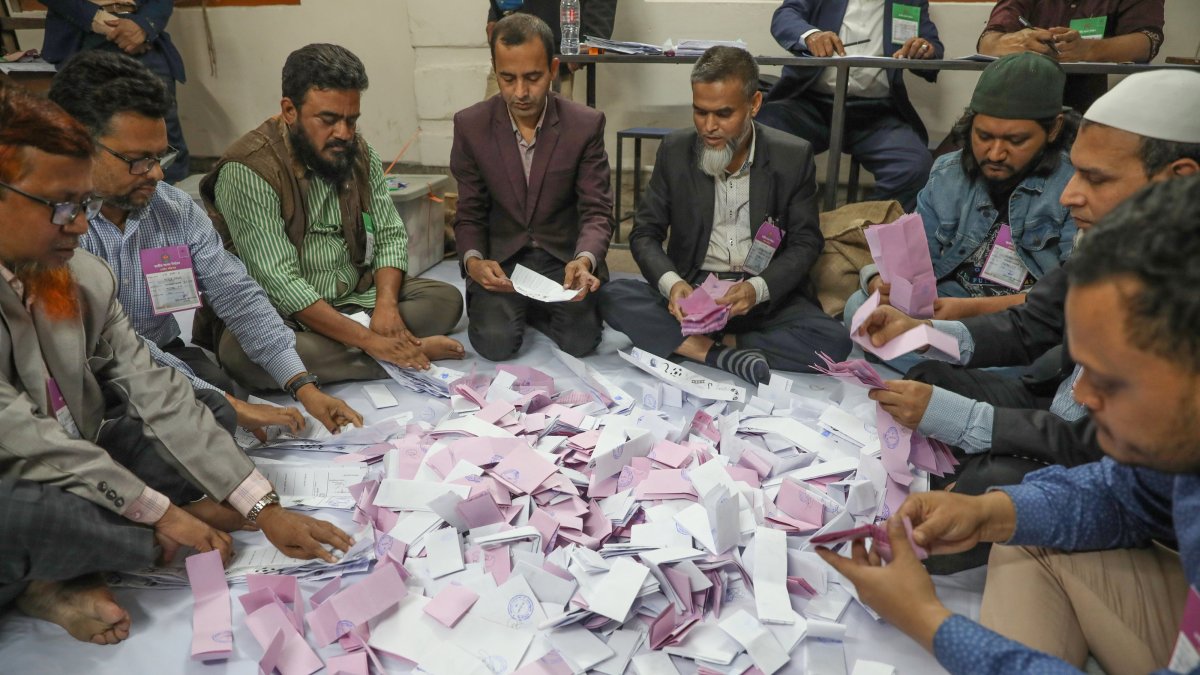
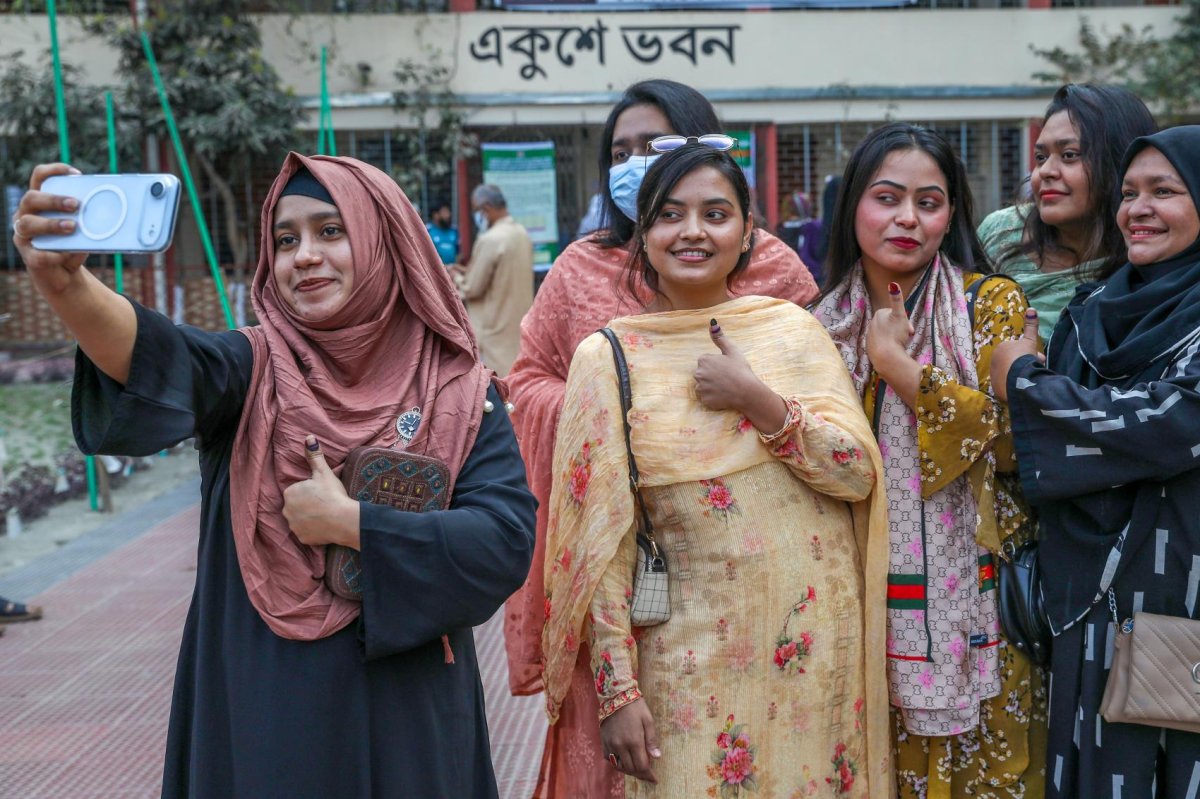
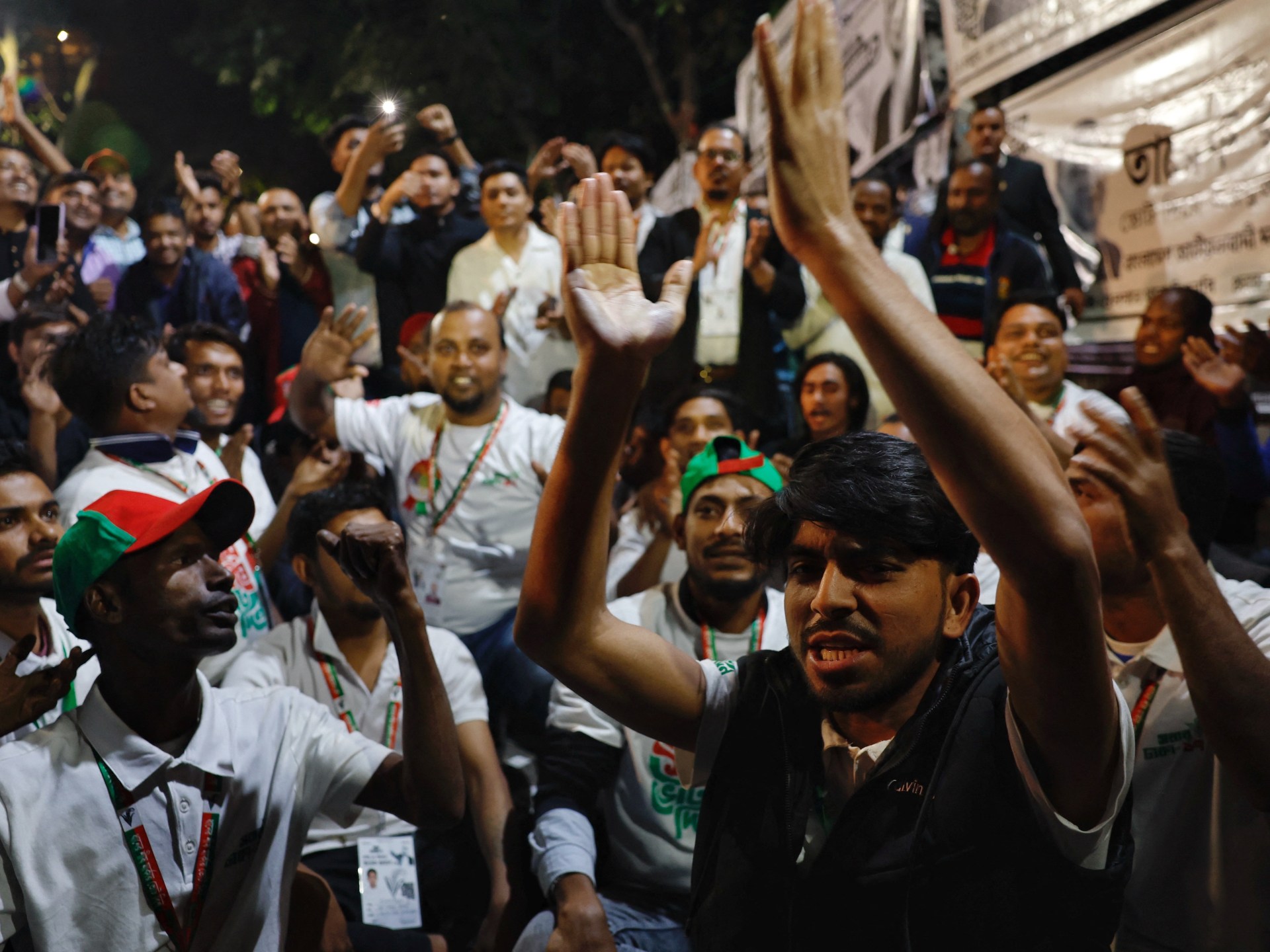
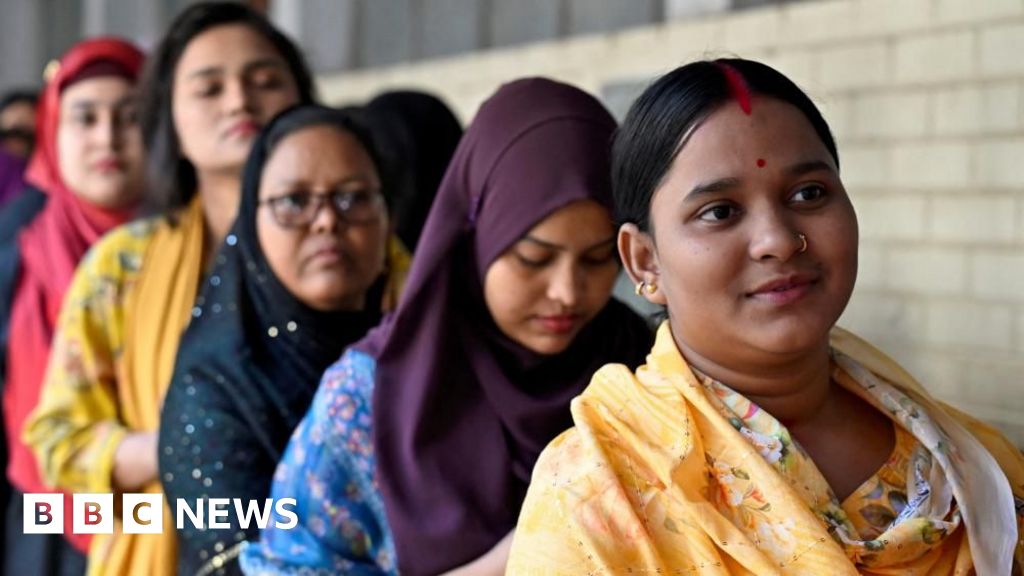
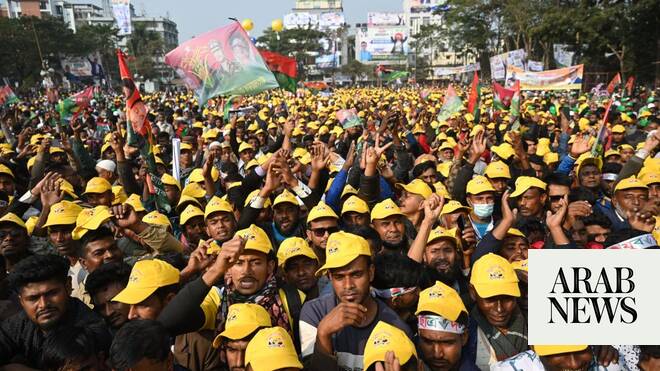
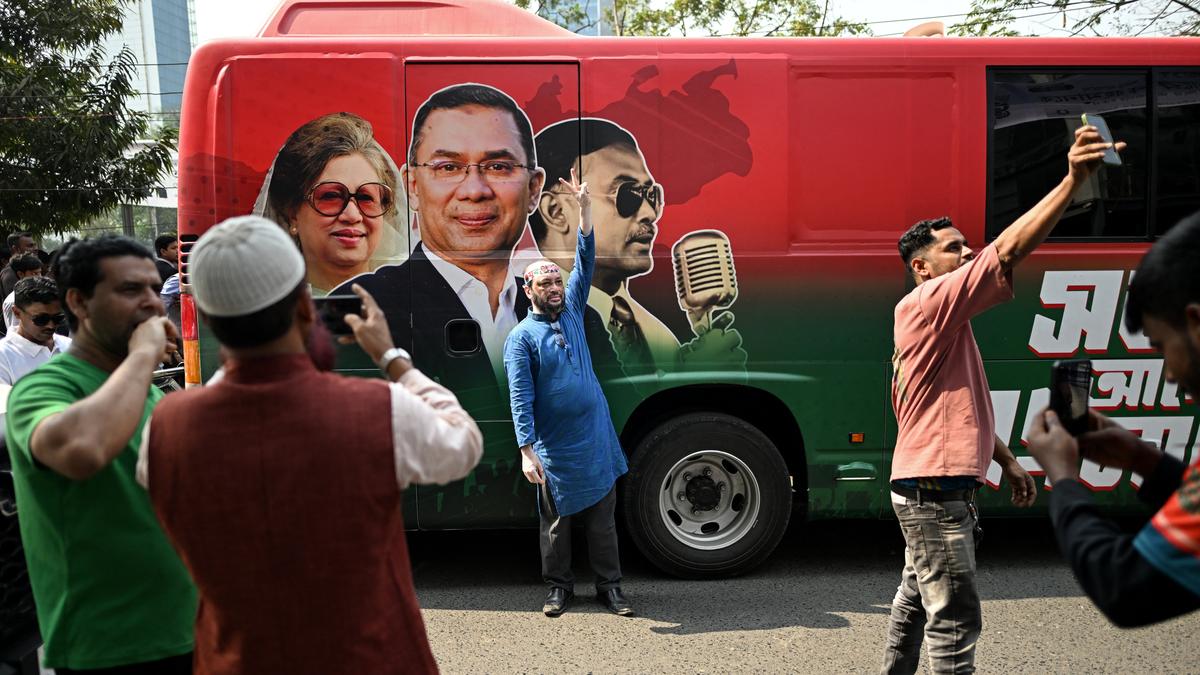
n February 12, in Mogbazar, a densely populated area in Dhaka, hundreds of Jamaat-e-Islami cadres gathered together. Wearing colourful caps and fine Oud, they watched the future of Bangladesh’s politics being rewritten. While the Bangladesh Nationalist Party (BNP) won the election, securing 209 seats out of 300, the Jamaat-e-Islami, the principal challenger, won 68, its highest tally since the country’s independence.
Also read: Bangladesh election results highlights
The polls were necessitated by a student-led uprising that ousted Prime Minister Sheikh Hasina in August 2024, after which an interim government took charge to oversee the transition to a newly elected administration. Hasina’s Awami League was banned from the elections, marking a historic first since 1971, the year Bangladesh was formed.
Outside the narrow alley, fruit, vegetable, and fish sellers struggled to cope with the sudden surge of outsiders. After all, it was not every day that so many people showed up at the Jamaat-e-Islami’s headquarters.