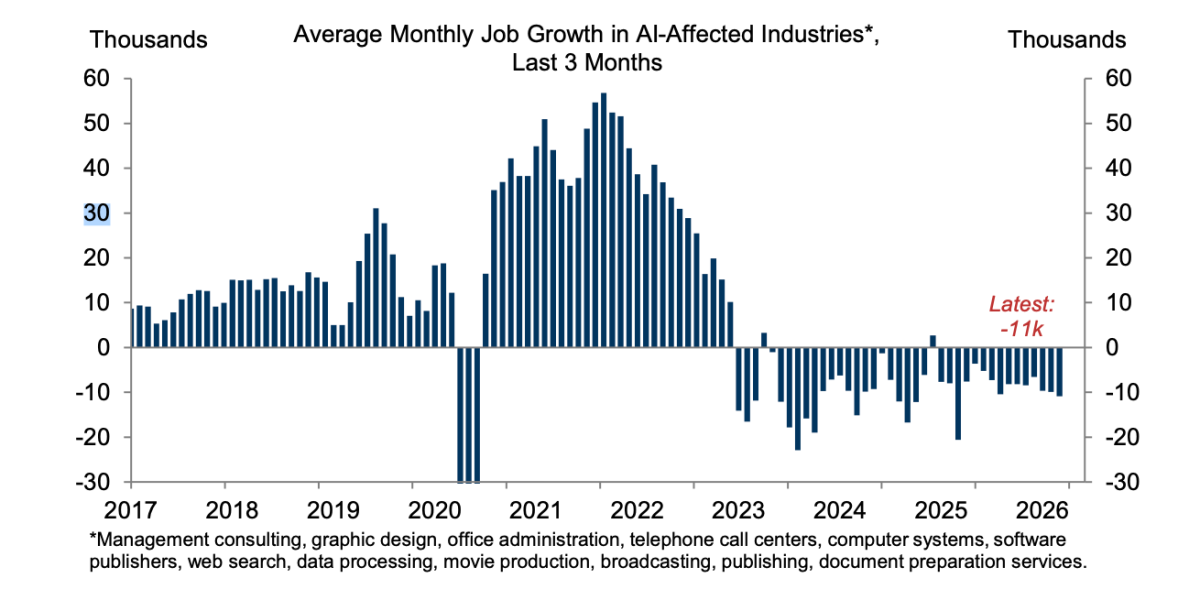
The job market has been a sore subject for Gen Z. The unemployment rate among young college grads sits at 5.6%, hovering near its highest level in more than a decade outside the pandemic. Meanwhile, prominent executives—from Anthropic’s Dario Amodei to Ford’s Jim Farley—have warned that artificial intelligence will slash corporate entry-level jobs.
But some companies are realizing that cutting young workers out of the pipeline isn’t a sustainable long-term strategy: $240 billion tech giant IBM just revealed it’s ramping up hiring of Gen Z.
“The companies three to five years from now that are going to be the most successful are those companies that doubled down on entry-level hiring in this environment,” Nickle LaMoreaux, IBM’s chief human resources officer, said this week.
“We are tripling our entry-level hiring, and yes, that is for software developers and all these jobs we’re being told AI can do.”
While she admitted that many of the responsibilities that previously defined entry-level jobs can now be automated, IBM has since rewritten its roles across sectors to account for AI fluency. For example, software engineers will spend less time on routine coding—and more on interacting with customers, and HR staffers will work more on intervening with chatbots, rather than having to answer every question.