Canada’s decision to reduce barriers for Chinese electric vehicles is one piece of a larger pivot away from a reliance on the United States.
The Canadian government is aiming to develop joint ventures with Chinese and Korean firms and trying to revive its manufacturing base with tax breaks as it faces a strained relationship with the United States and a decades-long decline of Canadian auto manufacturing.
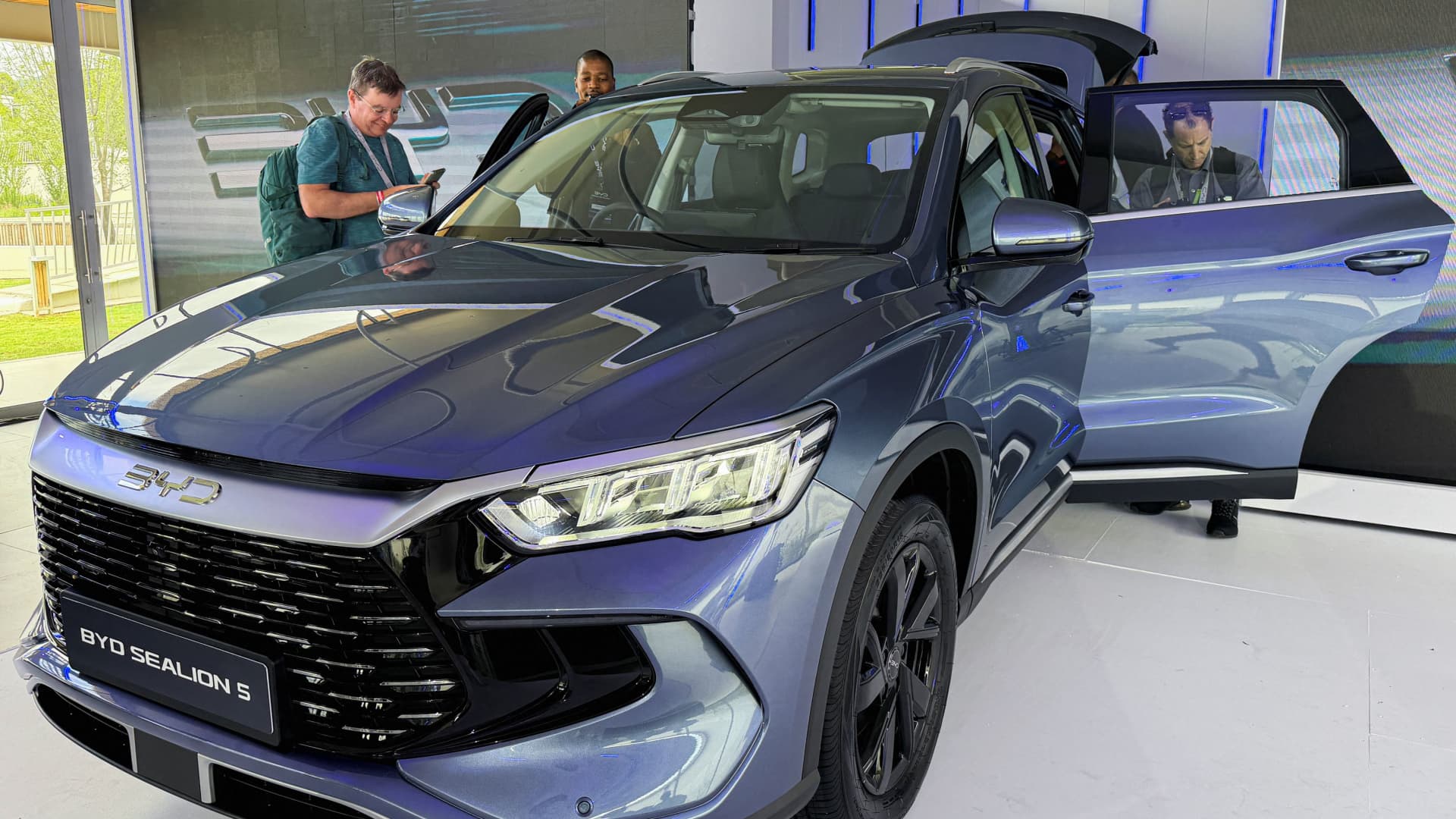
The country said in January it’s allowing the importation of 49,000 Chinese EVs at a tariff rate of 6.1%, a dramatic walk-back of the 106% duty placed on them in October 2024. That would be about 3% of Canada’s total new car market, and about 20% of its combined battery EV and plug-in hybrid market, according to Dunsky Energy and Climate Advisors, a Canadian research and advisory firm.
In exchange for lifting restrictions, China has agreed to reduce tariffs on Canadian canola oil, one of Canada’s top agricultural exports.
The deal aims for at least 50% of these imported Chinese EVs to be affordable models within five years, or a vehicle with an import price of less than 35,000 Canadian dollars — just under US$26,000.