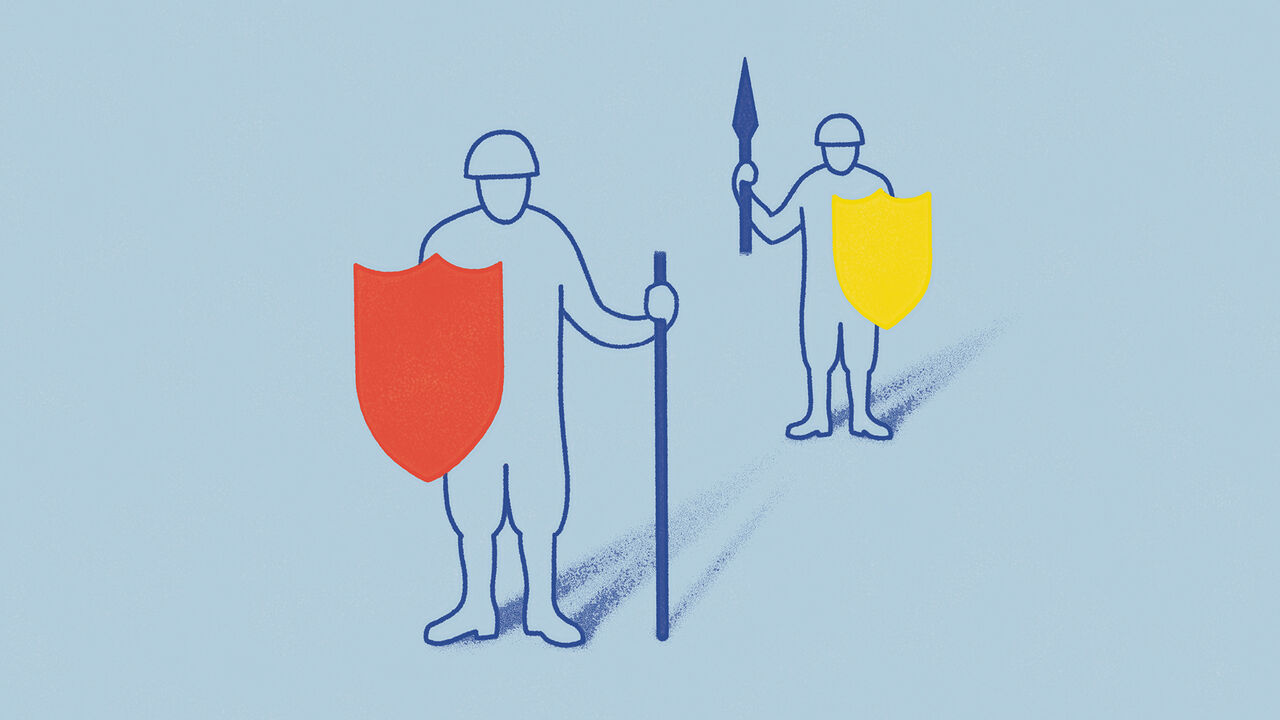
Today’s opening of the Munich Security Conference marks a year since JD Vance’s blistering attack on European leaders signalled the start of a new world order – and huge questions for Europe about its future.Writing in the This Is Europe newsletter this week, Jon described this as Europe’s moment of reckoning as it faces what Emmanuel Macron called a “tsunami” of competition from China and a US that is “openly anti-European”.Along with our teams around the world, Jon has spent the past year covering the shape of Europe’s future – and what it means for nations across the continent, including France, where he is based.Jon has now finished answering your questions. Read the Q&A below.Question from senoj1:Do you think a two tier Europe will emerge – say France, Germany, Poland, Italy, Baltics – who will drive defence and therefore finance, with an outer ring more or less following on? Those furthest away from Russia (Spain Portugal Greece, Ireland etc?) Will a two-tier Europe lead to intra-continent squabbling and protectionism - effectively undermining the whole core concept of the EU - which is to avoid armed conflict between European nations?Jon:
double quotation markThe answer in short is yes. The idea of a two-tier Europe has been around for decades under various names – two-tier, two-speed, multi-speed, concentric circles … It’s never taken off because, as you say, it’s been widely seen as divisive and contrary to the point of the EU. Member states have generally preferred to seek unanimity through concession and compromise.