The controversy over the IOC’s decision to bar the Ukrainian from competing has cast a long shadow over the Games
T
he Winter Olympics have been presented as a stage for unity – a place where nations set aside conflict, athletes chase excellence, and the world gathers in a shared celebration of human potential. Yet Thursday was shadowed by controversy for the International Olympic Committee that raise difficult questions about neutrality and the limits of political expression in sport.
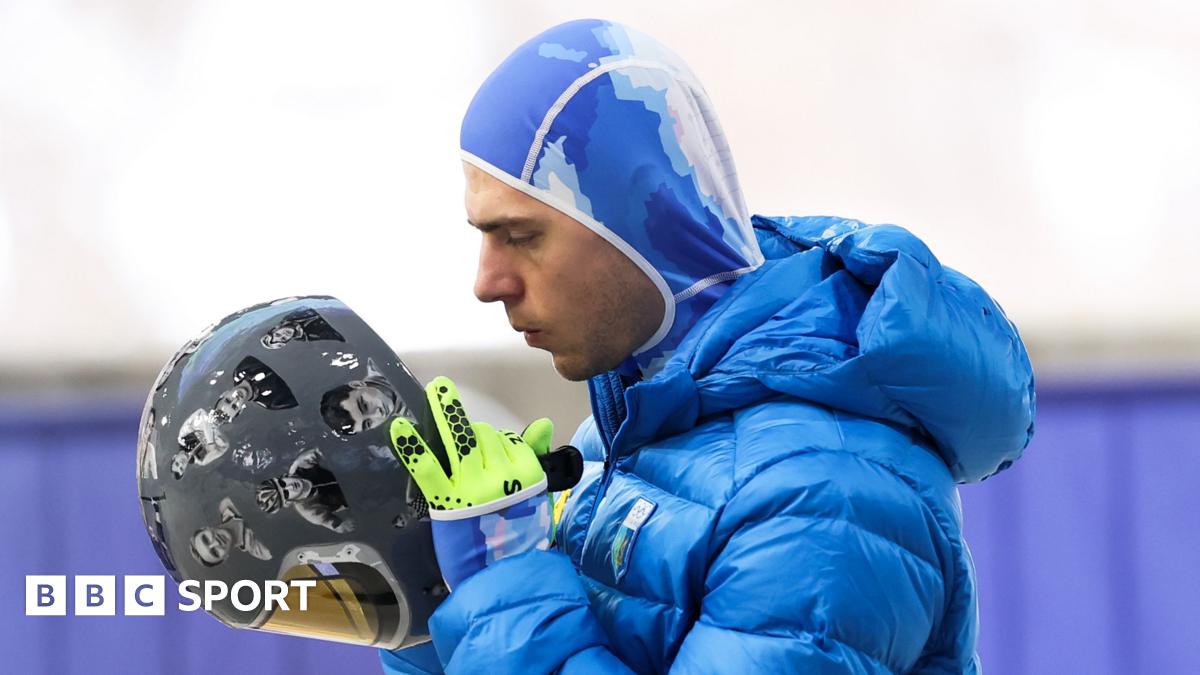
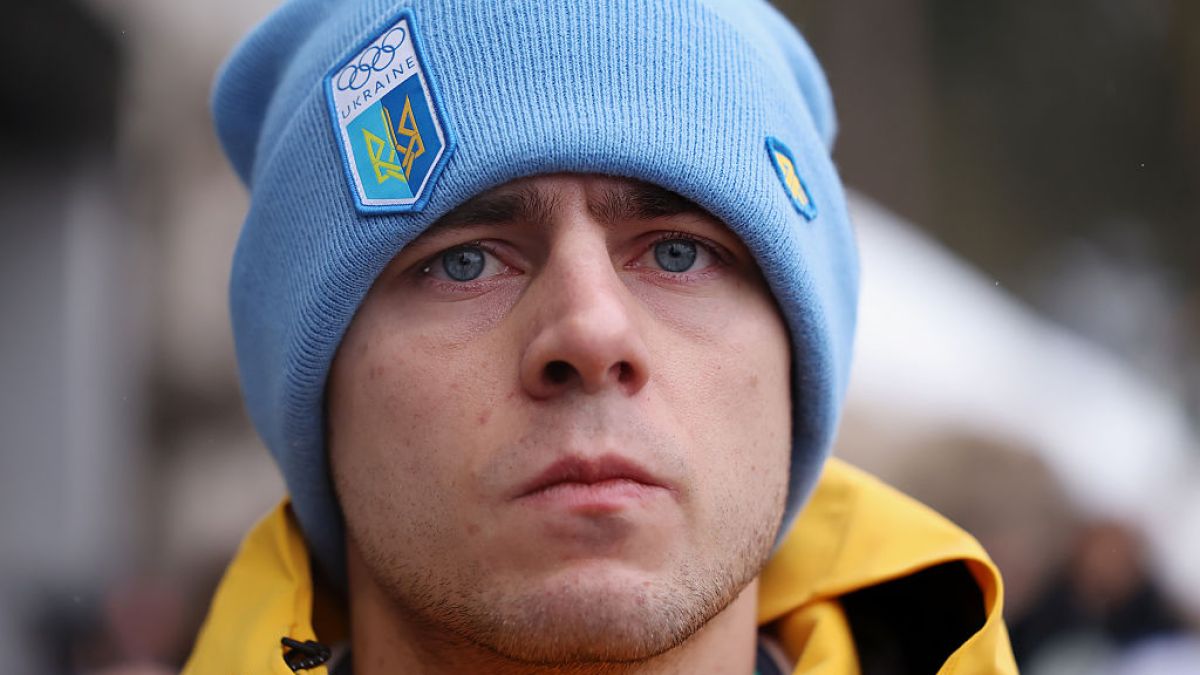
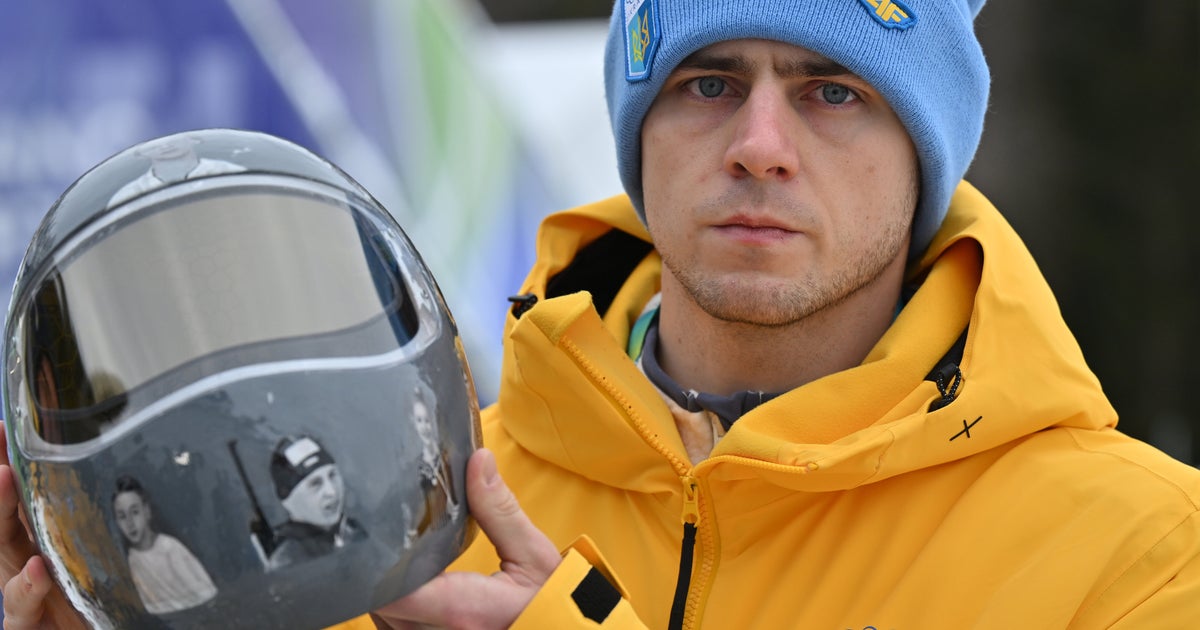
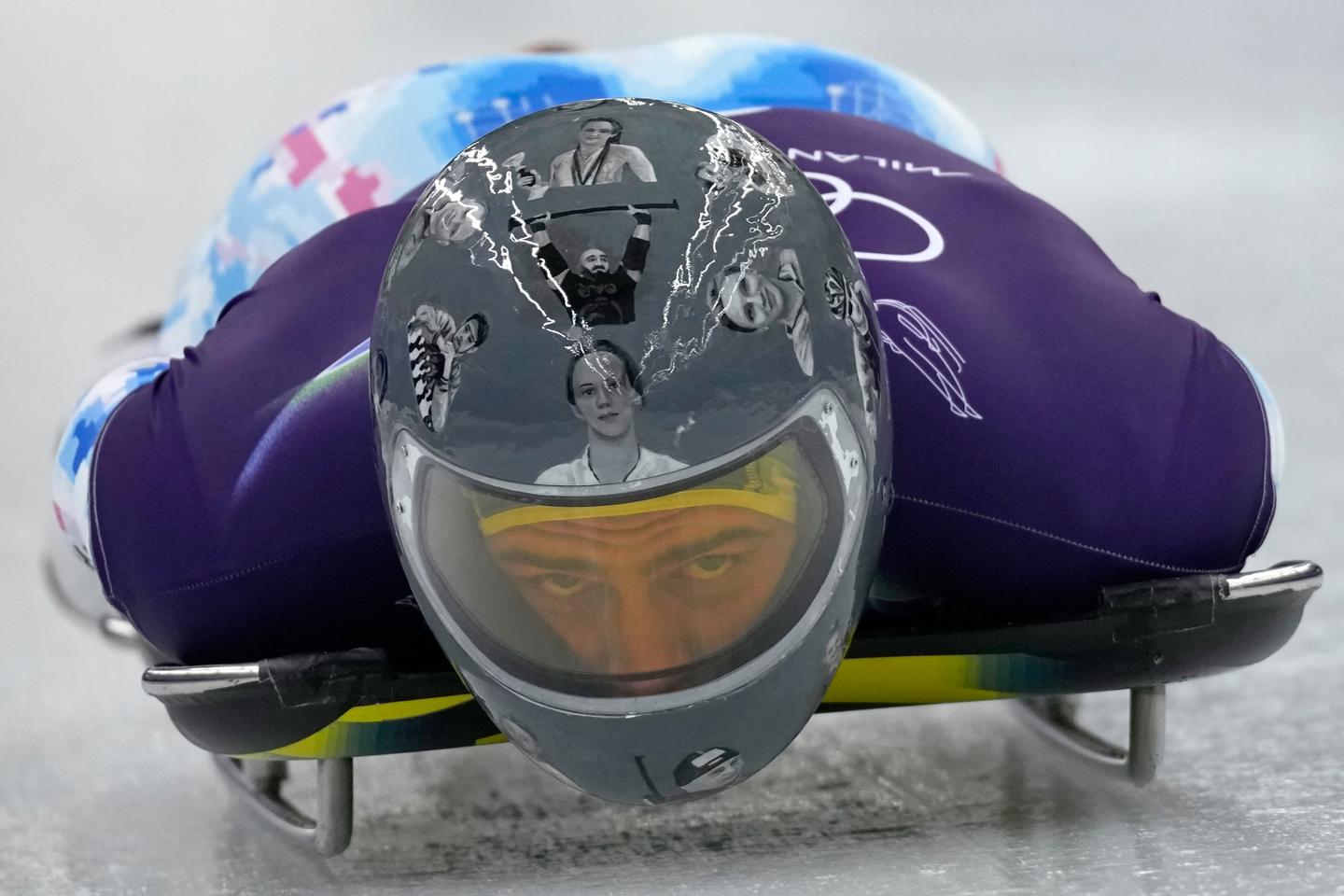
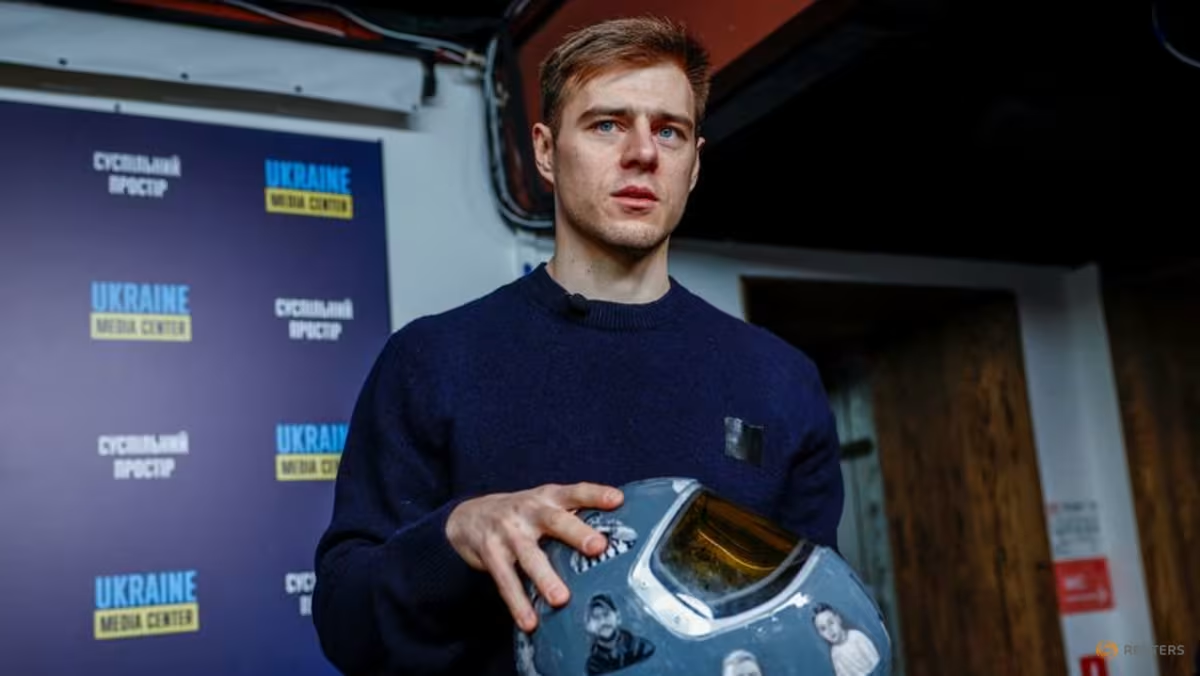
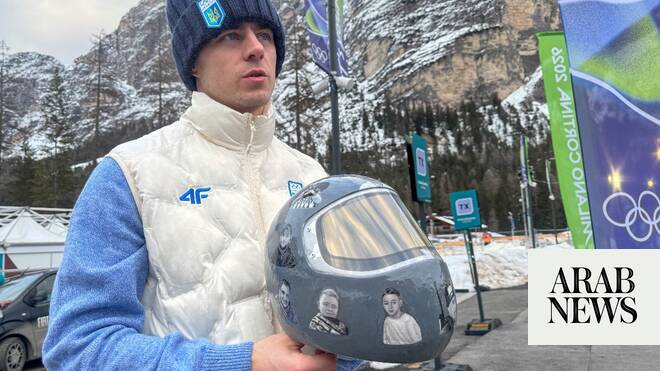
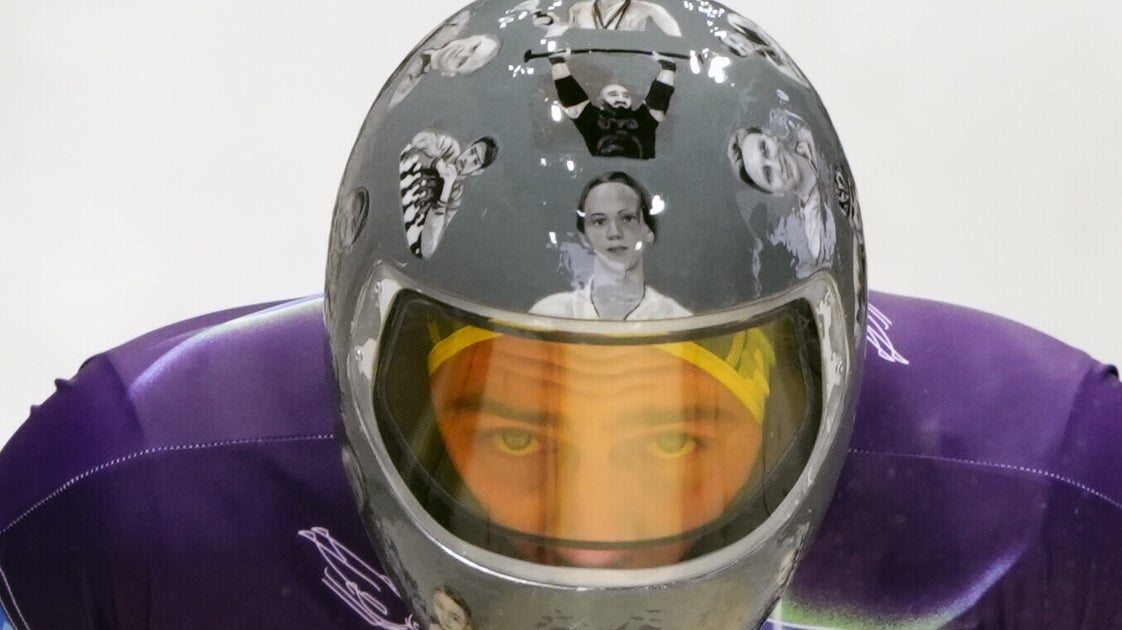
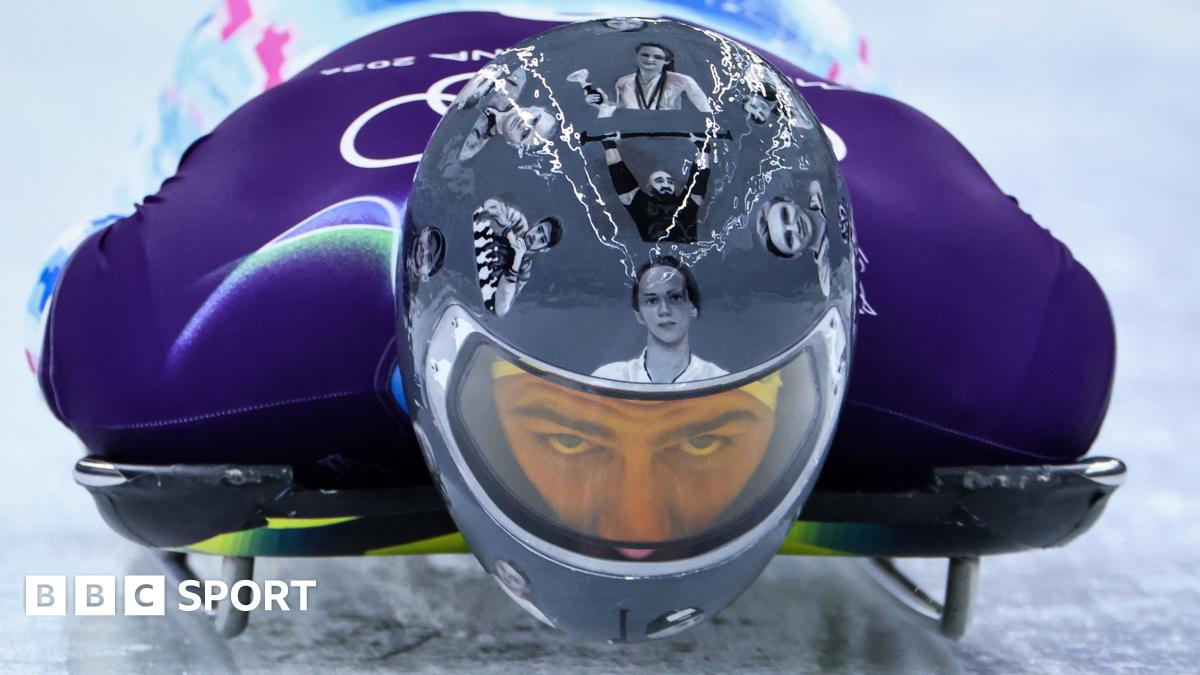
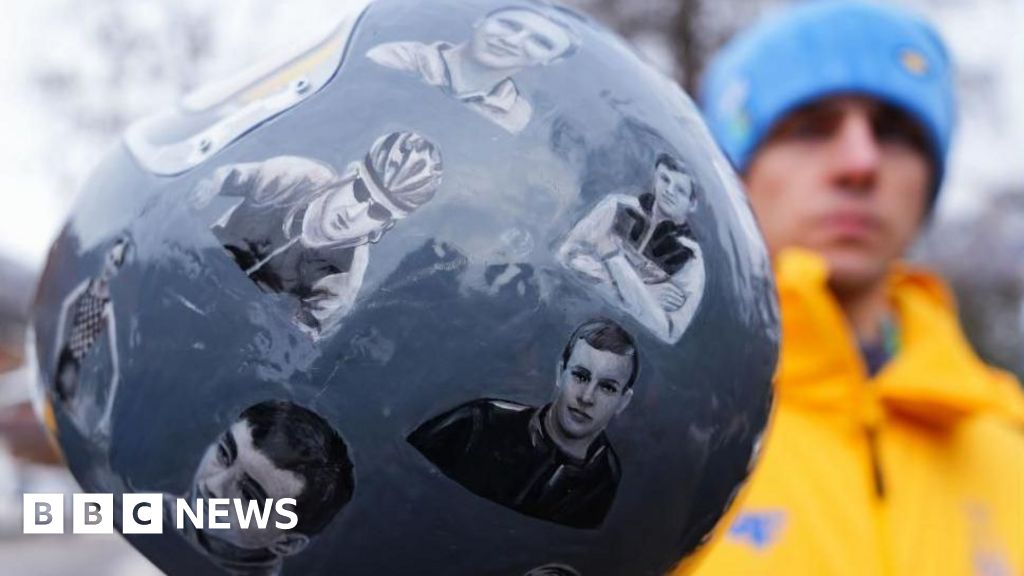
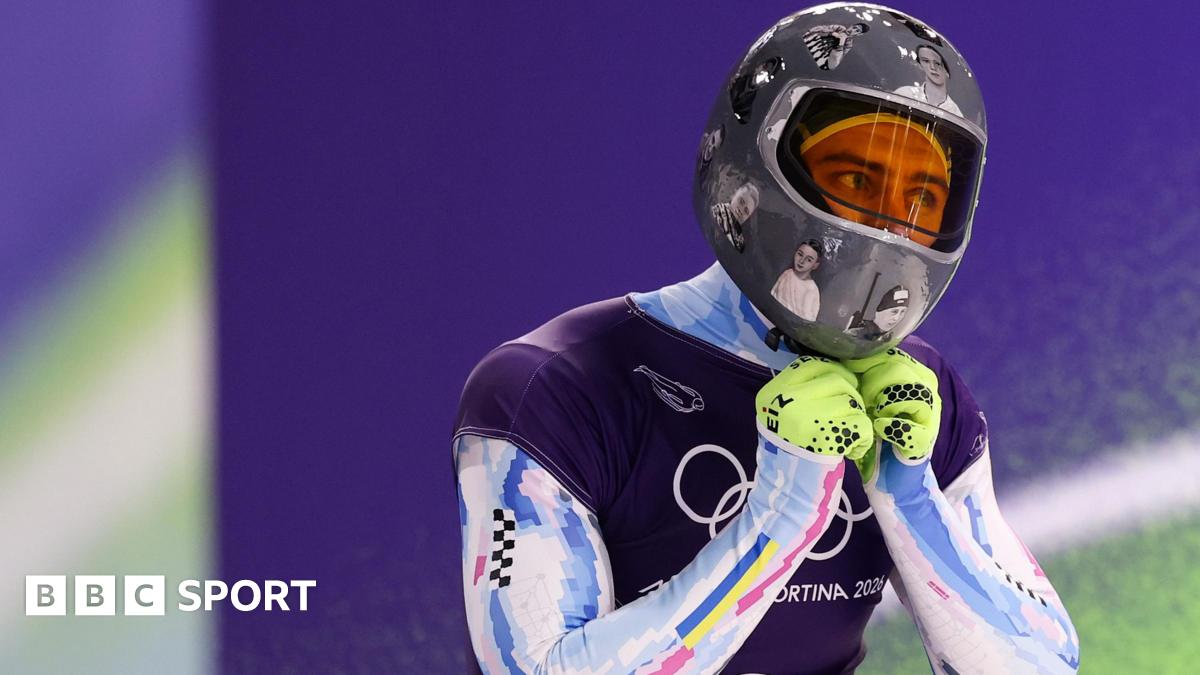
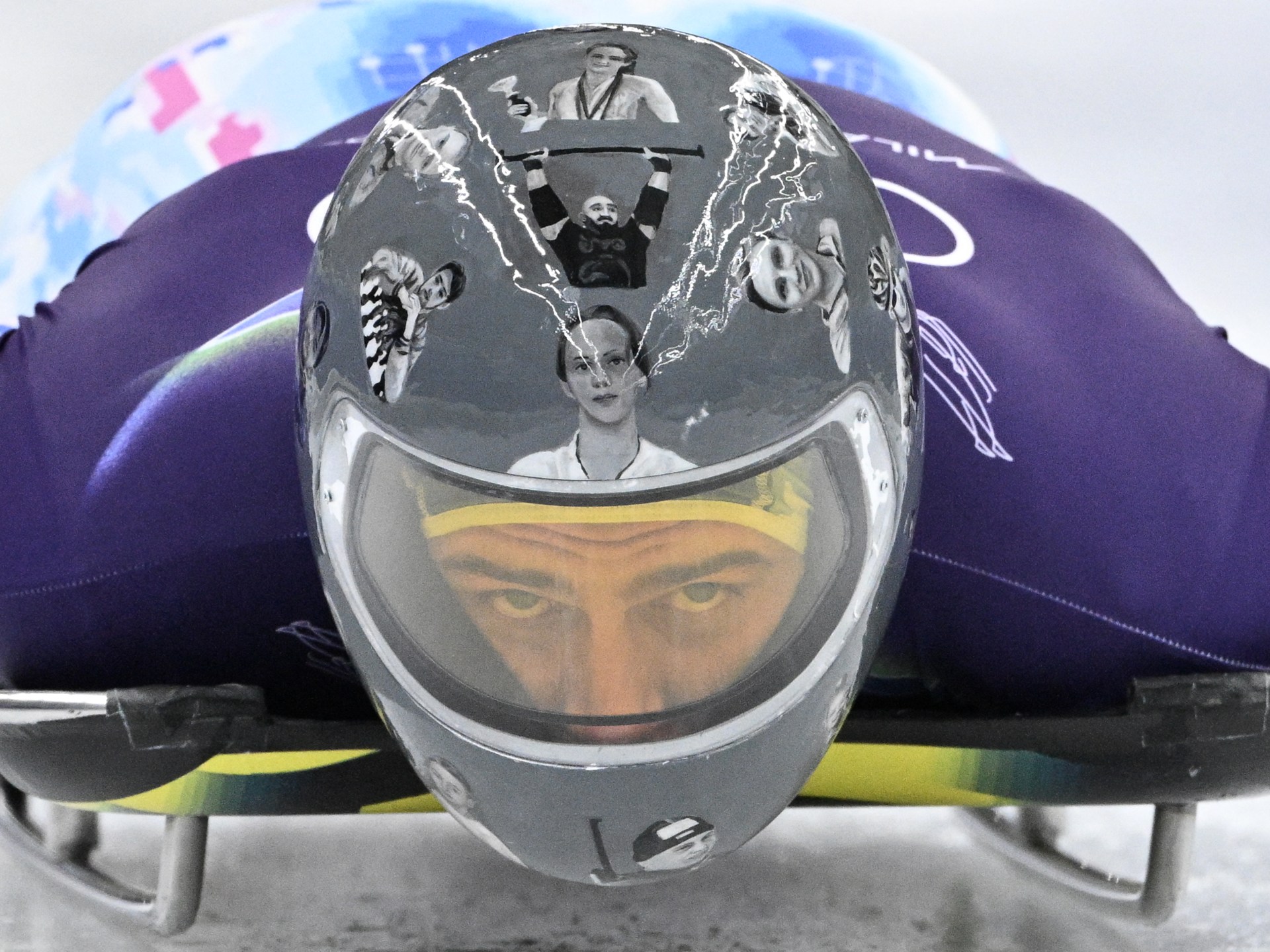
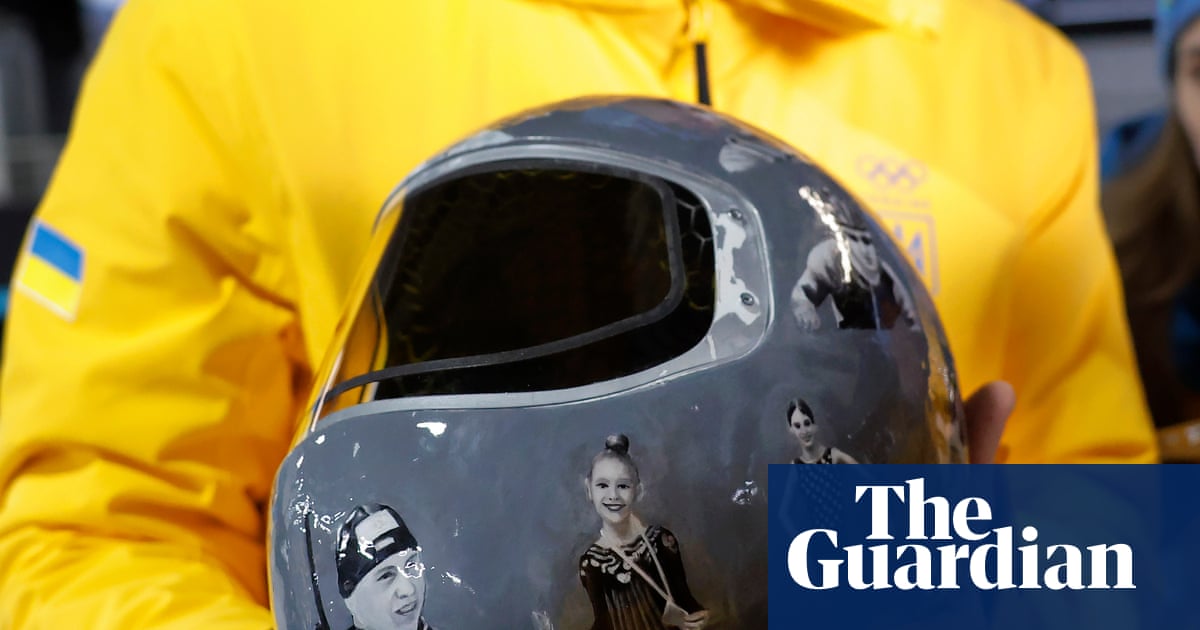
The Ukrainian skeleton racer Vladyslav Heraskevych was barred from competing after he insisted on wearing what he called a “helmet of memory”, created to honour Ukrainian athletes killed during Russia’s war against his country. He was informed only 21 minutes before racing by the IOC president, Kirsty Coventry, who spoke to the media in tears after she could not persuade him to change his mind.
For Heraskevych, the helmet was not a political statement but an act of remembrance. “Some of them were my friends,” he said of the 24 people emblazoned across the helmet, including the teenage weightlifter Alina Perehudova, the boxer Pavlo Ishchenko, the ice hockey player Oleksiy Loginov, the actor and athlete Ivan Kononenko, the diver and coach Mykyta Kozubenko, the shooter Oleksiy Khabarov and the dancer Daria Kurdel.