S
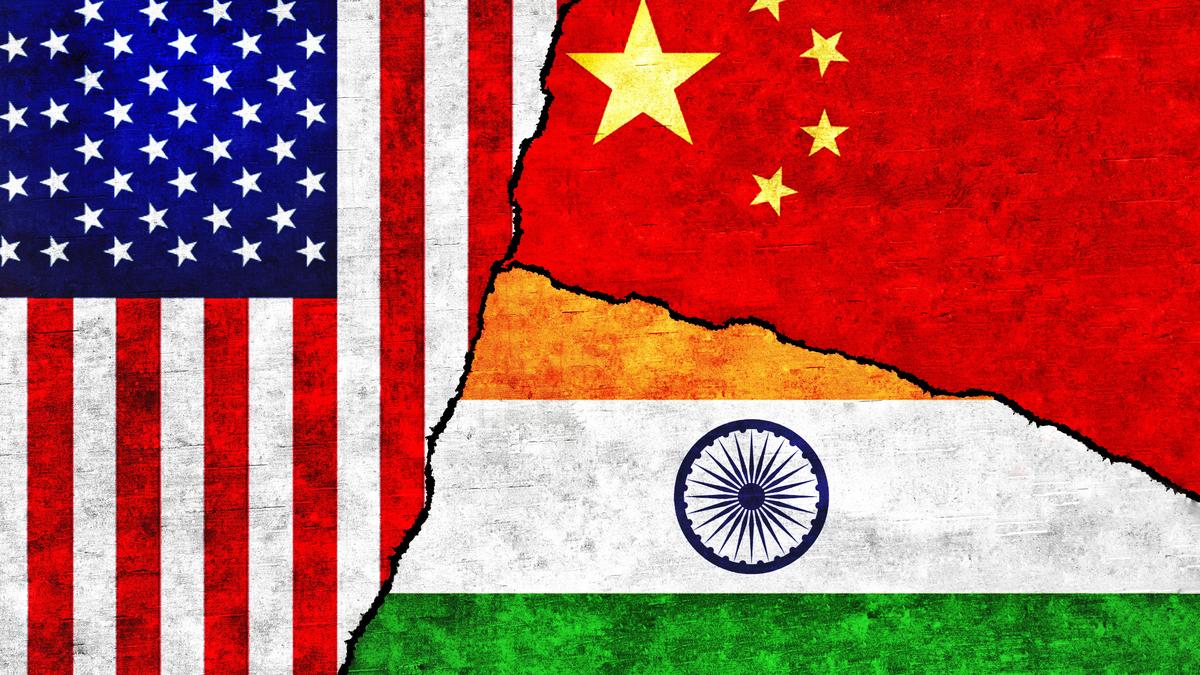
peaking in the Rajya Sabha, Prime Minister Narendra Modi formally acknowledged the new world order. The hard part is to formulate a new national identity and approach to international relations.
Eroding multilateralism
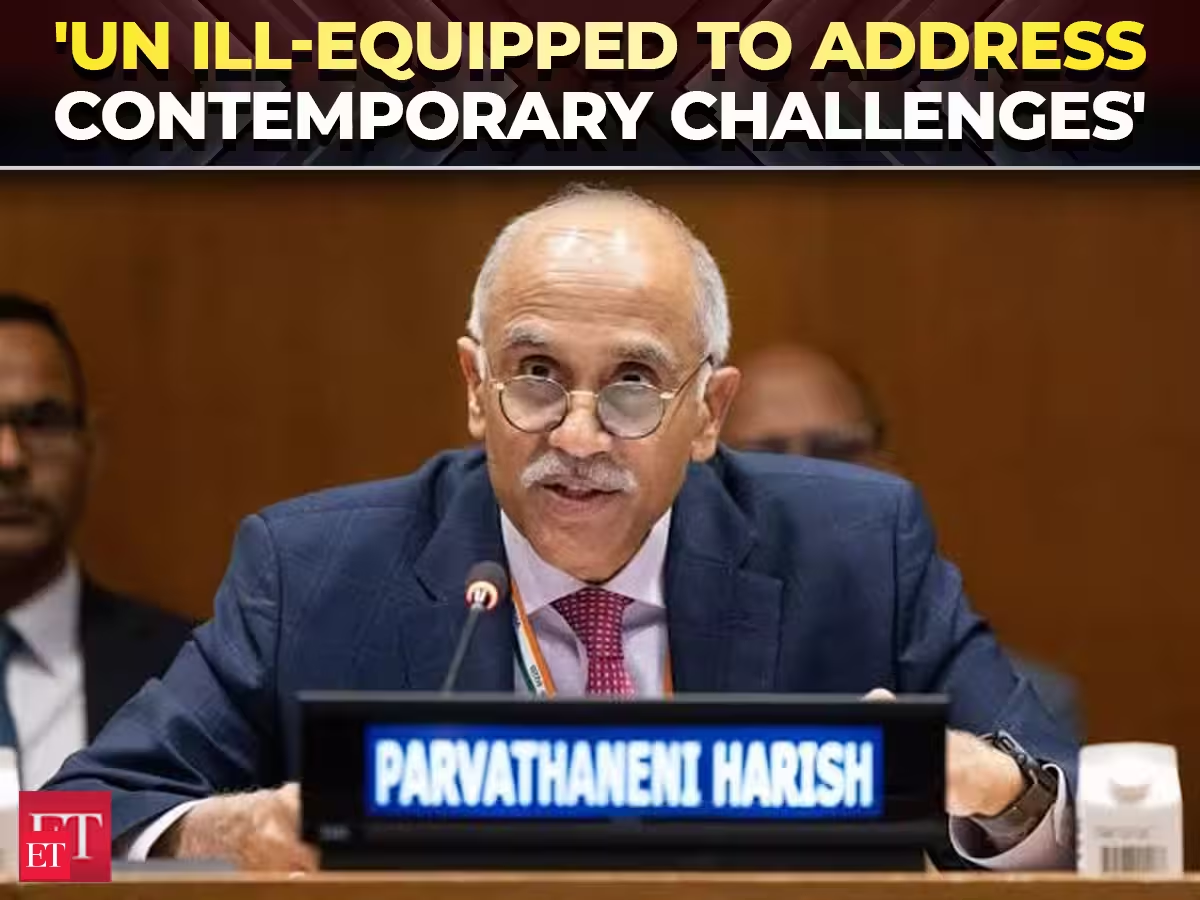
India’s leadership of the Global South at the United Nations General Assembly was the foundation of its long-standing foreign policy of ‘strategic autonomy’. The global rules agreed in the UN established by former colonial powers led by the U.S. served their interests in the post-colonial world. India’s Oxbridge-educated diplomats had unquestioned leadership in the UN negotiating text on principles and rules, successfully diverting pressure on poor countries. Climate negotiations ending in 1992 were left entirely to India by the Global South.
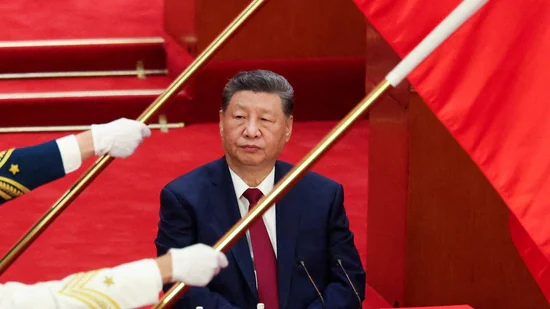
However, China’s rise around 2010, through the creation of alternative funding, economic and security institutions, impacted the intellectual leadership position of India and also changed the UN irreversibly. China heads four principal UN agencies, and its aid volumes exceed those of the West. The U.S., now unable to manage the UN process, has withdrawn from 31 UN institutions.