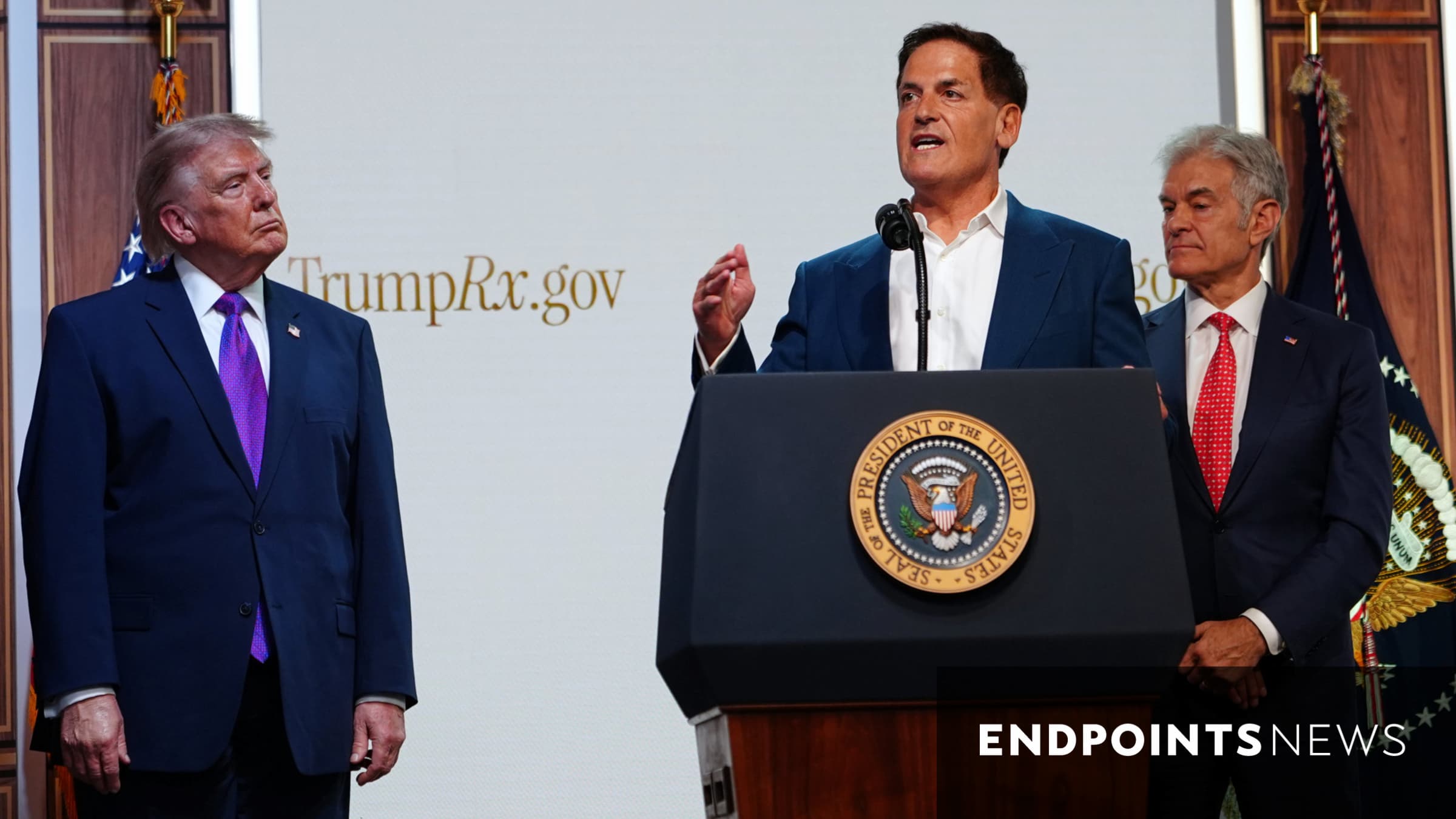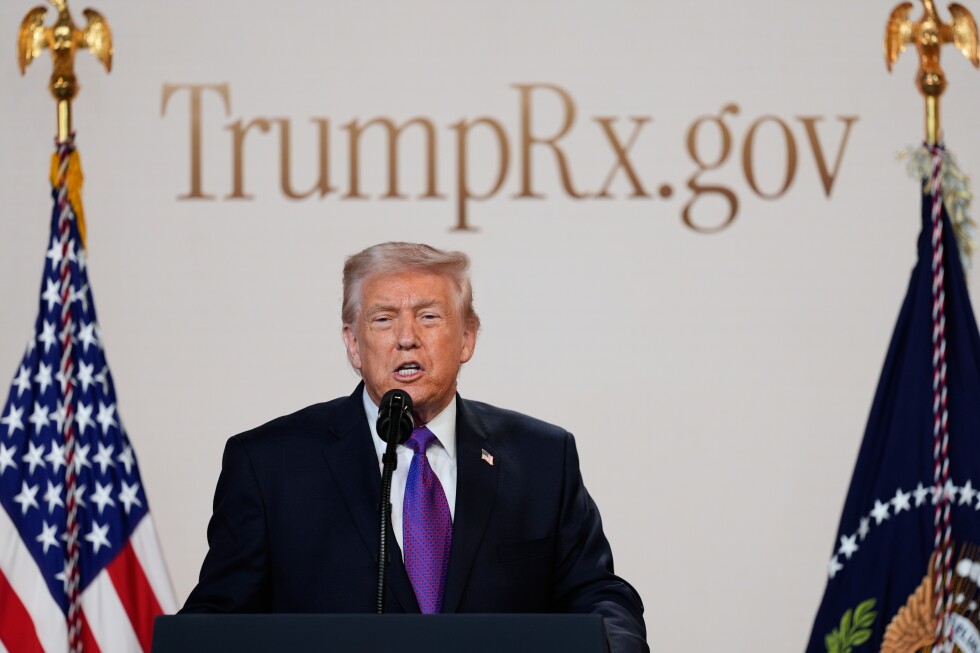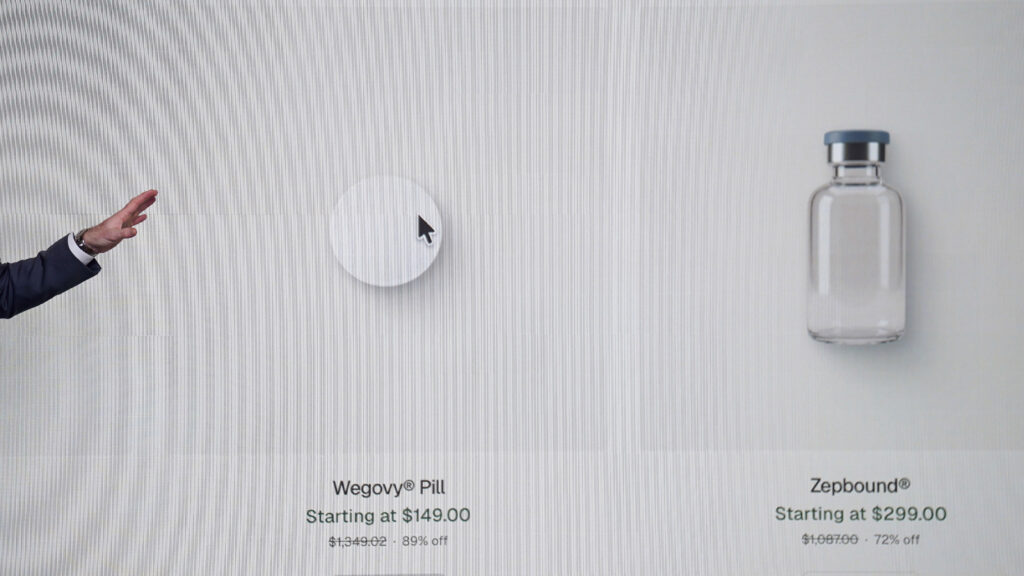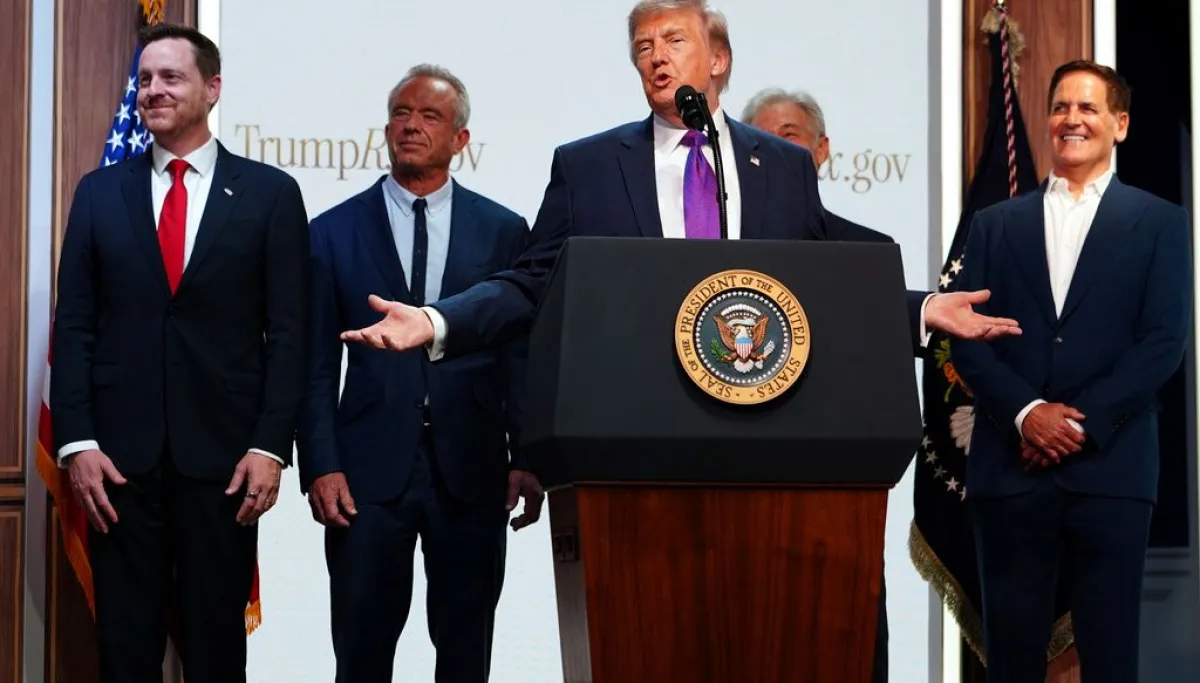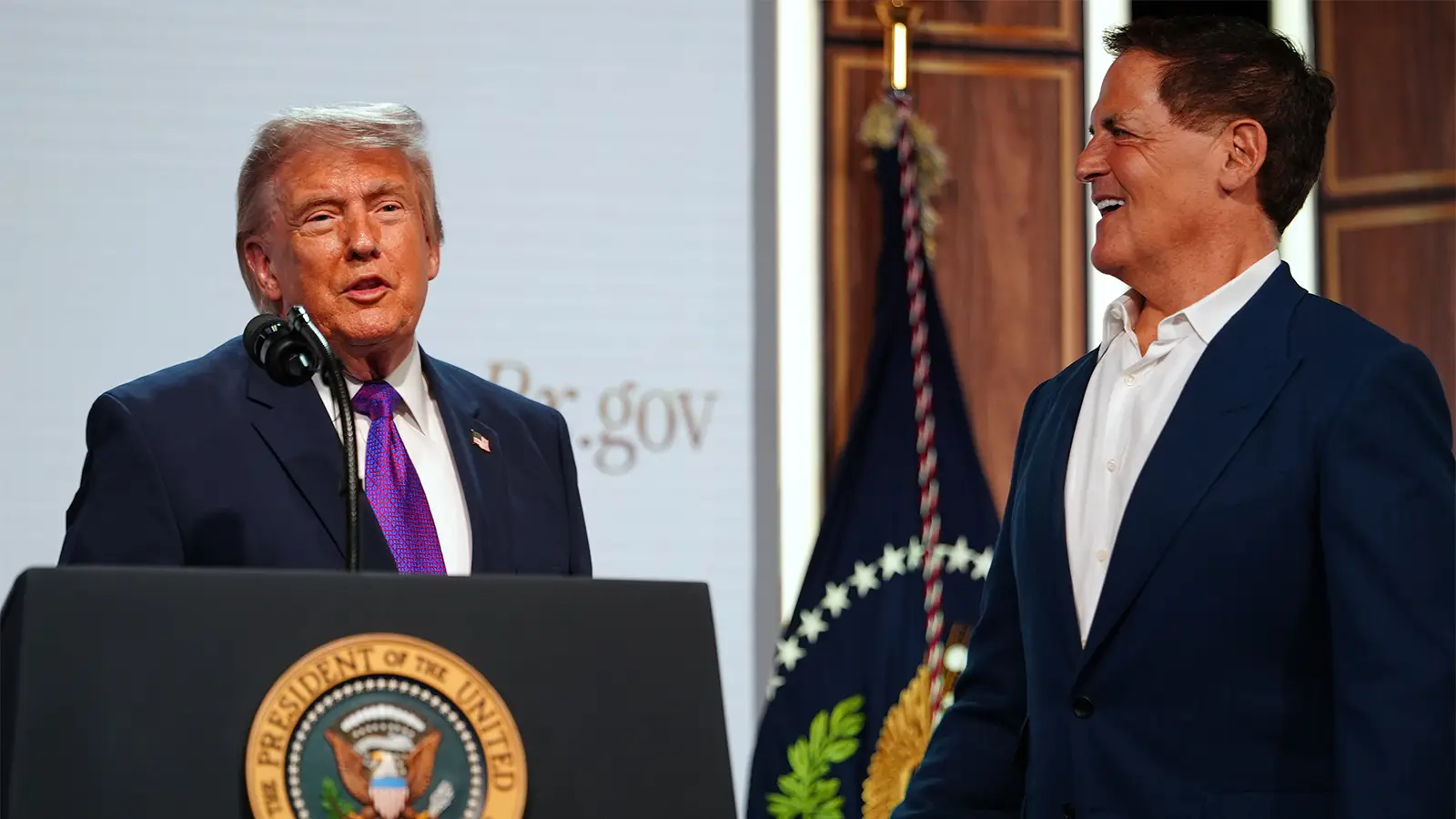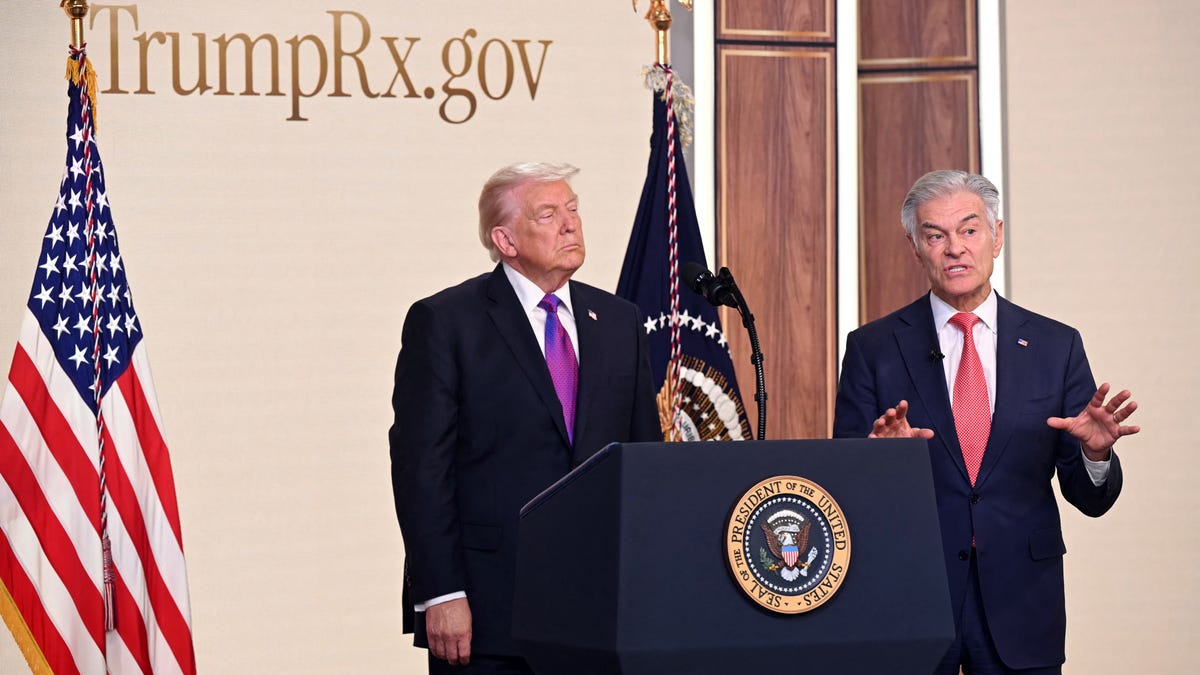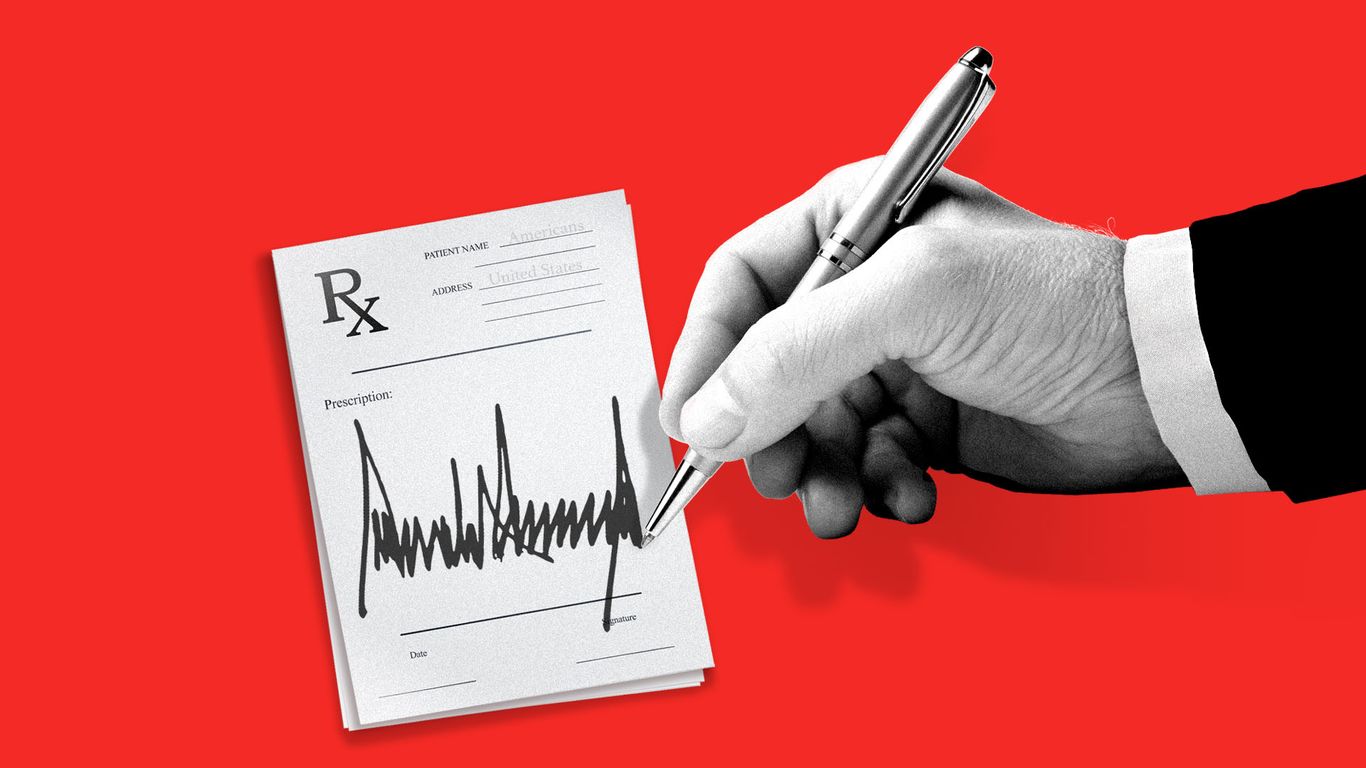
TrumpRx, the president’s direct-to-patient (DTP) purchasing platform for pharmaceutical drugs, was launched late last week to a controversial reception. The New Republic called it a “Big Fat Scam,” but it is now up to the public to decide, with it making its first appearance as a supposed market restructurer.
For decades, the American government has played a powerful but disciplined role in healthcare markets. At first, it was a passive purchaser, then a coverage expander, and only recently has it become a price negotiator, albeit in a limited capacity. However, TrumpRx, which seeks for pharmaceutical companies to grant the U.S. “most favored nation” status, is a departure from these models and signals a continued shift toward government market interventionism.
TrumpRx also emerges in a political environment where government intervention in drug pricing is no longer considered unacceptable. While the passage of the Inflation Reduction Act (IRA) marked a small first step toward addressing a malady, Trump has made government intrusion into market operations a standard tool for his version of the Republican Party to “correct” perceived failures. What was once labeled “price control” is now cannily framed as an affordability reform. Perhaps the practice could be overlooked if material changes followed. And yet, while a small subset of patients will benefit from TrumpRx, most Americans will not see a reduction in their drug prices.