In 1997 IBM supercomputer Deep Blue defeated the reigning world chess champion Garry Kasparov. In 2023 ChatGPT passed the bar exam. And last year, Google DeepMind clinched gold at the International Mathematical Olympiad.
These milestones are only expected to accelerate, with some business leaders, including SpaceX CEO Elon Musk, predicting artificial general intelligence—AI that is able to meet or surpass human intelligence—could arrive as early as this year. While avid sci-fi fans and business leaders are thrilled by the technology’s potential, others caution about the economic downsides.
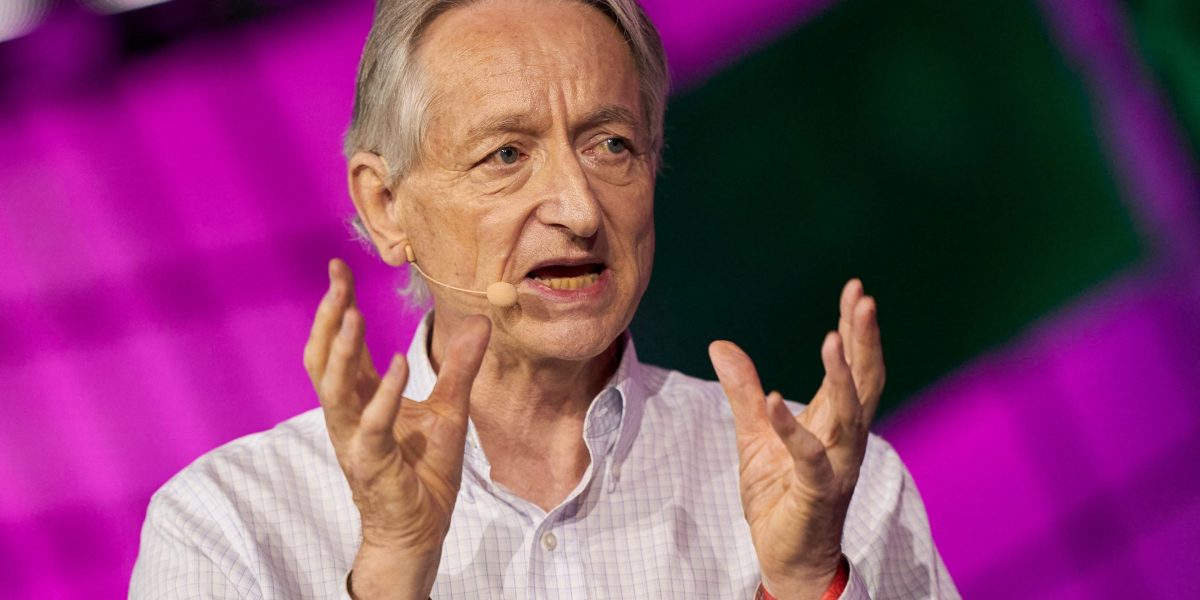
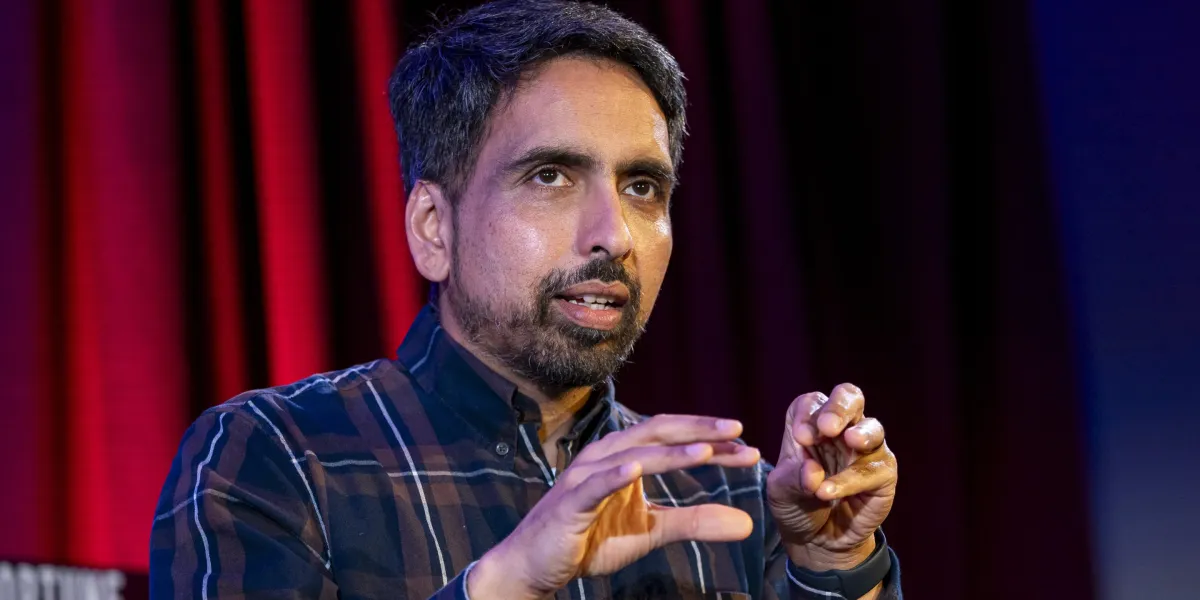
Salman Khan, CEO of Khan Academy and vision steward at TED—two organizations that provide free online education services for more than 200 million users globally—predicts the AI revolution will hit harder and faster than most are predicting (although the AI doomers are getting louder in early 2026). And while AI experts like Geoffrey Hinton, the British-Canadian computer scientist widely known as the “godfather of AI,” have warned the technology could trigger mass unemployment, Khan said even a 10% decrease could bring the burn.
“If white-collar work were to shrink even 10%,” Khan told Fortune, “it’s going to feel like a depression.”