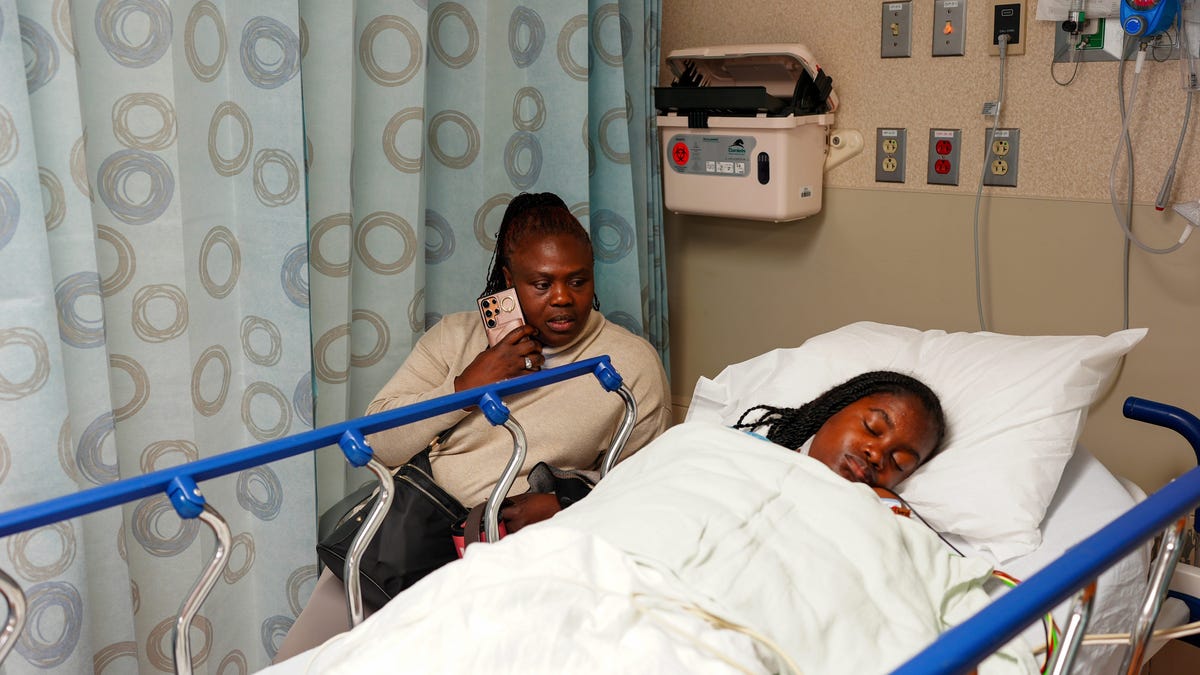
Even Americans who are covered by health insurance can emerge from medical emergencies with long-lasting financial scars.
In a new study published this month in the journal Health Affairs, researchers found that 18 months after being hospitalized for a traumatic injury — such as a car accident or fall — the share of patients with medical debt in collections rose 5.2 percentage points, or a 24% relative increase, compared with before that medical emergency. Over that same period post-injury, the average balance in collections rose by $290, and 1 in 10 indebted patients owed more than $4,480.
Bankruptcy filings also increased by 3.2 per 1,000 patients — a 6% relative rise — about 15 months after injury, the researchers found.
“This work grew out of my clinical experience as a trauma surgeon and seeing acutely injured patients shouting at us to stop care because they’re worried about the bill,” said co-author Dr. John Scott, an associate professor of surgery at the University of Washington.
The researchers tracked nearly 13,000 trauma patients’ credit reports from one year before to 18 months after they were hospitalized for an injury. Credit report data spanned 2018-2021. Nearly all the patients in the cohort — or 98% — had health insurance coverage.