Marylebone Cricket Club, better known as the MCC and in which the custodianship of the Laws of Cricket are still vested, last week announced 73 changes to the sport’s existing laws. These are due to take effect on Oct. 1, 2026, and have been announced early so that all of those involved in playing and administering the game have a chance to familiarize themselves in good time.
The changes range from providing minor clarifications and better definitions through to the addressing of more fundamental issues. While all of them contribute to how the game is administered, the focus is on issues topical since the last review of laws in 2022.
Your columnist does wonder how 73 changes are going to be absorbed, understood and correctly implemented at local club level. The more frequent implementation of changes to the laws and the breadth of the most recent ones reflect the MCC’s principles to ensure that the laws are both up to date and fit for the modern game, as well as inclusive for all.
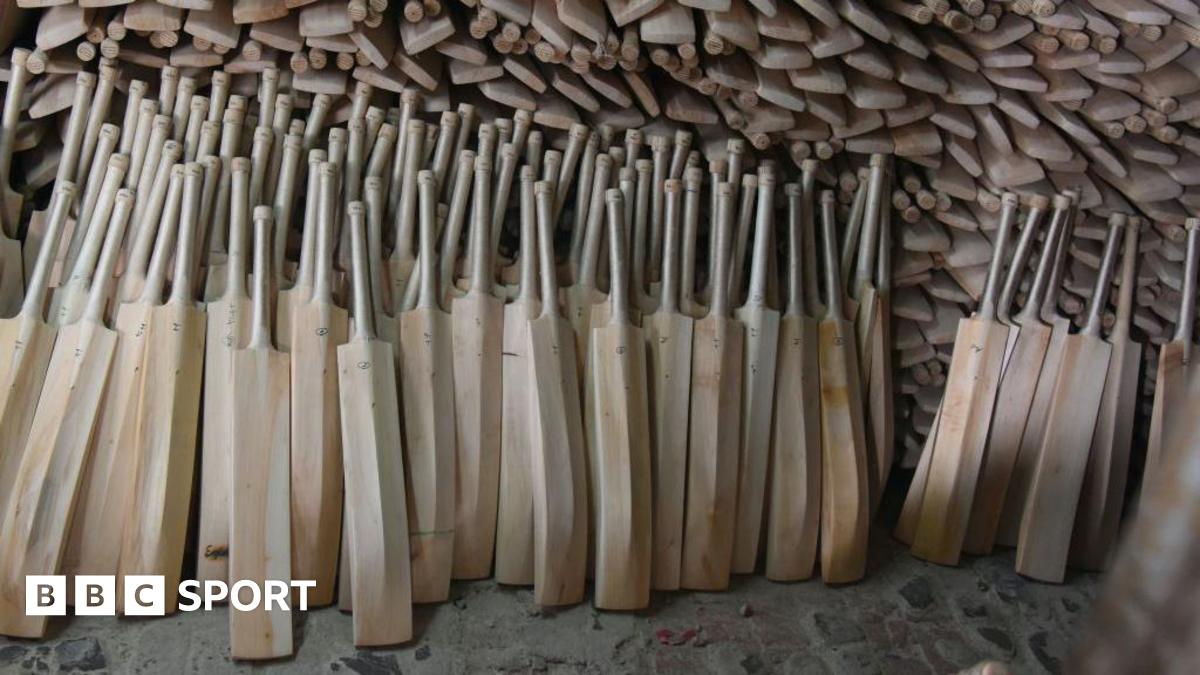
In a column on Nov. 5 I focused on the supply of English willow from which the majority of cricket bats are manufactured. A combination of increased global demand and earlier maturity of willow trees has served to create supply issues and a rise in prices. Responses to this situation have led to the increased use of willow from alternative sources, such as Kashmir, and for permission to use laminated (Type D) bats in junior cricket. These are made by bonding wood with no more than three pieces and a single piece as the face of the blade, as opposed to traditional bats which are carved from a single piece of willow. After extensive research, Law 5.8 has been amended to permit their use by all age groups. The impact of the change has been welcomed by bat makers, who say that there will be less willow wastage.